





 Portuguese
  English
  Spanish
 3 min of reading
  0 comments



New Railway of Eldorado Pulp, Financed by BNDES, Promises to Reduce Emissions and Increase the Competitiveness of the Sector.
The BNDES approved a contribution of R$ 1.05 billion to enable the construction of a private railway of Eldorado Pulp in Mato Grosso do Sul, strengthen sustainable logistics, and create more than 3 thousand jobs directly and indirectly during the project’s implementation.
The investment will be made through the purchase of infrastructure debentures and direct financing, connecting the industrial unit in Três Lagoas to the company’s railway terminal in Aparecida do Taboado, integrated into the national network.
Strategic Investment by BNDES Strengthens the Pulp Chain
The support from BNDES for the project will be structured in two fronts.
-
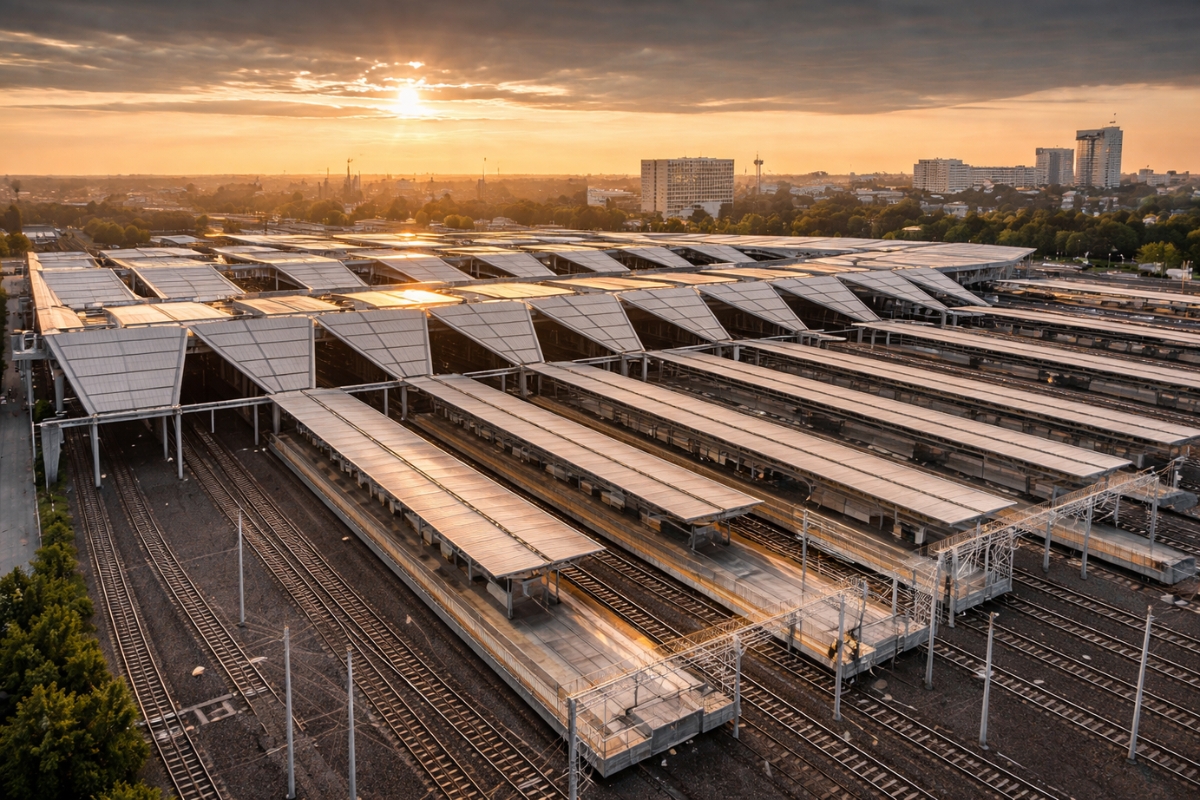
In A European City, The Country’s Largest Railway Junction Was Modernized Without Closing Its Doors, Kept Trains Running During Years Of Construction, Now Serves Up To 60,000 Passengers Per Day, And Installed Solar Panels That Generate About 30% Of Its Energy
-
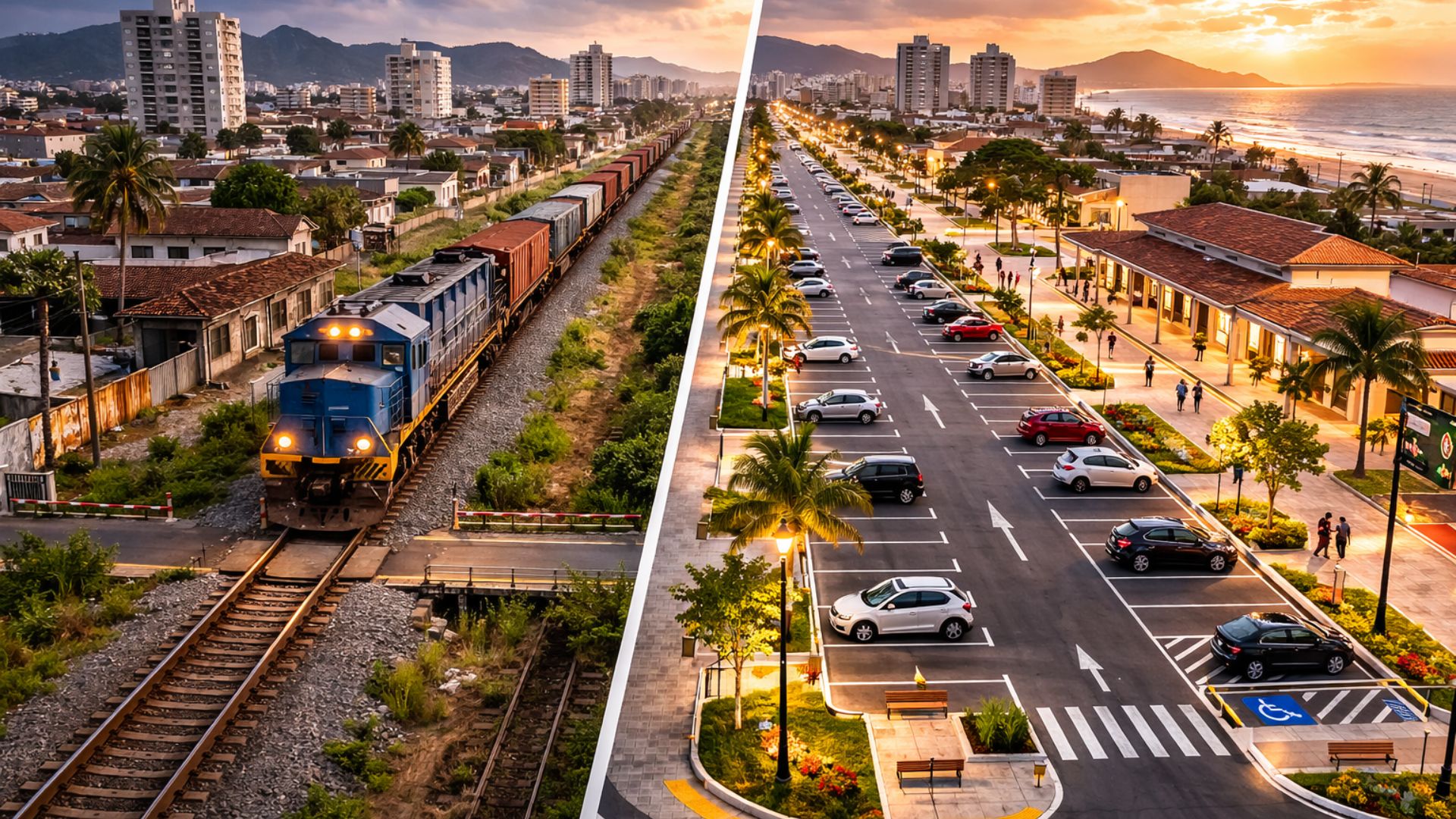
Famous Brazilian Railway May Become a Parking Lot
-
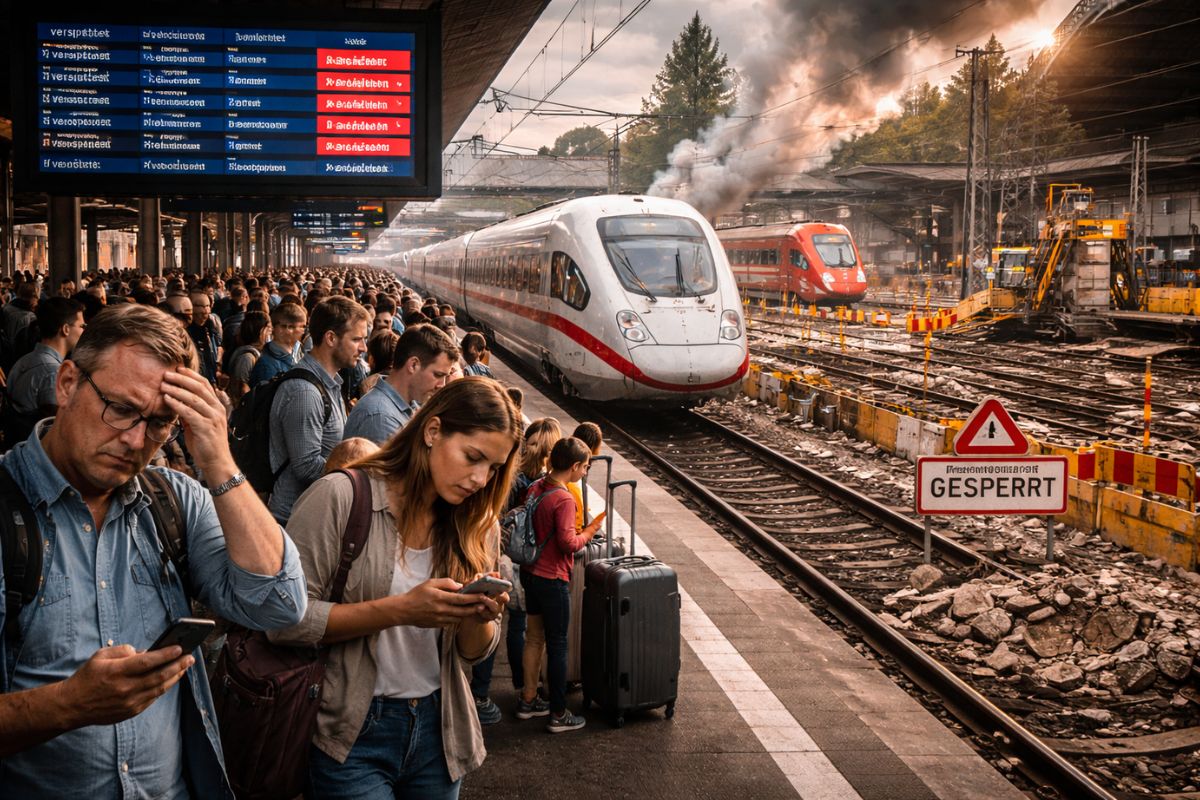
The Country of “Punctual As a Train” Admits It Has Lost Control: High-Speed Trains Delay, Stop, Disappear from the Map and Turn 6-Hour Trips into 10, While Deutsche Bahn Promises Restructuring in 2026 But Faces 19th Century Infrastructure, Staff Shortages and Sections Closed for Months
-
With an Investment of R$ 700 Million in One of the Country’s Main Rail Networks, VLI Reinforces Infrastructure, Receives 8 New Locomotives, and Expands the Corridor Connecting 7 States, Boosting Jobs and the Transportation of Grains, Ore, and Oil Products to the Port of Santos


The main one involves the subscription of R$ 1 billion in infrastructure debentures, with issuance coordinated by the institution itself.
Additionally, the bank will also grant an additional loan of R$ 50 million to complete the resource package.
This financial modeling allows for increased private investments in logistical infrastructure while reducing risks for the company.
According to the bank, the operation is aligned with the strategy to promote projects that enhance the competitiveness of the national industry, especially in sectors with a strong international presence, such as pulp.
New Railway Connects Industrial Production to the Main Logistical Corridor of the Country
From this point, the cargo will have access to the network operated by Rumo, the main railway corridor in Brazil, which connects Rondonópolis in Mato Grosso to the Port of Santos in São Paulo.
With this connection, the company significantly reduces its dependency on road transport, yielding substantial operational gains.
Furthermore, the new railway route increases logistical predictability, an essential factor for large-scale exports.
Project Must Generate More Than 3 Thousand Jobs in the Implementation Phase
During the implementation phase of the railway, the expectation is to generate more than 3 thousand jobs, considering direct and indirect positions.
The opportunities are expected to cover areas such as civil construction, railway assembly, technical services, logistics, and supply of inputs.
This impact on the job market is especially relevant for Mato Grosso do Sul, a state that has been establishing itself as one of the main industrial hubs of the pulp sector in Brazil.
In addition to generating income, the project also boosts regional development and the qualification of the local workforce.
Sustainable Logistics Reduces Emissions and Operational Costs
According to the president of theBNDES, Aloizio Mercadante, the project brings significant economic and environmental benefits.
He stated that the railway will help reduce logistical costs and increase the competitiveness of Brazilian pulp in the global market.
“The railway is also a more sustainable mode of transport, aligned with the government’s transition policy towards a greener economy under President Lula.
Today, road transport uses 50 thousand trucks per year. With the railway, the estimate is to reduce CO2 emissions by 87.3% per year, about 105.3 thousand tons,” says Mercadante.
These figures reinforce the role of sustainable logistics as a central element of the country’s industrial and environmental strategy.
Brazil Consolidates Itself Among the Largest Global Producers of Pulp
The investment comes at a moment of significant relevance for Brazil in the international market.
Thus, the country is one of the largest producers of pulp in the world, with an estimated annual production of around 24.3 million tons, ranking only behind the United States and China.
In this scenario, projects that enhance logistical efficiency, such as the railway ofEldorado Pulp, are considered essential to maintain the competitiveness of Brazilian products, especially in an increasingly demanding global environment in terms of sustainability and costs.
Port Terminal in Santos Expands Export Capacity
In addition to the railway,Eldorado Pulp also has its own port terminal at the Port of Santos.
The terminal was designed to operate with train compositions of up to 72 wagons, maximizing transport efficiency and reducing logistical bottlenecks.
This way, the integration between the railway and the port consolidates a modern, competitive, and environmentally more efficient logistical corridor.









Seja o primeiro a reagir!