





 Portuguese
  English
  Spanish
 5 min of reading
  0 comments


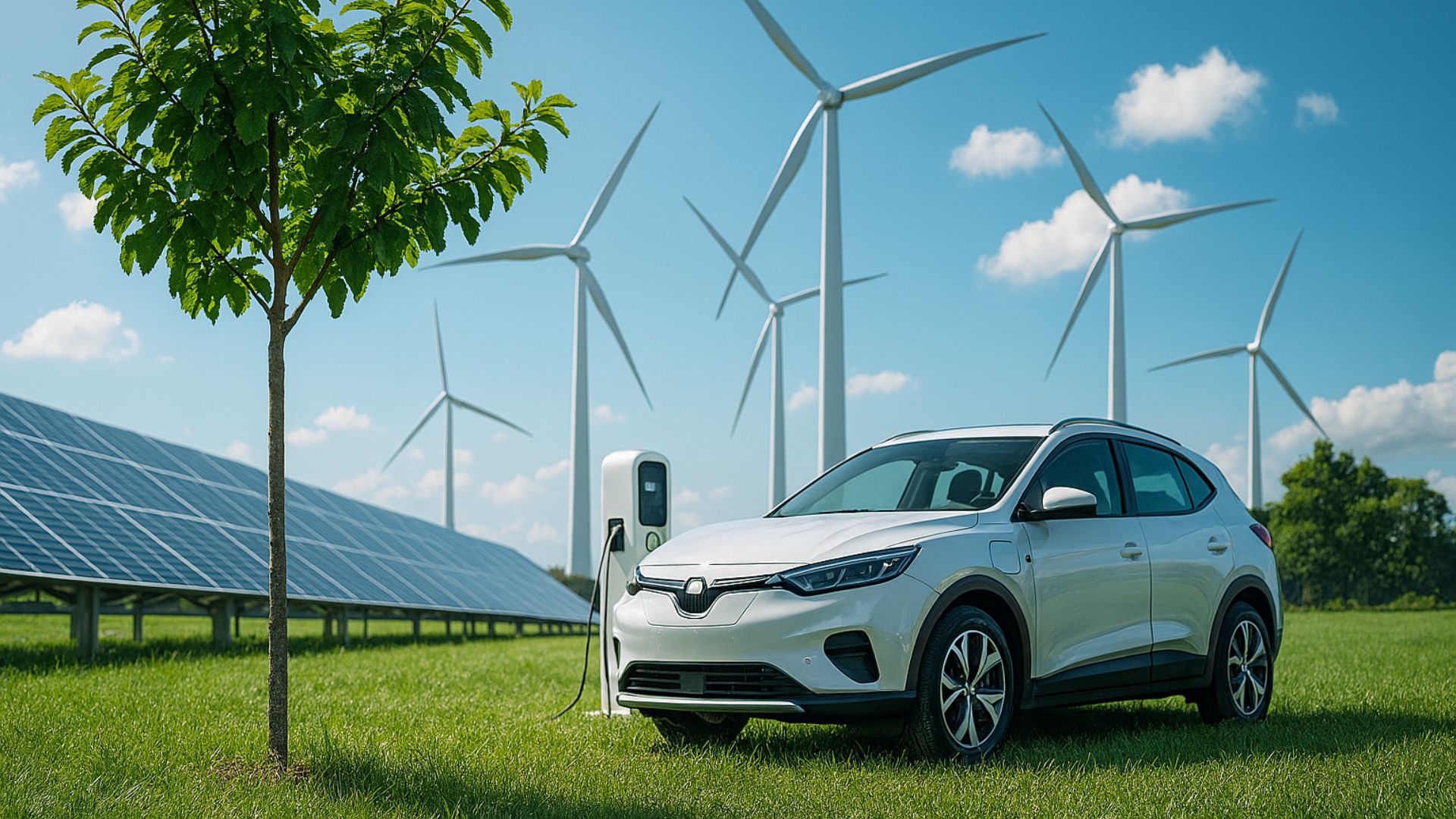
BNDES Announces New Investment of R$1.8 Billion to Accelerate Renewable Energy, Electric Mobility, and Biofuels Projects in Brazil. The Initiative Revealed at COP30 Reinforces Commitment to Sustainability
During COP30, the National Bank for Economic and Social Development (BNDES) officially announced raising R$1.8 billion in international resources to finance urban mobility, renewable energy, biofuels, and electrification projects.
According to an article published by the website MegaWhat this Friday (14), these agreements represent a strategic advancement in international cooperation for climate financing. They expand access to clean technologies and promote innovation in the Brazilian energy sector.
BNDES Seeks Investment in Electric Urban Mobility
The resources were obtained through two agreements with the German state bank KfW (Kreditanstalt für Wiederaufbau). The first, amounting to 130 million euros, will be allocated to the electrification of urban bus fleets. The second, amounting to 150 million euros, will support projects focused on renewable energy and biofuels, with a focus on low-carbon technologies and bioethanol.
-
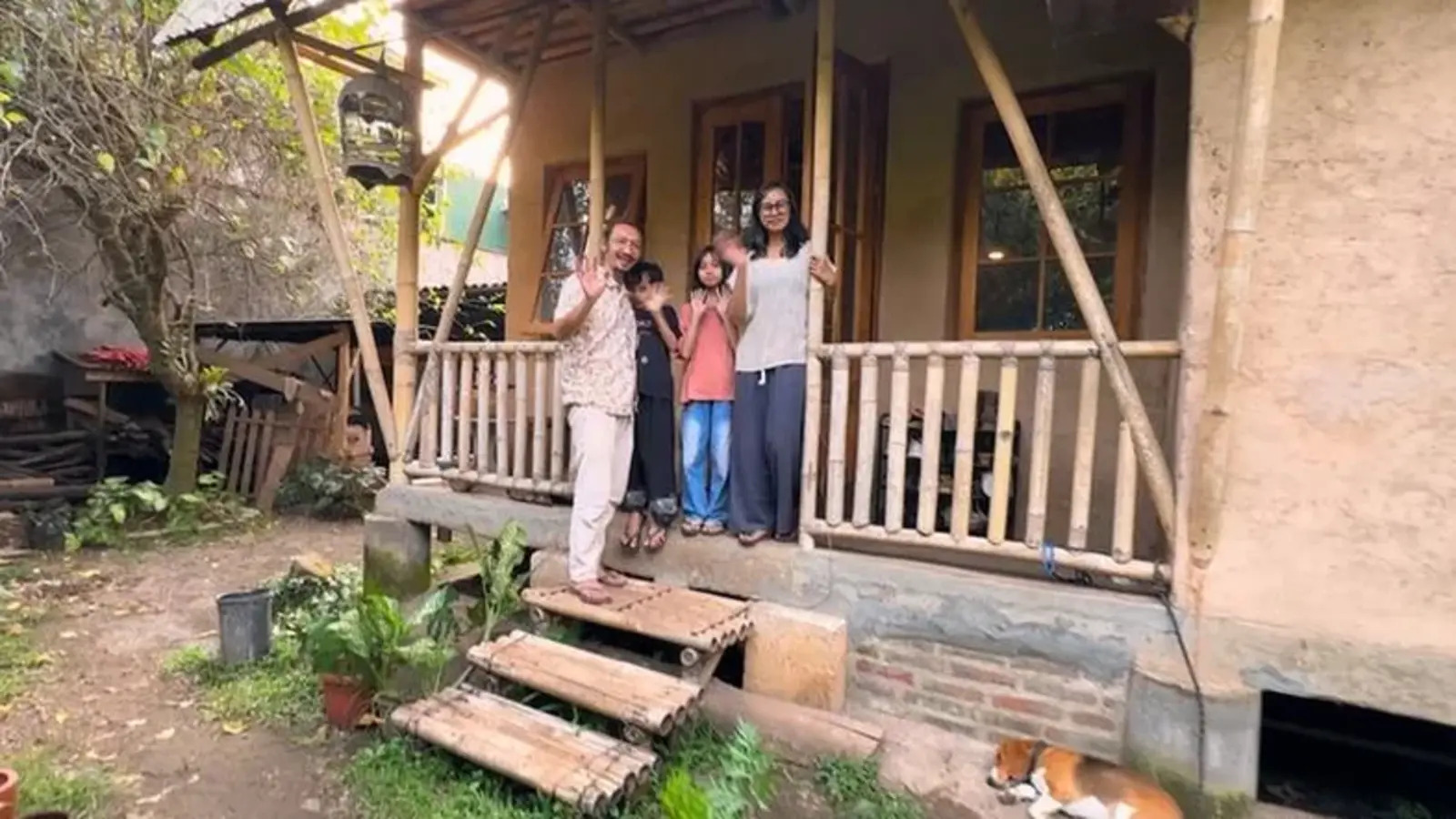
With earth, bamboo, straw, and lime mortar, a specialist builds a house for just over $460 and draws attention for its cost being much lower than traditional construction.
-
Rodrigo de Freitas Lagoon advances in environmental recovery with sanitation, elimination of irregular sewage, and the resumption of water sports in Rio de Janeiro.

-
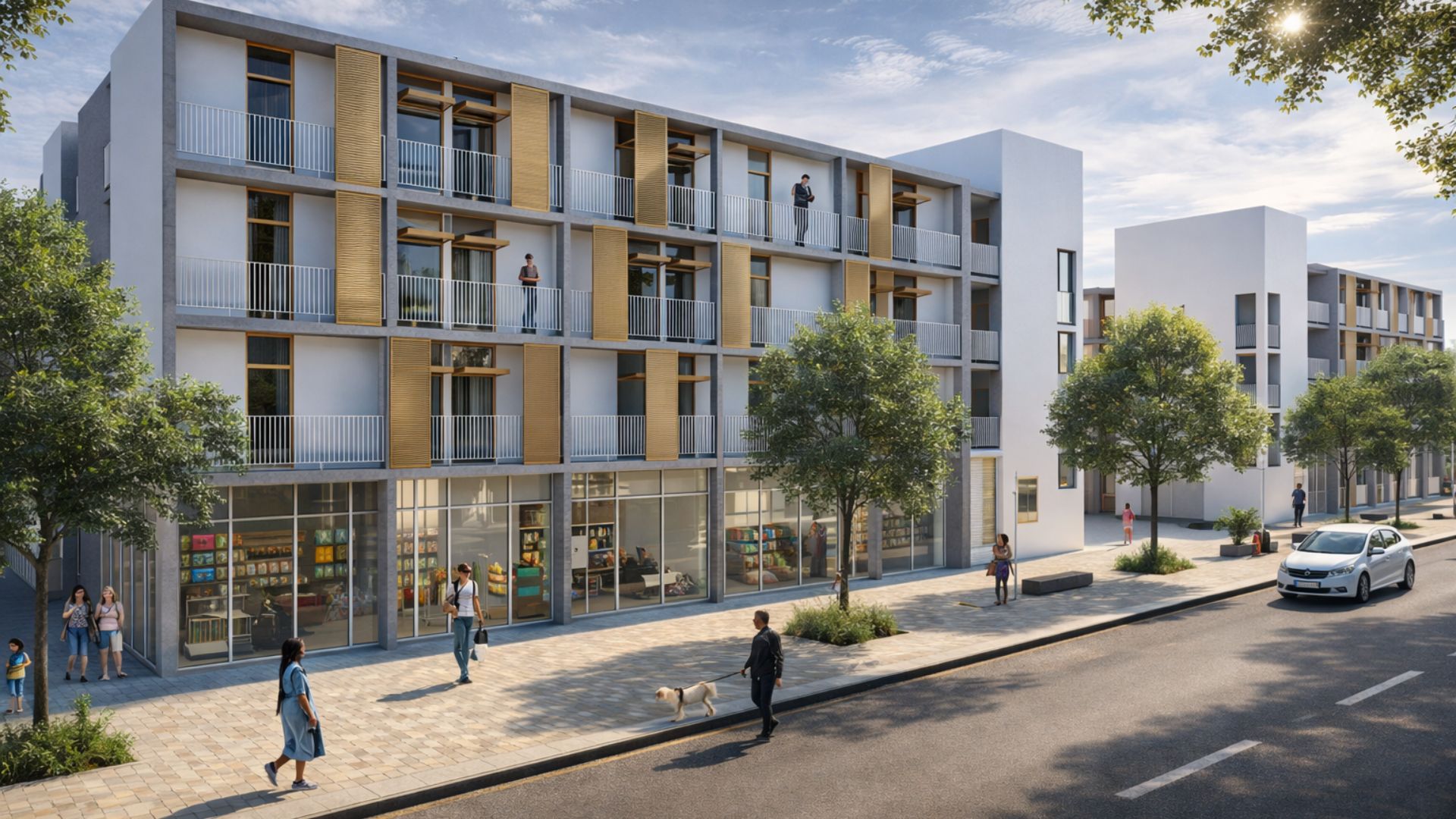
Sustainable housing gains strength with a nationally awarded project in Campo Grande, highlighting innovative solutions that combine sustainability, urban integration, and efficiency in the use of natural resources.
-
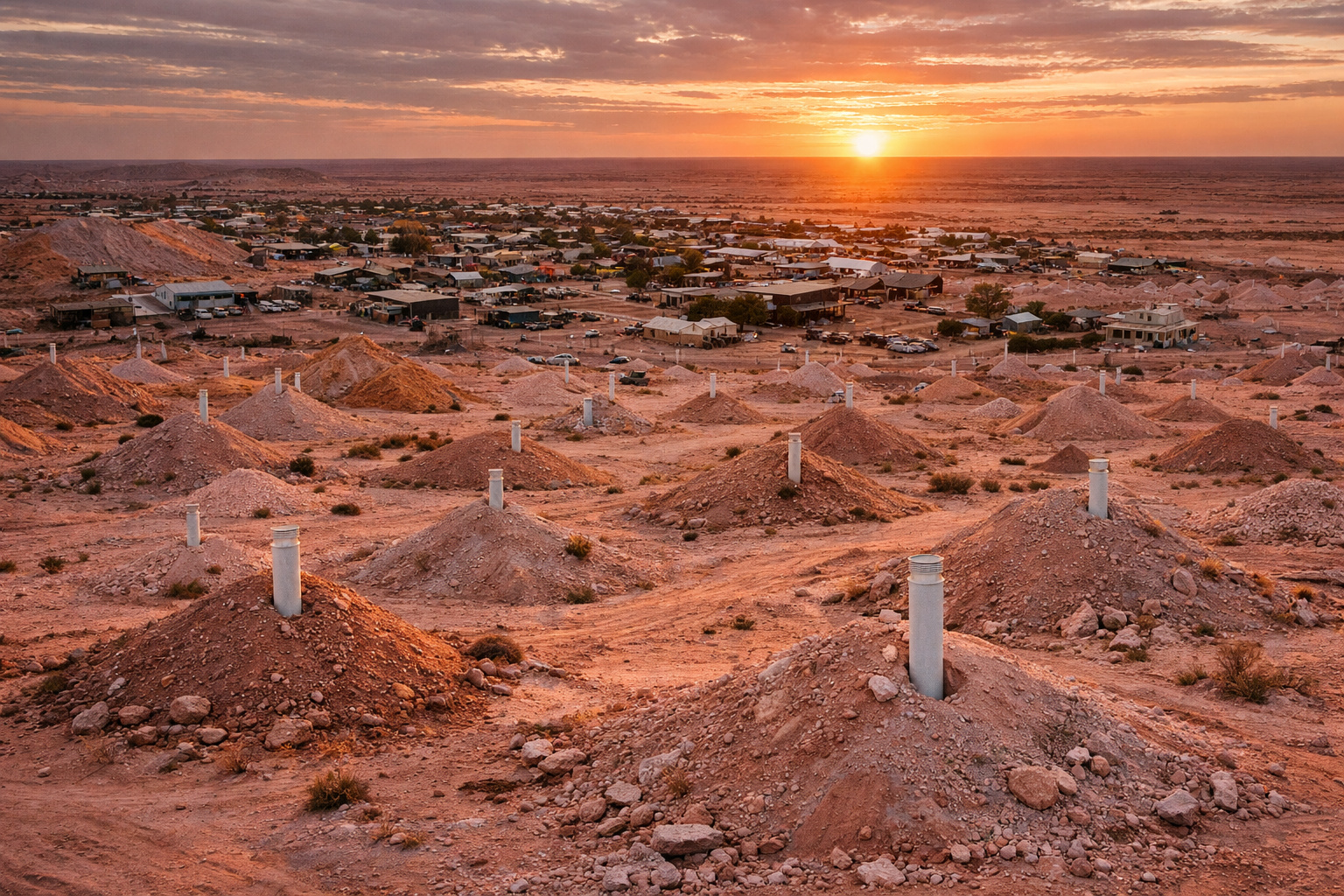
City Where Residents Live Underground to Escape 52°C May Be a Picture of the Future on an Increasingly Hot Planet

The electrification of the bus fleet is one of the pillars of the package announced by BNDES. The goal is to replace diesel-powered vehicles with electric models, significantly reducing greenhouse gas emissions in Brazilian cities. This initiative is aligned with the goals of the Paris Agreement and with the commitments made by Brazil at COP30.
According to BNDES, the resources will be applied to projects that promote the decarbonization of public transport, focusing on energy efficiency and social inclusion. The expectation is that electrification will contribute to improving air quality, reducing urban noise, and decreasing operational costs.
Electric mobility is essential to make cities more sustainable and resilient. In addition to environmental benefits, it represents an opportunity for modernization of urban infrastructure and the generation of green jobs.
Renewable Energy and Biofuels: Pillars of Sustainability
The second axis of the investment encompasses renewable energy projects, such as solar and wind, in addition to strengthening the biofuels chain, especially bioethanol. Brazil is a world leader in sugarcane ethanol production, and BNDES’s support aims to expand this advantage with more efficient and sustainable technologies.
Every real invested in renewable energy represents an advance in building a cleaner and more competitive country. BNDES’s support is crucial to accelerate this transformation.
It is worth mentioning that COP30 has been a relevant platform for announcing public policies and partnerships aimed at sustainability. BNDES’s presence with concrete initiatives reinforces Brazil’s leadership in the fight against climate change.
During the event, BNDES president Aloizio Mercadante highlighted that the raised resources will be fundamental to accelerate the energy transition and promote sustainable development. The construction of a low-carbon future is being driven with a focus on social inclusion and technological innovation.
In addition to the agreements with KfW, BNDES also presented new lines of credit aimed at the green economy, with special conditions for projects that contribute to reducing emissions and the efficient use of natural resources.
Economic and Environmental Impact of BNDES Investment
The investment package announced by BNDES will have direct impacts on the economy and the environment. It is estimated that the financed projects will generate thousands of green jobs, stimulate the domestic electric vehicle industry, and increase the supply of clean energy in the country.
The replacement of fossil fuels with renewable sources will contribute to the reduction of CO₂ emissions, helping Brazil meet its climate goals. According to the Climate Observatory, the transport sector accounts for about 14% of national emissions, making electrification an urgent and effective measure.
Investment in renewable energy and electric mobility is a lever for sustainable growth. It strengthens the industry, promotes innovation, and improves the quality of life for the population.
Challenges and Opportunities in the Energy Transition
Despite advances, the Brazilian energy sector still faces challenges. Most of the innovation resources are still directed to fossil technologies, which requires a paradigm shift. BNDES’s initiative is an important step, but it needs to be accompanied by integrated public policies and incentives for research in clean sources.
Additionally, it is necessary to enhance technical training and infrastructure to support the expansion of electric mobility and renewable energies. The creation of clear and stable regulatory frameworks is also essential to attract investors and ensure the viability of projects.
The energy transition is a historic opportunity for Brazil to lead with responsibility and vision for the future. With resources, technology, and political will, it is possible to transform the sector and ensure energy security for future generations.
Sustainability as a Vector for Development
Sustainability has ceased to be an abstract concept and has become part of the national development strategy. BNDES’s investment at COP30 is a concrete example of how public policies can boost the green economy and promote social inclusion.
Renewable energy, biofuels, and electrification projects have the potential to transform communities, generate income, and reduce inequalities. They also contribute to the preservation of natural resources and to fulfilling Brazil’s climate commitments.
Sustainability is the path to a fairer, more innovative, and competitive country. BNDES’s support is a clear sign that Brazil is willing to take this path with courage and responsibility.
The Role of BNDES in Building a Low-Carbon Future
The announcement of R$1.8 billion in investments during COP30 marks a decisive moment in Brazil’s trajectory toward sustainability. Focusing on renewable energy, biofuels, and electric mobility, BNDES reaffirms its commitment to a low-carbon future, innovation, and inclusion.
The strategic action of the bank, combined with international cooperation, shows that Brazil is prepared to lead the global energy transition. More than a one-time action, it represents a structural change that can redefine the course of national development.









Seja o primeiro a reagir!