





 Português
  Inglês
  Espanhol
 3 min de leitura


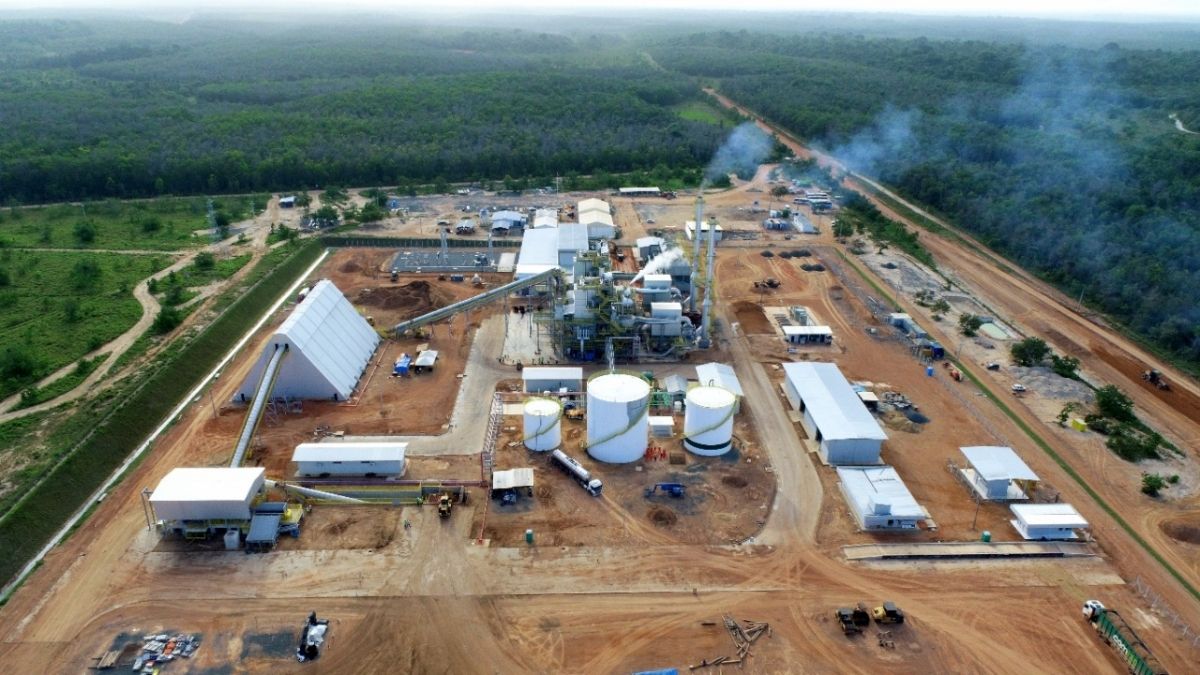
New Biomass Plants Funded by BNDES Will Bring Sustainable Electric Energy to 148,000 Homes in Northern Brazil
The National Bank for Economic and Social Development (BNDES) is one of the national institutions that invests the most in new technologies. It recently announced an investment of R$80 million for the construction of 4 biomass plants for electricity generation in the state of Roraima. The promise is that this new infrastructure will be able to replace diesel-generated energy and avoid the release of nearly 3 million tons of greenhouse gases, making it highly sustainable.
The new thermoelectric plants will be installed in 2 distinct municipalities in Roraima: Cantá and Boa Vista. In the city of Cantá, the Bonfim and Cantá plants will be located, while in Boa Vista, the Pau Rainha and Santa Luz plants will be established. This entire infrastructure will be responsible for producing around 40 MW, which is sufficient to supply electricity to 148,000 homes. The investment comes from the “BNDES Climate Fund – Renewable Energy Modality,” a project aimed at bringing more sustainability to Brazil. Learn more!
Understand a Little More About Electricity Generation from Biomass in the Video Below


Biomass Will Be Produced from Wood Chips and Roraima Plants Will Share Clusters from BNDES Investment
The biomass that will be used in the Roraima plants will be obtained from waste from the timber industry, specifically wood chips. For the daily generation of electricity, it is estimated that around 1,000 tons of the product will be needed per day for burning. However, this material will always be sourced from reforested areas, aiming for a continuous and sustainable supply of biomass.
-
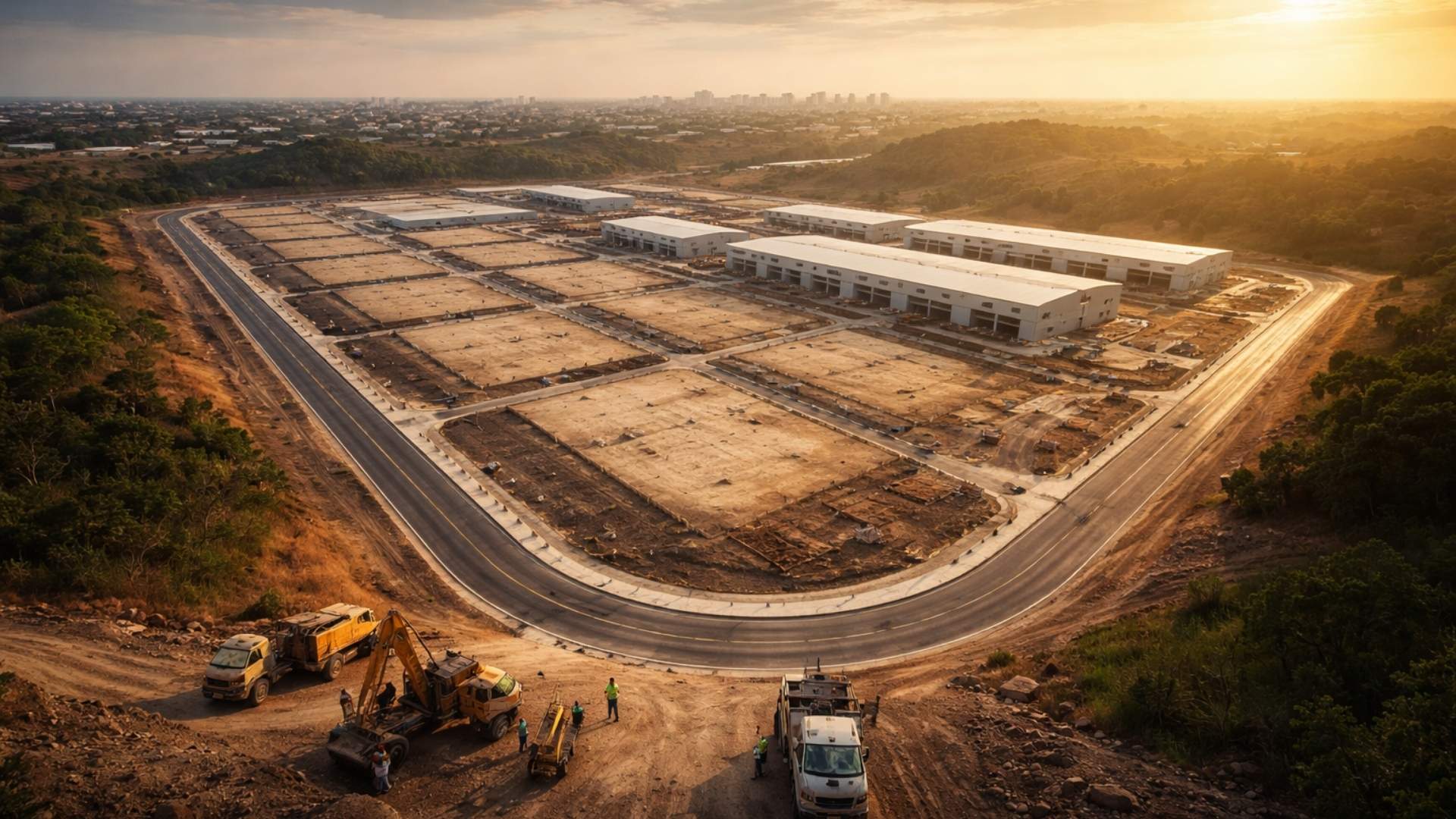
Brazilian city gains industrial hub for 85 companies that is equivalent to 55 football fields.

-
Peugeot and Citroën factory in Argentina cuts production by half and opens a layoff program for more than 2,000 employees after Brazil drastically reduced purchases of Argentine vehicles.

-
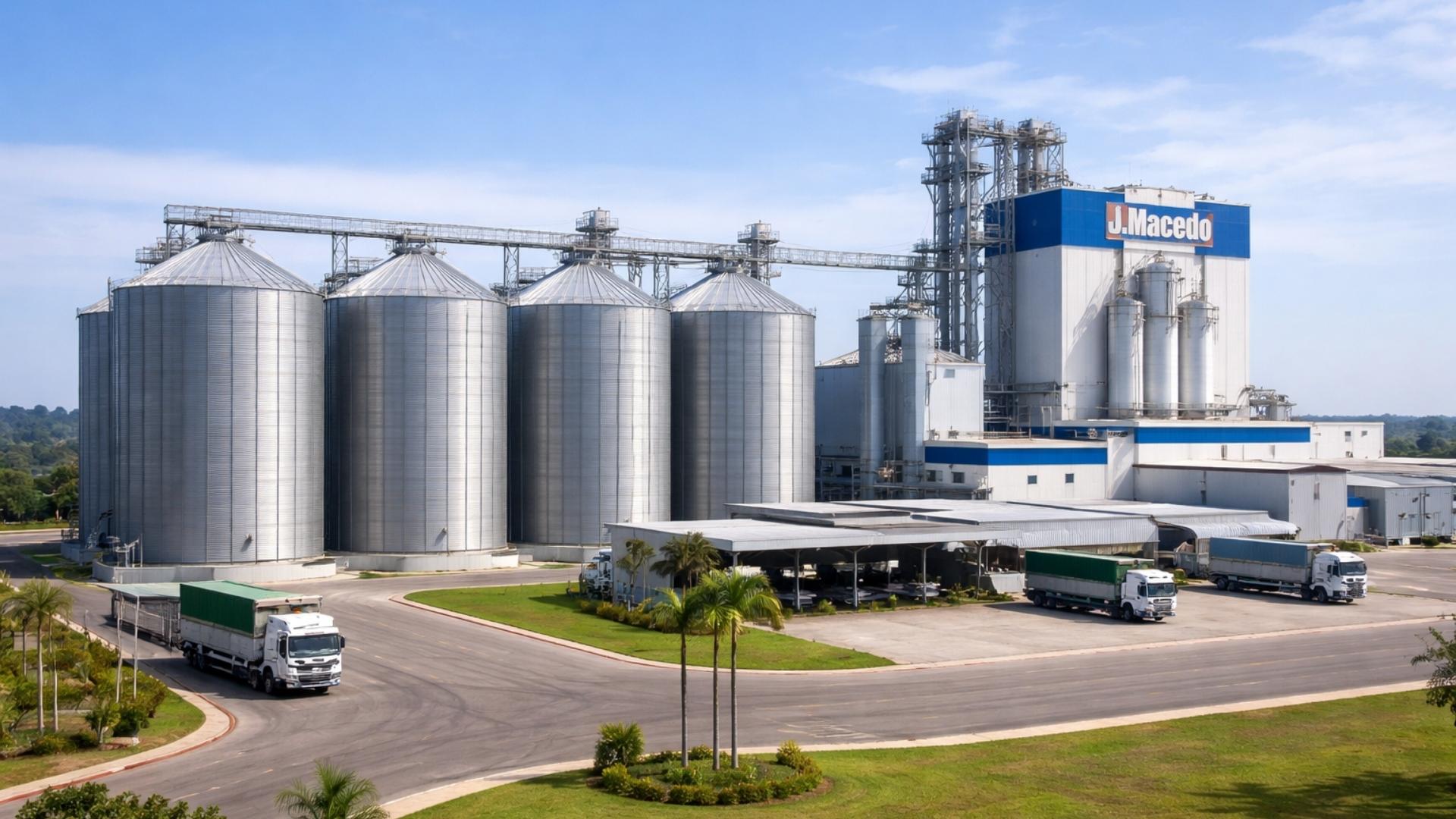
A Brazilian city gains a factory worth R$ 300 million with the capacity to process 200 thousand tons of wheat per year, a mill of 660 tons/day, silos for 42 thousand tons, and an industrial area of 276 thousand m².
-
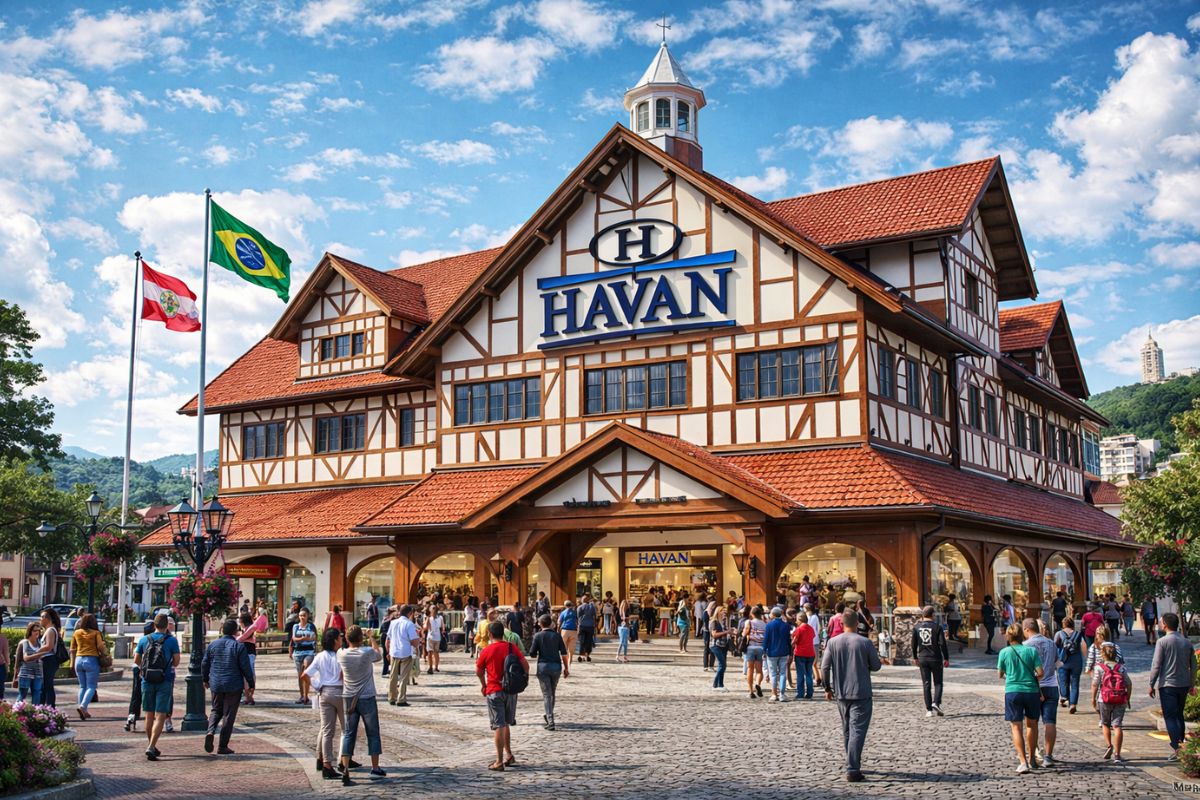
Havan will leave the shopping mall in Blumenau to inaugurate something that the chain has never done before: a megastore in half-timbered style in the Historic Center of the city, which is expected to be completed in May and change the landscape of local retail.

The entire wood generation process will be certified under the FSC (Forest Stewardship Council) standard, which oversees the legality of the process and the quality within environmental and social standards. This way, sustainability will be ensured throughout the chain and will allow for large-scale production, always with renewal of the raw material.
The plants will share clusters among themselves, meaning they will form agglomerates for electricity generation. The Serra da Lua cluster, located in Cantá, will connect the Bonfim and Cantá thermoelectric plants, while the Jacitara cluster in Boa Vista will connect the Pau Rainha and Santa Luz plants. Each cluster will remain 90 kilometers apart from each other and will allow for the sharing of connection systems, through BNDES financing.
After All, What Is Biomass and Why Is It Better Than Diesel in Thermoelectric Plants?
Biomass is a type of renewable energy obtained from waste found in nature, especially from sugarcane bagasse and wood chips. It can also be derived from the reuse of urban and agricultural waste. It serves as a means to produce biofuels and biogas and has become an important alternative to fossil fuels, such as diesel frequently used in thermoelectric plants for electricity generation.
Currently, biomass accounts for 8% of Brazil’s energy matrix and can significantly reduce greenhouse gas emissions. The combustion of wood or organic waste for electricity generation is very promising, as it mimics a natural combustion process while emitting lower amounts of greenhouse gases. Thus, with the BNDES investment supporting projects that replace fossil fuels with biomass, Brazil is taking an important step towards a more sustainable future.







Seja o primeiro a reagir!