





 Portuguese
  English
  Spanish
 4 min of reading


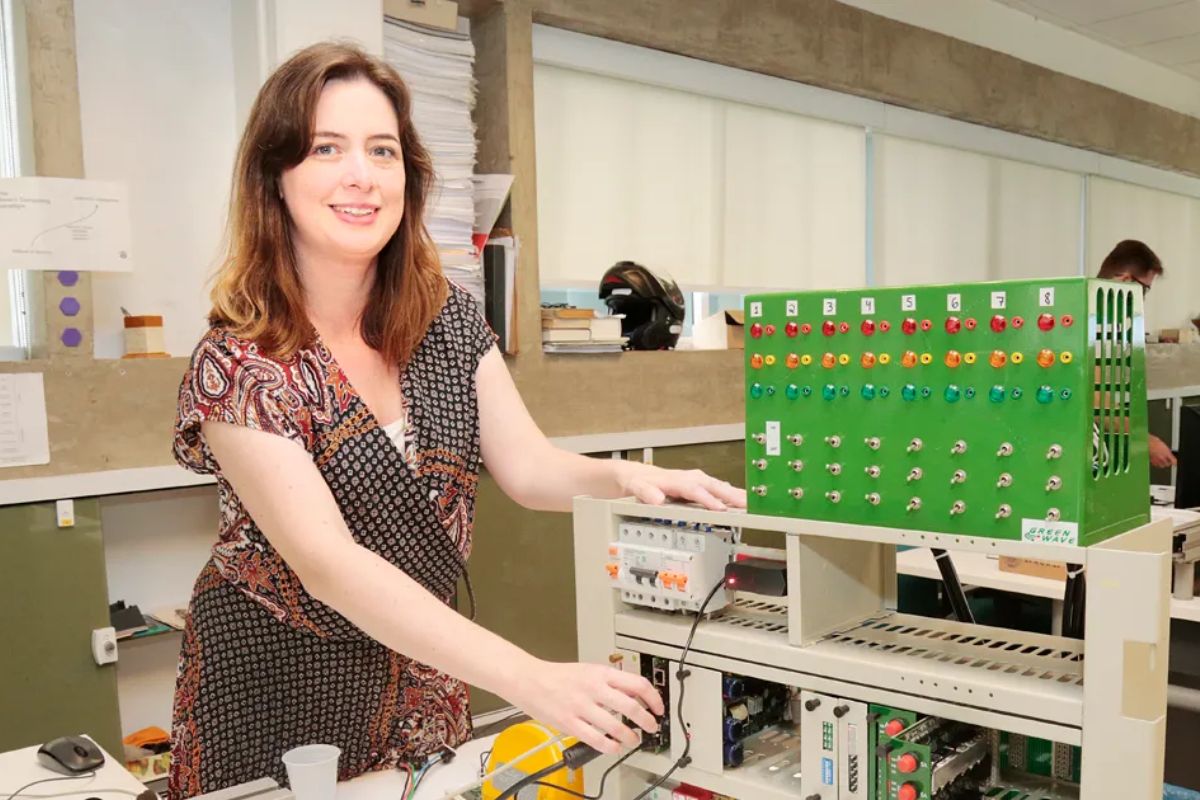
USP Prototype, Funded by BNDES, Will Be Tested on the São Paulo Campus, Which Will Be Transformed into a “Smart City”
Researchers from the Laboratory of Integrated Technological Systems (LSI-TEC) at the University of São Paulo (USP) will begin testing prototypes to create smart cities and integrate security into urban mobility in the capital. The projects are funded by the National Bank for Economic and Social Development (BNDES), as they were selected in a public call and will be carried out in partnership with the private and public sectors.
The USP campus in Butantã, São Paulo, will host the tests, and the researchers’ goal is to install the prototypes within the university’s territory. Thus, the campus will become a mini “smart city”. Learn more about these tests by reading the article to the end.
Learn More About the Concept of Smart Cities and How Brazil Innovates to Reach This New Level in the Video Below
Smart Cities Project at USP, Funded by BNDES, Aims to Bring the Concept to Brazil and Improve Urban Mobility
The Laboratory of Integrated Technological Systems (LSI-TEC) at USP has been developing various innovations through the Smart Cities Project and will now be able to implement some of its creations. The projects will be made feasible by miniaturized computers of national design that will bring artificial intelligence and connectivity to the tests.
-
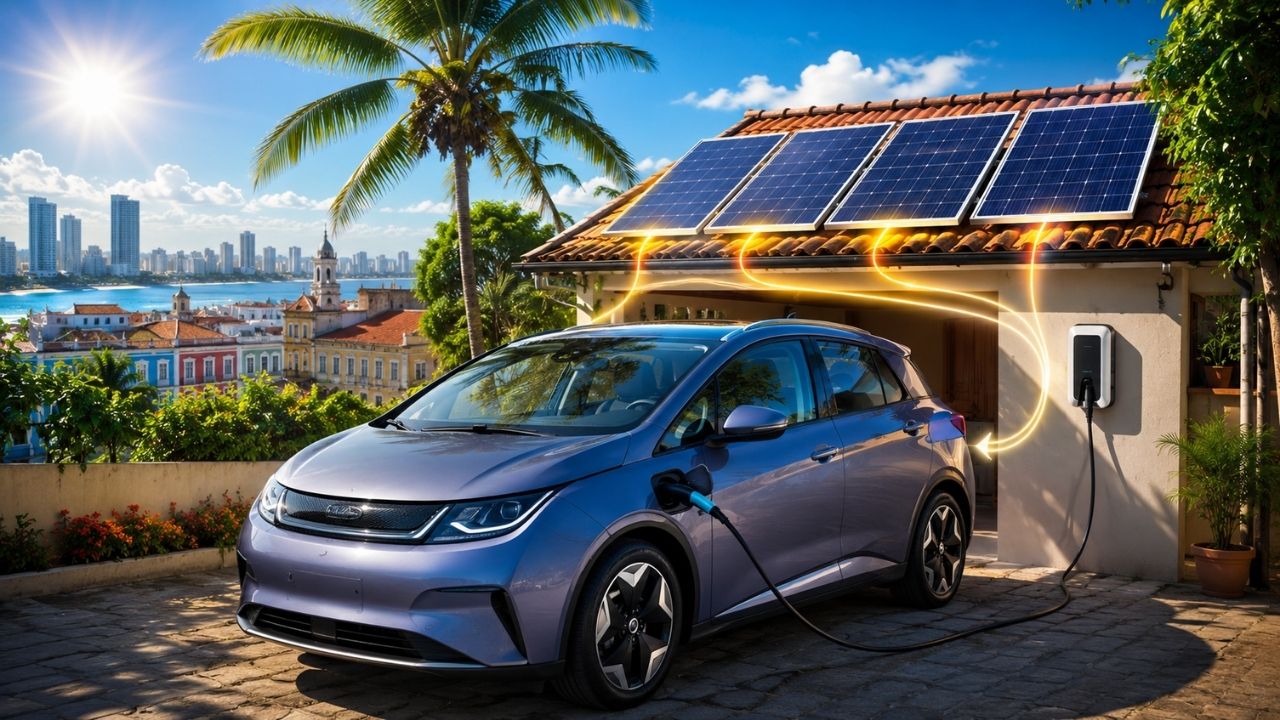
A BYD Dolphin driver can travel 1,500 km per month with recharging compensated by just 4 solar panels of 550 W, according to a calculation made in Recife that estimates a consumption of 181.5 kWh and a cost of R$ 180 at the outlet.

-
One of the most arid countries in Africa, Namibia found itself facing the largest oil discovery ever made south of the Sahara and now attracts industry giants to drill its deep waters in search of the hidden oil in the Orange Basin.
-
With the thaw opening up the Arctic’s underground, Greenland is preparing for a drilling campaign in search of oil in the remote Jameson Land basin.
-
Considered depleted by many people, Alaska is experiencing an unexpected oil revival and reigniting the oil companies’ race for the Arctic ice.


Large companies such as American Tower and Deloitte will partner with USP in these tests, aiming to stimulate improvements in wireless connectivity and the ideal business model.
“The idea is to transform the campus into a sort of ‘experimental neighborhood’ where IoT technologies installed in traffic lights and vehicles will be tested”
Professor Marcelo Zuffo from the Polytechnic School (Poli) at USP and scientific-technological advisor for the USP projects, in an interview with Jornal da USP.
Smart Traffic Lights Will Be Tested by USP and Meet the National Internet of Things Plan
USP will test smart traffic light and sentinel models in this first phase of the project. Still in the first half of 2022, two smart traffic lights will be installed on campus with the capacity to monitor traffic within a close radius. They can process information from images and enhance local security, as well as prioritize pedestrian safety.
“This is an application of edge computing, in which a small computer is included in the traffic light that becomes capable of controlling the timing of the light’s opening and closing. Instead of focusing exclusively on vehicle flow, the traffic lights proposed in the project will prioritize pedestrian safety”
Laisa Costa De Biase, a professor at USP and coordinator of the projects at LSI-TEC (2022), in an interview with Jornal da USP.
Sentinel Will Be Another Prototype Tested by USP and Notifies Risk Information in Accidents or Car Thefts
Regarding the sentinel prototype, also funded by BNDES, it will be installed in some vehicles and aims to notify life-threatening and criminal situations in nearby areas. The images captured by the equipment send information to a server via artificial intelligence, making the streets safer.
According to the projects coordinator, Professor Laisa, there are already two cars with this device circulating in São Paulo, showing promising results. The prototype can also identify the risks of accidents in which the vehicle is involved and send automatic notifications to the relevant emergency services.
The prototypes will soon begin to be installed on the USP campus in São Paulo and meet the National Internet of Things Plan. This will be possible thanks to the partnership with Stellantis, the Traffic Engineering Company (CET) of São Paulo, the Municipal Transport Department of São Paulo, and the Public Security Department of the State of São Paulo.
“The Smart Cities project with IoT is extremely challenging. The initiative encompasses aspects of the state of the art in IoT technology with relevant socioeconomic impacts for the population”
Captain Cauã Sarto Conselheiro, eventual project manager at the Military Police (PM) of the State of São Paulo (2022), in an interview with Jornal da USP.
If all goes well, these prototypes could be installed in cities and bring even more technology to urban mobility in Brazil.




Be the first to react!