





 English
  Francês
  Alemão
  Italiano
  Japonês
  Norueguês
  Portuguese
  Spanish
  3 min of reading


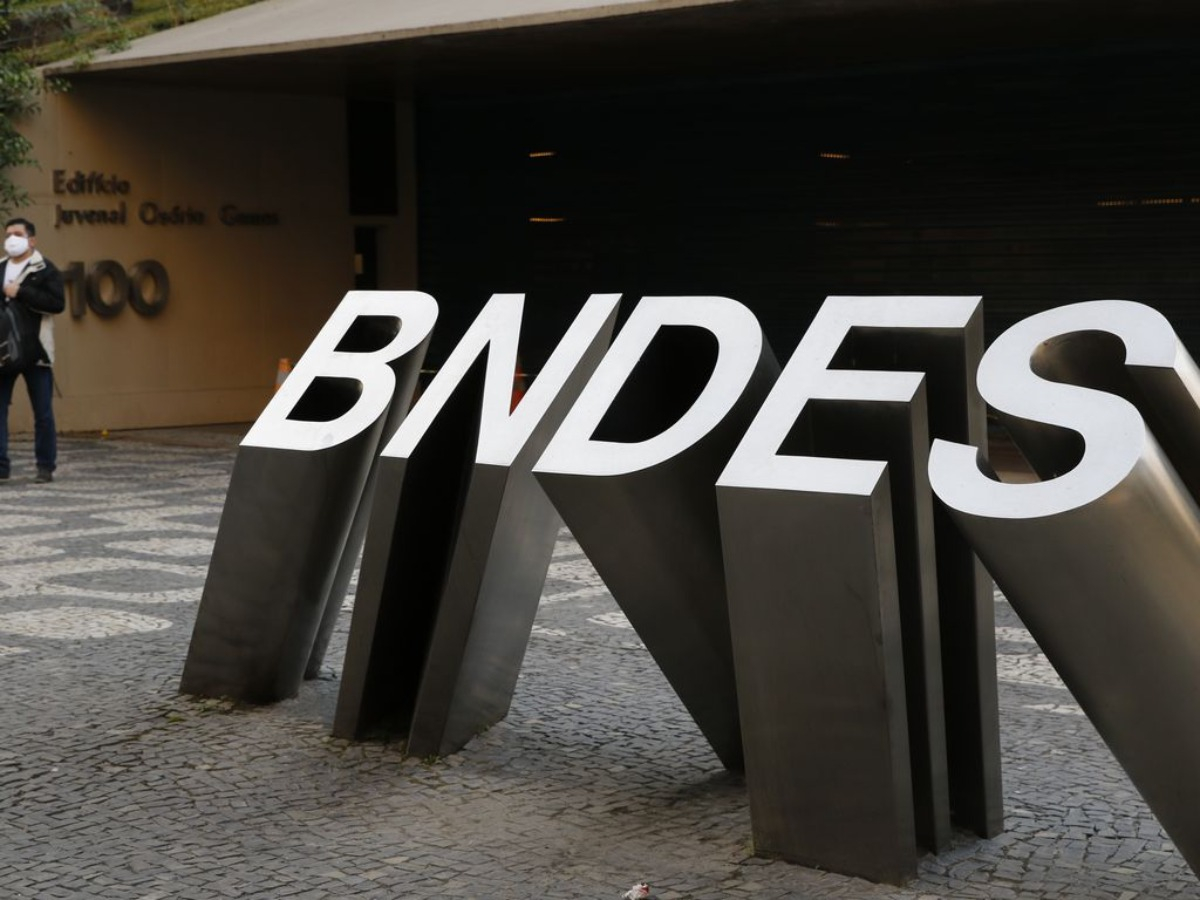
On Thursday, May 26, the BNDES announced the million-dollar acquisition of carbon credits, planned since March
The National Bank for Economic and Social Development, BNDES, made public, on Thursday (26), the purchase of R$ 8.7 million in carbon credits from five companies selected in the Public Call for Acquisition of up to R$ 10 million in Carbon Credits.
Among the 11 proposals received by BNDES, developers were chosen for the purchase of carbon credits, in conjunction with their respective partners. The selected developers were Biofílica, Solví, Sustainable Carbon, Carbonext, and Tembici.
After the selection process, the projects will undergo due diligence that will consider technical and legal evaluations to be carried out by BNDES teams, in order to be selected for the acquisition of carbon credits.
-
Unemployment rises again to 5.8% at the beginning of 2026, raising alarms about the end of temporary positions and its impact on the Brazilian job market.

-
Document organization can cut invisible costs in small businesses, a simple step that prevents waste, rework, and losses in daily operations.

-
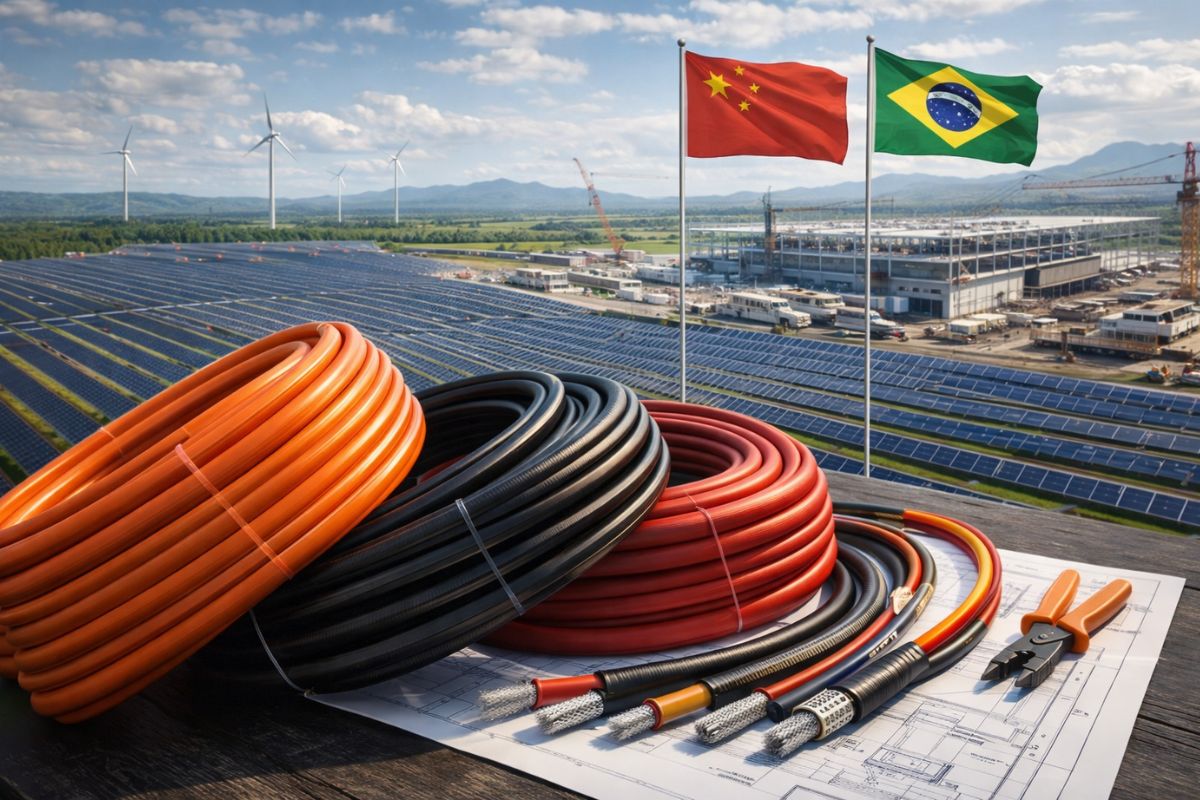
Chinese giant worth nearly R$ 4 billion that manufactures cables for electric cars, solar energy, and robotics wants to open a factory in SC.
-
Many employers do not know, but the law guarantees domestic workers a 25% increase in salary during trips, 50% for overtime, 20% for night shifts, and 17 additional benefits that can lead to labor lawsuits if not paid.


In March of this year, 2022, BNDES initiated the public call for the purchase of carbon credits.
At that time, proponents were invited to participate in a selection process to present their technical and commercial proposals for acquiring carbon credits related to projects aimed at emission reduction stemming from deforestation and forest degradation, REDD+, reforestation, and energy, with the objective of acquiring carbon credits by BNDESPAR for BNDES.
The director of Participations, Capital Markets, and Indirect Credit at BNDES, Bruno Laskowsky, through the exclusive initiative to purchase carbon credits, contributes uniquely to the stimulation of the carbon sector and supports the culture of decarbonization in the country.
Projects
Biofílica Investimentos Ambientais works together with the Association of Residents of the Rio Preto Extractive Reserve, Asmorex.
They presented a conservation project for the Amazon rainforest (REDD+) that encompasses approximately 94,289 hectares in the municipalities of Machadinho d’Oeste and Cujubum (RO) and foresees actions for sustainable development in the communities.
Carbonext Technology in Environmental Solutions plans, in conjunction with Copacabana Agropecuária, Ipanema Agropecuária, Leblon Agropecuária, and Bela Aliança Agropecuária, a proposal aimed at forest conservation (REDD+), as well as social and biodiversity development actions in Bujari (AC), in an area of approximately 20,669 hectares.
Revita Engenharia has a project that generates renewable energy from methane at a landfill in the Quatá region (SP).
Also, Sustainable Carbon, Environmental Projects, and Cerâmica Gomes de Mattos have a project aimed at generating renewable biomass fuel in the area of Crato (CE) and have social development activities together with local communities.
Lastly, Tembici Participações, M2 Soluções, and Transportes Sustentáveis Soluções em Engenharia work together by providing public bicycle services in the municipalities of São Paulo (SP) and Rio de Janeiro (RJ). The proposal qualifies as a fuel exchange at the transportation headquarters.
What Is BNDES and What Does It Do
BNDES is a development bank among public institutions that emerged in 1940 and has since played an important role in the socioeconomic development of the countries and regions where it operates.
Each BNDES institution has a unique way of operating; however, they share the common goal of applying intellectual, human, social, and financial capital to cooperate in the introduction of policies and support for public and private sectors to take risks in strategic investments.
BNDES acts as the main instrument for executing the Federal Government’s investment policy – which regulated the carbon and methane credit market in the country – and aims to promote sustainable and competitive development of Brazil’s economy, with job creation and reduction of regional social inequalities.







Seja o primeiro a reagir!