





 English
  Francês
  Alemão
  Italiano
  Japonês
  Norueguês
  Portuguese
  Spanish
  3 min of reading
  44 comments


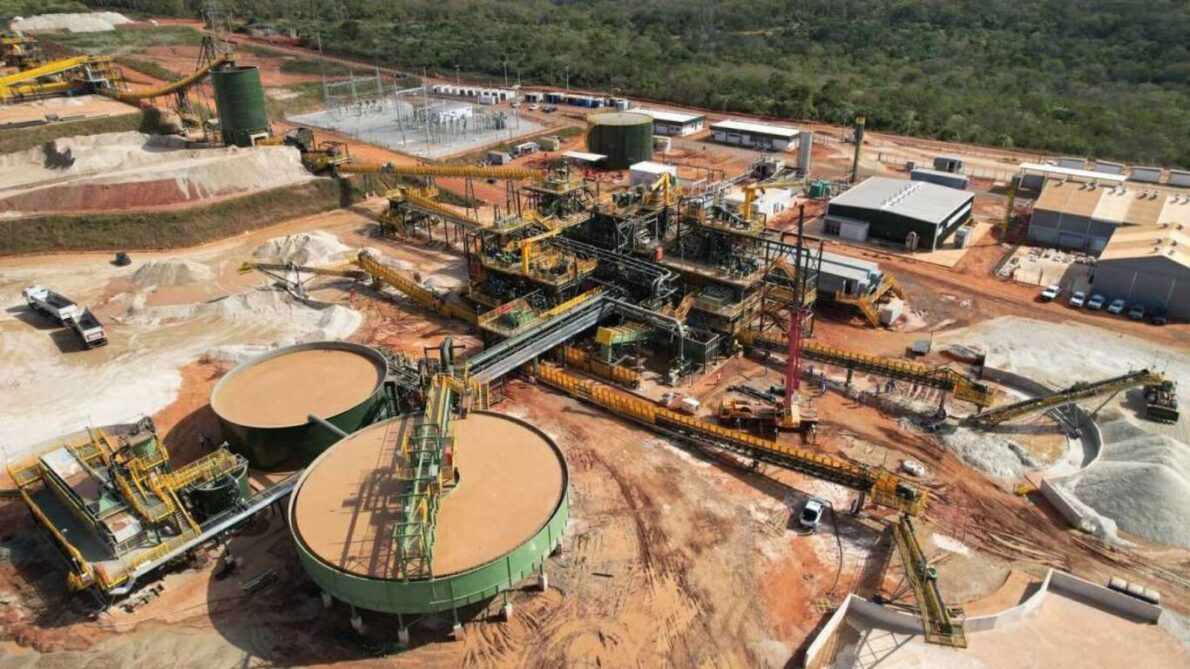

Sigma Lithium, Controlled by Brazilian Group, Expands Its Operations in the Jequitinhonha Valley with Support from BNDES, Strengthening Brazil’s Position in Global Energy Transition
The largest lithium mining company in Brazil, Sigma Lithium, has just received a significant financial boost. The National Bank for Economic and Social Development (BNDES) approved financing of R$ 486.7 million for the expansion of the company’s operations. This amount, part of the Climate Fund, will be used to increase the annual lithium production from its mines located in Araçuaí and Itinga, in the Jequitinhonha Valley, Minas Gerais, according to the website estadodeminas.
Sigma Lithium, founded in Canada but currently controlled by a Brazilian group, operates in the largest lithium reserves in the country. With this investment, the company’s annual production is expected to reach 520 thousand tons, a significant increase that solidifies Brazil’s importance in the global mining scene and in the battery supply chain for electric vehicles. This advancement is vital, considering that lithium is a critical mineral for the global energy transition, with an increasing use of electric vehicles.
Expansion and Sustainability: A Step Ahead in Mining
The approval of financing by BNDES marks a turning point for Sigma Lithium and for lithium mining in Brazil. The released funds, coming from the Climate Fund, will not only allow the company to increase its production to 270 thousand tons annually, but also highlight the relevance of sustainability in mining operations. The Climate Fund was created to support projects that contribute to the energy transition and decarbonization, and lithium, essential for the manufacture of electric vehicle batteries, fits perfectly into this strategy.
-
Chinese giant worth nearly R$ 4 billion that manufactures cables for electric cars, solar energy, and robotics wants to open a factory in SC.

-
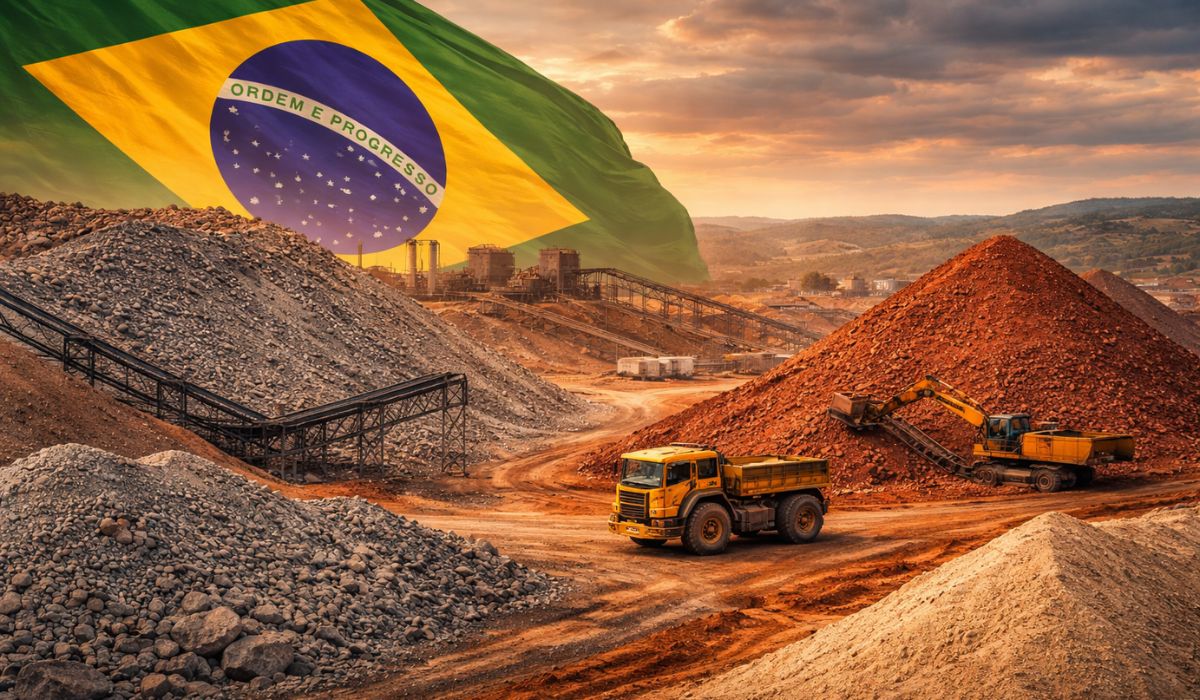
Brazil extracts 26.3 million tons of ore from what was previously treated as waste, transforming residues into wealth, producing over 3 million tons of sand, and demonstrating how national mining is relearning to generate value.
-
Many employers do not know, but the law guarantees domestic workers a 25% increase in salary during trips, 50% for overtime, 20% for night shifts, and 17 additional benefits that can lead to labor lawsuits if not paid.

-
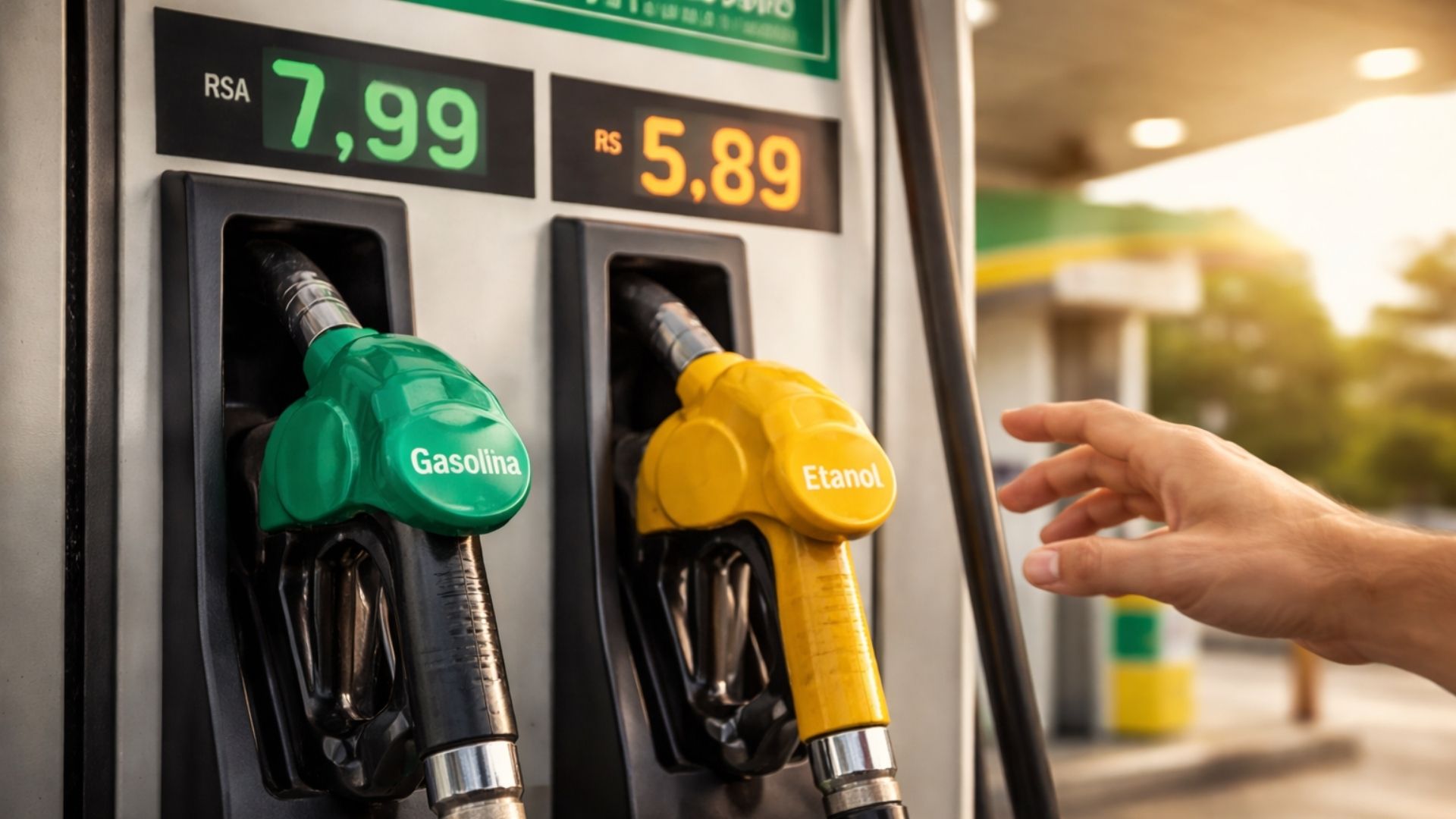
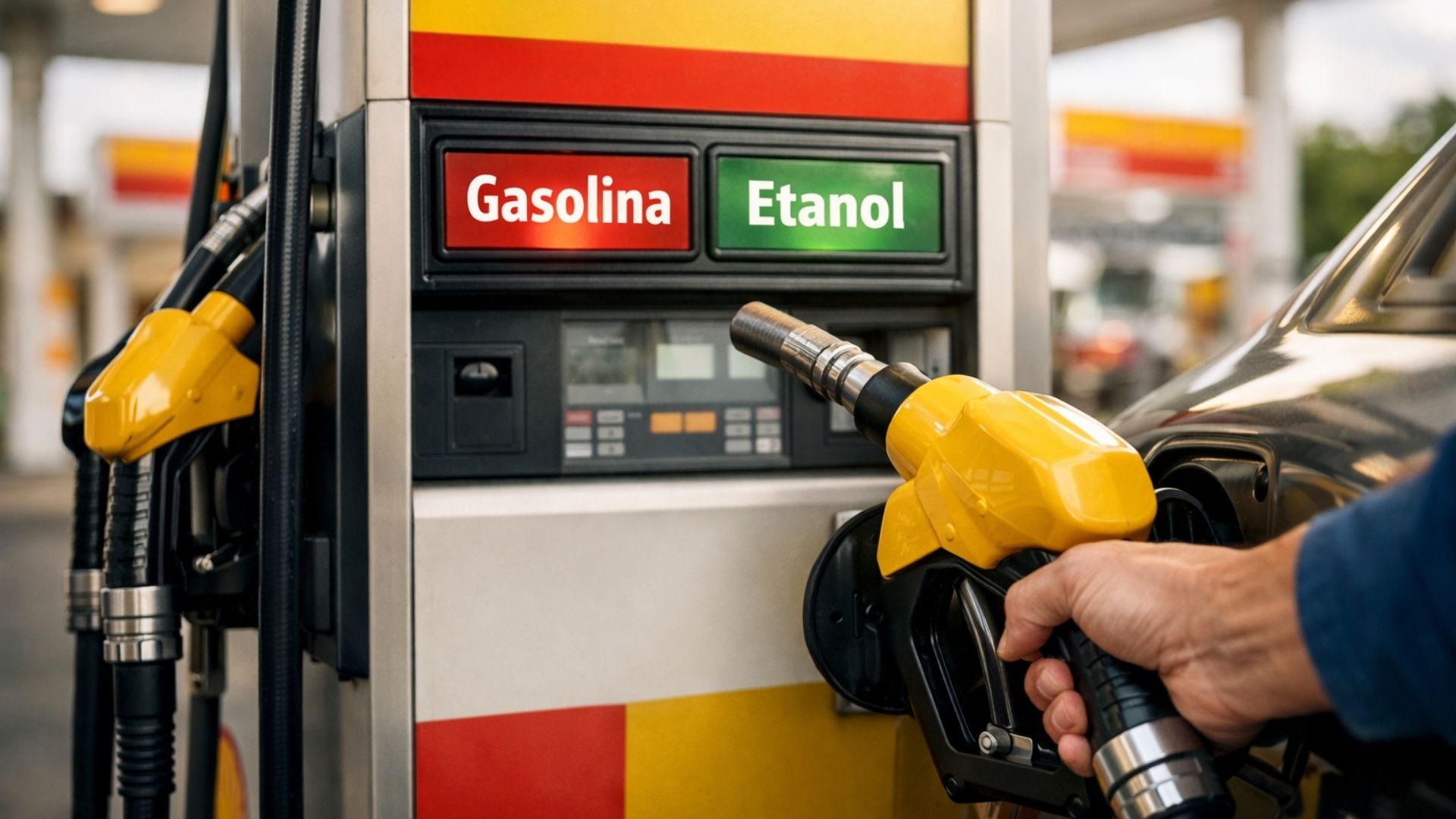
Gasoline prices soar and the question arises: is ethanol more advantageous? The 70% rule reveals the limit with gasoline.

With this, Sigma reaffirms its leadership position in the sector, while Brazil strengthens itself as a crucial supplier of strategic minerals. José Luís Gordon, director of Productive Development, Innovation and Foreign Trade at BNDES, emphasized that the investment positions the country as a key player in the global energy transition, increasing its relevance in the battery value chain.
Challenges and Opportunities in the Jequitinhonha Valley
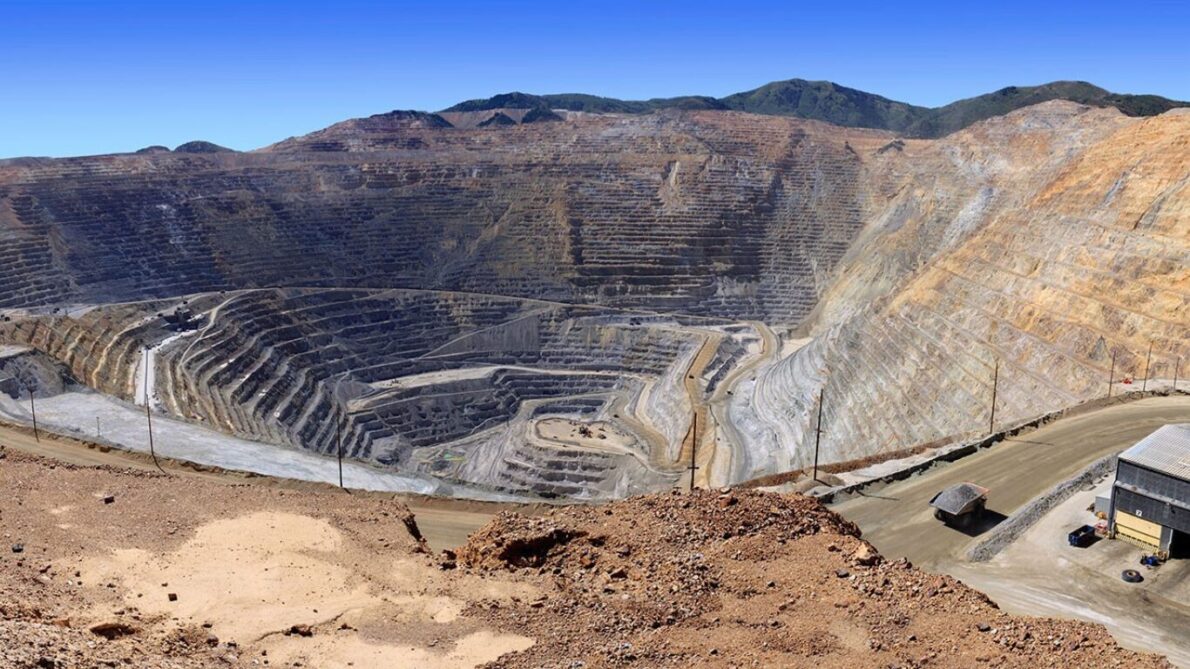
The operations of Sigma Lithium in the Jequitinhonha Valley, one of the poorest regions in Brazil, present a combination of challenges and opportunities. The company has the largest lithium reserve in the country and estimates that the mines in the area contain up to 27 million tons of spodumene, an essential ore in lithium extraction. This would ensure the continuity of operations for at least 13 years, consolidating the region as a strategic hub for lithium mining.
However, not everything is rosy. In recent months, Sigma’s shares have plummeted due to a nearly 90% drop in lithium prices in the international market, mainly due to a slowdown in electric vehicle manufacturing. “It’s that famous up and down that leaves anyone on edge,” could say an industry analyst. Even with these difficulties, Sigma continues to bet on the expansion and exploration of these mines, looking to the future with optimism.
Promising Future: Brazil as a Power in the Global Lithium Supply Chain
The financing approved by BNDES and the focus on increasing lithium production show that Brazil is not just sitting on its natural wealth, but is taking active steps to turn these reserves into high value-added products. Sigma, despite not producing lithium carbonate and lithium hydroxide – substances essential in battery production – is well positioned in the supply chain, selling all extracted lithium immediately after ore concentration.
The Ministry of Mines and Energy plans to launch a program later this semester to encourage the extraction and processing of critical minerals such as lithium, copper, and nickel, further strengthening Brazil’s position in the global market. With a future promising sustainable growth and an increasing share in the energy transition, lithium mining in Brazil is poised to play a fundamental role in the global economy. And, as always, with one eye on the present and the other on the future, Brazil moves steadily in the lithium race.







Por que não investir ns Avibras, uma empresa estratégica na defesa e segurança nacional.!?
E o brasileiro não tem nem hospital que presta para ir.tanto recurso que sai deste país abençoado mais o dinheiro vai para o bolso de políticos e o povo perece.
“Não se pode nacionalizar algo que já é propriedade do Estado. O que está acontecendo aqui é que o governo está procurando mecanismos para incorporar o setor privado na exploração de algo que é propriedade do Estado”. Investimento a médio prazo