Portuguese
  Spanish



With Large Reserves and Little Strategy, The Extraction of Minerals for Energy Transition Brings The Same Dilemmas as Other Exploratory Cycles
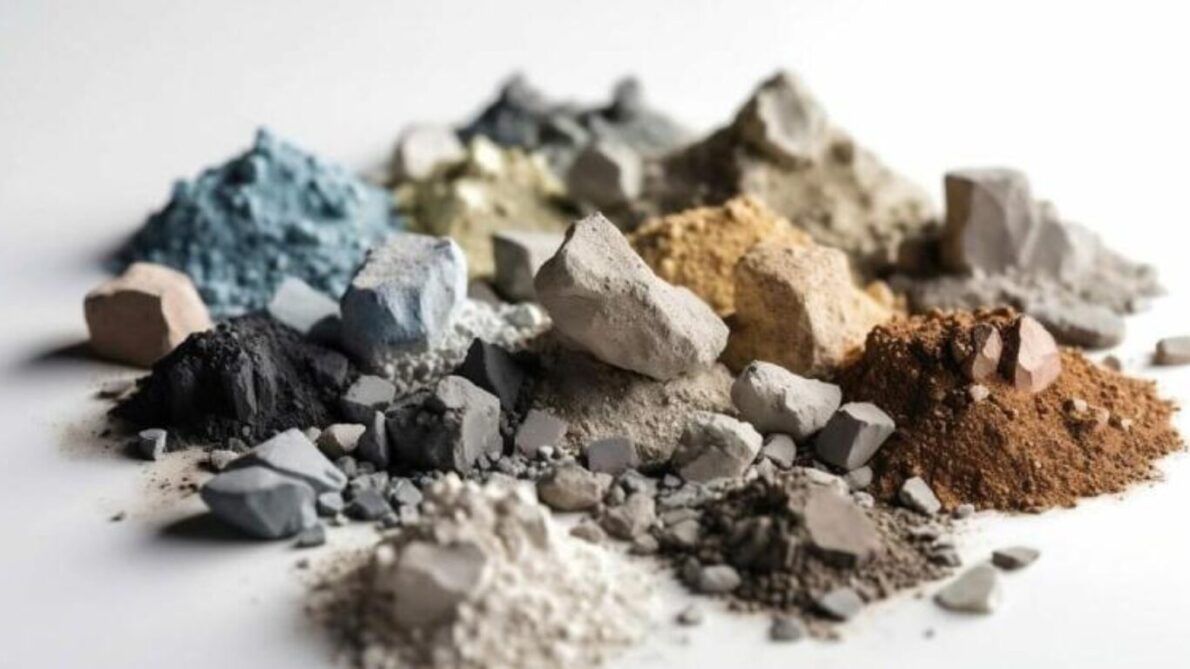
The so-called critical minerals, essential for the energy transition, are the new focus of major economic powers. Materials such as lithium, nickel, cobalt, copper, graphite, and rare earths have become vital for economic security and the transformation towards a low-carbon economy. Countries like China and the United States prioritize these minerals to ensure their economic security, while the European Union and Canada see them as the key to a sustainable future, according to the site jota.
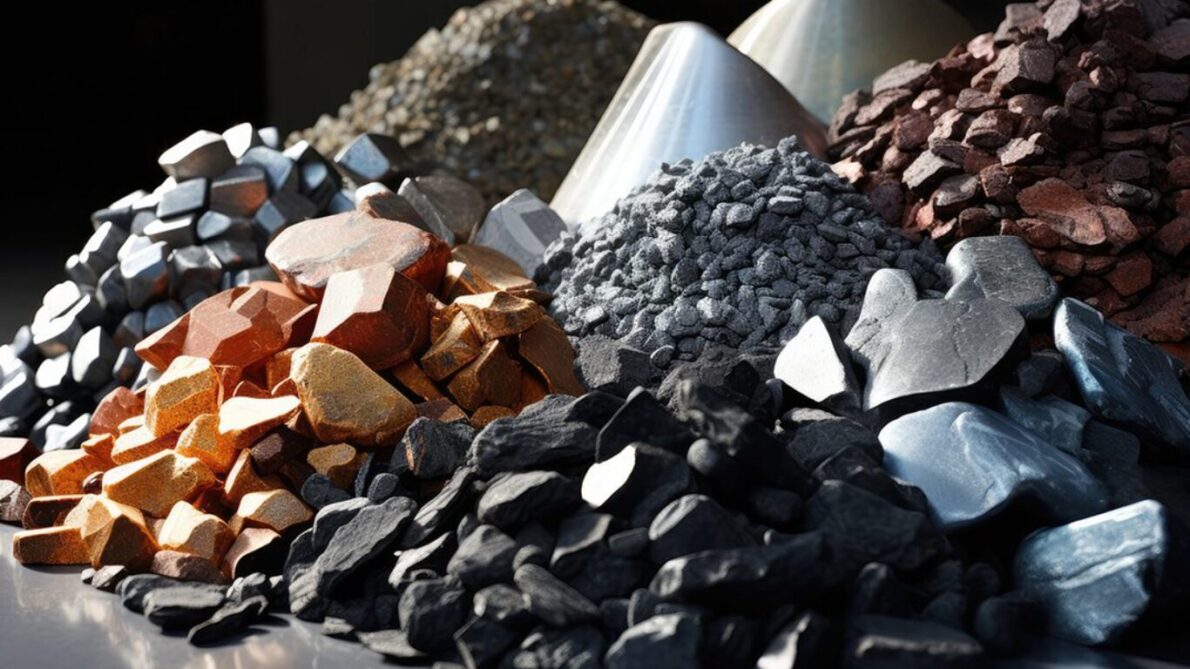
Brazil, with its vast reserves of niobium, graphite, rare earths, and nickel, is in a privileged position. The country holds 94.12% of global niobium reserves, 22.42% of graphite, 16.15% of rare earths, and 16% of global nickel. These natural resources, essential for the production of batteries and power transmission lines, position Brazil as a crucial player in the race for a green economy.
Challenges of a Familiar Problem: The Lack of Strategy and The Risk of Repeating Mistakes
Despite the immense potential, Brazil faces historical challenges in mineral exploration. The lack of a clear strategy and reliance on exporting raw materials without added value threaten to repeat the mistakes of previous exploration cycles. Elaine Santos, a researcher at USP, highlights the lack of cohesion between government, companies, and other actors in defining a national strategy. The country finds itself at a crossroads between following the traditional path of a major exporter of minerals or developing a local green industry that could ensure greater long-term economic development and create quality jobs.
-
The man who started in construction with his own house founded a company in 1957, went through a banking crisis in 1987, and ended up connected to 16,500 houses in Houston.

-
They exchanged the idea of a large house for a 35 m² warehouse, spent US$ 12,000 on the structure, and created a tiny house in Colorado with space to live and work.
-
While modern cities rely on pumps and electricity, in Iran, ancient tunnels carried water through the desert using only slope and gravity.
-
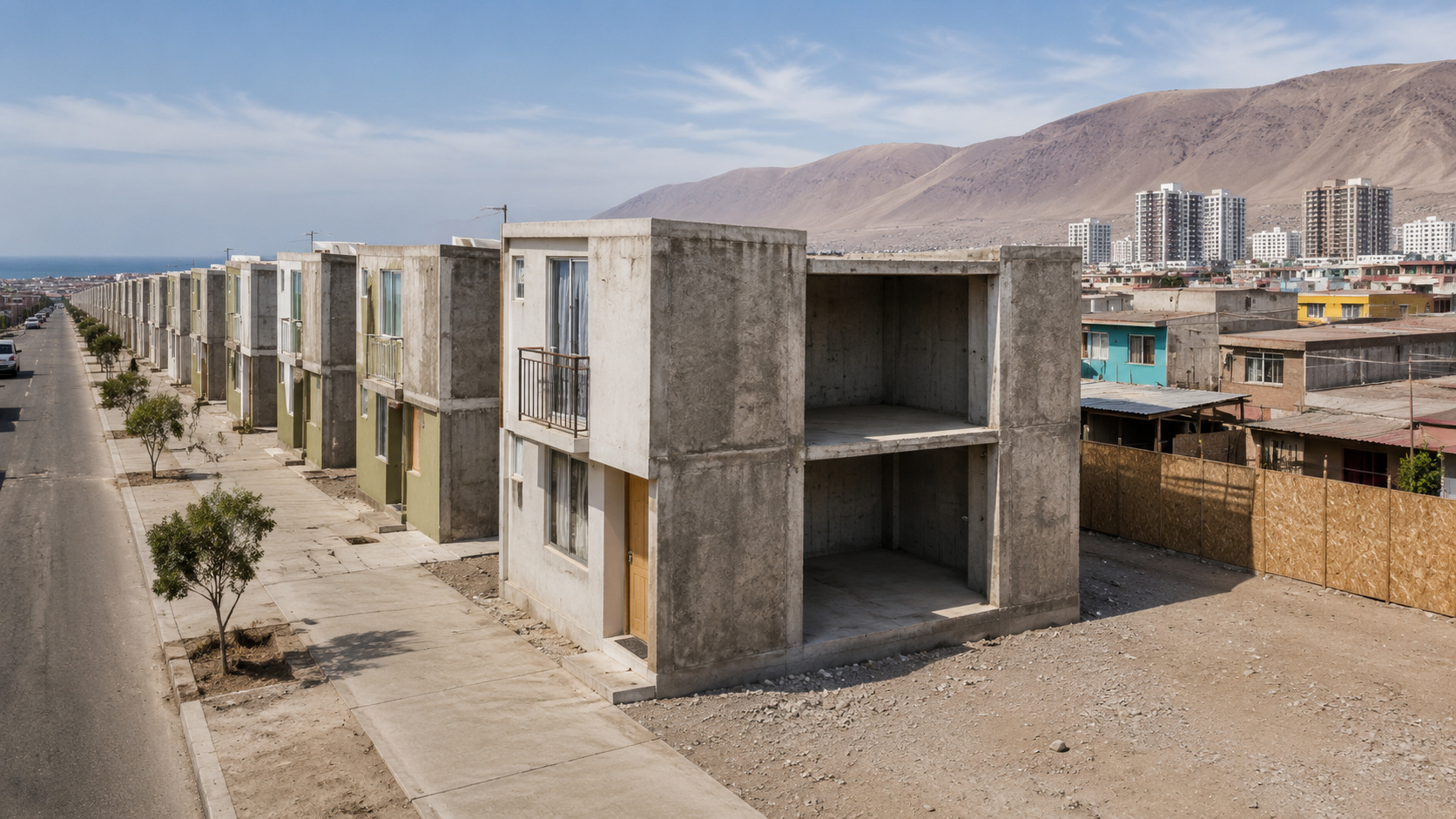
Instead of sending families far from the city, a project in Chile intentionally created incomplete houses on expensive urban land and left technical space for each to grow.


Additionally, the country’s geological knowledge is still limited. Only 48% of Brazilian territory is mapped, and the areas richest in minerals, such as the Amazônia, are the least studied. This situation hinders the efficient and safe exploration of deposits, raising risks for investors and the potential for environmental damage.
Risks and Regulation: Lessons from Past Disasters
Mineral exploration in Brazil carries a history of environmental disasters and regulatory failures. The dam failures in Mariana and Brumadinho and the collapse of rock salt exploration in Maceió highlight the sector’s fragilities. These events not only caused environmental destruction but also profoundly affected local communities, emphasizing the need for more stringent regulation and a sustainable model for the exploration of strategic minerals.
The pressure to explore sensitive regions, such as Indigenous Lands and Conservation Units, adds a layer of complexity to the challenge. Environmentalists warn of the need to protect these areas and implement stricter environmental licensing. However, the inclusion of projects in high-risk areas, such as gold exploration in the Volta Grande do Xingu, shows that the country still has a long way to go in balancing economic development with environmental and social preservation.
Brazil stands on the brink of a new era of mineral exploration, with the potential to lead the global energy transition. However, without a clear and sustainable strategy, it risks repeating the same mistakes of the past, where natural wealth benefited a few and left a trail of inequality and environmental degradation.