





 Portuguese
  English
  Spanish
  5 min of reading
  0 comments


BNDESPar Approved an Investment of R$ 85.8 Million in Bioo to Expand Biogas Production and Accelerate Sustainability Projects in Brazil, Boosting the Circular Economy and the Ecological Transition
The National Bank for Economic and Social Development (BNDES), through BNDESPar, announced an investment of R$ 85.8 million in Bioo, a Brazilian company specialized in transforming organic waste into biogas and high-value co-products. According to a report from Infomoney published this Monday (24), the investment was made through a subscription of shares, resulting in a stockholding of 19.9% in the company.
Why BNDESPar’s Investment Is Strategic for the Biogas Sector
The decision represents a significant step within the national strategy for strengthening the green economy, expanding clean energy infrastructure, and promoting sustainability in strategic sectors. The operation is also supported by the manager Flying Rivers Capital, which focuses exclusively on climate investments.
The announced investment is considered a milestone because it reestablishes BNDESPar in the market for equity investments aimed at innovation and green technologies. In recent years, the bank has prioritized projects related to decarbonization, energy efficiency, and sustainable infrastructure.
-
The Economist states that Brazil has a “secret weapon” against expensive oil and highlights how the country can reduce economic impacts even in international scenarios of high volatility.
-
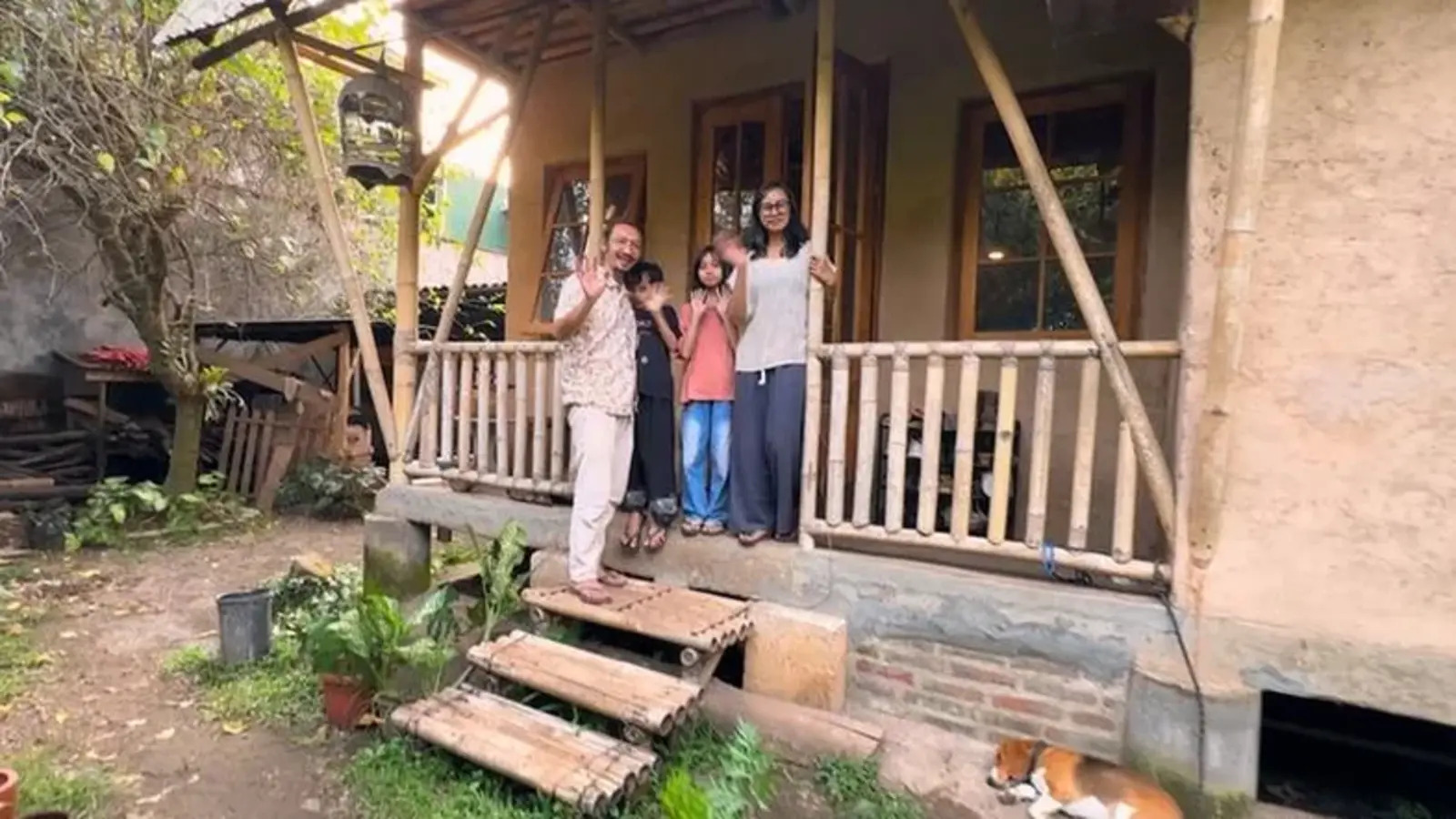
With earth, bamboo, straw, and lime mortar, a specialist builds a house for just over $460 and draws attention for its cost being much lower than traditional construction.
-
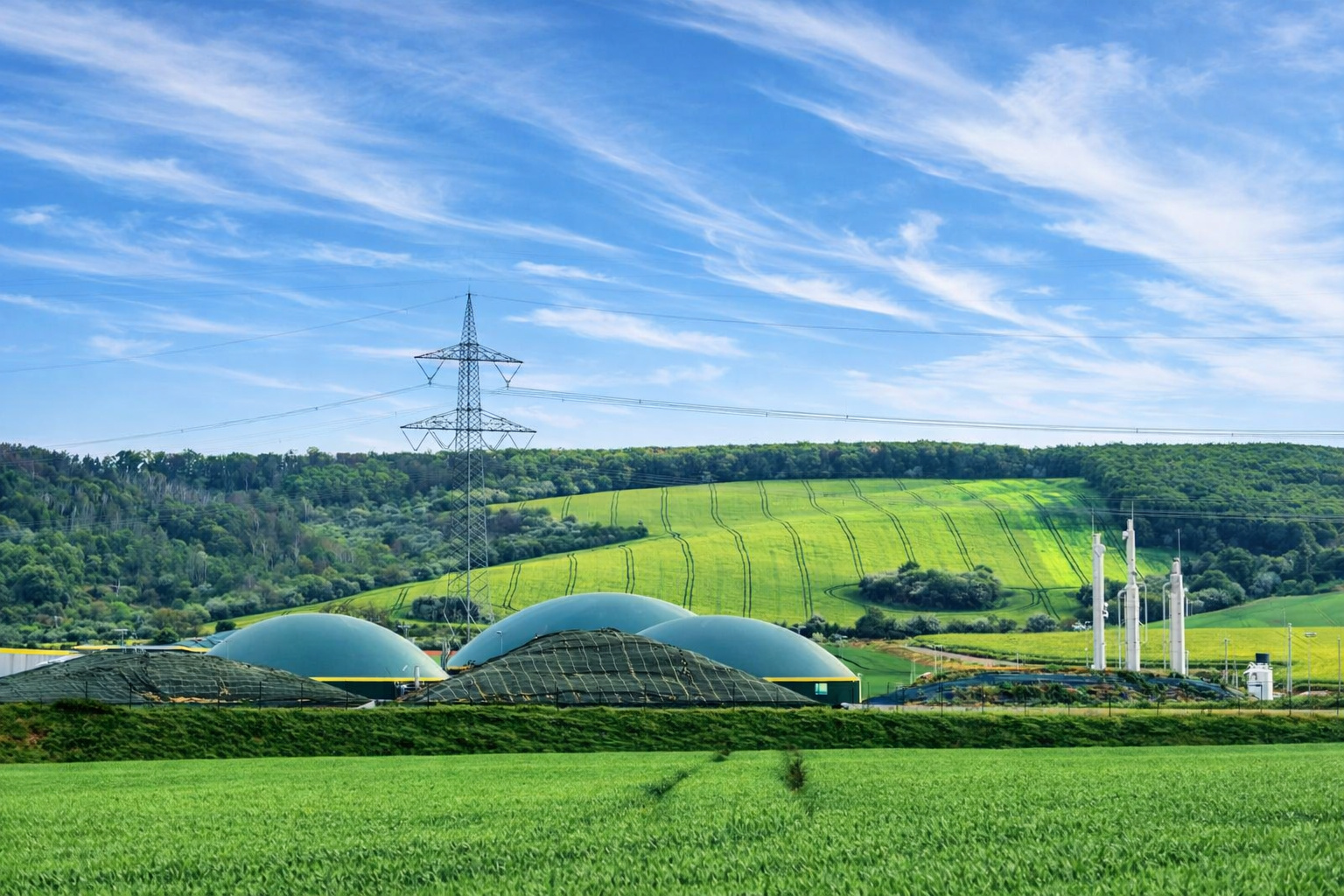
Brazil accelerates decarbonization in the South: International forum in Foz do Iguaçu gathers leaders to discuss the advancement of biomethane in the energy matrix and the potential of “caipira pre-salt.”
-
As diesel prices soar due to conflicts in the Middle East, a Brazilian city decides to test a little-known biofuel that promises to completely replace fossil fuel without adaptation and could change the future of energy in the country.
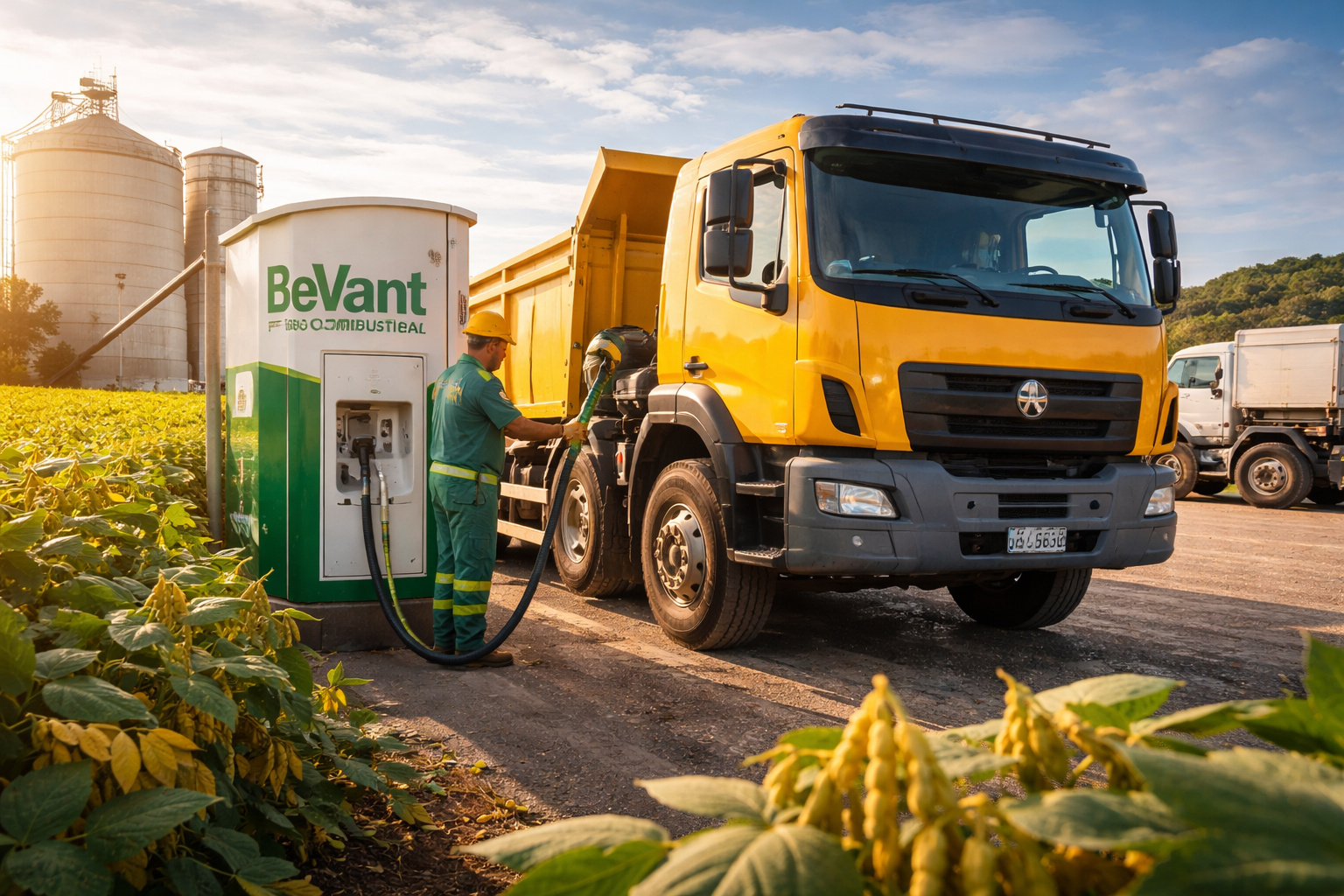

Moreover, the investment strengthens the biogas market, a renewable fuel produced from the controlled decomposition of organic waste. It can replace natural gas in various industrial and vehicular applications, contributing to the reduction of greenhouse gas emissions.
According to BNDES, the goal is to accelerate Bioo’s expansion plan, which foresees the implementation of new waste processing units and an increase in its renewable energy production capacity.
Bioo: National Technology at the Service of Sustainability
Bioo is one of the Brazilian companies that stand out in the sector of renewable energy applied to waste treatment. Its proposal follows the concept of biosolutions platform, integrating operational efficiency, innovation, and the reuse of by-products.
The company transforms agro-industrial waste into three main products:
- Biogas – renewable fuel that replaces natural gas.
- Food-grade biogenic CO₂ – used by beverage and food industries and industrial processes.
- Biofertilizers – applied in agriculture, closing the loop of the circular economy.
In addition to reducing improper disposal of organic waste, the model generates economic, environmental, and social value. Each Bioo plant can prevent significant annual emissions, reinforcing its positive impact on combating climate change.
The company’s first unit, located in Triunfo (RS), already operates with long-term supply contracts, including with regional renewable gas distributors.
Regulatory Environment and Incentive Policies for Biogas in Brazil
The investment occurs at a favorable time for the Brazilian energy sector. The approval of public policies such as the Future Fuel Law and new specific regulations for biogas have increased regulatory predictability.
These rules encourage:
- production of low-carbon fuels,
- replacement of fossil fuels in industrial fleets,
- expansion of sustainable production chains,
- integration of renewable energies into the national matrix.
This environment helps attract private capital and accelerate projects like those led by Bioo. BNDES itself has emphasized that biogas is one of the pillars of the energy transition, alongside green hydrogen and advanced biodiesel.
Additionally, Bioo is part of the Brazilian Platform for Climate Investments (BIP), which connects sustainable projects to sources of public and private financing, expanding the reach of sustainable investment in the country.
Expansion of Biogas Infrastructure in the Country
With the contribution from BNDESPar and Flying Rivers Capital, Bioo intends to build new Integrated Waste Treatment Centers (CTIR). These projects are based in regions with high generation of organic waste and an increasing demand for renewable energy.
The expected benefits include:
- greater supply of biogas,
- reduction of the volume of waste disposed,
- creation of direct and indirect jobs,
- development of local production chains,
- stimulation of national industry competitiveness.
According to Bioo, the expansion of plants will allow the transformation of waste previously discarded into valuable resources. In addition to the environmental impact, the advancement of CTIR contributes to a more efficient and competitive economy, with significant gains in productivity and technology.
BNDESPar Investment: Circular Economy and the Ecological Transition
Bioo’s business model is fully aligned with the circular economy, as it reuses waste that would otherwise be discarded to generate clean fuels. This process creates a sustainable cycle that benefits different sectors:
- agro-industry;
- energy sector;
- industries consuming CO₂;
- agribusiness through biofertilizers.
Furthermore, the use of biogas significantly contributes to the reduction of greenhouse gas emissions by replacing fossil sources and improving the environmental performance of industries and fleets.
BNDESPar’s investment strengthens a long-term vision: a more diversified, clean, and efficient Brazilian energy matrix. The production of biogas promotes energy security, reducing dependence on non-renewable sources and enhancing the country’s autonomy in biofuel production.
BNDES emphasizes that this type of initiative is part of the national strategy for industrial modernization and the pursuit of competitive energy, with economic and socio-environmental benefits.
Challenges and Points of Attention for the Future
Despite the high potential, there are important challenges:
- need for infrastructure for biogas distribution,
- efficient logistics for waste collection,
- regulatory variation between states,
- continuing need for financing for expansion,
- technological integration of new units.
Nonetheless, experts point out that the positive regulatory scenario, combined with high market demand for sustainable solutions, makes the sector one of the greatest opportunities for growth in the Brazilian green economy.
Strategic Relevance of the Investment for the Future of Clean Energy
The investment from BNDESPar in Bioo, formalized in November 2025, goes beyond a financial contribution. It represents a structural change in supporting clean technologies and reinforces the national commitment to sustainability, decarbonization, and the circular economy.
By accelerating the expansion of plants dedicated to biogas, the country strengthens its position as a global reference in renewable energy production based on waste. The operation also drives innovation, stimulates regional production chains, and enhances industrial competitiveness.









Seja o primeiro a reagir!