





 Portuguese
  English
  Spanish
 4 min of reading
  0 comments


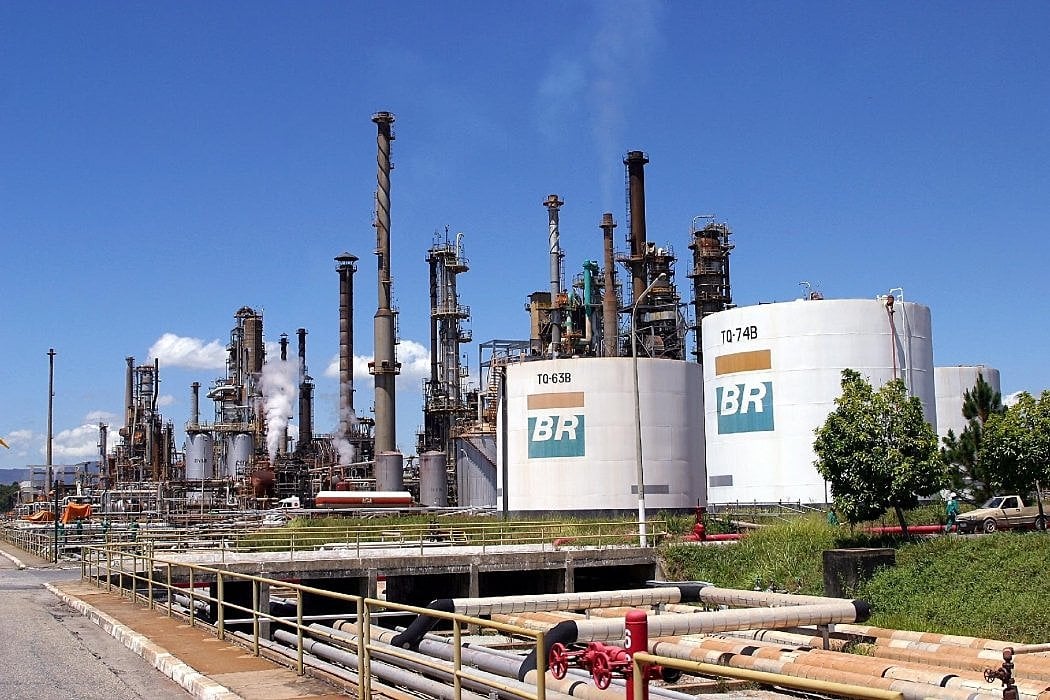
Pernambuco Governor Raquel Lyra Confirms Start of Historic Works at Abreu e Lima Refinery After Meeting With Petrobras
During a visit to Rio de Janeiro, Pernambuco Governor Raquel Lyra met with Magda Chambriard, President of Petrobras, to discuss strategic investments in the state, especially at the Abreu e Lima Refinery (RNEST), located in the Suape Port Complex.
The meeting brought to light the start of works on Refinery Train 2, expected to begin in the first half of next year, with support from the Government of Pernambuco on logistical and infrastructure issues, such as dredging the port.
“We expect that in the first half of next year the works will begin. We are already in talks with Petrobras about professional training and the role of the State Government, such as the dredging of the internal and external port, which was a commitment of the Government of Pernambuco since the beginning of the works on the first train of the Abreu e Lima Refinery,” emphasized Raquel Lyra.
-
The rise in oil prices could ensure an extra revenue of R$ 100 billion for the Federal Government, indicates a recent economic study.

-
Naturgy begins an investment of R$ 1.6 million to expand the gas network in Niterói and benefit thousands of new residences and businesses.

-
A major turn in the Justice system suspends tax increases and directly impacts oil and gas companies in Brazil by affecting costs, contracts, and financial planning, leaving uncertain what could happen to the sector if these costs had increased.

-
Brava Energia begins drilling in Papa-Terra and Atlanta and could change the game by reducing costs in oil while increasing production and strengthening competitiveness in the offshore market.


Since the start of operations of RNEST in 2014, the complex has played a strategic role in national refining, particularly in diesel production.
The refinery, which currently processes 100,000 barrels of oil per day, is prepared to expand this capacity with Train 1, which will operate with 130,000 daily barrels.
This modernization is expected by the end of 2024, with a direct impact on the Brazilian market, increasing the supply of S10 diesel, a crucial fuel for national logistics.
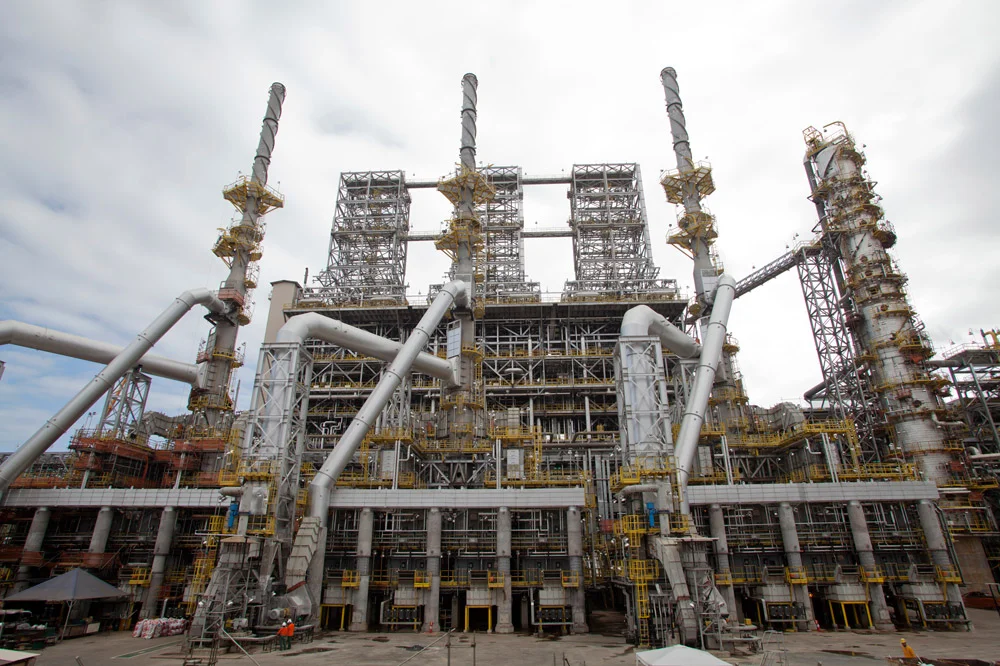
The Importance of the Expansion Project
The RNEST expansion plan is part of the new Growth Acceleration Program (PAC) and Petrobras’s Strategic Plan 2024-28, with an investment forecast of around US$ 17 billion to increase national refining capacity.
The construction of Train 2 is one of the central points of this planning, and when completed, will raise the refinery’s capacity to 260,000 barrels per day, more than double the current capacity. This represents a significant increase in diesel and other derivatives production, reducing the need for imports and increasing the supply of low-sulfur fuel.
With this expansion, it is estimated that Abreu e Lima’s diesel production will increase its share from 6% to 10% of the national production, a leap that will bring direct economic benefits to Pernambuco and the country.
Additionally, around 10,000 direct and indirect jobs will be created during the construction period, strengthening the regional economy and contributing to local development.
Pernambuco as a Refining Hub in the Northeast
The strategic location of RNEST in Suape allows easy access to consumer markets by cabotage, making the refinery one of the main distribution centers for fuels in the North and Northeast.
According to Jean Paul Prates, President of Petrobras, the implementation of Train 2 will enable an increase in the production of derivatives such as gasoline, LPG, naphtha, and especially S10 diesel, a fuel that has low sulfur content and is less polluting. This initiative reduces the need for imports, providing greater energy security and savings for Brazil.
Another relevant aspect is the cutting-edge technology of RNEST. The refinery has the highest level of automation and one of the highest crude oil conversion rates to diesel in the country, achieving 70% efficiency in this process. This high index is essential to meet the growing market demand for fuels, especially diesel, which drives the circulation of goods across the country.
Sustainable Advances and Environmental Benefits
RNEST was designed with a focus on sustainability. The refinery incorporates technologies that respect the environment and prioritize operational safety. With a modern structure and high level of automation, the unit is a reference in energy efficiency, with low maintenance costs and resource consumption.
This environmental responsibility is essential to ensure that the expansion occurs sustainably and that the new processes meet environmental regulations and international standards.
In addition to technological innovation, RNEST has optimized processes for water use and promotes resource reuse, which reduces the environmental impact of operations. The expansion, in addition to increasing production, will bring even more advances in this sense, consolidating the refinery as one of the most modern and sustainable in Brazil.
Employment and Professional Qualification
Governor Raquel Lyra emphasized the importance of professional qualification for Pernambucans to ensure that the jobs generated by RNEST’s expansion benefit the local population. The government is in talks with Petrobras to implement training and qualification programs that enable workers to meet market demands.
These initiatives are essential for the jobs created by the construction to have a lasting impact and contribute to regional development.
With a forward-looking approach, the expansion of RNEST represents a solid partnership between the Government of Pernambuco and Petrobras. The refinery’s expansion will strengthen the national energy sector, reduce dependence on imports, and promote local economic growth.
For Pernambuco, this is an opportunity to establish itself as a center of innovation and development, with concrete benefits for the population.










Seja o primeiro a reagir!