





 Portuguese
  English
  Spanish
  5 min of reading
  0 comments


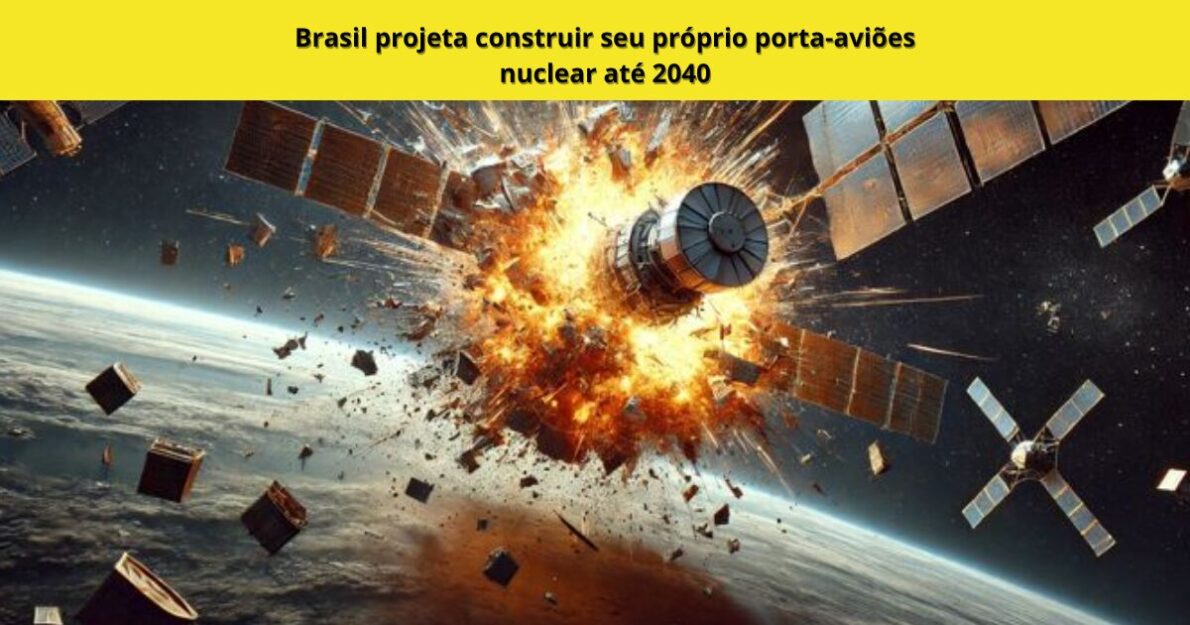
After the Explosion of a Satellite Manufactured by Boeing in Space, the American Giant Faces Another Challenge in 2024. Amid Controversies with the Starliner Spacecraft and Strikes, Boeing Tries to Understand the Incident and Restore Services for Intelsat Customers. The Crisis Exposes Serious Problems and Raises Questions About the Company’s Leadership in the Aerospace Sector.
A new setback puts Boeing at the center of yet another crisis in 2024. This time, the explosion of a company satellite on Saturday (19) increases the pressure on the American aerospace giant, which has already been facing a year of instability.
While Boeing’s commercial aviation division tries to overcome strikes and recurring technical issues, incidents are also piling up in the company’s space sector, which has been embroiled in controversies since the failures of the Starliner spacecraft.
The explosion occurs amid concerns over safety and reliability, rekindling the discussion about the impact of its failures on clients and global markets.
-
Classified as a “amphibious monster” weighing 555 tons, 57 meters long, and featuring three propellers with a diameter of 5.5 meters, the Zubr is the largest military hovercraft ever built, capable of transporting 3 tanks or 500 soldiers at speeds exceeding 100 km/h over water, ice, and sand, and China has resumed production of it to project power in the South China Sea.

-
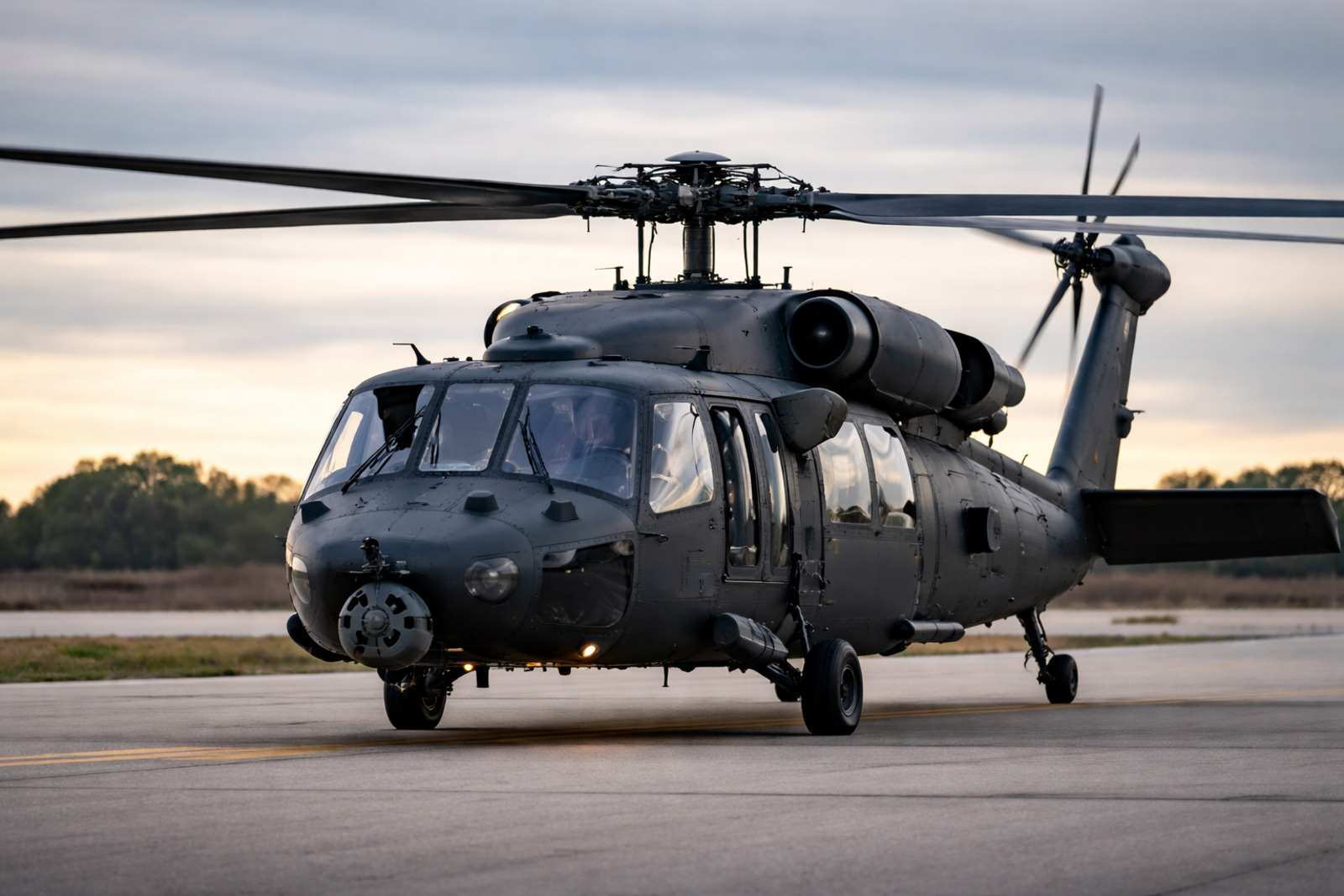
The U.S. Army receives the first Black Hawk helicopter that can fly without pilots, be controlled by a tablet, and even land on its own during high-risk missions.
-
With 11,000 tons and sensors capable of hunting submarines at long distances, the Type 055 has become one of the most feared floating arsenals of the Chinese navy.

-
With over 15,000 tons, radars capable of tracking hundreds of targets simultaneously, and more than 120 missiles ready for launch in seconds, modern destroyers cease to be escorts and begin to dominate the naval battlefield.

Satellite Explosion and Impact in Space
According to official information, an “anomaly” caused the explosion in geostationary orbit of the IS-33e satellite, manufactured by Boeing and owned by Intelsat, a satellite communication service provider.
The U.S. Space Force, responsible for monitoring space objects, stated that it is tracking at least 20 fragments of the satellite, which now drift through space after the incident.
According to a statement from Intelsat released on Monday (21), the “total loss” of the satellite due to the anomaly is already being compensated by an emergency plan for migration and restoration of services for affected consumers.
The company indicated that the plan involves not only its own fleet of satellites but also those of third-party companies, aiming to minimize the impact on customers in Europe, Africa, and Asia, the primary areas of operation for the IS-33e.
The IS-33e Satellite: Mission and Previous Failures
According to the UOL portal, the IS-33e, manufactured and launched by Boeing in 2016, is part of the EpicNG platform, considered by Boeing a “new generation” of high-capacity satellites for large-scale communications. Weighing over 6.3 tons, the satellite aimed to provide advanced broadband internet and mobile communication services to users and businesses in various regions of the globe.
However, the history of the IS-33e has already recorded failures: in 2017, Intelsat reported issues that required more fuel than initially projected to maintain the satellite’s orbit.
The need for extra fuel was an indication of a structural failure that raised concerns at the time about the satellite’s durability.
This failure, combined with the new incident, raises questions about the reliability of Boeing’s EpicNG satellites, especially regarding their operational efficiency and customer safety.
Possible Causes and Analysis of the Incident
The exact cause of the IS-33e explosion has not yet been confirmed, but experts point to two main hypotheses: manufacturing defects or the possibility of collision with space debris or micrometeoroids.
However, Intelsat did not detail the specific cause, only stating that it will conduct a comprehensive analysis to understand what triggered the incident.
“This type of failure in orbit is a risk that companies face, especially in the case of long-lasting satellites,” stated a specialized source.
In addition to collaborating with Intelsat, Boeing is also working alongside government agencies to compile data and observations that clarify the circumstances of the explosion.
Boeing’s Challenging Year in 2024
The year 2024 has not been easy for Boeing, which, in addition to its operations in the aerospace sector, faces significant challenges in commercial aviation.
The Starliner spacecraft, also developed by Boeing and intended to meet NASA’s commercial transportation needs for astronauts, continues to face problems with its propulsion system.
These failures delay the delivery of a high-priority project for the Artemis missions, a NASA-led space exploration program.
The situation is compounded by strikes impacting Boeing’s commercial aviation division, highlighting a broader crisis plaguing various areas of the company.
On the ground, incidents continue to test consumer and regulator confidence, such as the recent case of an airplane that lost a door mid-flight in January 2024.
These episodes accumulate pressures on Boeing’s image and credibility, as it grapples with the repercussions of its technical and operational errors.
The Impact on the Telecommunications Sector
The loss of a satellite like the IS-33e affects not only Boeing and Intelsat but also raises a critical issue for the telecommunications sector.
Communication infrastructure increasingly relies on modern satellites to enable high-speed data transmission and ensure stable internet services.
In light of this new incident, the market is closely watching Boeing’s response and Intelsat’s actions to replace or compensate for the IS-33e failure.
As reported, Intelsat is already working on alternatives to restore interrupted services, relying on third-party support to maintain service integrity for users while continuing with the problem analysis.
The communications sector hopes for a swift resolution, but the prospect of further failures adds additional pressure on companies and raises concerns about the quality and reliability of high-tech equipment.
Uncertain Scenario and Future of Boeing
The explosion of the IS-33e serves as yet another warning about the consequences of errors and the lack of quality in products from companies in the aerospace industry.
For Boeing, a company that has long been synonymous with innovation and safety, each new failure undermines its market position and increases questions about its future, especially in the space sector.
With the issues surrounding Starliner and the quality concerns in the production of rockets for NASA, Boeing has a long road ahead to regain the trust of its customers and regulatory bodies.
What will be the impact of so many accumulated problems on Boeing’s ability to lead the global aerospace sector?









Seja o primeiro a reagir!