





 Portuguese
  English
  Spanish
  4 min of reading
  0 comments


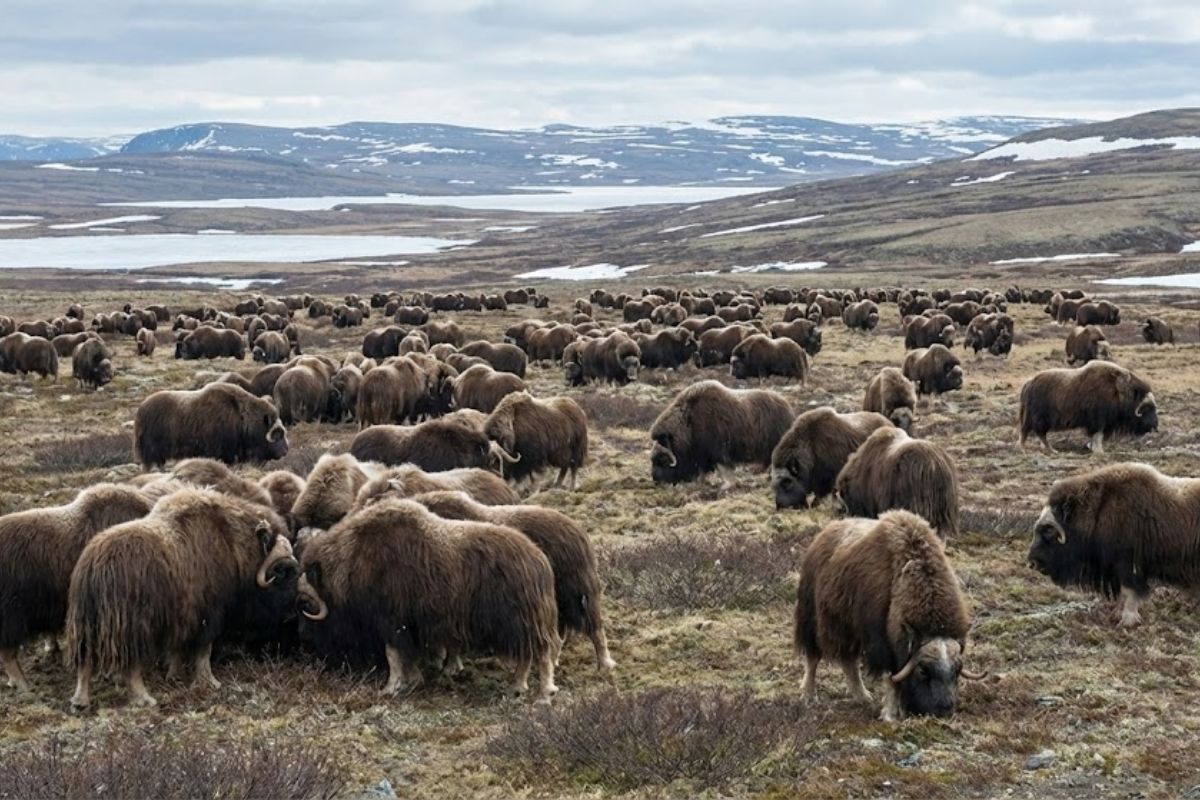
The Reintroduction of Musk Oxen in the Arctic Tundra Transformed Degraded Areas into Functional Prairies, Altered Snow Dynamics, Stabilized Permafrost, and Began Generating Measurable Climate Effects Observed by Satellite in Arctic Regions Within a Few Years
The musk oxen have returned to occupy strategic regions of the Arctic tundra after reintroduction and population expansion projects conducted in various areas of the Arctic. A few years later, scientists began to observe profound changes in the soil, vegetation, and snow behavior during winter, with direct impacts on the stability of the permafrost.
The continuous presence of musk oxen altered physical and biological processes in the Arctic ecosystem. The soil began to stay frozen for longer periods, the vegetation profile changed, and areas previously classified as carbon bogs started to behave like productive prairies, with effects detectable even by satellite imagery.
Musk Oxen Change Snow Dynamics in Winter

During the winter, musk oxen trample the snow intensely while they move and search for food.
-
Italian researchers have detected what appears to be a second Sphinx buried under the sands of Egypt, and satellite scans reveal a gigantic underground megastructure hidden beneath the Giza Plateau for over 3,000 years.

-
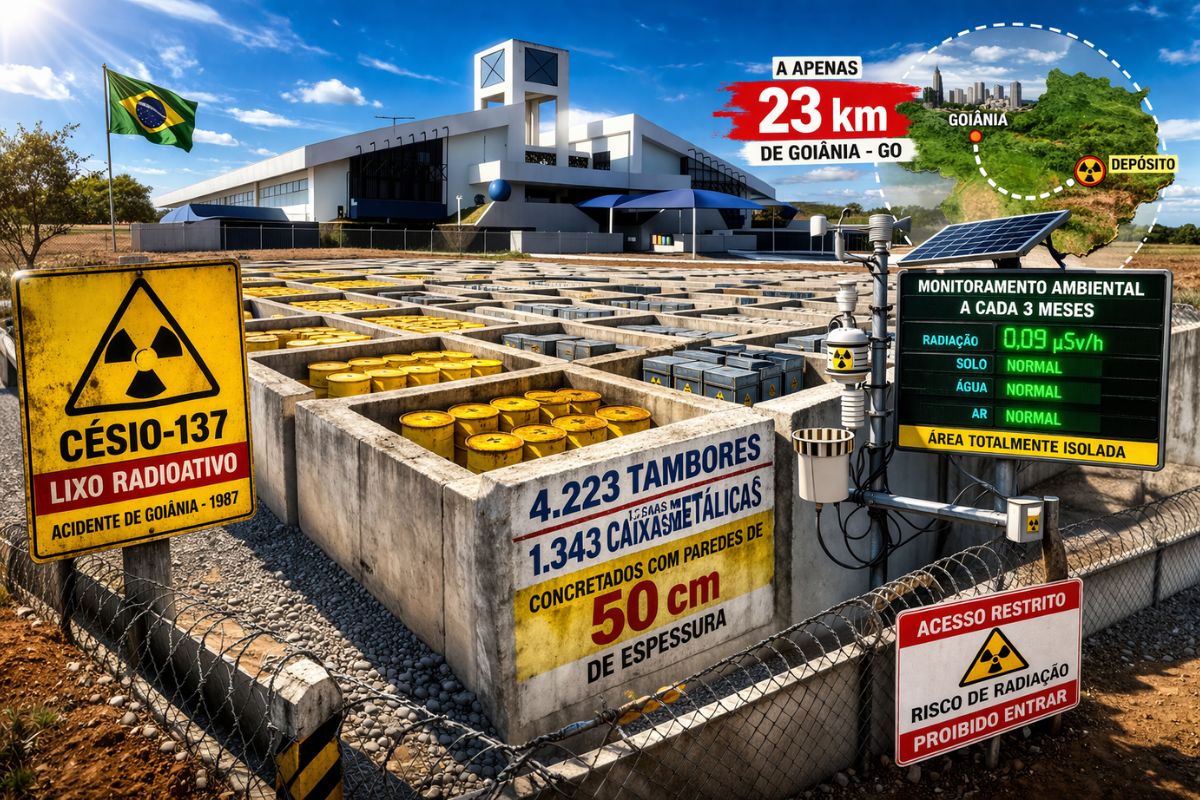
There are 4,223 drums and 1,343 metal boxes concreted with 50-centimeter walls that store the radioactive waste from Cesium-137 in the worst radiological accident in Brazil, just 23 kilometers from Goiânia, with environmental monitoring every three months.
-
Giant Roman treasure found at the bottom of Lake Neuchâtel in Switzerland reveals an advanced trade system, circulation of goods, and armed escort in the Roman Empire about two thousand years ago.

-
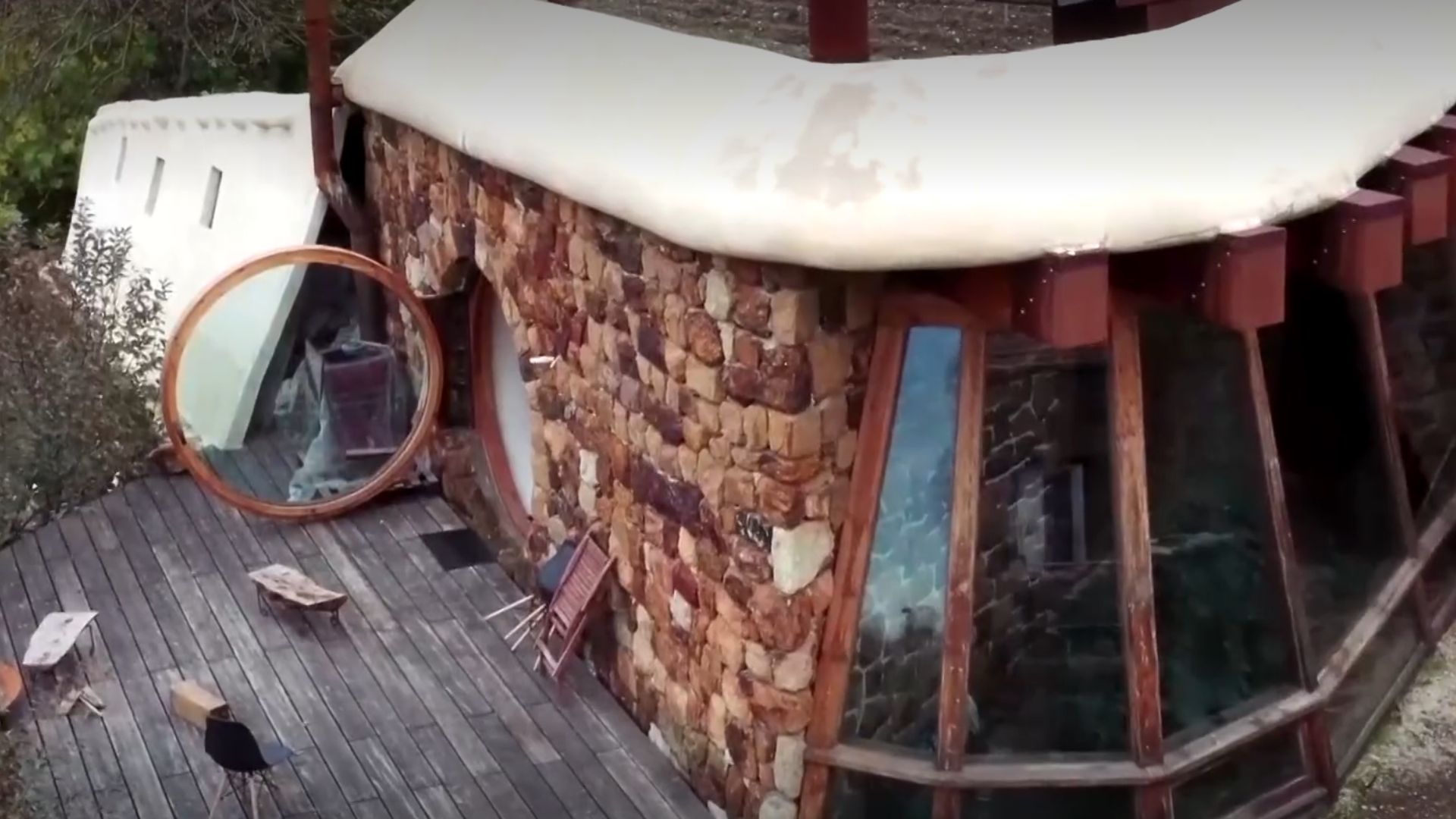
He buried 1,200 old tires in the walls to build his own self-sufficient house in the mountains with glass bottles, rainwater, and an integrated greenhouse.
This trampling compacts the surface layer, reducing its thermal insulation capacity. As a result, the extreme cold of the air penetrates the soil more efficiently.
This process causes the permafrost to remain frozen for a longer time.
The snow ceases to function as a thermal blanket, allowing subzero temperatures to reach deep layers of the soil, reducing the risk of thawing and the release of greenhouse gases.
Stabilization of Permafrost and Containment of Climate Gases

The actions of musk oxen have a direct effect on the stability of the permafrost, which stores large amounts of carbon and methane.
By keeping the soil frozen, the biological process induced by the animals prevents these gases from being released into the atmosphere.
The stabilization of the permafrost reduces the transformation of tundra into waterlogged areas rich in unstable carbon.
The ecosystem begins to function as a more predictable climate system, with a lower contribution to global warming.
Transformation of Vegetation in the Arctic Tundra
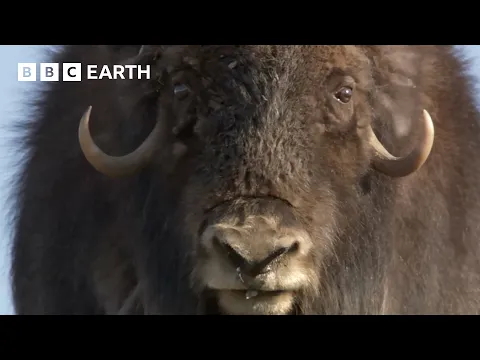

The continuous grazing by musk oxen alters the plant composition of the tundra.
Low shrubs, mosses, and heat-retaining species no longer dominate the environment, making way for cold-adapted grasses and sedges.
This change increases local biodiversity and enhances plant productivity.
The prairies reflect more sunlight than shrubby areas, increasing the surface albedo.
The soil absorbs less heat, contributing to regional cooling.
Carbon Sequestration Driven by Musk Oxen
By favoring grasses and low vegetation, musk oxen enhance the carbon sequestration capacity of the tundra.
The active vegetation absorbs CO₂ from the atmosphere during the short Arctic summer and maintains it stored in the frozen soil.
This mechanism transforms previously degraded regions into efficient carbon sinks.
The tundra ceases to be a potential source of emissions and begins to contribute to climate mitigation on a regional scale.
Where Musk Oxen Were Reintroduced
The reintroduction and monitoring projects for musk oxen are concentrated in strategic areas of the Arctic.
In Russia, Siberia hosts initiatives such as the Pleistocene Park in the Republic of Yakutia, as well as the Taimyr Peninsula and Wrangel Island.
In Alaska, populations were reestablished after nearly disappearing in the 19th century. In Scandinavia, groups live in areas of Norway and Sweden.
These regions serve as natural laboratories, where ecological effects are closely monitored.
Ecosystem Engineering and Natural Soil Fertilization
Musk oxen act as true ecosystem engineers.
In addition to trampling snow and selective grazing, their excrement enriches poor soils, accelerating the nutrient cycle in environments where decomposition is slow.
This process improves soil quality, promotes plant growth, and sustains local food chains.
The ecosystem reorganizes from the bottom up, with lasting impacts.
Climate Challenges Faced by Herds
Despite positive results, musk oxen face increasing challenges.
More unstable winters cause episodes of rain on snow, forming ice layers that hinder access to food.
In some regions, management needs to be adjusted to ensure the survival of the herds.
Climate success depends on the resilience of these animals in the face of rapid changes in the Arctic.
Next Phase of Projects in 2026
In 2026, the projects with musk oxen will enter a phase of expansion and technological consolidation.
New areas in Alaska will start replicating the model of Pleistocene Park, with fences, soil sensors, and high-resolution monitoring.
Data collected will begin to integrate global climate reports, using musk oxen as a reference for natural mitigation.
The reintroduction will cease to be an isolated experiment and will become part of global rewilding strategies.
With visible changes in soil, vegetation, and even satellite images, do you believe that musk oxen can become a large-scale climate tool to protect the Arctic in the coming decades?










-

-

-

12 pessoas reagiram a isso.