





 Portuguese
  English
  Spanish
  5 min of reading
  0 comments


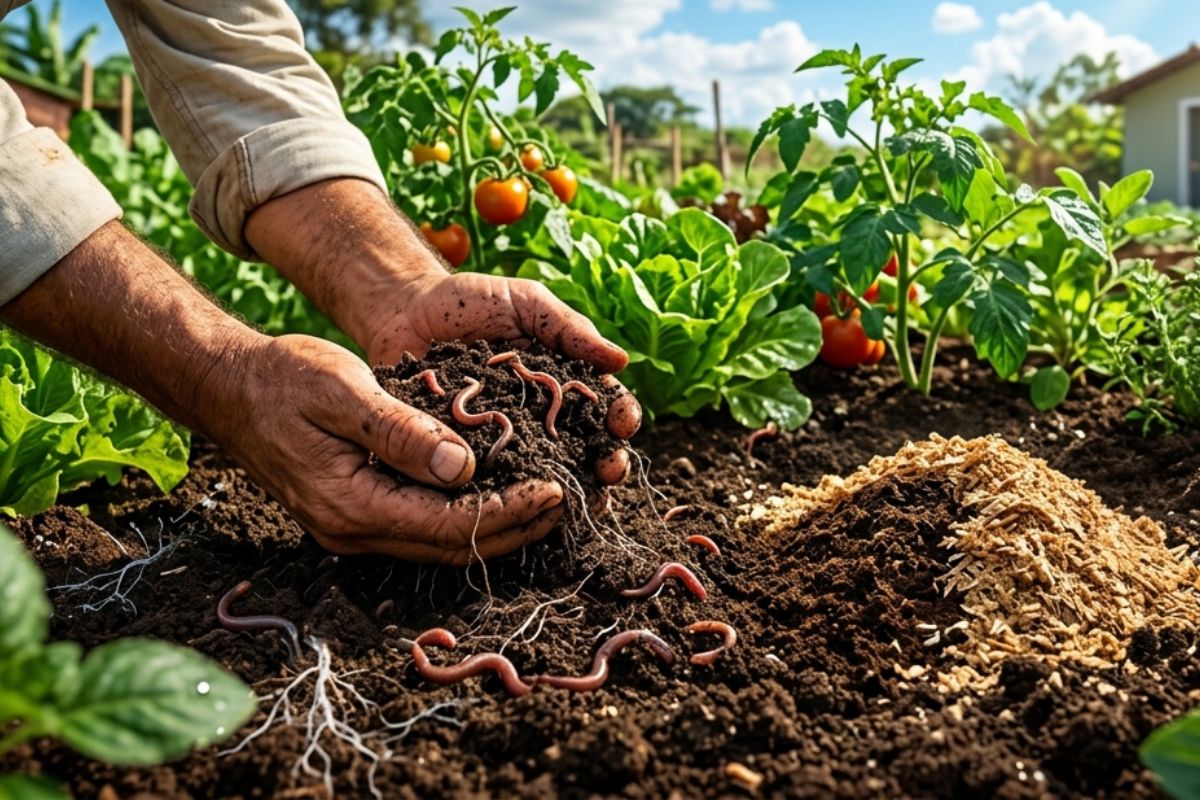
Fermentation in bokashi activates microorganisms and earthworms, improves pH and moisture retention, releases nutrients gradually and also helps to prevent pests and diseases in plants
The controlled fermentation of bokashi has transformed an ancient Japanese technique into one of the most complete organic fertilizers for those looking to recover and enrich the soil. Unlike conventional fertilization, bokashi acts as a life booster in the soil, stimulating beneficial microorganisms and mesofauna, such as earthworms, which directly participate in the structure and fertility of the soil.
This fermentation does not deliver nutrients all at once, as happens with many ready-made products. It works in stages, gradually releasing nutrients, correcting acidity, increasing porosity, and enhancing moisture retention. The result is a more balanced, more stable soil with more resilient plants, including against pests and diseases.
What is bokashi and why does fermentation make such a difference
Bokashi is an organic compound obtained through controlled fermentation of a mixture that involves vegetable meals and cakes, which may include animal-derived flours and rock powders.
-
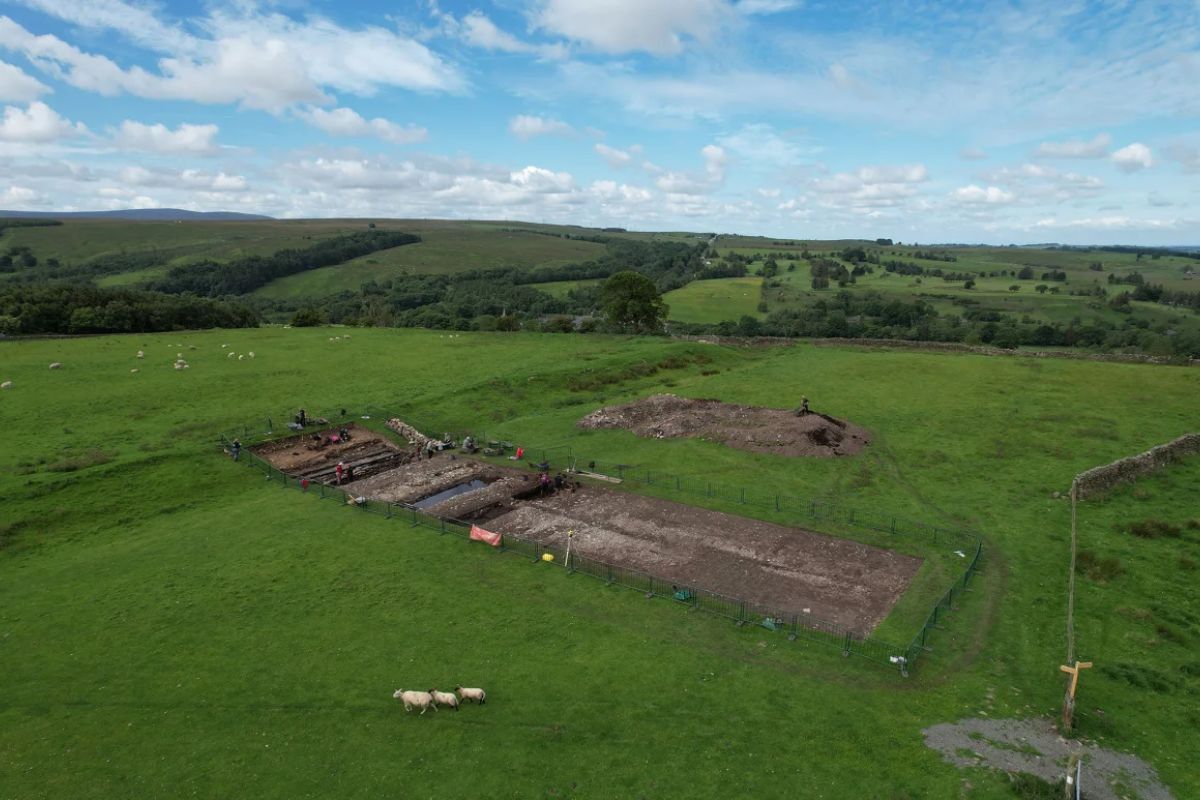
Archaeologists found giant shoes over 30 centimeters near Hadrian’s Wall that survived nearly two thousand years buried and now raise a mystery: who were these Roman soldiers so different from the others?
-
Meta’s new smart glasses are not just for seeing; they use artificial intelligence, analyze your food, summarize messages, and can even change the way you work in professions like engineering.

-
According to an analysis by NASA, only one human-made structure is visible from space, and it is not the Great Wall of China or the Pyramids of Egypt.

-
After 377 years of history, the Brazilian Army will have its first female general: Colonel Claudia Cacho has been promoted to brigadier general by Lula and will receive the sword and command baton this Wednesday in Brasília.


The central point is that it is not just about mixing fertilizer. The fermentation process is the engine of bokashi, because it directs decomposition along a beneficial path, with high microbiological activity.
When done correctly, bokashi improves the chemical, physical, and biological fertility of the soil. This means that it not only acts on what the plant absorbs but also on the structure of the earth and the invisible ecosystem that supports root growth.
Fermentation activates microorganisms and earthworms and accelerates soil recovery
One of the most valuable advantages of bokashi is the recovery and stimulation of the development of microorganisms and mesofauna in the soil, such as earthworms. These organisms improve soil structure and help transform organic matter into available nutrients, creating a more fertile and stable environment.
Additionally, bokashi contains and stimulates bioactive substances, such as enzymes, that favor root development. In practice, the plant starts to explore the soil better, gaining strength and increasing its ability to resist common garden stresses, such as moisture variations and pest attacks.
Nutrients released gradually and more balanced pH
Another highlight of fermentation in bokashi is the way nutrients become available to the plant. The compound promotes fertilization through organic and chelated nutrients that are released gradually.
This reduces peaks and drops in availability, something that usually happens when only fast-release fertilizers are used.
Bokashi also improves the soil’s pH, correcting acidity. In home gardens, this detail makes a big difference because overly acidic soil can hinder the absorption of certain nutrients, even when they are present. When the pH improves, the plant can better utilize what already exists in the soil.
Moisture retention and looser soil for roots
The controlled fermentation also impacts the physical characteristics of the soil. Bokashi makes the earth more aerated and porous, with a greater capacity for moisture retention. This means less compaction and more water available for longer, which reduces water stress, especially in hot periods.
For gardens and yards, this gain is practical. More porous soil facilitates root penetration, improves air exchange, and reduces waterlogging that favors fungi and rot.
Fermentation helps to prevent pests and diseases
Bokashi is also associated with the control and prevention of plant pests and diseases. This does not mean absolute shielding, but a well-known indirect effect: when the soil is biologically healthy, the plant tends to be more vigorous and less vulnerable.
Furthermore, the presence and stimulation of beneficial microorganisms can reduce space for unwanted agents to establish themselves easily. In a home garden, this translates to fewer losses and less need for aggressive interventions.
The role of yeast in bokashi and why it defines success
The most critical ingredient for the fermentation of bokashi is yeast, a mixture of beneficial bacteria and fungi that conduct the process in a controlled manner. The goal is to achieve essentially lactic fermentation, which produces acids. Therefore, using the correct microorganisms is essential.
Among the yeast options are the so-called Effective Microorganisms, a compound with groups such as yeasts, actinomycetes, lactic bacteria, and photosynthetic bacteria. Another alternative is kefir, a culture of microorganisms that can be activated and used in the process.
Aerobic bokashi and anaerobic bokashi: two fermentations with different results
There are two main types of bokashi, and each works with fermentation in a distinct way.
In aerobic bokashi, the mixture is placed in rows or piles and is turned frequently to avoid excessive heating. In this process, it is normal for surface fungi to appear, creating a whitish layer.
In anaerobic bokashi, fermentation occurs in the absence of air, in well-sealed containers, such as buckets. This method better preserves nutrients and takes 15 to 21 days to be ready, provided the mixture does not come into contact with air during the process.
The practical difference is simple: one is faster and requires constant management; the other requires sealing and patience, but tends to preserve nutrients better.
How to identify if the fermentation worked
The finished bokashi should have a sweet and acidic smell, similar to silage. If it has a bad, rotten smell, it should not be used.
The smell serves as an immediate alert because it indicates whether the fermentation followed the correct path or if there was contamination and rot.
This care is essential because bokashi is a living compound. The goal is not to rot organic matter, but to conduct a controlled fermentation that results in a biologically active and safe fertilizer.
Why bokashi became an ally of the modern garden
What made bokashi gain traction is that it delivers multiple effects at once. It nourishes, corrects, structures, and protects, without relying on aggressive fertilization.
For those who cultivate a garden at home, this means more consistent plants, less stress from weather, and less vulnerability to pests.
Fermentation is what makes this possible because it transforms simple ingredients into a compound with targeted microbiological activity and benefits that go beyond direct nutrition.
And you, have you tried fermentation in bokashi in your garden or are you eager to experiment to see the difference in the soil?








Seja o primeiro a reagir!