





 Portuguese
  English
  Spanish
  3 min of reading
  0 comments


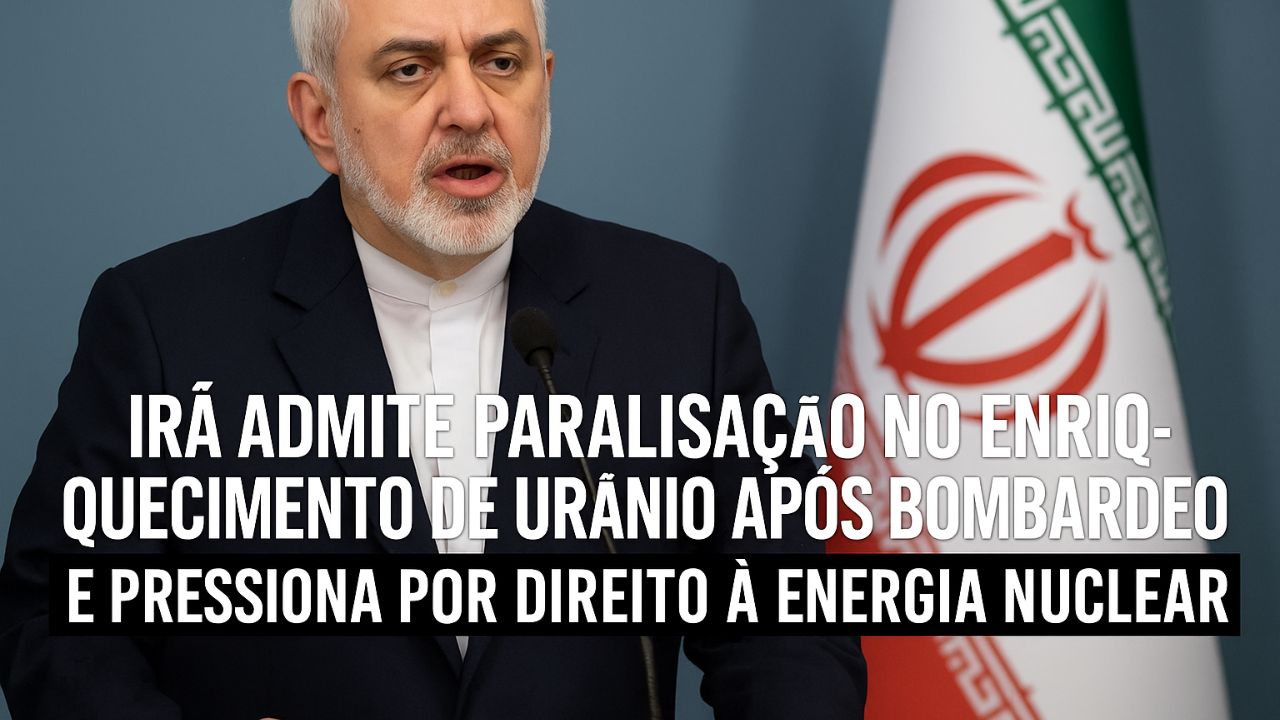
After Bombing, Iran Says It Has Stopped Uranium Enrichment and Demands Respect for Peaceful Use of Nuclear Energy.
The Iran government confirmed on Sunday what happened with its nuclear program: the country has completely halted uranium enrichment.
The statement was made by the Iranian diplomatic spokesman, Foreign Minister Abbas Araghchi, at an official conference held in Tehran, where the announcement received immediate attention.
The halt is said to have occurred when nuclear facilities were hit in June by a bombing by the United States and Israel.
-
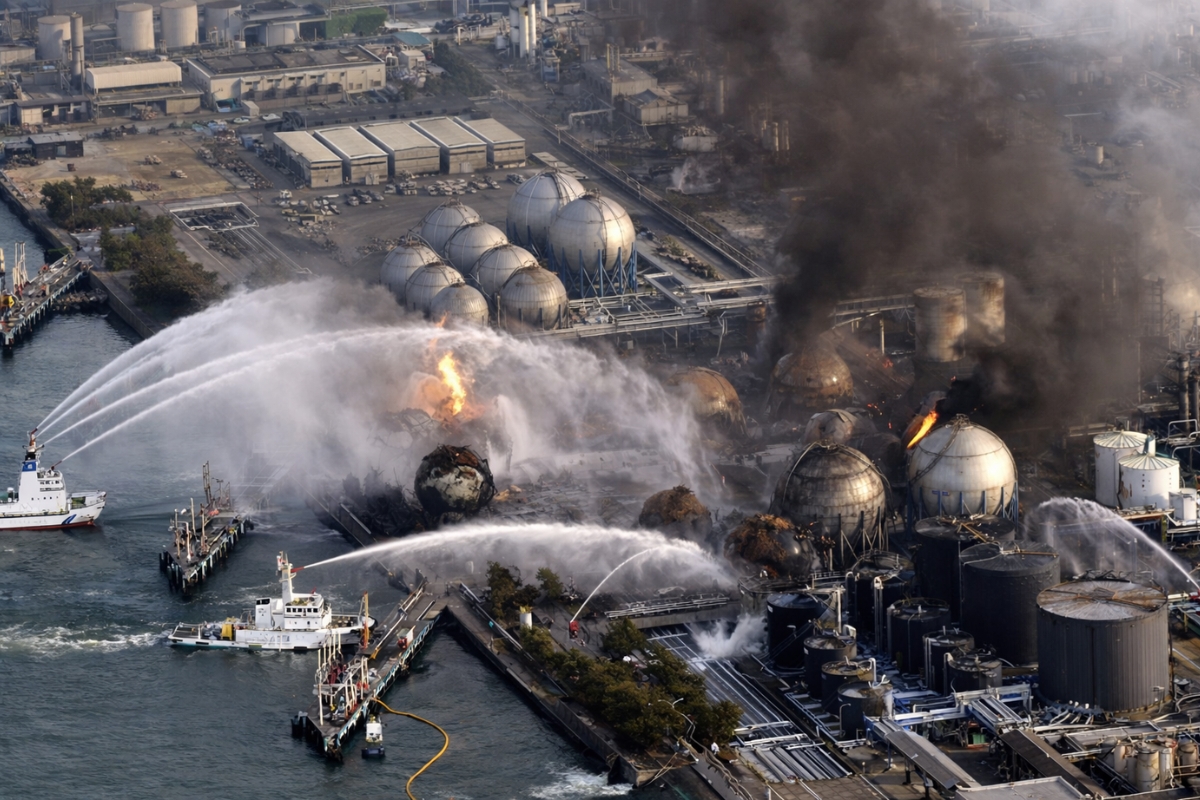
Fukushima Marks A Turning Point In Japan’s Energy Policy: After The Disaster, The Country Shut Down Its 54 Nuclear Reactors And, 15 Years Later, Only A Small Portion Have Returned To Operation
-
How Japan Overcame The Nuclear Bomb And Now Houses Millions In Hiroshima, While Ukraine Lost Chernobyl?

-
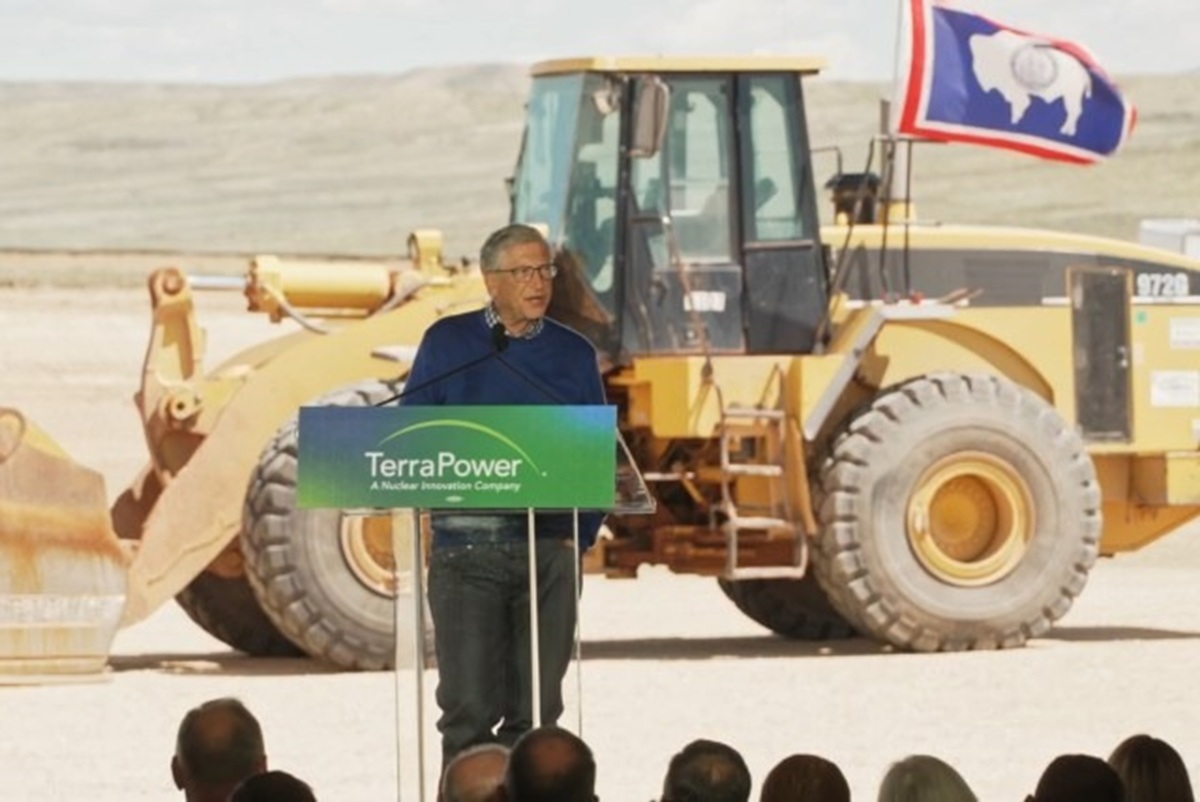
Bill Gates Receives Historic Approval to Build Giant 345 MW Nuclear Plant in the U.S. and Promises to Generate Up to 500 MW of Energy with Innovative Technology
-
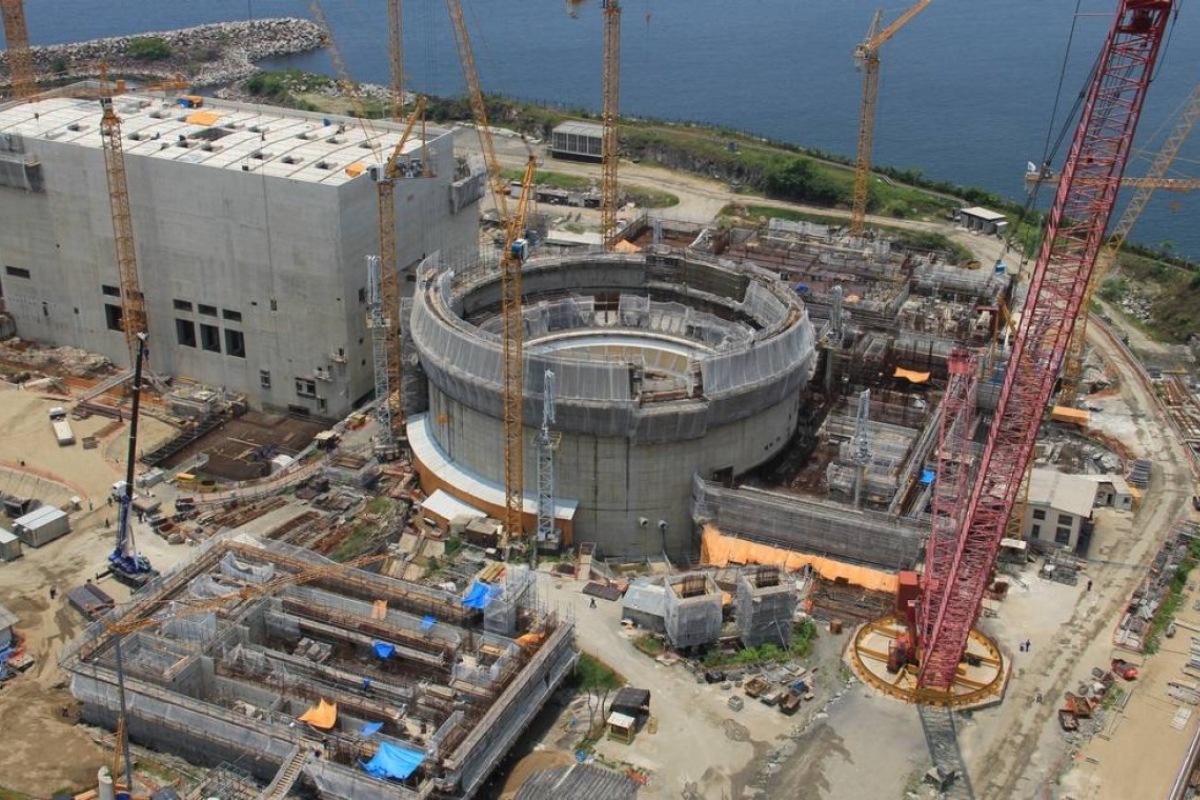
India Opens Nuclear Energy to Private Capital to Accelerate Projects and Attract Billions, While Brazil Remains Stalled at Angra 3 and Discusses Who Will Foot the Bill for Completion

According to Araghchi, this happened as a direct result of the attacks.
And the reason, why, would be the need to pressure the international community to recognize Iran’s right to the peaceful use of nuclear energy.
Thus, the country claims to have reached its clearest position since the attacks, increasing tensions amidst stalled negotiations with global powers.
Bombing Destroyed Enrichment Facilities, Government Says
The Foreign Minister was clear in stating that Iranian operations simply ceased to exist after the military offensive.
According to him, there is no longer any active uranium enrichment process in the country. The minister emphasized that the sites hit were precisely those responsible for concentrating nuclear activities.
Araghchi recalled that all complexes remain under the monitoring of the International Atomic Energy Agency (IAEA), which would reinforce the transparency of the Iranian program.
“There is no undeclared nuclear enrichment in Iran. All our facilities are under the safeguards and monitoring of the International Atomic Energy Agency. There is no enrichment at this moment because our facilities — our enrichment facilities — were attacked.”
The speech highlights that, despite the forced interruption, the government uses the incident to reiterate that it does not hide secret operations, attempting to dispel suspicions of militarized uranium production.
Iran Conditions Resumption of Negotiations on Recognition of Its Rights
When asked what could unlock negotiations with the United States and other countries, Araghchi stated that Tehran’s message remains firm.
The right to uranium enrichment, according to him, is a non-negotiable principle, especially when linked to civil applications such as nuclear energy production.
The minister reinforced that Iran will not give up on this point, even after suffering bombing and seeing its program temporarily halted.
“Iran’s right to enrichment, to the peaceful use of nuclear technology, including enrichment, is undeniable. We have this right and we continue to exercise it, and we hope that the international community, including the United States, recognizes our rights and understands that this is an inalienable right of Iran, and that we will never give it up.”
This statement indicates that Tehran demands diplomatic concessions before any return to the negotiating table.
Conference in Tehran Reinforces Political Discourse After the Attacks
The statement occurred during the conference “International Law Under Attack: Aggression and Self-Defense”, organized by the Iranian Institute of Political and International Studies, an agency linked to the Foreign Ministry.
The meeting brought together analysts who presented favorable interpretations of Iran’s posture after the bombings.
Several of them cited remarks by German Chancellor Friedrich Merz, who allegedly praised Israel for doing the “dirty work” by attacking Iranian facilities.
Thus, the event served as a platform to reinforce the narrative that the country is a victim of external aggression and seeks only to ensure autonomy to develop nuclear energy for peaceful purposes.
Attacks Elevate International Tension Around the Nuclear Program
The halt in uranium enrichment does not eliminate the global impasse regarding the Iranian program. On the contrary, it amplifies the debate on sovereignty, regional security, and limits on the use of sensitive technology.
Despite claiming to desire transparency, Tehran insists it will only resume negotiations when its rights are recognized.
Meanwhile, the U.S. and Israel continue to push to prevent any progress that, according to them, could result in nuclear armament.
Thus, the crisis remains open and depends on diplomatic movements from both Iran and Western powers to avoid new confrontations — military or political — in an already sensitive scenario in the Middle East.










Seja o primeiro a reagir!