





 Portuguese
  English
  Spanish
  5 min of reading
  3 comments


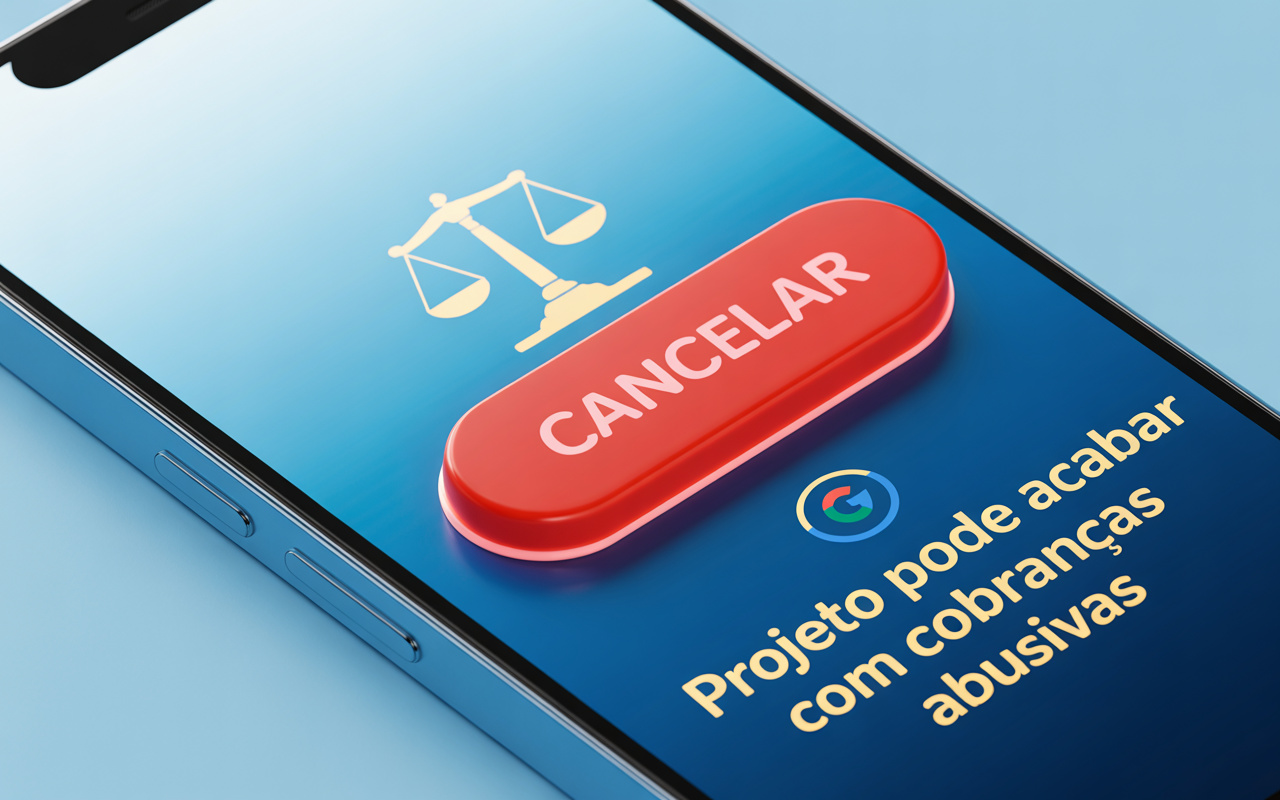


Project Creating “Easy Cancellation” Advances in Congress and May Require Companies to Discontinue Services with One Click; Understand the Impact and What Changes in the CDC.
The Brazilian Congress is discussing one of the most anticipated projects of the last decade in consumer protection: the mandatory creation of the so-called “easy cancellation button”, a mechanism that guarantees Brazilians the ability to terminate a digital service or subscription with one single click, without calling a call center, without hold time, and without the traditional marathon of hidden pages.
The text — which amends the Consumer Protection Code — is still being processed, and therefore, many people have not even heard of the proposal. But its impact, if approved, will be enormous: it reorganizes the commercial logic of telecommunications, internet, cable TV, gyms, digital platforms, subscription services, and even banks.
The debate arose precisely because the pressure to cancel is currently one of the biggest bottlenecks in the Brazilian system. Data from Senacon and state consumer protection agencies show that more than 30% of formal complaints involve difficulties in canceling services, improper charges, or abusive hold times.
-
The noise law will no longer be in effect at 10 PM starting in June with a new rule valid during the 2026 World Cup.

-
The Chamber opens a debate on driver’s licenses at 16 years old as part of a reform that includes around 270 proposals to change the Brazilian Traffic Code and may redesign rules for licensing, enforcement, and circulation in the country.

-
The new Civil Code could revolutionize marriages in Brazil with “express divorce” and changes that could exclude spouses from inheritance.

-
Banco do Brasil sues famous influencer for million-dollar debt and intensifies debate on delinquency, risks of seizure, and direct impact on Gkay’s credibility.


Cancellation with One Click: How the New Mechanism Would Work
If approved, the project would require companies providing any continuous service, whether physical or digital, to maintain a visible, straightforward, and easily accessible button on their website, app, or client area, with the option “Cancel Service”. No hidden menus. No representatives trying to reverse the decision. No justification required.
The logic is simple: if signing up is easy, canceling should be too. This standard already exists in countries such as the United States (FTC “Click to Cancel Rule”), the United Kingdom, and the European Union, which adopted similar policies after a rise in complaints regarding automatic renewals.
Why the Project Emerged: The Problem of “Forced Retentions”
Anyone who has tried to cancel an internet or cable TV plan knows the tactic:
retention, “exclusive offers,” transfer to another department, promise of discounts, and an endless call. In Brazil, this has become the rule, not the exception.
Reports from state consumer protection agencies reveal that up to 40% of cancellation operations require more than one attempt from the consumer. In some cases, the process takes days — and the customer is charged while trying to terminate the contract.
The project seeks to address precisely this problem by prohibiting the requirement of telephone contact or prior justification. Additionally, it paves the way for stricter penalties when companies make cancellation difficult, such as fines and temporary suspensions of offers.
Change in the Consumer Protection Code: What the Text Alters
The proposal modifies central sections of the Consumer Protection Code and creates new obligations:
- Mandatory implementation of a simple and direct cancellation button;
- Prohibition of retention practices that pressure the consumer;
- Requirement for immediate confirmation of cancellation via email, SMS, or app;
- Maximum deadlines for effecting the termination of the contract;
- Specific fines for repeat offenders;
- Mandatory clarity about automatic renewal.
One of the most important points is the differentiation between cancellation and withdrawal. The consumer will be able to cancel without justification and without speaking to a representative, and companies will have to immediately effect the termination — except in contracts with specific sector regulations.
Services Most Affected: From Streaming to Telephony
The change affects the entire subscription market, including:
- Telecommunications and internet providers
- Cable TV
- Gyms and clubs
- Streaming and music platforms
- App services
- Online courses
- Banks and financial platforms with benefit subscriptions
- Subscription clubs (wine, books, food, and others)
Today, many of these companies adopt “exit barriers,” hiding the cancellation option or requiring phone support. The project eliminates this and standardizes the consumer experience.
Economic Impact: Why Companies Are Worried
The sector fears an increase in cancellation rates. This is because part of the subscriber base is maintained through active retention — and not through customer satisfaction. Experts point out that the new model is expected to trigger:
- Reduction of artificial churn (customers forcibly retained)
- Pressure for real improvements in services
- Increase in healthy competition
- Decrease in improper charges
- Encouragement of “pay for what you actually use”
For the consumer, the impact is clear: less time wasted, less abuse, less improper charges.
What Stage Is the Project At: What Is Missing for It to Become Law
The text has not yet been sanctioned, despite advancing significantly. It has already passed through committees and is awaiting further steps in the Chamber and Senate before going to presidential review. This means that:
The content can be improved
Provisions may gain strength or be softened
Brazil may align with international standards of digital protection
Until then, the consumer still has to face the current bureaucratic path.
Why Almost Nobody Knows About the Proposal and What Changes in the Consumer Routine?
The discussion circulates among experts, consumer protection agencies, Senacon, and legal professionals, but it has not reached the general public strongly. Unlike major reforms, the topic progresses quietly — but it may cause one of the largest impacts on modern consumption. After all, we live in an era where signing up is easy. What is missing is the ability to terminate with the same speed.
If approved, cancellation will cease to be a “battle” and will have very objective characteristics:
- Carried out in seconds
- No need for a call
- No retention
- With immediate record
- With certified date and time
- With termination on the same day
- With fines for companies that fail to comply
This is a structural change that returns control of the contract to the consumer.










Esta lei já deveria estar em funcionamento a muito. É um verdadeiro inferno cancelar assinaturas no Brasil. A única maneira hoje e abrir reclamação no PROCON, senão, não se consegue. É um verdadeiro escárnio como o consumidor e tratado no Brasil. Parlamentares criem **** e pensem no bem estar da população
Poderiam informar qual o PL, assim se pode consultar no portal do Congresso e compartilhar para que mais pessoas saibam e se interessem.
Espero que seja aprovada rápido essa lei, cancelar serviço tá difícil.