





 English
  Francês
  Alemão
  Italiano
  Japonês
  Norueguês
  Portuguese
  Spanish
  3 min of reading


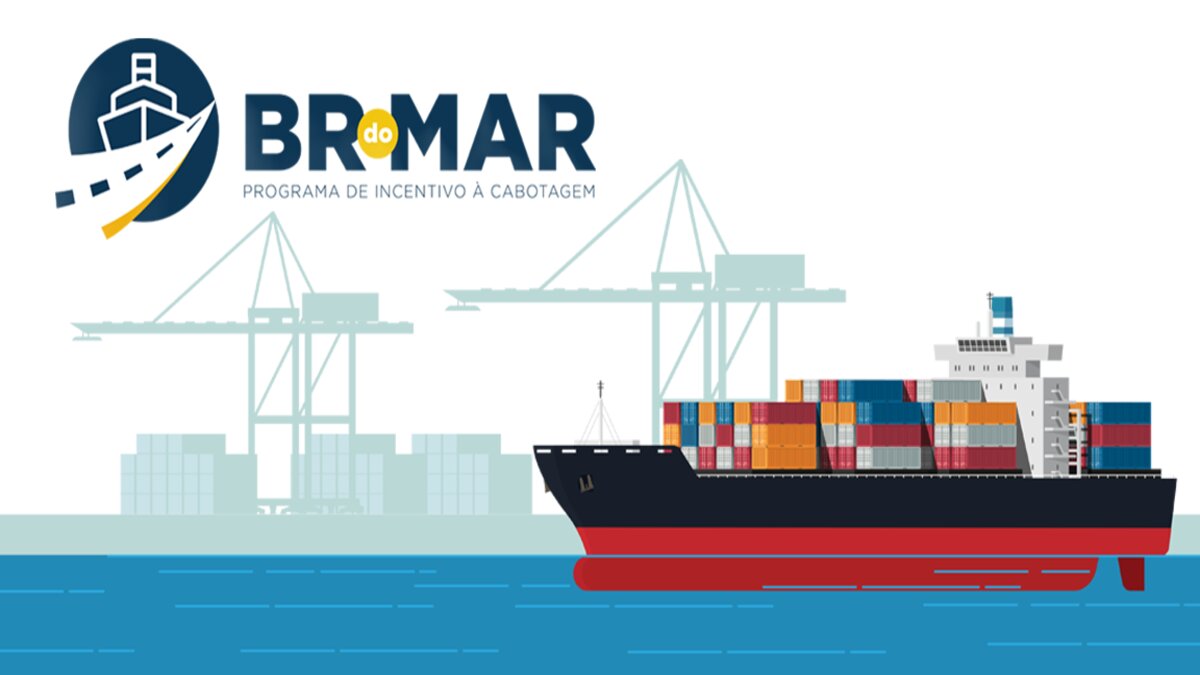
With the BR do Mar Bill Bringing Increasing Benefits for Cabotage in Brazil, Cargo Transportation Between Brazilian Ports Will Be Highly Expanded in the Coming Years and May Take New Proportions Within the National Market
During last Monday (04/25), the Organization of Cooperatives of Paraná (Ocepar) commented on the benefits that the BR do Mar has brought and continues to bring to Brazilian ports. And how the Bill has the potential to boost cargo transportation by cabotage over the coming years in the national market, due to the low cost and logistical benefits of the operation.
– Enacted the Bill No. 4.199/20, the BR do Mar.
– The measure encourages and expands cabotage transportation of goods in Brazil, enables the rental of vessels, reduces the Cost of Brazil, increases service efficiency, and generates jobs. @tarcisiogdf @MInfraestrutura pic.twitter.com/IrrEQAj0g0
ARTICLE CONTINUES BELOWSee also
New shoe factory in Ceará is expected to create 400 jobs and strengthen the local economy.

No one imagined it, but a mixture of sawdust with a mineral that fights fires surprises scientists with a result that changes the course of fire-resistant construction.

From empty land to a high-end house, wooden construction uses a lightweight system, metal structure for the foundation, ventilated ceramic cladding, and special windows to create an efficient and comfortable living space throughout the year.
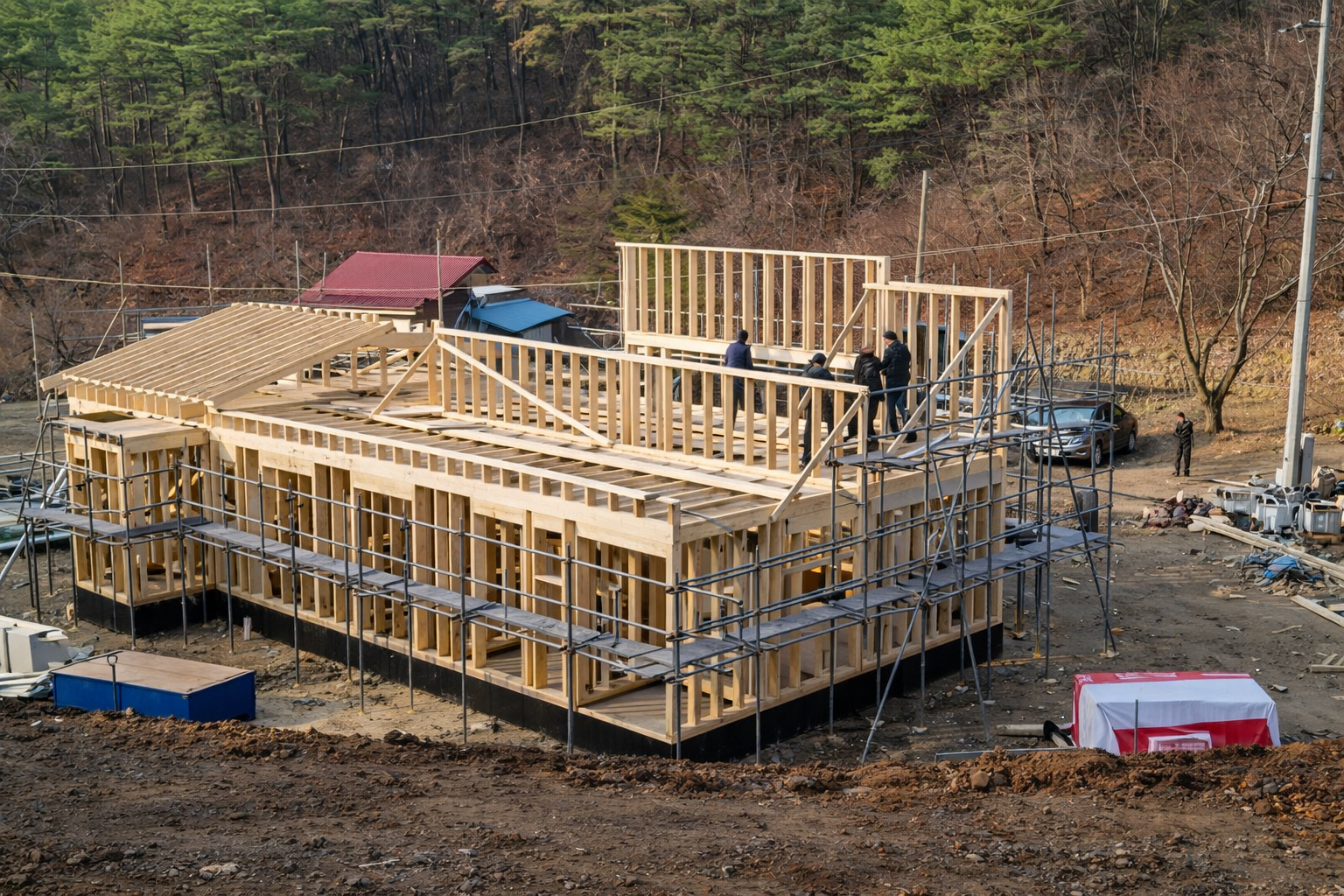
From vacant land to a high-end house, wooden construction uses a lightweight system, a metal structure for support, ventilated ceramic cladding, and special windows to create an efficient and comfortable living space throughout the year.
— Jair M. Bolsonaro (@jairbolsonaro) January 13, 2022
Cargo Transportation by Cabotage is Growing in Brazil, but Still Needs More Investments and Boosts from the Developed Projects
Brazil is one of the largest countries in coastal territory, boasting over 11,000 kilometers in this sense, but still fails to capitalize on this dimension to benefit from cargo transportation. Cabotage, or transport between ports of a country, is still a very underutilized and explored modality in Brazil, and data from the Ministry of Infrastructure shows that only 11% of goods moved within the country are transported by ships.
However, despite this low expressiveness, cargo transportation by cabotage has been slowly increasing in the national market, particularly in ports in Paraná, such as Antonina and Paranaguá. Data from the Portos do Paraná company confirms this growth and shows that in 2021, cabotage navigation grew by 19% compared to 2020, and when compared to 2016, last year’s movement was 34% higher, an unexpected expansion for the national ports sector regarding the use of this modality in Brazil.
Thus, the Ministry of Infrastructure shows that Brazil is still far behind European countries, for example, that have cargo transportation by cabotage as the primary modality for these operations. But, this is a scenario that is slowly changing, and the so-called “Cabotage Law” (Law 14.301/2022), known as BR do Mar, is seeking to change that. The Bill achieved a series of tax benefits for cabotage and continues to seek even more incentives for the modality to grow in the national market.
BR do Mar Has Been Reducing the Impasses of Cargo Transportation by Cabotage in Brazil and Is the Bet of the Ports Sector for the Expansion of the Modality
One of the main problems regarding cabotage in Brazilian ports was the requirement that the service be provided by ships built within the country, since Brazil has never been known for producing many vessels. Thus, the Bill now allows for the chartering of foreign-flagged ships, which makes cargo transportation through this modality more practical and flexible.
In this way, the technical manager of the Organization of Cooperatives of Paraná (Ocepar), Flávio Turra, commented on how important this modality is for Brazil and stated that “Ports need to be integrated with highways and railways. We are still not used to working this way, and for it to be viable, this integration is necessary because the cargo cannot remain stopped in the port waiting to proceed to its final destination.”
This is the main objective of the Federal Government and the Ministry of Infrastructure for Brazil with the Bill, as the costs for transporting cargo by cabotage in Brazilian ports are significantly lower, and this is the new bet of the national port sector for the coming years.










Seja o primeiro a reagir!