Portuguese
  Spanish


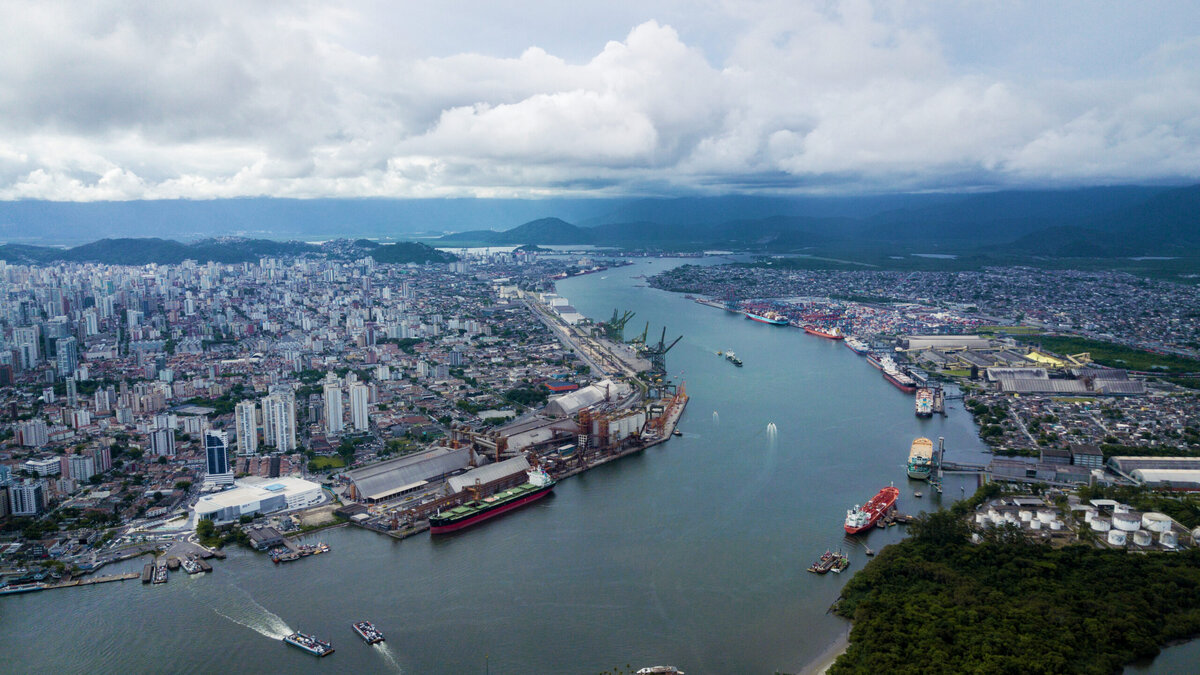

The Ministry of Infrastructure Commented on the Upcoming Infrastructure Works That the Port of Santos Will Receive and Highlighted That, With the Investment, the Complex Will Have More Expansion in Export and a Significant Reduction in Operational Costs
With the privatization project for the Port of Santos increasingly accelerated by the Ministry of Infrastructure, new debates about the benefits of the process are being made. According to the comment made by the Minister on Friday, (04/22), it is expected that the investment in infrastructure works, which is budgeted at R$ 8 billion, will bring new perspectives for export in the complex and for operational expenses.
Infrastructure Works at the Port of Santos Are Budgeted at R$ 8 Billion Total for Construction of Tunnel, Railway Line, and Reforms at the Port Terminal Complex
The Ministry of Infrastructure made some statements regarding the process of denationalization of the Port of Santos during last Friday and highlighted that the main benefit of the private sector investment plan for the infrastructure works in the area will be the expansion in the number of export operations. Thus, the complex will be able to reach new levels within the international market with a more suitable port structure for these services.
The minister visited last Friday the area where the tunnel between Santos and Guarujá will be built and the internal railway lines of the port and commented on these new prospects for the port, in addition to passing through the STS10 terminal, the railway lines in the Outeirinhos area, and the extension and deepening works of the Tecon Santos Wharf. All these structures will undergo the main infrastructure works that are planned in the investment plan within the Port of Santos and will be essential for the expansion of these export operations.
-
They exchanged the idea of a large house for a 35 m² warehouse, spent US$ 12,000 on the structure, and created a tiny house in Colorado with space to live and work.

-
While modern cities rely on pumps and electricity, in Iran, ancient tunnels carried water through the desert using only slope and gravity.
-
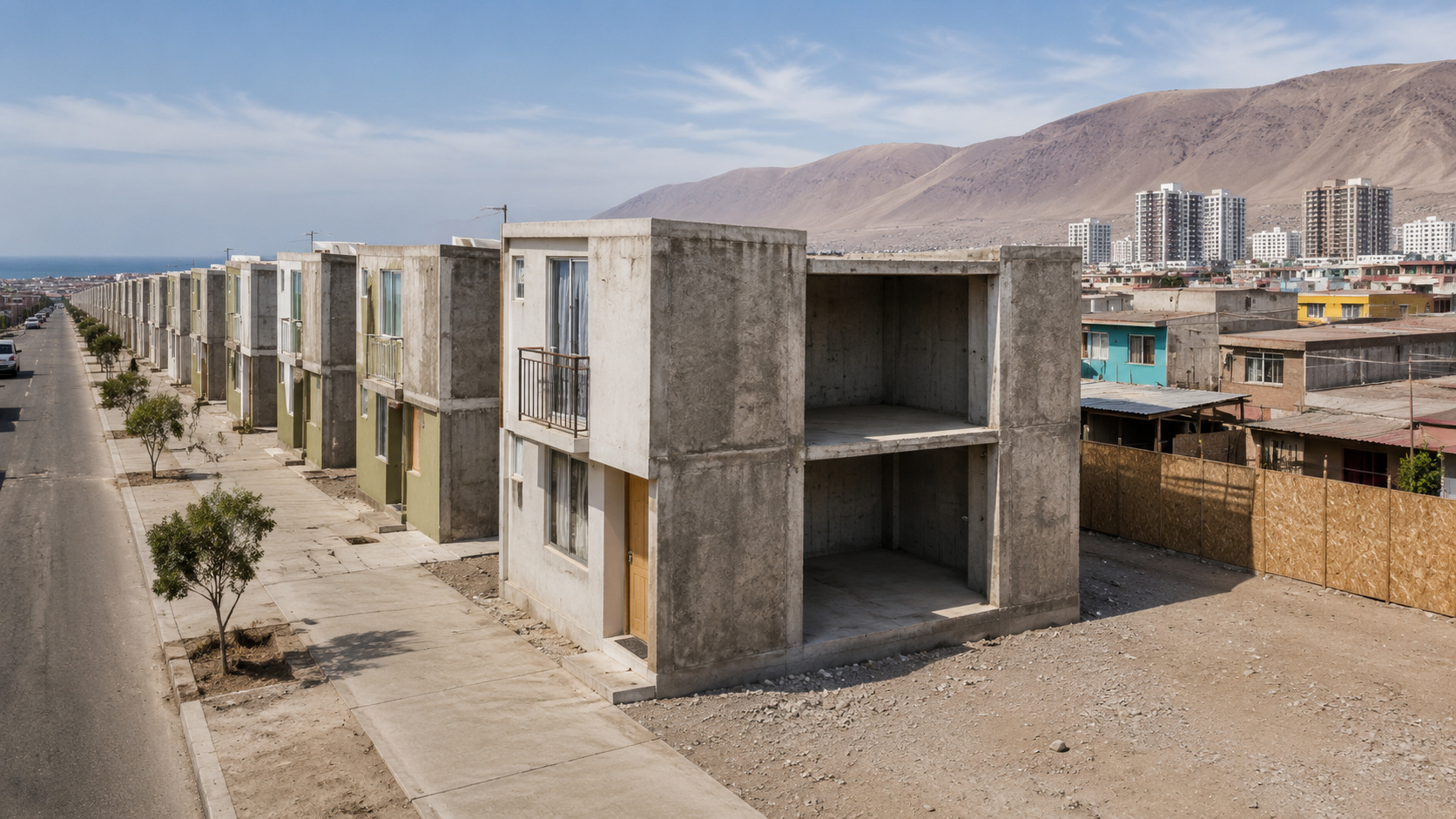
Instead of sending families far from the city, a project in Chile intentionally created incomplete houses on expensive urban land and left technical space for each to grow.
-
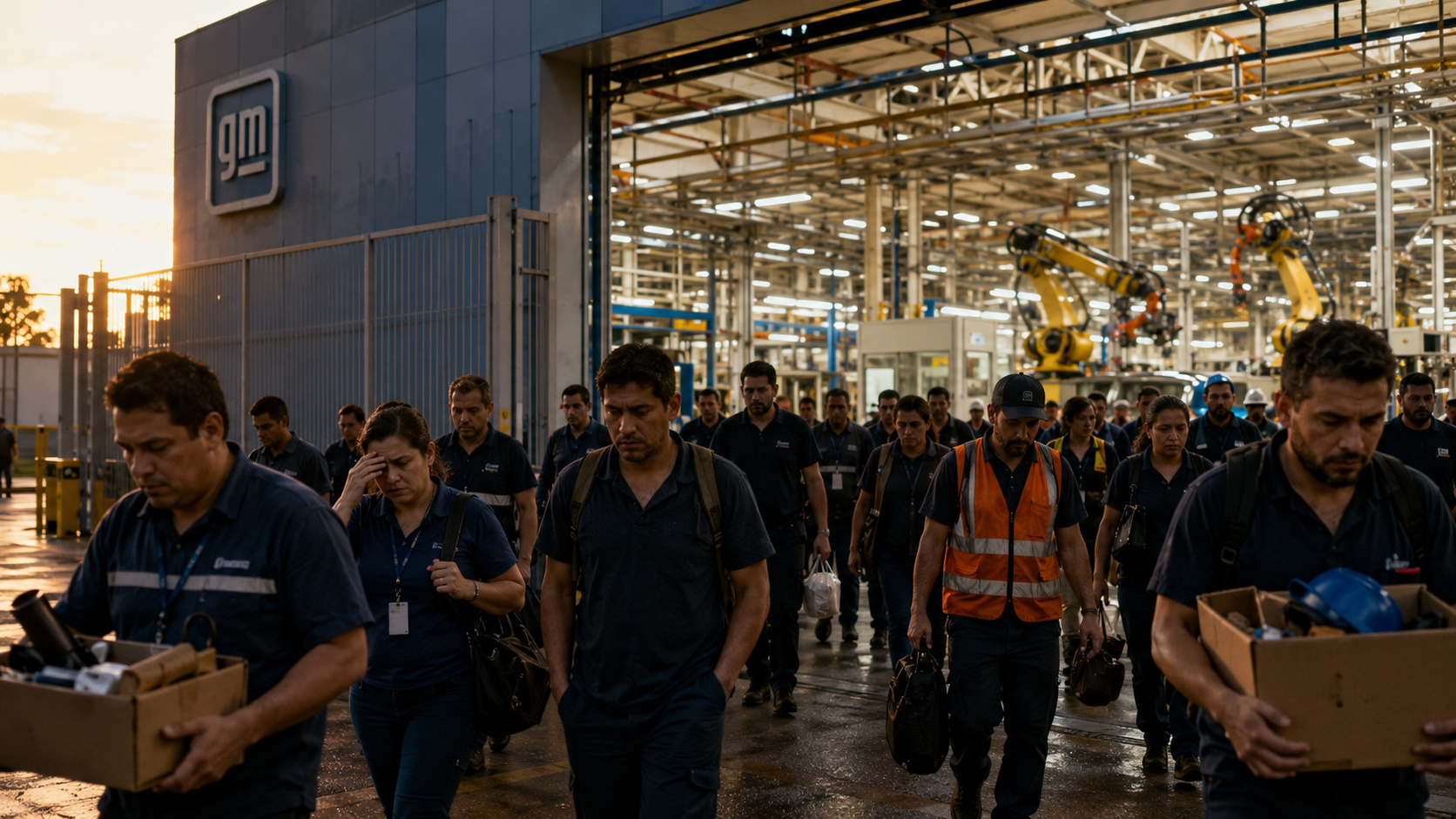
General Motors Replaces Over a Thousand Workers with 50 Cobots at Electric Vehicle Plant, UAW Union Criticizes Move Amid Industry’s Automation Push

Thus, within the investment plan for the infrastructure works, which is budgeted at a total of R$ 8 billion, R$ 3.285 billion will be allocated to STS10; R$ 3.5 billion for the construction of the submerged tunnel and another R$ 1.5 billion from Santos Brasil at Tecon Santos, while R$ 23 million have been allocated to the third railway line of Paquetá. In this way, the majority of the main structures of the Port of Santos for cargo export will be covered by the initial investments and, throughout the coming years, with the denationalization process, new works will take place.
Minister of Infrastructure Visits and Inspects the Infrastructure Works at the Port and Highlights the Expansion of Competitiveness After the Completion of the Investment Project in the Complex
In addition to the main structures visited by the Minister of Infrastructure, Marcelo Sampaio also navigated the access canal of the Port and passed through the area that will correspond to STS10 and also through the location where the submerged tunnel will be built to connect the cities of Guarujá and Santos. The inspections were carried out for a broader view of how the process of the infrastructure works is and the application of the investment in this initiative.
Thus, Marcelo Sampaio once again emphasized the need for this infrastructure plan for the expansion of export operations and for greater growth of the Port of Santos, stating that “These investments will ensure that we increase our competitiveness, efficiency, and thus reduce the Brazil cost,” which refers to the necessary expenses for cargo handling operations, transactions, and other logistical issues within the port production chain.
Having been operational since the end of 2021, Tecon Santos, operated by Santos Brasil, has a projected investment of R$ 1.5 billion until 2031 and will include infrastructure works for deepening the canal, being the main highlight in the expansion plan for the Port of Santos.