





 Portuguese
  English
  Spanish
 5 min of reading
  0 comments


Submarine Platform of About 6 Thousand Km² in Southern Bahia Reveals a Mosaic of Little-Explored Ecosystems, Including Deep Reefs, Rhodolith Beds, and a Submerged Canal Covered by Corals at More Than 40 Meters, Increasing Scientific Interest in One of the Most Biodiverse Regions of Southern Atlantic.
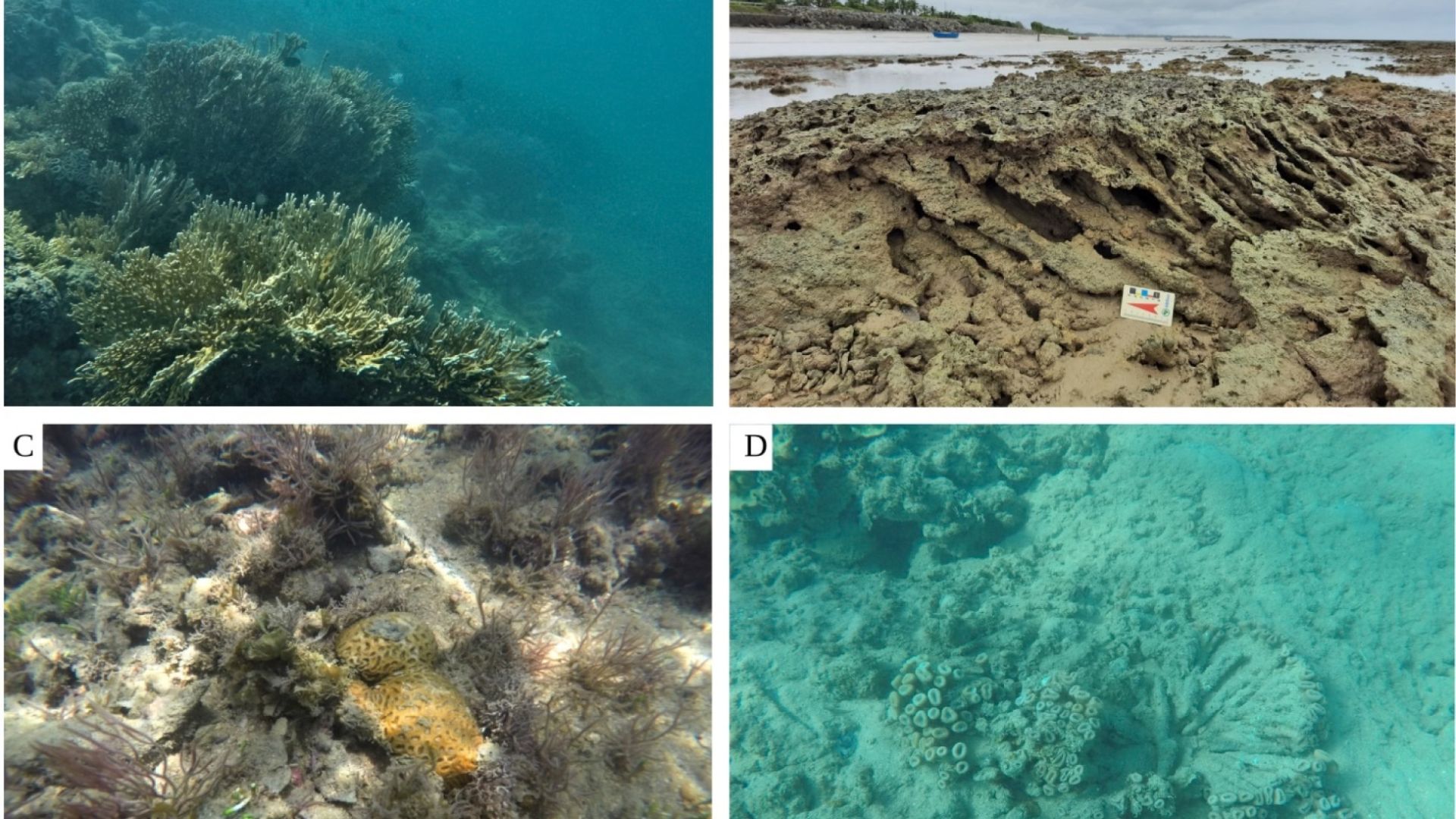
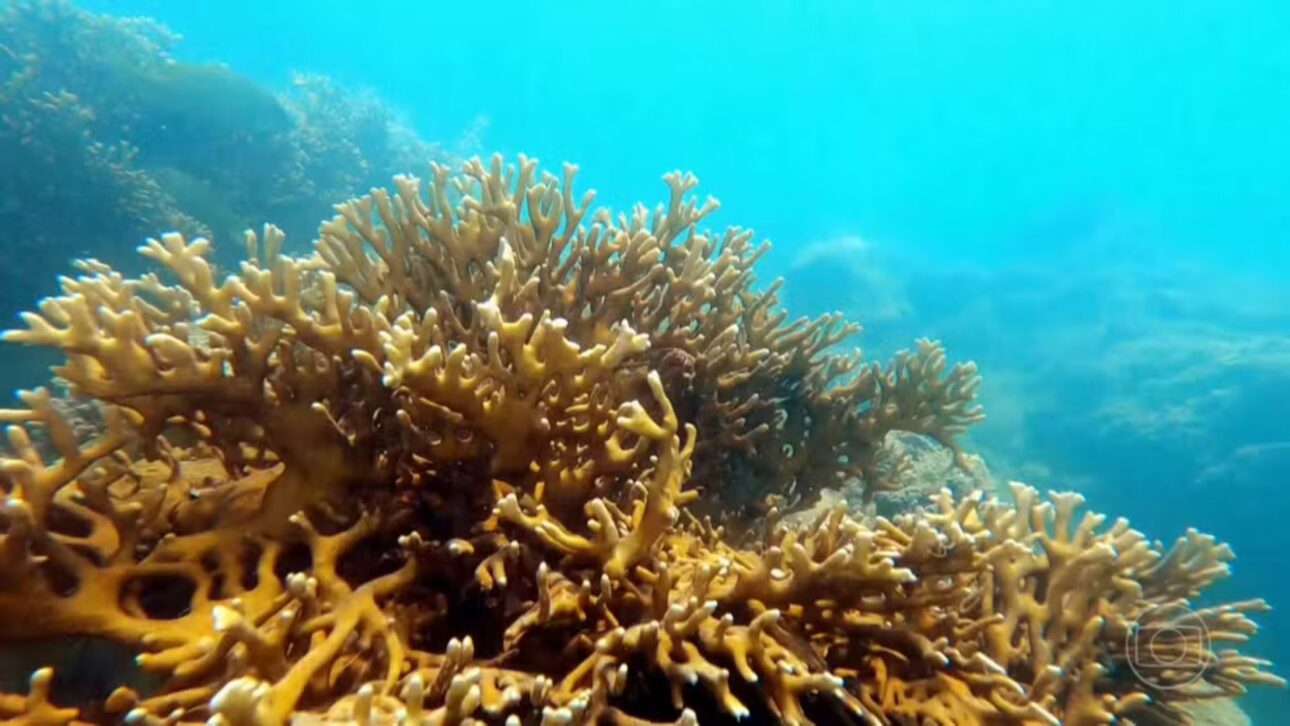
The Royal Charlotte Bank, a wide submarine platform in southern Bahia, has established itself as one of the most promising areas for marine research in the country after expeditions linked to USP and the Coral Vivo Project identified coral reefs, rhodolith beds, macroalgae forests, and a large submerged canal with walls covered by corals at more than 40 meters deep.
The surveys reinforce that the region, although already known to fishermen, still remained poorly documented from a scientific perspective.
Where Is the Royal Charlotte Bank on the Coast of Bahia
Viewed on a regional scale, the structure is about 6 thousand square kilometers and appears in satellite images as a rectangular formation extending into the sea between Belmonte, Santa Cruz Cabrália, and Porto Seguro.
-
In Mexico, a 3,000-year-old Maya site with the dimensions of an entire city may have been built as a colossal map of the cosmos, created to represent the order of the universe and reveal how this people organized space, time, and rituals.
-
Japan wants to build a solar ring of 10,900 kilometers on the Moon to continuously send energy to Earth.

-
Weighing almost 1 ton, with temperatures of up to 3,000°C, the ability to launch 10,000 fragments within a radius of 1 km, capable of penetrating concrete and melting steel, Turkey’s terrifying bomb emerges as one of the most destructive non-nuclear weapons ever presented.

-
After a submarine disappeared beneath the “Doomsday Glacier,” scientists announce a new monstrous machine capable of operating at 3,000 meters depth to return to the heart of the ice and investigate a threat that could raise sea levels worldwide.

The farthest edge is located approximately 100 kilometers from the coast, north of Abrolhos, in an area recognized for its high marine biodiversity and the presence of reef habitats still inadequately known.
First Expeditions Revealed Hidden Ecosystems
The first turning point in knowledge about the Royal Charlotte came in 2020, when researchers linked to USP and Coral Vivo began an environmental mapping of the area.
At that time, a local team spent ten days at sea and recorded images at 67 points, at depths of 30 to 70 meters, which allowed the confirmation of the existence of consolidated seabed ecosystems where previously there were more indications than detailed documentation.
This initial material showed that the bank was not limited to a sandy or homogeneous bottom.
The images revealed rhodolith beds, coral reefs, macroalgae forests associated with these calcareous algae, and limestone sand plains, forming an ecological mosaic of great complexity.
Signs of high biodiversity also emerged, with endemic organisms from Brazil and threatened species, which increased the scientific and environmental relevance of the area.
Submarine Canal with Corals Surprises Researchers
Two years later, a new expedition deepened this picture with a more robust operation of geophysical and biological mapping.
The team traveled about one thousand kilometers in 16 days, between late April and early May 2022, bringing together 12 researchers from six institutions.
In the first stage, the group used sonar to scan the surface of the platform and identify 42 points of interest, of which 21 were examined later by divers or with the help of remotely operated submersibles.
It was during this phase that researchers recorded one of the most significant findings of the Royal Charlotte.
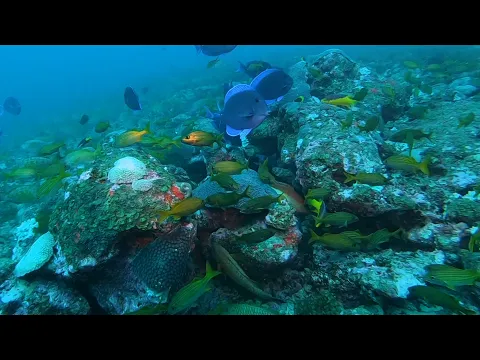
At a point named Tile 11, the team found a large submerged canal, possibly associated with an ancient riverbed, with walls covered by corals and a dense presence of fish, small invertebrates, and other forms of marine life.
The environment is located more than 40 meters deep, already in the so-called mesophotic zone, where sunlight intensity is reduced.

Deep Reefs Among the Healthiest Ever Observed
Field observations indicated that these deep reefs exhibited conditions rarely described on the Brazilian coast.
According to Jornal da USP, researcher Ronaldo Francini Filho stated that the site was among the healthiest deep reefs he has ever seen in the country.
In the same report, Paulo Sumida expressed surprise at the extent of coral coverage on mesophotic reefs, a fact that helped transform the Royal Charlotte into a new frontier for studying deep reef environments in the Southern Atlantic.
Marine Biodiversity and Varied Habitats
Scientific interest in the area is also explained by the variety of habitats distributed along a depth gradient that ranges from about 30 meters to 3 thousand meters, according to the Coral Vivo Project.
This range favors the coexistence of shallow and deep environments, as well as reinforcing the hypothesis of ecological connectivity between different stretches of the platform.
In recreational and commercial fishing activities, occurrences of tunas, marlins, and other large fish were already known, while humpback whales and dolphins also use the region.
Challenges to Study Deep Ecosystems
For a long time, part of this natural heritage remained off the public’s radar precisely because direct observation depends on expensive and specialized structures.
In deeper areas, records only advance with underwater cameras, sonar, oceanographic planning, and remote equipment capable of operating under conditions inaccessible to conventional diving.
This factor helps explain why a bank already frequented by fishermen remained, for decades, much better known through local knowledge than by systematic scientific surveys.
Rhodoliths and Complexity of the Reef System
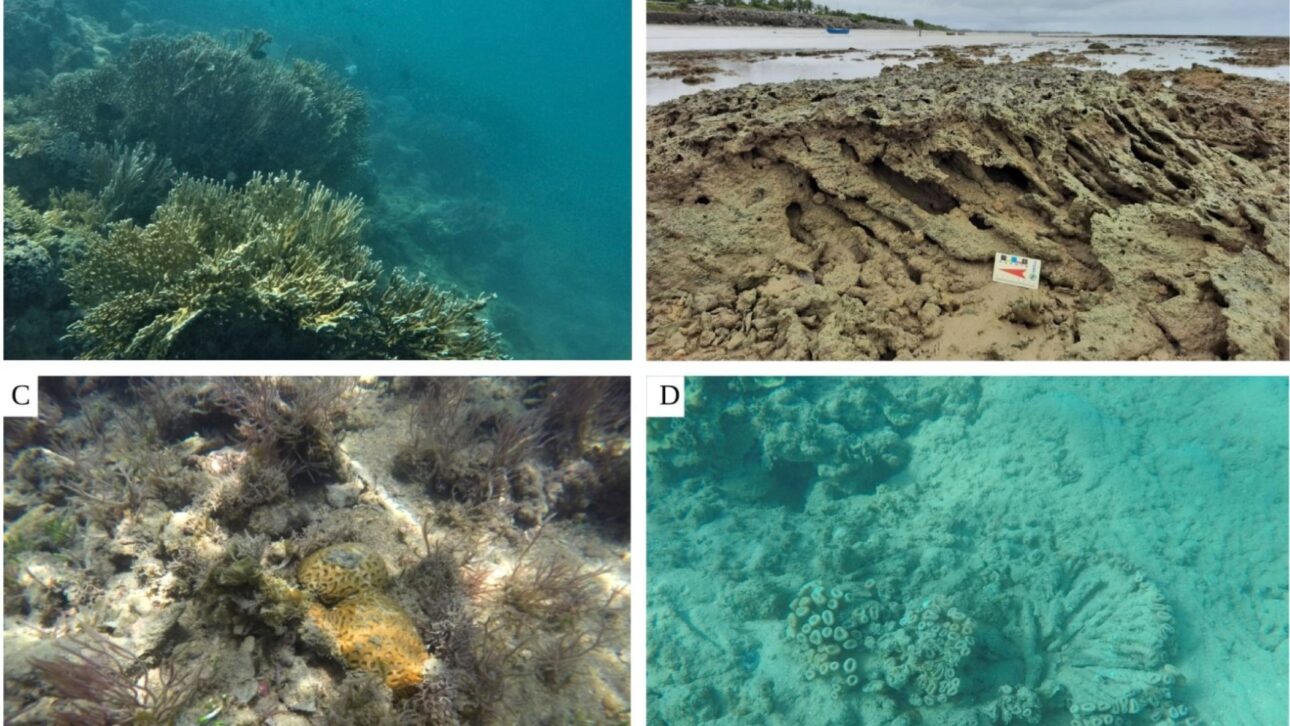
The rhodoliths identified in the bank have a special weight in this equation because they function as rigid and three-dimensional substrate, housing fish, sponges, algae, crustaceans, mollusks, and other invertebrates.
When appearing next to reefs, macroalgae, and limestone plains, they compose a high complexity reef system, strategic for research on biodiversity, sustainable marine use, and ecosystem responses to environmental changes.
It is no coincidence that Royal Charlotte integrates the National Action Plan for the Conservation of Coral Environments, aimed at increasing knowledge and protection of these environments.
Warning Signs for Changes in the Ocean
The data already released also brought a warning sign.
In the second expedition, researchers reported observing bleached corals, a phenomenon associated with rising ocean temperatures.
Although analyses on extent and impact still depend on further research, the record reinforces that the region is of interest not only for its beauty or geological rarity but also for its value as a monitoring area at a time when Brazilian coral environments face increasing pressure from climate change and other human interference.
The sequence of campaigns shows that knowledge about the Royal Charlotte Bank is still under construction.
The simplified cruise of 2020 paved the way for the geophysical and biological mapping of 2022, which expanded the visual documentation of the platform and revealed previously unknown features, such as the coral canal of Tile 11.
By gathering scale, depth, biodiversity, and historical research gaps, the bank has come to occupy a central position in discussions about marine science and conservation in southern Bahia, with the potential to guide new expeditions and more precise protection measures.





-

-

2 pessoas reagiram a isso.