





 Portuguese
  English
  Spanish
  4 min of reading
  0 comments


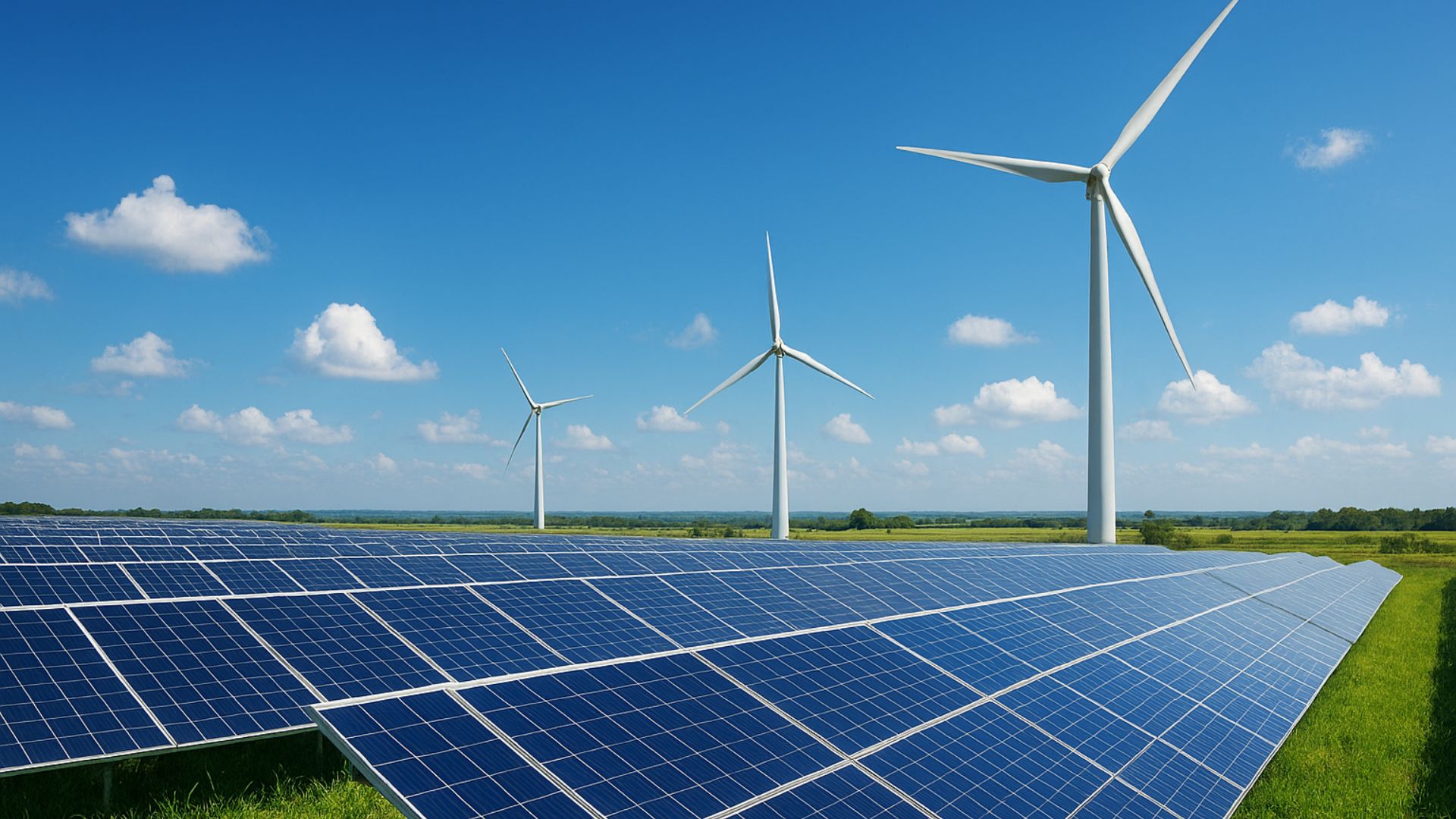
Brazil Confirms 50% Renewable Sources in the Energy Matrix and Advances in Sustainability with Clean Energy Expansion and International Recognition
The 2025 edition of the Brazilian Energy Review, released by the Ministry of Mines and Energy (MME), confirms a historic milestone for the country: for the first time, the share of renewable sources in the national energy matrix reached 50% in 2024. According to an article published by Cenário Energia, this percentage is almost four times higher than the global average, estimated at 14.2%, and greatly surpasses the performance of OECD countries, which recorded 13%.
Study on Renewable Sources Uses Data from EPE, Aneel, and ANP
The official data, consolidated from statistics by EPE, ANEEL, and ANP, reinforces Brazil’s position among the cleanest and most diversified matrices in the world. The publication also includes international comparisons and indicators for strategic sectors such as biofuels, energy efficiency, and internal energy supply.
According to Gustavo Ataíde, National Secretary for Energy Transition and Planning at the MME, the study increases transparency and contributes to monitoring public policies in the sector.
-
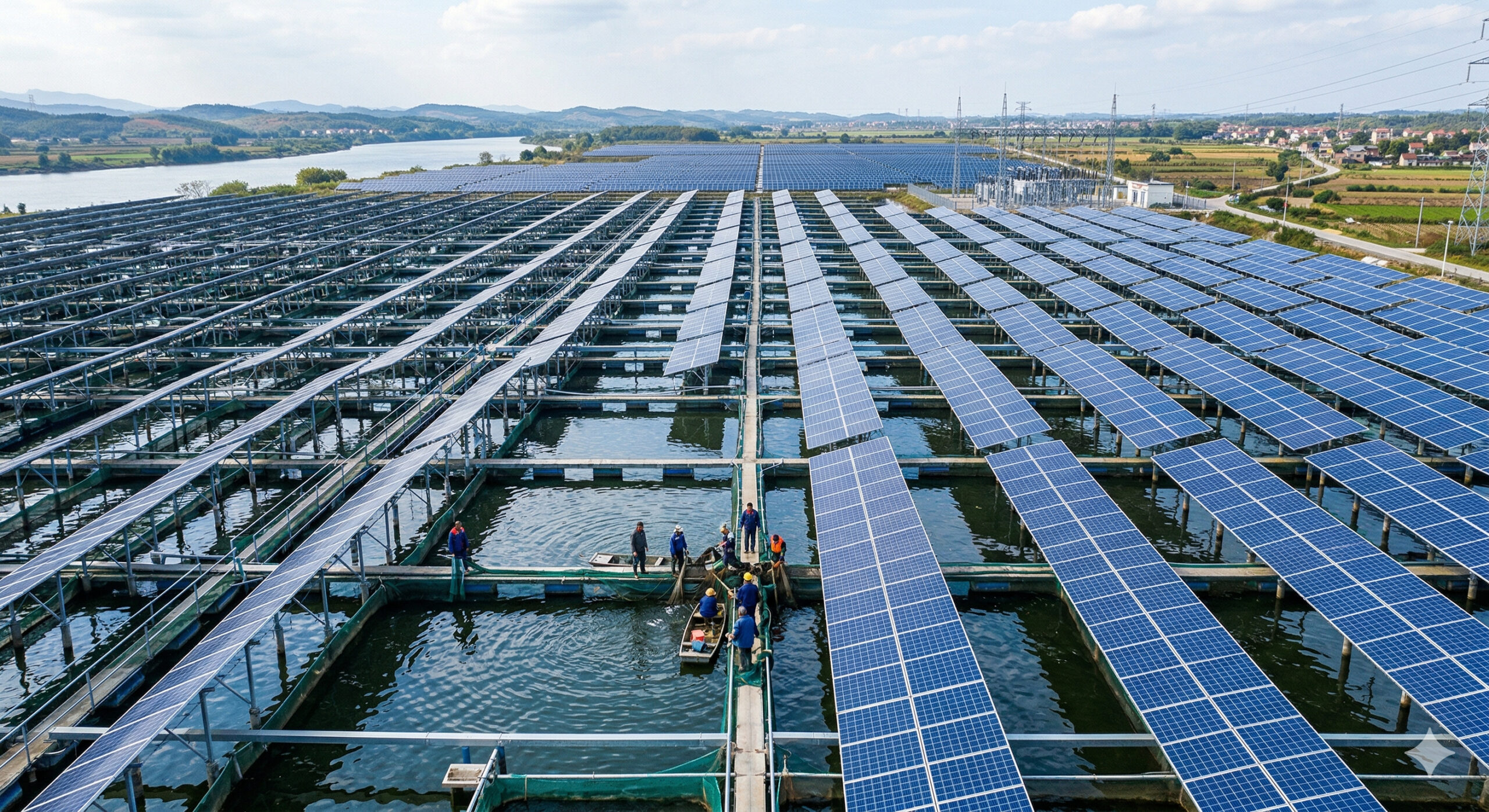
China bets on the Fishery-PV model and transforms fish farms into giant solar plants, covering ponds with panels that generate energy while utilizing the same space for large-scale aquaculture production.
-
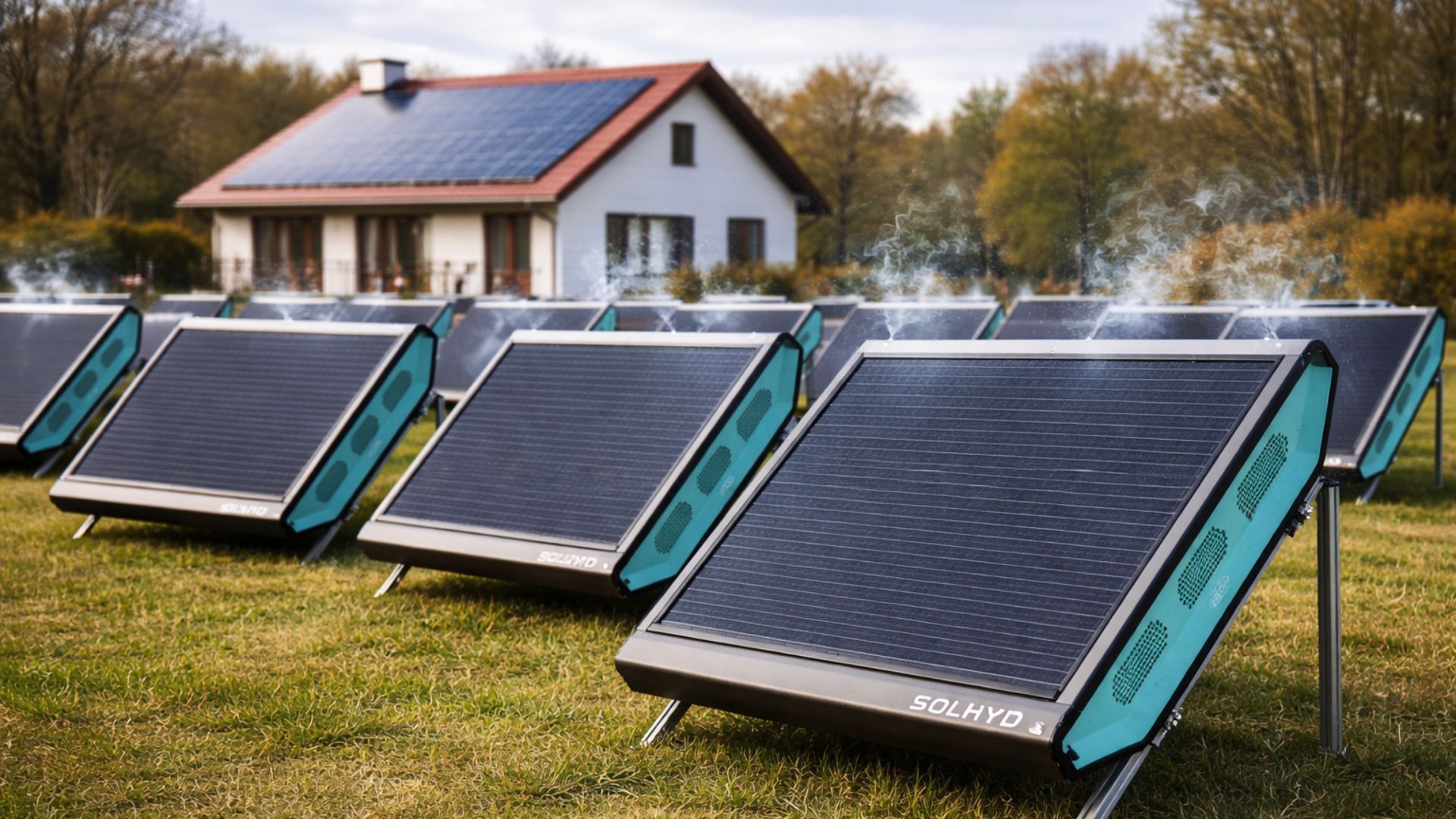
Green hydrogen at home: Belgium launches new technology that makes solar panels produce fuel from the moisture in the air, which could boost the energy transition.
-
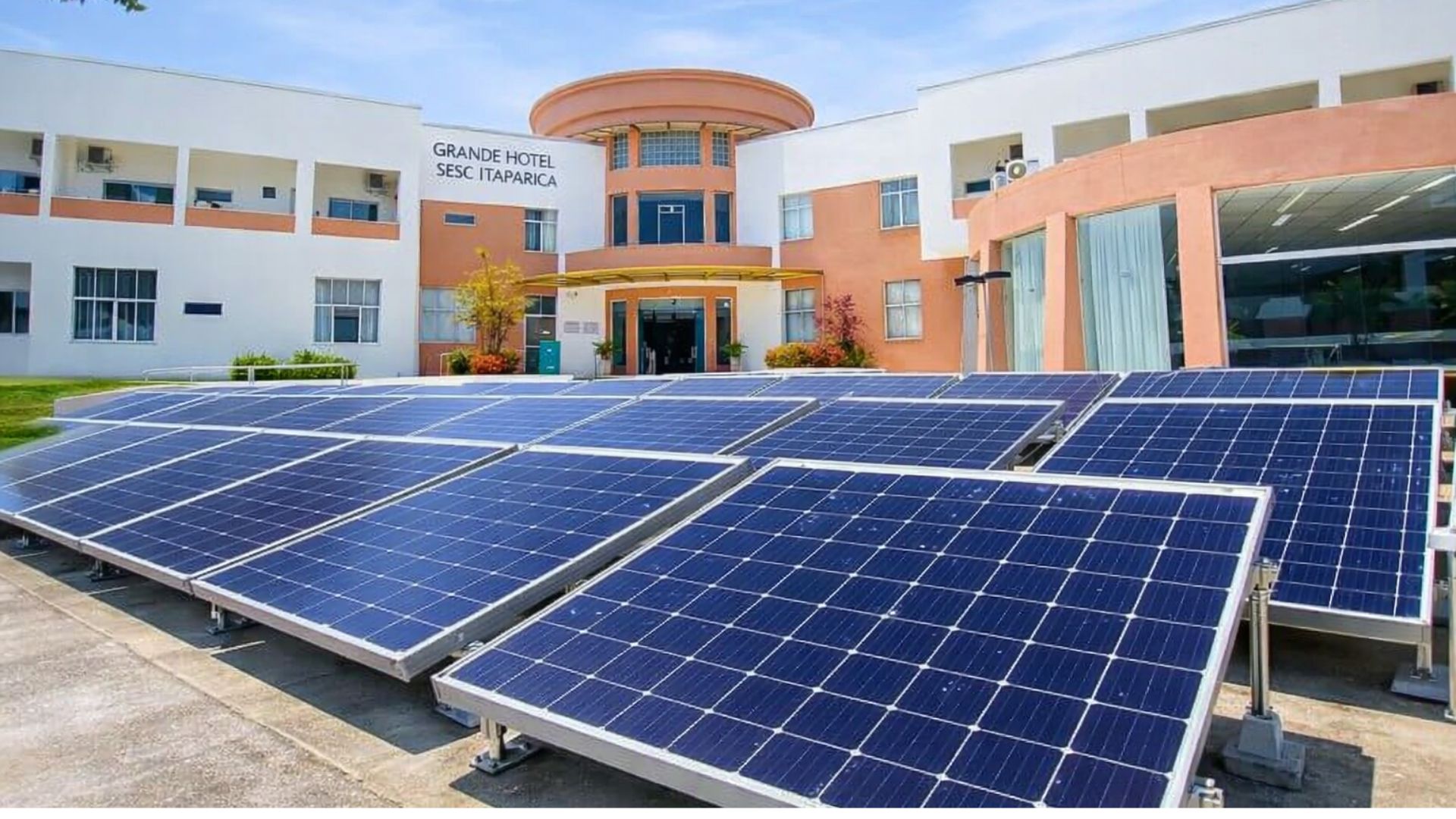
Sesc-BA bets on renewable energy with the support of EDP and drives the energy transition with a direct impact on cost reduction and the sustainability of its operations in Bahia.
-
Technology giant breaks global sustainability records: How Amazon’s leadership in renewable energy procurement transformed the global energy market in the past year.


He states that the new edition of the Review reinforces the ongoing advancement of the country’s energy policies and confirms the strategy of valuing its resources and diversifying the matrix. Everyone remains committed to driving energy transition and maintaining Brazil’s prominence on the international stage.
Share of Renewable Sources Rises to 50% and Confirms Progress in Energy Transition
The main highlight of the document is the confirmation of progress in renewable sources, which have reached half of the national energy matrix, with an increase of 0.9 percentage points compared to 2023. The factors sustaining this evolution include:
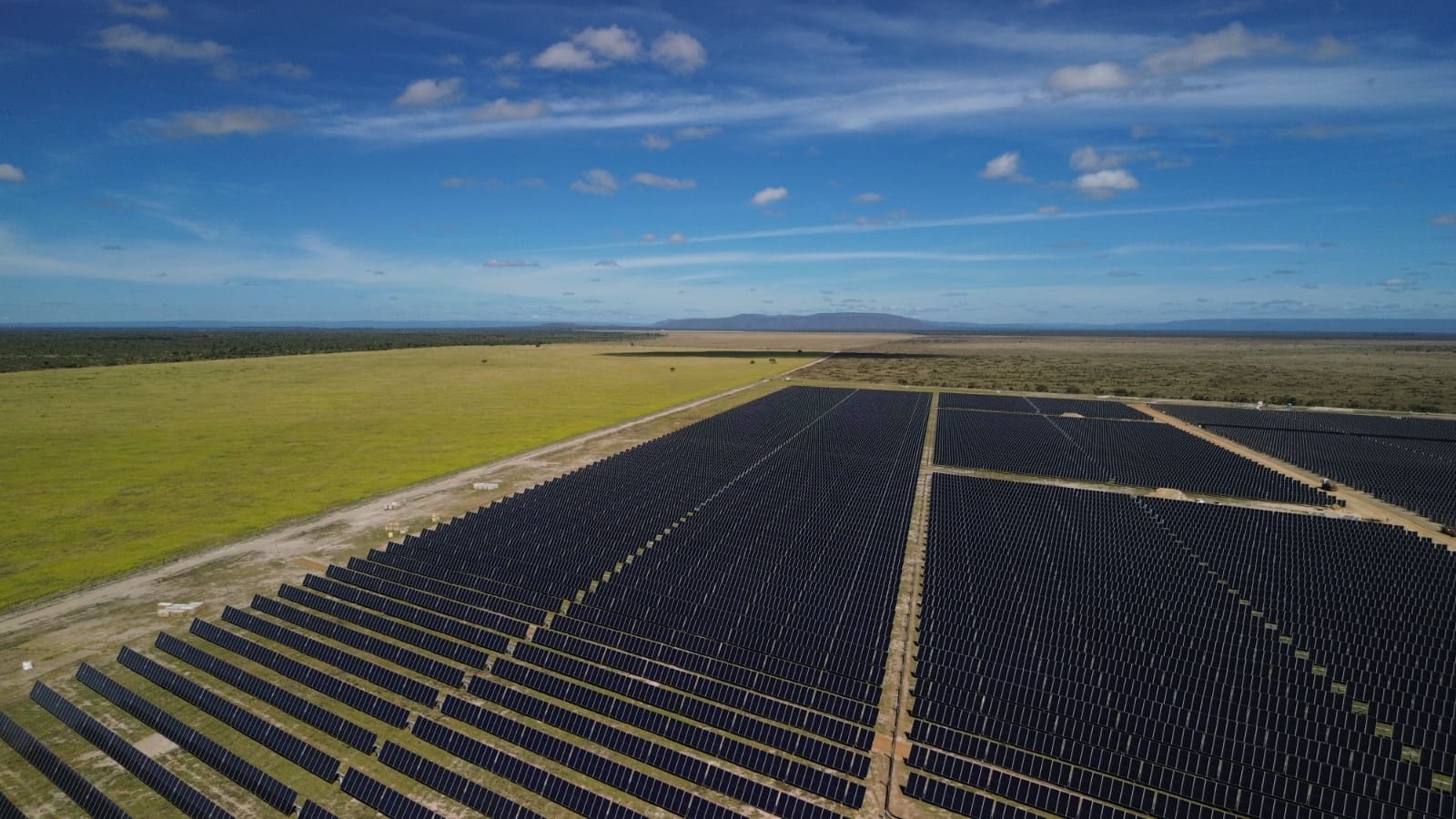
- accelerated expansion of solar energy, with growth of 33.2%;
- continuous advancement of wind energy, which increased by 12.4%;
- greater share of vegetable oils (28.35%), reinforcing the production of clean fuels.
The performance demonstrates that Brazil’s energy transition continues to advance structurally and competitively. The presence of renewables nearly four times higher than the global average illustrates the country’s ability to align diversification, sustainability, and energy security.
New Record for Internal Energy Supply: 322 Million Tep
The Review also recorded new levels in Internal Energy Supply (OIE), which reached 322 million tons of oil equivalent (tep) in 2024, the highest value in the historical series. This indicator represents a growth of 2.4% over 2023.
This increase occurred despite stability in the use of non-renewable sources and a slight decline in the consumption of oil and derivatives. The dynamics suggest a balance between economic growth and energy diversification, reducing external vulnerabilities and strengthening supply security.
Energy Efficiency Advances: Brazil Is 11.8% More Efficient Since 2005
Another relevant indicator presented by the Review is the continuous gain in energy efficiency. According to the ODEX Index, an international reference measuring overall efficiency performance, the country is 11.8% more efficient in 2023 compared to 2005.
This result is driven by historical programs such as Procel, which since 1986 has accumulated savings of around 263 billion kWh. The growth in energy efficiency indicates an increasing modernization of equipment, buildings, and industrial processes, as well as reducing losses and enhancing the intelligent use of energy.
Transport Sector Accelerates Decarbonization with Increase in Biofuels
The transport sector recorded a 2.7% increase in final energy consumption in 2024, with biofuels being the highlight. Ethanol grew by 15.6%, while biodiesel advanced by 19.2%.
This performance occurs within the context of the Future Fuel Law (Law 14.993/2024), which sets progressive targets to increase the share of low-carbon fuels, such as ethanol, biodiesel, green diesel, and biomethane.
According to sector specialists, the numbers show that biofuels continue to solidify their role in emission reduction goals and in building production chains integrated with agribusiness and bioenergy. Transport maintains a consistent trajectory of decarbonization and greater use of clean sources.
Energy Transition and Supply Security Strengthen Brazil’s Position
The 2025 Energy Review confirms the strengthening of the Brazilian matrix as one of the most renewable in the world. The performance contributes to enhance the country’s international prominence in climate and green financing forums, as well as reinforces credentials to attract investments in strategic projects such as:
- green hydrogen,
- sustainable aviation fuels,
- carbon capture and utilization,
- expansion of energy credit markets and environmental certificates.
For the MME, diversification of the matrix not only enhances environmental competitiveness but also reduces volatilities associated with international crises and strengthens supply security in the long term.
The new edition also presents an interactive panel with complete data from the Review, facilitating access to information for companies, researchers, public policy makers, and electric sector agents. The set of consolidated statistics and indicators reaffirms Brazil’s role as a global reference in energy diversification and the ongoing expansion of renewable sources.







-

Uma pessoa reagiu a isso.