





 English
  Francês
  Alemão
  Italiano
  Japonês
  Norueguês
  Portuguese
  Spanish
  3 min of reading


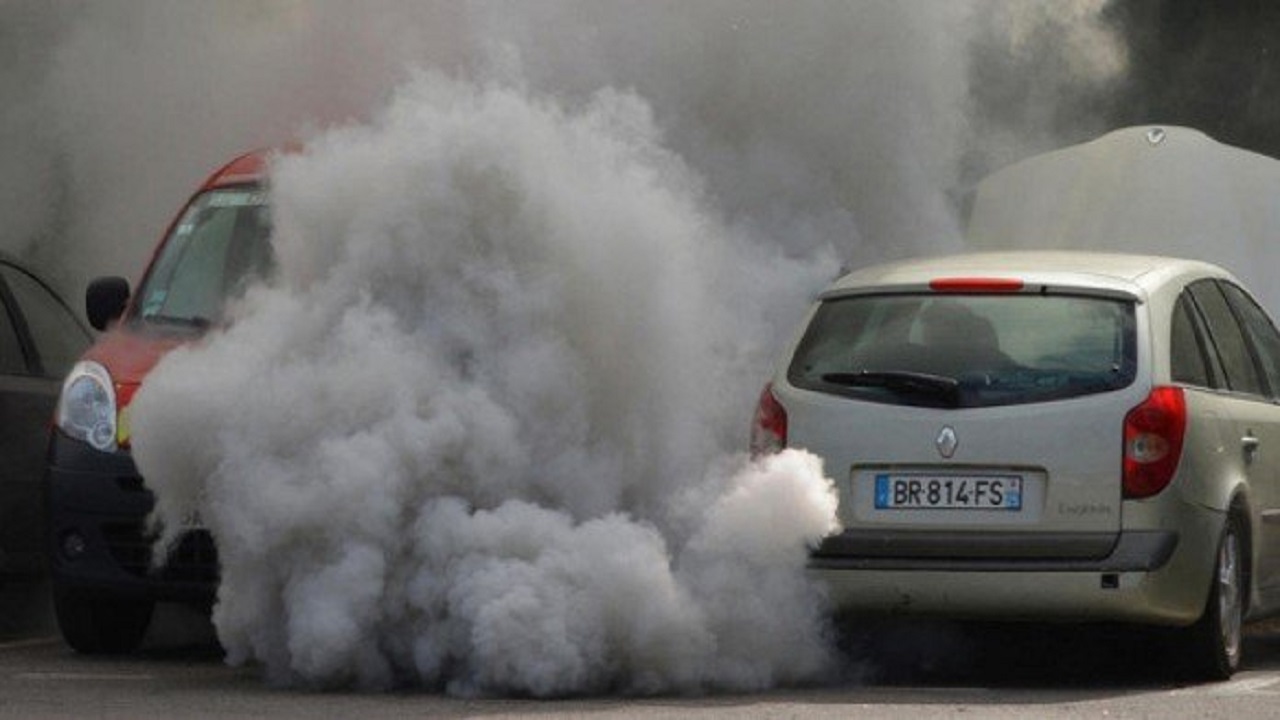
Thinking About Gasoline Cars, Brazil, Germany, USA, and China Did Not Join the Pact Formed by 24 UN Countries. The Initiative Aims to End the Sale of Polluting Cars by 2040
Brazil decided to stay out of a pact composed of 24 UN countries for the commercialization of gasoline cars to prevail by 2040. The pact includes countries like Canada, the Netherlands, Chile, New Zealand, Ireland, and the United Kingdom. From Latin America, Paraguay and Uruguay have shown interest in joining the agreement. Although Brazil has decided not to join, it was not the only country to disagree with the date of 2040. The USA, Germany, and China also disagreed with ending the sale of gasoline cars.
Read Other Related News
Unlike Brazil, Automakers from Germany and USA Support the UN Pact
The group also includes automakers that support the measure at the UN Climate Change Conference, which is taking place in Glasgow, Scotland. Ford from the USA, Mercedes-Benz from Germany, and Volvo from Sweden support the decision to end the sales of gasoline cars by 2040.
However, on the other side, like Brazil, Germany, the USA, and China, Toyota and Volkswagen did not participate in the UN measure. Toyota’s position is understood as the automaker is one of the largest players against the decision for total electrification. The Japanese giant bets on hybrid cars with hydrogen and ethanol as fuel, in addition to the latter being a reagent in fuel cells.
-
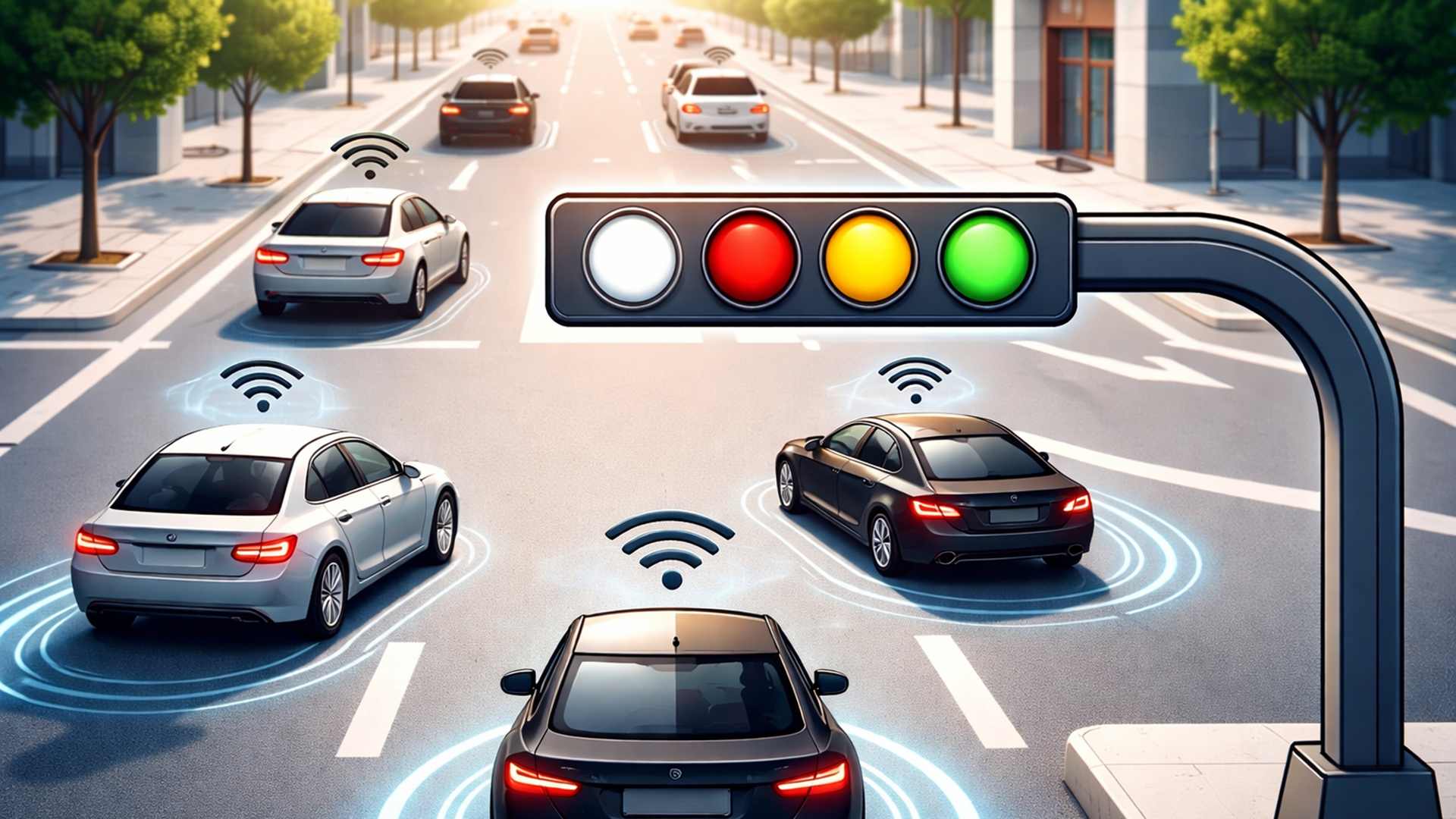
Engineers propose a fourth traffic light for intersections – the change promises to affect crossings, queues, and waiting times.
-
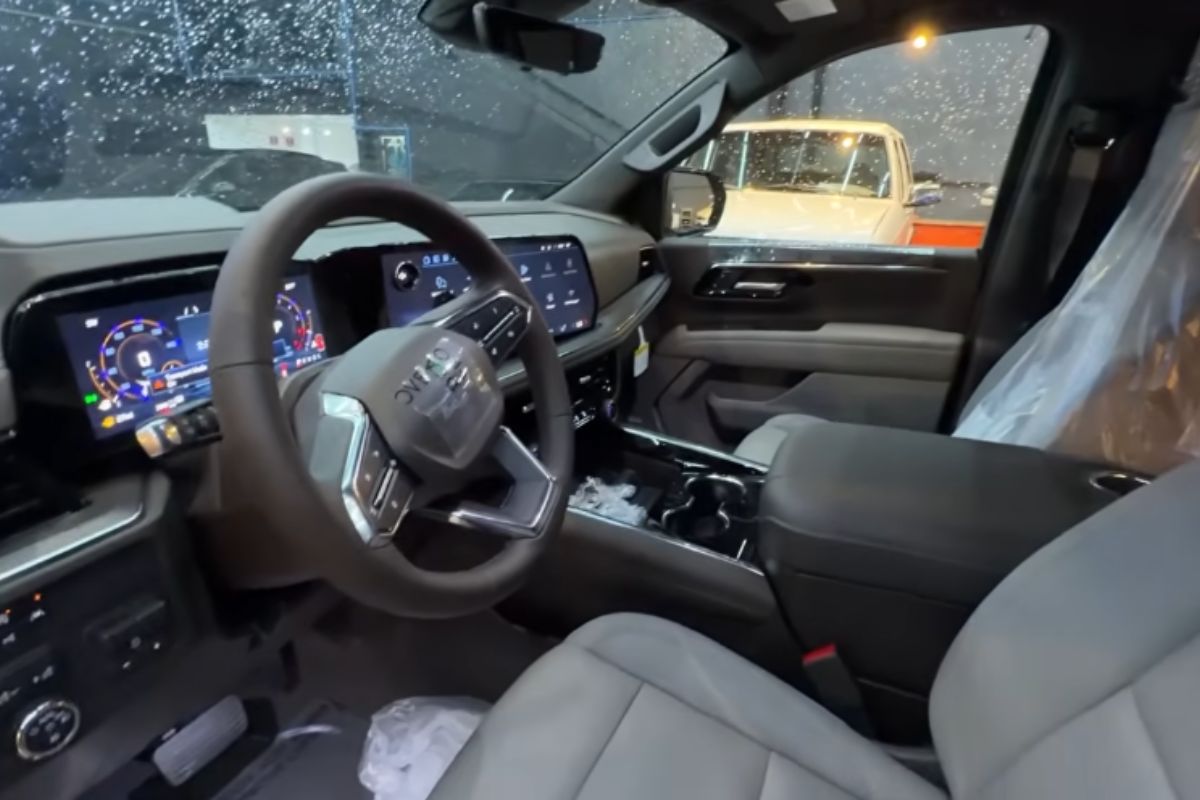
Chevrolet Suburban Z71 lands in Brazil with a V8 engine, off-road design, air suspension, seven seats, and colossal size, a rare version imported for around R$ 1.3 million with luxury and exclusivity.
-
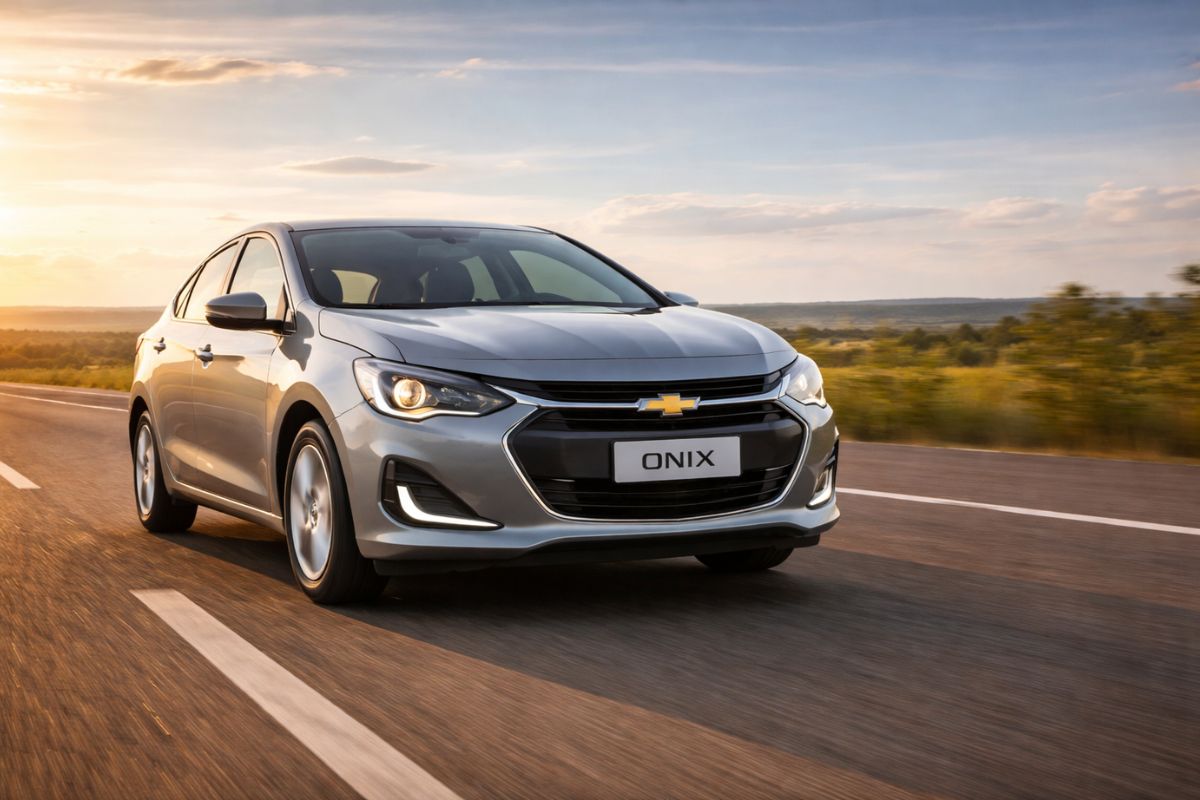
The Chevrolet Onix 1.0 turbo achieves 17.7 km per liter on the highway and ranks among the three most economical cars in Brazil in 2026, alongside two more expensive Toyota hybrids available at dealerships.
-
Little sister of the Hilux: Toyota launches Land Cruiser FJ with 4 radical versions, 2.7 engine with 166 hp and 4×4 traction with locking.
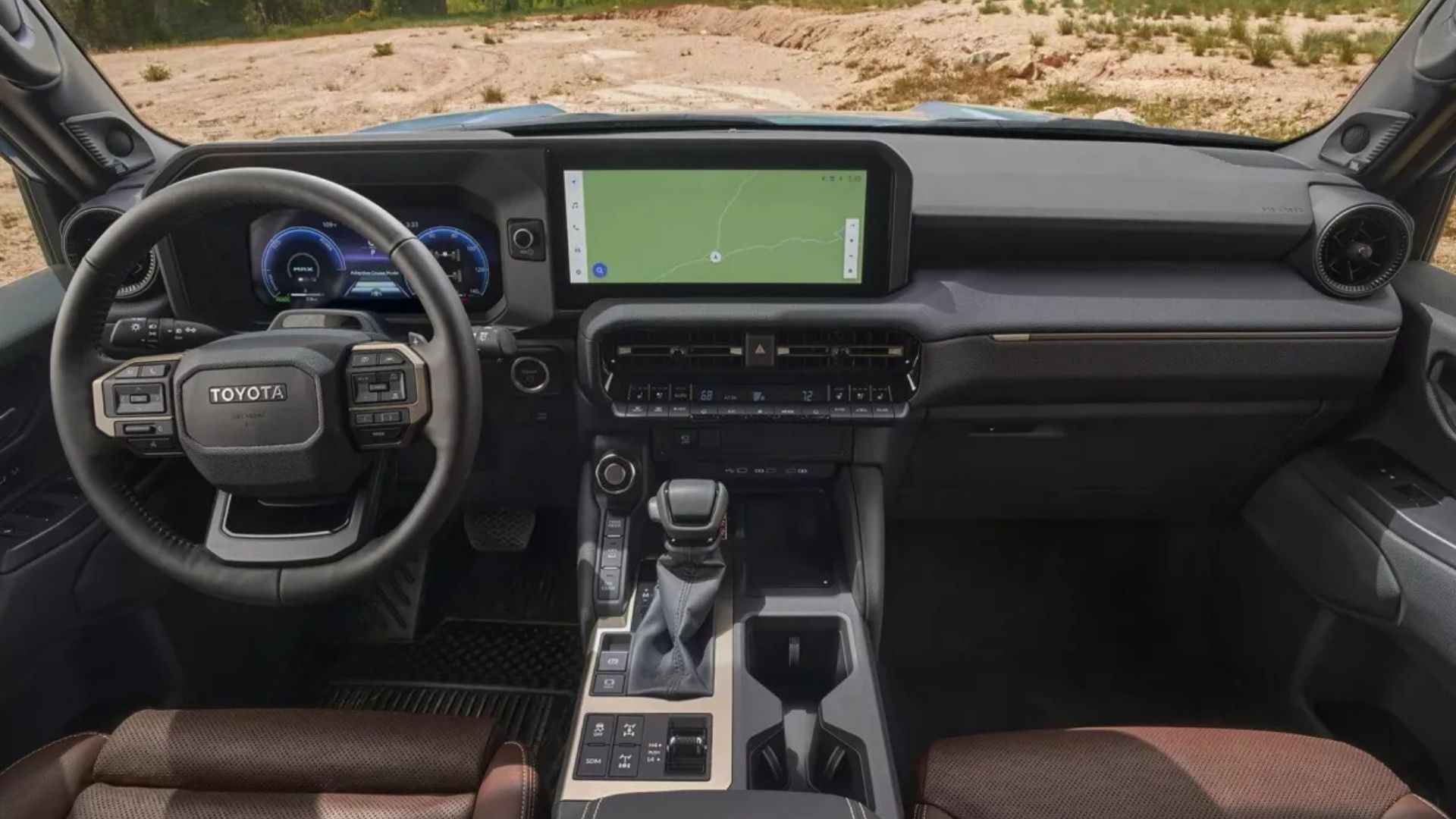

In the case of the German brand, Volkswagen, which is currently one of the largest players dedicated to electrification, the decision not to support the UN pact, like Brazil and the USA, stems from its position in South America and China.
Volkswagen Has Plans for Biofuel Development in Brazil
The reason Volkswagen is staying out is its current plan to transform Brazil into one of the main centers for biofuel development for markets where electric cars will arrive more slowly, such as India, which still uses many gasoline cars.
However, the Asian country stated at the UN conference that it plans to accelerate the presence of electric cars or other sustainable emission sources. Even so, New Delhi, the capital of India, has shown support for bringing flexible-fuel vehicles to the region.
Among the leaders who signed the pact, government officials had already stated their willingness to end the commercialization of gasoline cars by 2030. Among the metropolises that closed the agreement, only Buenos Aires did not join.
Brazil Supports the Use of Ethanol
The Federal Government and the sugarcane industry praised the use of ethanol in the new scenario of electric vehicles. The delegation showcased the advantages of using ethanol at COP26, claiming it has a lower carbon emission rate than electric vehicles.
Ethanol is increasingly at the center of debates with the beginning of the transition to electric cars and the end of gasoline model commercialization. Although electric vehicles have a higher price, their value will drop significantly in the coming years.
One of its main components, the battery, has seen its price decrease every year, and with the creation of new technologies, the trend is for “zero-emission” models to become more accessible.








Seja o primeiro a reagir!