





 Portuguese
  English
  Spanish
 4 min of reading
  0 comments


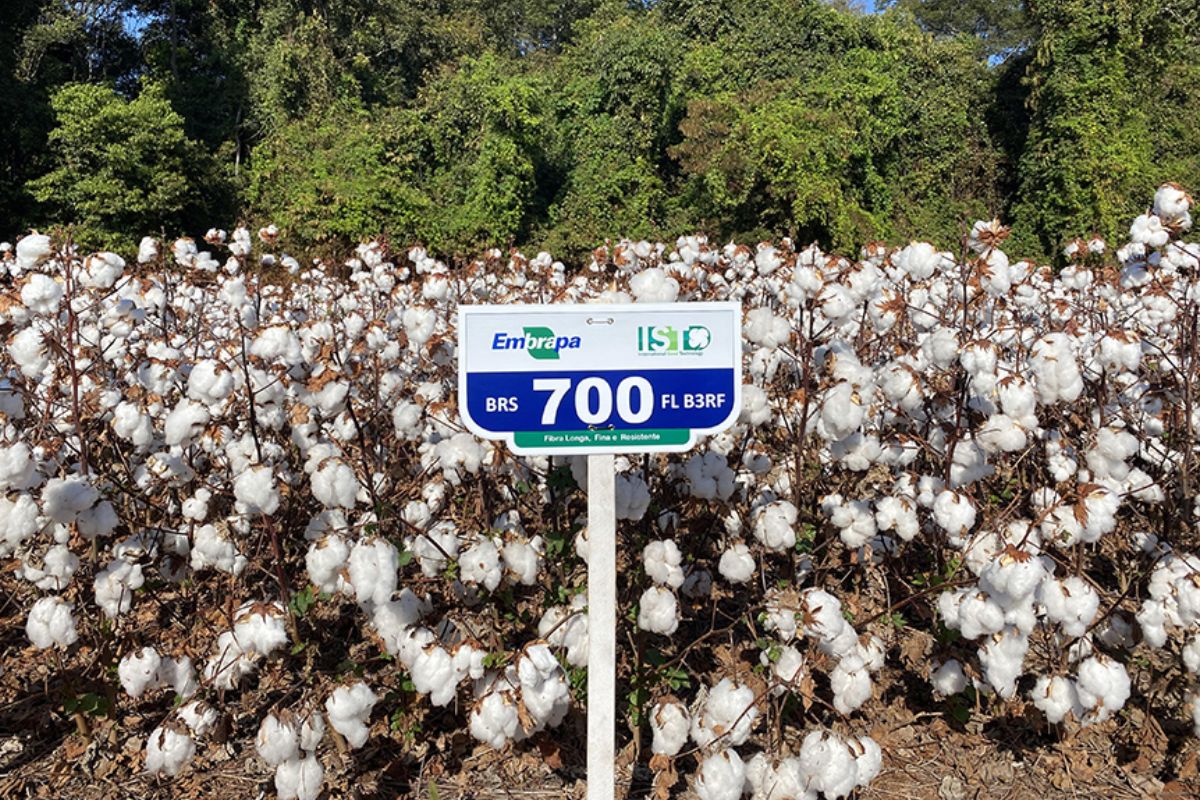
Brazil Launches High-Quality Long Fiber Cotton Resistant to Diseases. New Embrapa Varieties Promise Productivity and Sustainability, Serving Different Regions
Long fiber cotton is arriving in Brazil in a new phase. Researchers from Embrapa, in partnership with Lyntera, have developed two varieties that promise to change the way cotton is grown in the country.
According to a report published on the portal of this public agency, the first, named BRS 700FL B3RF, focuses on fiber quality, similar to Egyptian and Pima cotton, which are widely used in fine fabrics and high-end clothing.
The BRS 800 B3RF, on the other hand, is aimed at resistance to diseases and pests that affect production, such as ramularia and root-knot nematodes.
-
China banned the export of 22 tons of meat from Argentina.

-
While Russia dominates the global wheat market, Brazil emerges as an unexpected competitor in the Cerrado, offering grain available in July and August when stocks in the Northern Hemisphere are at their lowest point of the year.

-
China returned almost 20 Brazilian ships with soybeans, but now everything could change: the country that buys 80% of the grain is considering relaxing regulations after impurities held up shipments of thousands of tons and caused million-dollar losses.

-
The drought of the cerrado was considered an enemy of wheat, but Brazilian scientists turned the lack of rain into a competitive advantage by creating a grain with quality that is already attracting the attention of international mills around the world.


These varieties combine productivity and technology. Both have protection against caterpillars and tolerance to the herbicide glyphosate. The goal is to reduce costs and make cultivation more sustainable, serving producers from different regions of Brazil.
The launch represents an opportunity for the country to reduce its dependence on high-quality imported cotton while also offering safer alternatives against problems that reduce production.
Excellence Fiber for Demanding Markets
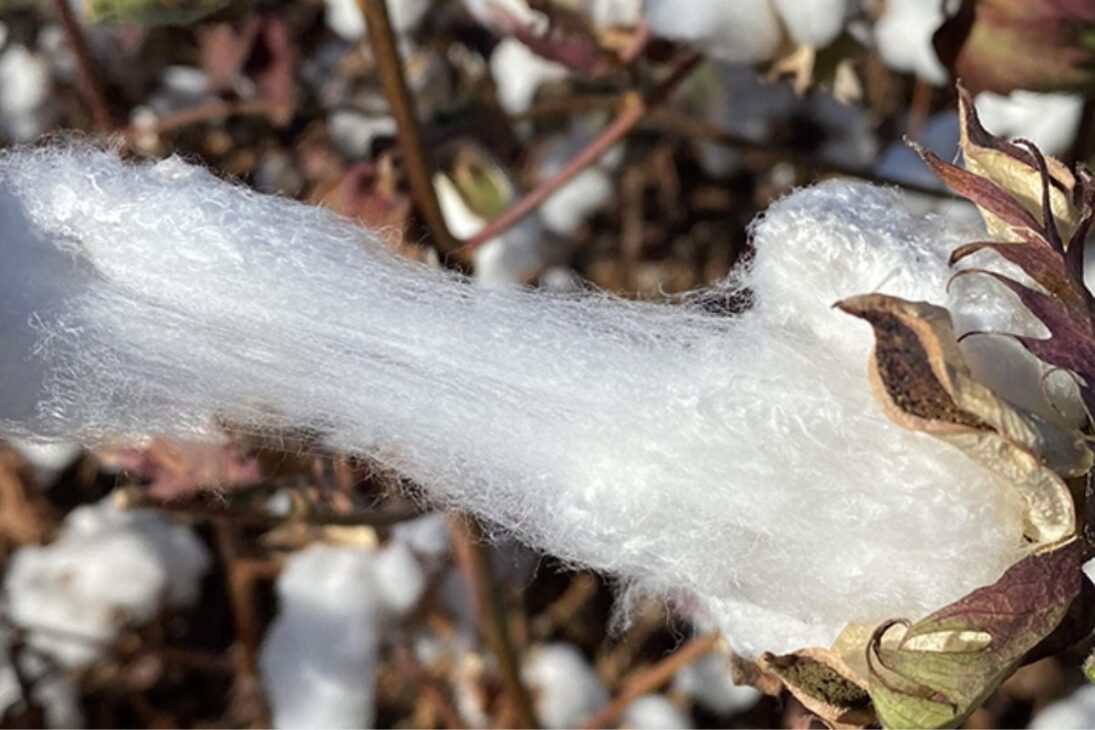
The BRS 700FL B3RF variety, which represents long fiber cotton, was developed with fiber quality in mind. The average length reaches 33.5 millimeters and can exceed 34 millimeters in more than half of the regions where it is grown.
This fiber is fine and resistant, ideal for the production of fine fabrics, with performance close to imported Egyptian or Pima cotton.
The fiber’s resistance is 32.8 gf/tex and the micronaire reaches 3.7, meaning it is easy to spin and finish into fabrics. The average productivity of BRS 700FL B3RF is 4,524 kilograms per hectare, with a fiber yield of 38%.
The plant’s stature is tall and the cycle long, allowing adaptation to the conditions of the Cerrado and Caatinga biomes.
The indicated states include Bahia, Tocantins, Goiás, Mato Grosso, Mato Grosso do Sul, Rondônia, Minas Gerais, Paraná, São Paulo, Paraíba, and Ceará.
Researcher Camilo Morello, coordinator of the Cotton Breeding Program at Embrapa Cotton (PB), emphasizes that this variety offers high-quality fiber, adding value to national production and bringing Brazil closer to the luxury cotton market.
Reduction of Losses and Economy with Pesticides
The BRS 800 B3RF variety is another option for long fiber cotton, but with a focus on resistance to diseases and pests. It protects against ramularia, blue disease, bacterial blight, and root-knot nematodes, a pest capable of devastating entire crops.
According to researcher Nelson Suassuna from Embrapa, ramularia is the disease that most requires the application of fungicides in the country, potentially up to eight times during the cycle in susceptible varieties.
The root-knot nematode, on the other hand, undermines production, especially in Mato Grosso and Bahia, affecting about 25% and 37% of the areas, respectively.
The BRS 800 B3RF offers an average productivity of 5,000 kilograms per hectare, a fiber yield of 42%, and a length of 29.5 millimeters. With an early cycle, it is suitable for the second harvest, common in Mato Grosso, and for late crops with pivots in Bahia.
The variety adapts to Goiás, Mato Grosso, Mato Grosso do Sul, Bahia, Ceará, Maranhão, Paraíba, Piauí, Rondônia, Tocantins, Minas Gerais, São Paulo, and Paraná.
With this resistance, producers can reduce the number of pesticides applied, lower costs, and maintain production even in areas with a history of diseases and pests, ensuring greater economic security.
Genetic Technology That Helps the Producer
Both long fiber cotton varieties use Bollgard 3 RRFlex technology developed by Bayer.
This technology protects against the main cotton bollworm, such as Heliothis and Spodoptera, and allows the use of glyphosate herbicide, facilitating weed management.
Another important point is regional adaptation. The BRS 700FL B3RF, with a longer cycle, requires more technical management, suitable for areas with greater environmental control. The BRS 800 B3RF, with a shorter cycle, adapts well to the second harvest, offering more cultivation options to producers in different states.
Transgenic technology contributes to more sustainable practices, reducing the use of pesticides and protecting crops from losses caused by diseases and pests.
Thus, producers can maintain productivity without harming the environment or the health of the plants.
Cotton Market in Transformation
Brazil is one of the largest cotton exporters in the world, but still imports special fibers to meet the luxury clothing market. With the BRS 700FL B3RF, which is long fiber cotton, part of this demand can be met domestically, adding value to the national product.
At the same time, the BRS 800 B3RF strengthens the sustainability of cotton cultivation. Producers in regions where diseases and pests previously compromised profitability can now count on a resistant variety, with lower pesticide needs and greater economic security.
The seeds of these new varieties are available through Lyntera, a licensed company for multiplication and commercialization.
Thus, Brazilian producers have access to modern varieties, adapted to local needs, capable of meeting both the luxury market and the production challenges in areas affected by diseases.
The launch of the new varieties represents an opportunity for Brazil to advance in quality, productivity and sustainability in cotton cultivation, offering producers more alternatives to ensure profitability and meet domestic and international cotton demand.









Seja o primeiro a reagir!