





 Portuguese
  English
  Spanish
  3 min of reading



Brazil Presents New Offshore Technologies to the Global O&G Market and Initiates a New Trend in Oil Exploration Tooling
Since the beginning of offshore oil and natural gas exploration in Brazil, in 1968 with the first oil discovery at sea, the Guaricema field in Sergipe, the first tools and equipment specifically created for hydrocarbon extraction came from abroad. Even to this day, it remains the same; the main technologies for drilling, cementing, profiling, seismic, completion, and other services come from international companies. Due to the large number of operations in Brazil, situations have arisen in the field that demonstrated the need for new technologies to solve the problems.
[adrotate banner=”5″]
-
Haiti’s capital is experiencing an energy and construction crisis, facing blackouts, a blocked port, and buildings at risk after years of instability and a significant earthquake.

-
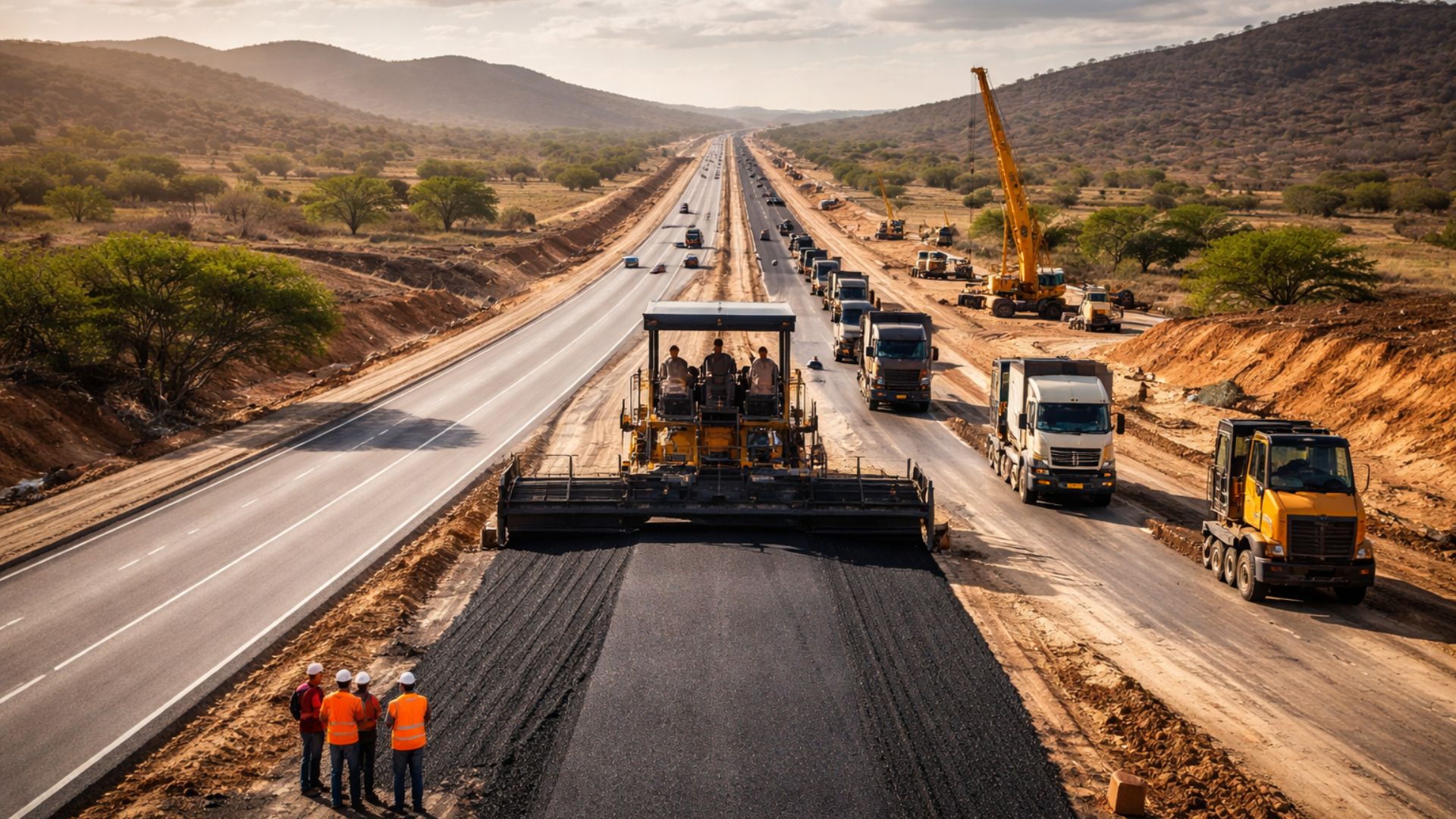
Government unlocks R$ 554 million for a highway that has been requested for decades and accelerates the duplication of BR.
-
Without bricks, without cement, and without endless construction: the cardboard house that is assembled in modules and can be moved.

-
Billions of barrels on the equatorial margin could lead Amapá to double its oil production in Brazil — the state aims to enter the route of companies in the Campos Basin, attract investments, and boost jobs and businesses in the oil and gas sector.

One of the most serious problems that has occurred was the oil leak on the seabed, which can generate extremely high fines, marine contamination, death of marine life, and other major issues. The Brazilian company Oilfinder has just developed, in collaboration with Coppe/UFRJ, a technology that detects possible leaks, known as (exudations). The company behind the project is taking the technology to Europe with the aim of internationalizing the tool. The main idea is to present Brazil as an exporter of offshore technology.
[adrotate banner=”6″]
Tool Functionality
“It is an ocean circulation simulator so that, once an oil slick is detected on the sea surface, we can identify its origin. This is the most interesting information for teams working with oil, who use much geological information to identify what type of rock exists below sea level. These satellite data have already been used in some way by the industry to discover clues of possible reservoirs. But our technology provides greater accuracy about where the origin of the oil slick is, on the seabed.
We have been working with Petrobrás since we started. Our validation project, before the company was founded, was done with the state-owned company. Since then, we have worked with them on various projects. We are also collaborating with other companies that have strengthened their presence in Brazil. Between 2012 and 2014, the country received a lot of investment from these foreign companies. It was a time when we managed to expand our client portfolio beyond Petrobrás. However, due to the oil price crisis, many teams from these foreign companies returned to their headquarters. This prompted us to accelerate our internationalization plan”.
According to Cíntia Soares, a partner in the project, there are already companies interested in purchasing the technology, and others seeking more information about functionality, costs, and training. With the advancement of national technology, it is possible that in the future Brazil will be able to export and not just buy.
[adrotate banner=”8″]
[adrotate banner=”9″]








Seja o primeiro a reagir!