





 English
  Francês
  Alemão
  Italiano
  Japonês
  Norueguês
  Portuguese
  Spanish
  4 min of reading


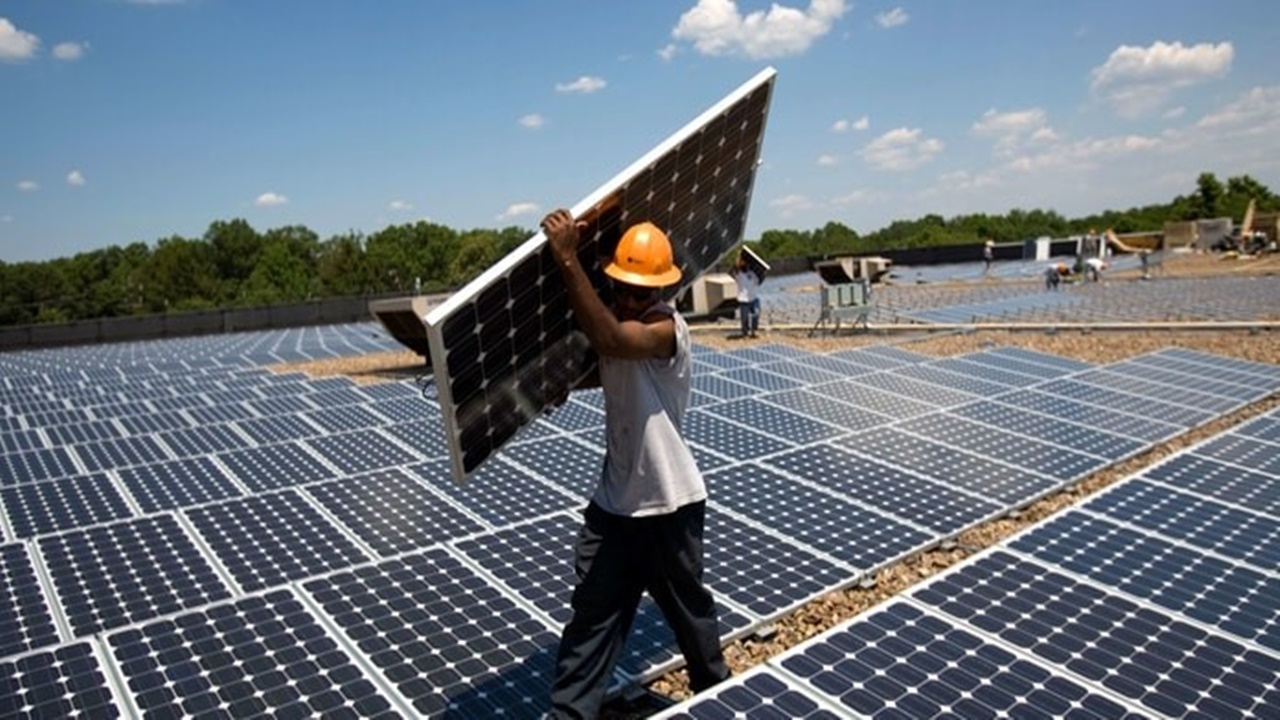
Energy Crisis In Brazil Affects The Wallets Of Brazilians Who Are Facing Constant Increases In The Electricity Bill (The Aneel Increase Of 52% In Extra Fees On The Electricity Bill Is Now In Effect, Raising It To R$ 9.49 Per 100 kWh) And There Is A Possibility Of Blackouts.
Looking at the problem without presenting solutions doesn’t help much, which is why solar energy has been one of the main topics of discussion and investment in Brazil. According to Absolar, the source has brought more than R$ 46 billion in new investments, along with 270,000 jobs in less than ten years. Minas Gerais ranks first in the distributed generation ranking, with 9,154 generating plants, followed by Rio Grande do Sul, which currently has 82,619.22 kW installed, even surpassing the state of São Paulo, which occupies the third position on the list. Next are the states of Paraná, Santa Catarina, Ceará, Rio de Janeiro, Mato Grosso, Goiás, and Pernambuco.
Read Also
- Oil Multinational Wood Calls Today (07/21) For 300 Job Openings For Professionals With Elementary, High School, Technical, And Higher Education To Work On Its New Project In Brazil
- Subsea 7 Opens Positions In RJ For Candidates Without Experience To Start Working In September, In Its Technical Internship Program In The Oil And Gas Industry
- Helper, Turner, Mechanic, Welder, Engineer, And Many Positions For Elementary, High School, Technical, And Higher Education Called For Job Openings In RJ And MG, Yesterday (07/20), By The Brazilian Infrastructure Services Company
- Billion-Dollar Offer Causes Brazil’s Largest Oil Company To Give Up The Papa-Terra Oil Field And Further Reduce Its Presence In Campos Basin
- Resume And Work Card In Hand To Compete For URGENT Job Openings And Work In August On The Construction Of The Wind Farm In Bahia
Amidst the worst hydrological recession in the last 90 years, authorities are discussing whether to have blackouts or implement energy rationing – a possibility enacted during the 2001 crisis. The consequences of both scenarios will be disastrous, especially with an increase in hospital deaths due to interruptions in the operation of devices; paralysis of industrial production – and lack of products; deficiencies in communication processes in general – without internet and telephony; and the inability of people to pay their bills and taxes.
Energy Crisis Affects Minas Gerais, Goiás, Mato Grosso Do Sul, São Paulo, And Paraná. And The Entire Brazil Is Already Paying More For The Electricity Bill
Five Brazilian states are under maximum emergency alert, according to the federal government: Minas Gerais, Goiás, Mato Grosso do Sul, São Paulo, and Paraná. And the entire Brazil is already paying more for the electricity bill. This is all because thermoelectric plants, which use gas and oil and therefore have higher generation costs, are activated. To give you an idea of the cost, since June 1st, the activation of the red flag, at level 2, represents R$ 6.24 for every 100 kWh. And the National Electric Energy Agency (Aneel) has decided on a 52% increase in extra fees on the electricity bill, raising it to R$ 9.49 per 100 kWh.
-
Rio Grande do Sul accelerates energy transition: State invests in renewable technologies and consolidates decarbonization strategies and pathways to attract billions in new industrial investments.

-
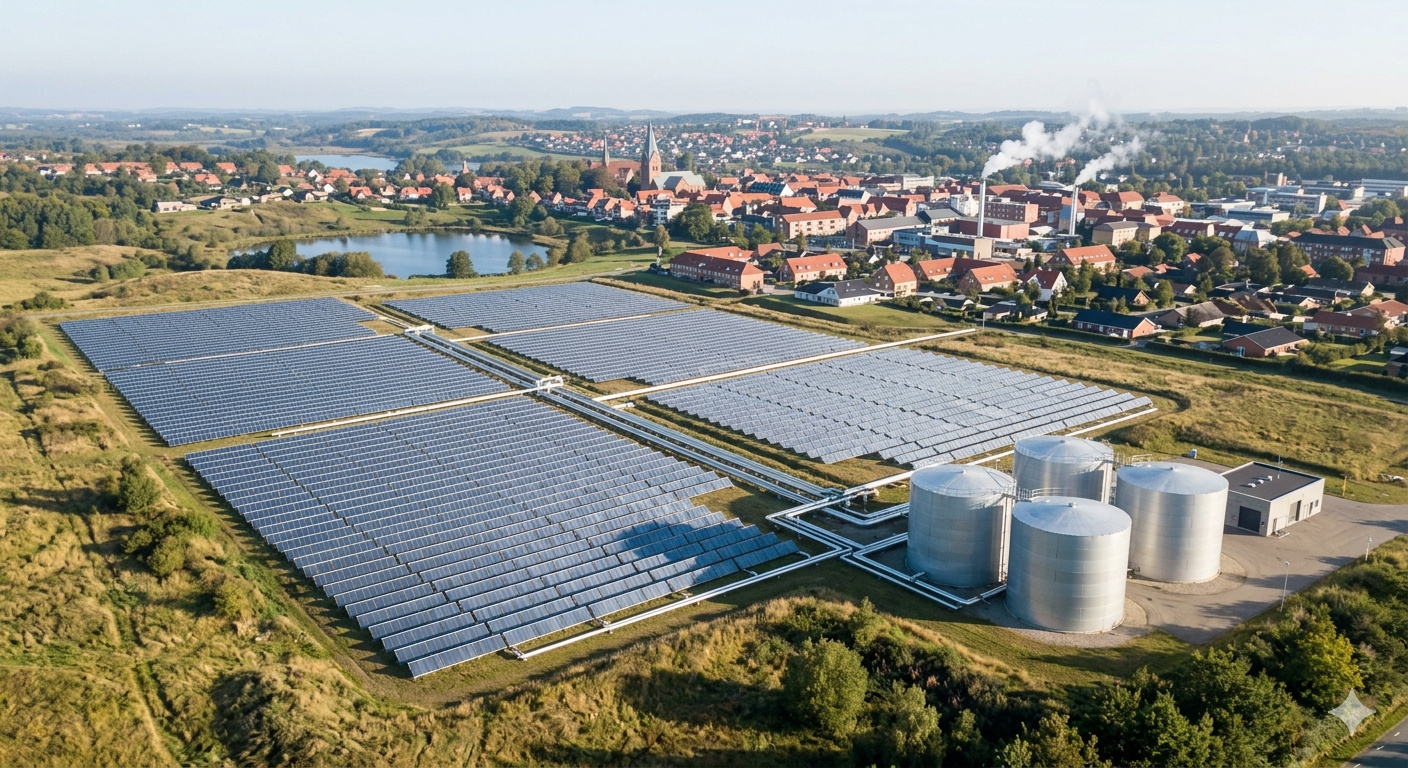
With 160,000 m² of collectors, an area larger than 20 football fields, Silkeborg, in Denmark, hosts a solar thermal plant that heats 19,500 homes and could become the largest solar heating plant in the world.
-
A study reveals the expansion of renewable energy procurement in Brazil and shows how companies are taking advantage of opportunities to reduce expenses, ensure energy efficiency, and strengthen strategic environmental commitments.

-
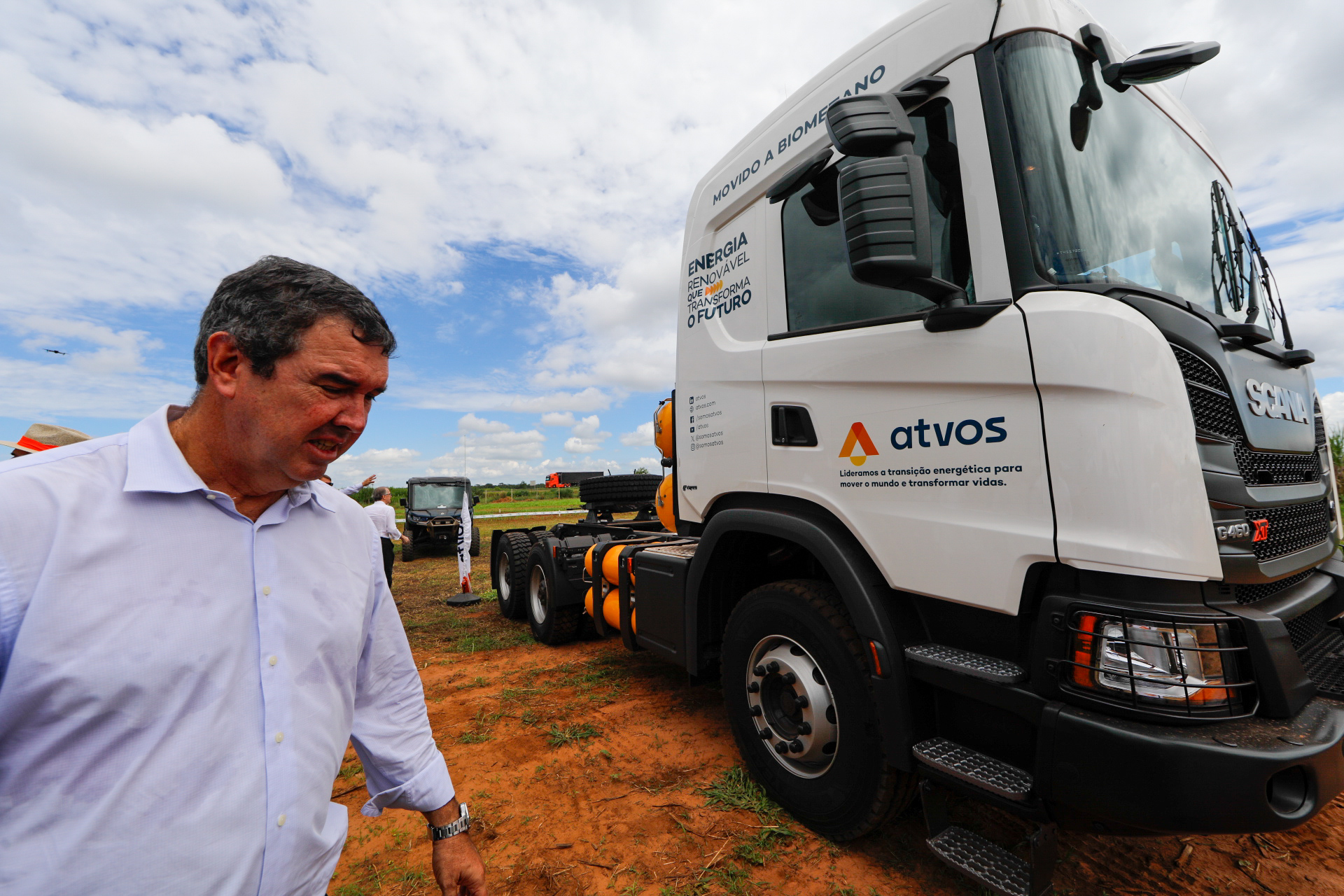
Mato Grosso do Sul excels in the sugar-energy sector: the state reaches a milestone of 22 operating mills and accelerates the production of clean energy in MS with a focus on sustainability.

The justifications behind this situation, which already affects inflation and threatens economic growth, lie in the lack of rain, planning failures, and the operation of the electrical system, as well as the energy pricing model. However, as inventor and mechanical engineer Henry Ford taught, “Don’t find a defect, find a solution,” the key to this problem may be closer than it seems. “It’s in photovoltaic energy,” guarantees Tiago Sarneski, partner and owner of Entec Solar, a company specialized in the field, emphasizing that by the end of May, solar energy reached the mark of 9,000 megawatts of installed capacity.
According to a recent mapping by the Brazilian Association of Photovoltaic Solar Energy (Absolar), the state of Minas Gerais ranks first in the distributed generation ranking, with 9,154 generating plants; 938.1 megawatts in operation across residences, businesses, industries, rural properties, and public buildings, accounting alone for 18.1% of the entire Brazilian photovoltaic energy park. The “silver medal” goes to Rio Grande do Sul – where the demand for distributed generation is growing the most – which currently has 82,619.22 kW installed, even surpassing the state of São Paulo, which occupies the third position on the list, followed by the states of Paraná, Santa Catarina, Ceará, Rio de Janeiro, Mato Grosso, Goiás, and Pernambuco.
Solar Energy Has Surpassed The Sum Of The Capacity Of Coal Thermoelectric Plants, Nuclear Plants, And Brought Over R$ 46 Billion In New Investments, Generating Over 270 Thousand Jobs In Brazil!
“And the reasons to celebrate don’t stop there: reaching the mark of 9,000 megawatts, the energy of the sun is now greater than the total capacity of coal thermoelectric plants and even nuclear plants, which represent 5.6 gigawatts,” highlights Sarneski.
According to Absolar, since 2012, the source has brought more than R$ 46 billion in new investments and generated more than 270,000 jobs.
From the perspective of the specialist from Entec Solar, this is a very timely moment to discuss the topic for various reasons: the first is the risk of blackouts, followed by saving money for Brazilians. “Next, because the Bill No. 5,829 of 2019, which will establish the legal framework for photovoltaic energy in the country, is set to be analyzed in the National Congress, democratizing access to solar energy.”
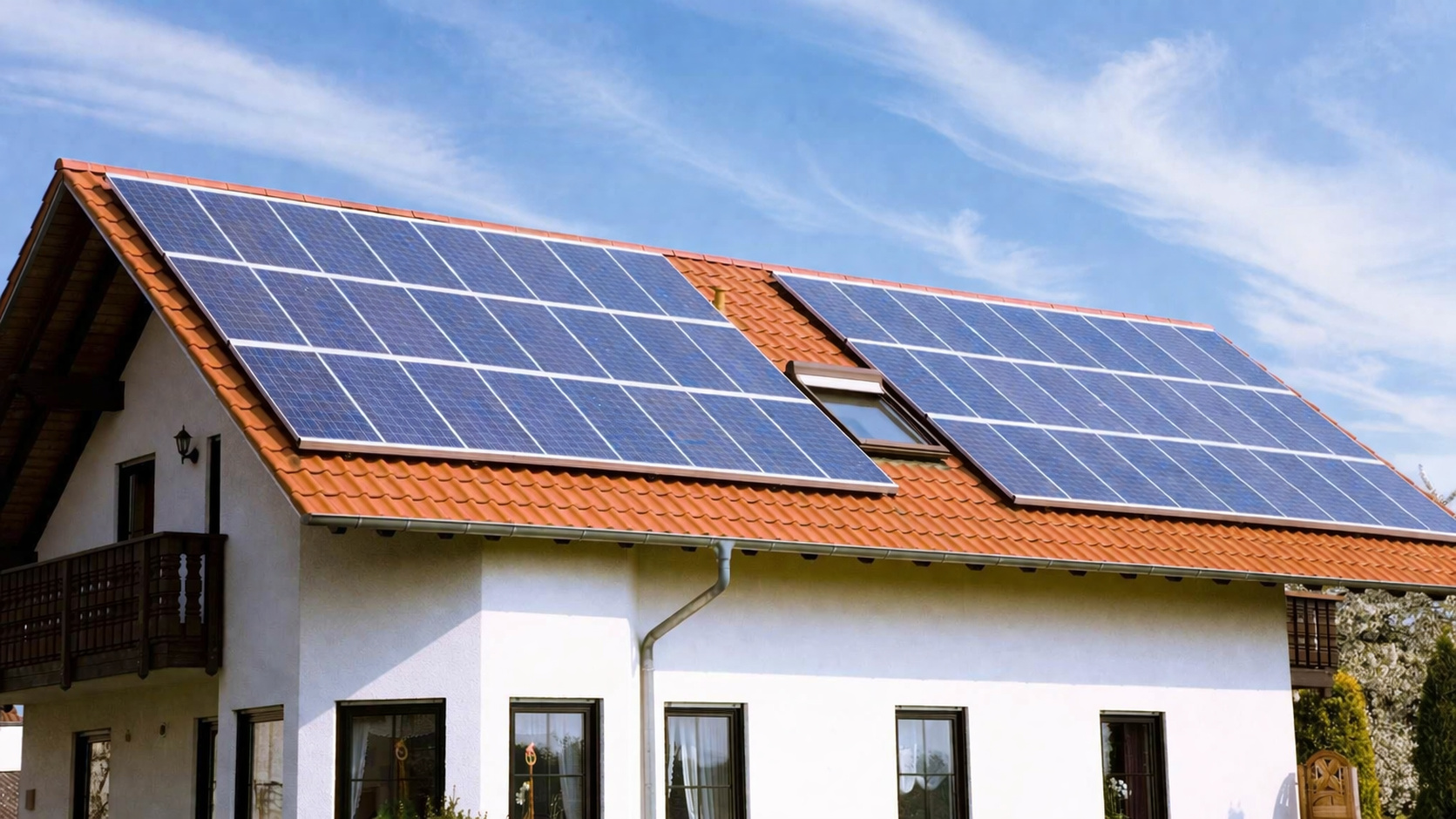
Finally, he notes that there are many advantages to solar energy, such as “the low environmental impact, its simple installation, its negligible cost in relation to its useful life (over 25 years), and the fact that it can be used as a substitute for conventional electric power.”








Seja o primeiro a reagir!