





 Portuguese
  English
  Spanish
  3 min of reading
  0 comments



The Historical Increase in Deportations of Brazilians in 2025 Exposes the Hardening of US Migration Policy, Reveals Prolonged Detentions, Packed Weekly Flights, and Forces Brazil to Expand Reception and Social Reintegration Actions
Brazil recorded in 2025 the highest number of deportations of Brazilians from the United States since the beginning of charter flights in 2020, according to data presented in a report aired by Jornal Nacional.
Since January alone, 3,170 Brazilians living in irregular migration status in American territory have been deported, a more than 90% increase compared to the previous year, as reported by the federal government.
This data reflects an intensification of US anti-immigration policy and positions 2025 as the year with the highest volume of forced returns since the inception of this air operation model.
-
Brazil’s oil exports soar with record purchases from China, potentially generating a new cycle of economic growth, increasing external revenues, and consolidating the country as a global strategic supplier.

-
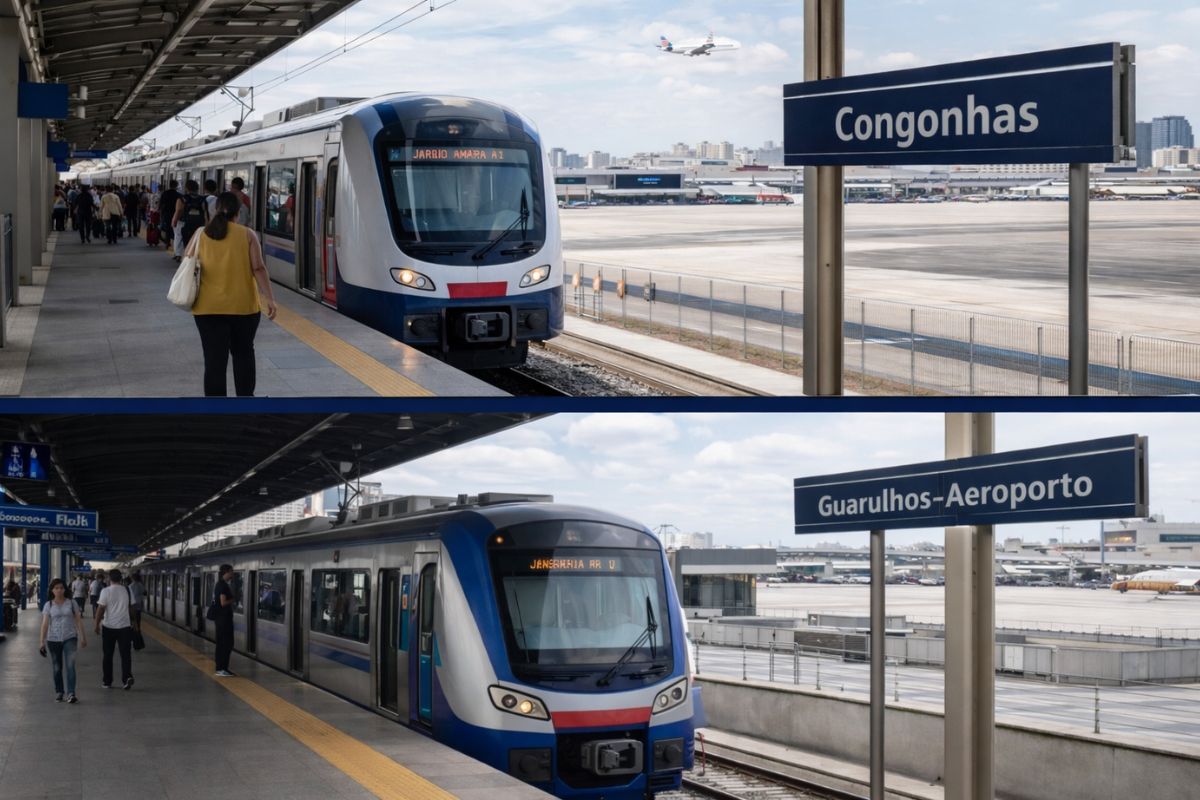
São Paulo has connected its two airports by rail for the first time in history, and now you can travel by train from Congonhas to Guarulhos for just R$ 5.40. However, the journey requires four transfers, takes about two hours, and only operates during a narrow time window that almost no one can use.
-
The savings of Brazilians are depleting: savings accounts recorded the third consecutive month of withdrawals, with over R$ 41 billion taken out in the first quarter of 2026, the largest outflow in an entire year.

-
Curitiba will have a direct flight to Europe starting in July, and for the first time in history, Paraná will have a continuous air connection with Europe, saving three hours of travel for passengers who previously needed to connect in São Paulo.
Flight With 80 Deportees Arrived in Belo Horizonte
The 34th flight of deportees this year landed at Belo Horizonte International Airport this week, bringing 80 Brazilians who had been detained by US immigration authorities.
Among them was Lucas, who had been living illegally in the country for seven years and spent three months in detention before being deported to Brazil.
Visibly emotional upon disembarking, Lucas reported his anticipation for the return. He stated he was happy to finally arrive in the country after a long period of waiting.
Stories Marked by Detention and Forced Return
Another deportee, Aridelson, spent nearly two months in detention before being placed on the flight back to Brazil, according to the report.
Upon arrival, he expressed his intention to rebuild his life in the country, work in his professional field, and remain permanently in Brazilian territory.
The accounts reveal similar experiences among deportees, marked by long periods of detention and uncertainties leading up to their return.
Brazilian Government Action in Reception
Since the beginning of the year, the Ministry of Human Rights and Citizenship has structured a specific program to welcome deported Brazilians.
The initiative provides initial support, guidance, and referral of these individuals to their cities of origin after disembarking on Brazilian soil.
According to ministry representatives, there has been a change in the way return migrants are perceived, focusing on understanding their profiles and trajectories.
Change in Perspective on Brazilian Migration
According to the ministry, the program has allowed for a better understanding of the history of these Brazilians and the impact of having lived for years outside the country.
The agency evaluates that this international experience also represents significant social and professional capital that can be reintegrated into the Brazilian market.
This approach seeks to reduce stigma and offer more structured conditions for restarting after deportation.
Anti-Immigration Policy Is Expected to Increase Deportations
According to Jornal Nacional’s report, the flight that arrived just before Christmas is the second-to-last with deportees landing in Brazil in 2025.
The anti-immigration policy has become a priority in the United States since President Donald Trump’s inauguration on January 20.
International relations professor Carolina Molan assessed that deportations are likely to increase significantly in the coming years.
Growing Budget for Migration Actions
According to the specialist, the United States has significantly increased resources allocated to agencies responsible for migration policy.
She described the investments as a “war budget,” which could amount to around 200 million dollars directed exclusively to these actions.
The projection indicates exponential growth of these resources until 2029, with a direct impact on Latin American populations in irregular situations.







Seja o primeiro a reagir!