





 Portuguese
  English
  Spanish
  4 min of reading
  0 comments


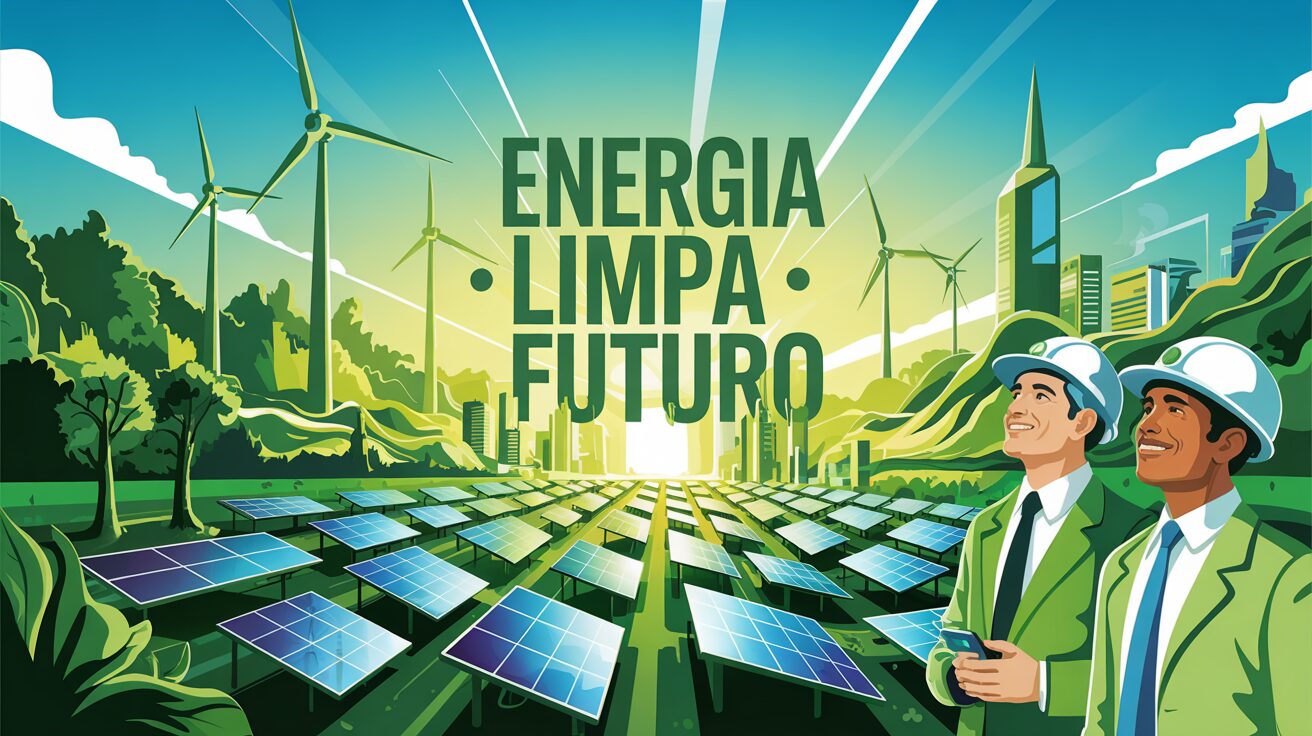
Amid The Climate Crisis And International Pressures For Sustainability, Brazil Reaches An Unprecedented Milestone By Reforming Its Energy Matrix, Putting Renewable Sources Ahead Of Fossil Fuels And Signaling A New Direction For The Green Economy In The Country.
For The First Time In 35 Years, The Brazilian Energy Matrix Was Composed Mostly Of Renewable Sources, Reaching 51% Participation In 2023.
The Historical Data Marks A Significant Advance In The Country’s Energy Transition And Demonstrates Brazil’s Potential To Lead The Use Of Clean Sources On The Global Stage.
According To The National Energy Balance, Published By The Energy Research Company (EPE), This Change Occurred Amid A 5% Growth In Overall Energy Consumption Compared To 2022, But With Only A 1% Increase In Sector Emissions.
-
Researchers discover a possible hydrogen deposit of up to 46 million tons beneath an ancient coal basin, and the volume could exceed half of the entire global production.

-
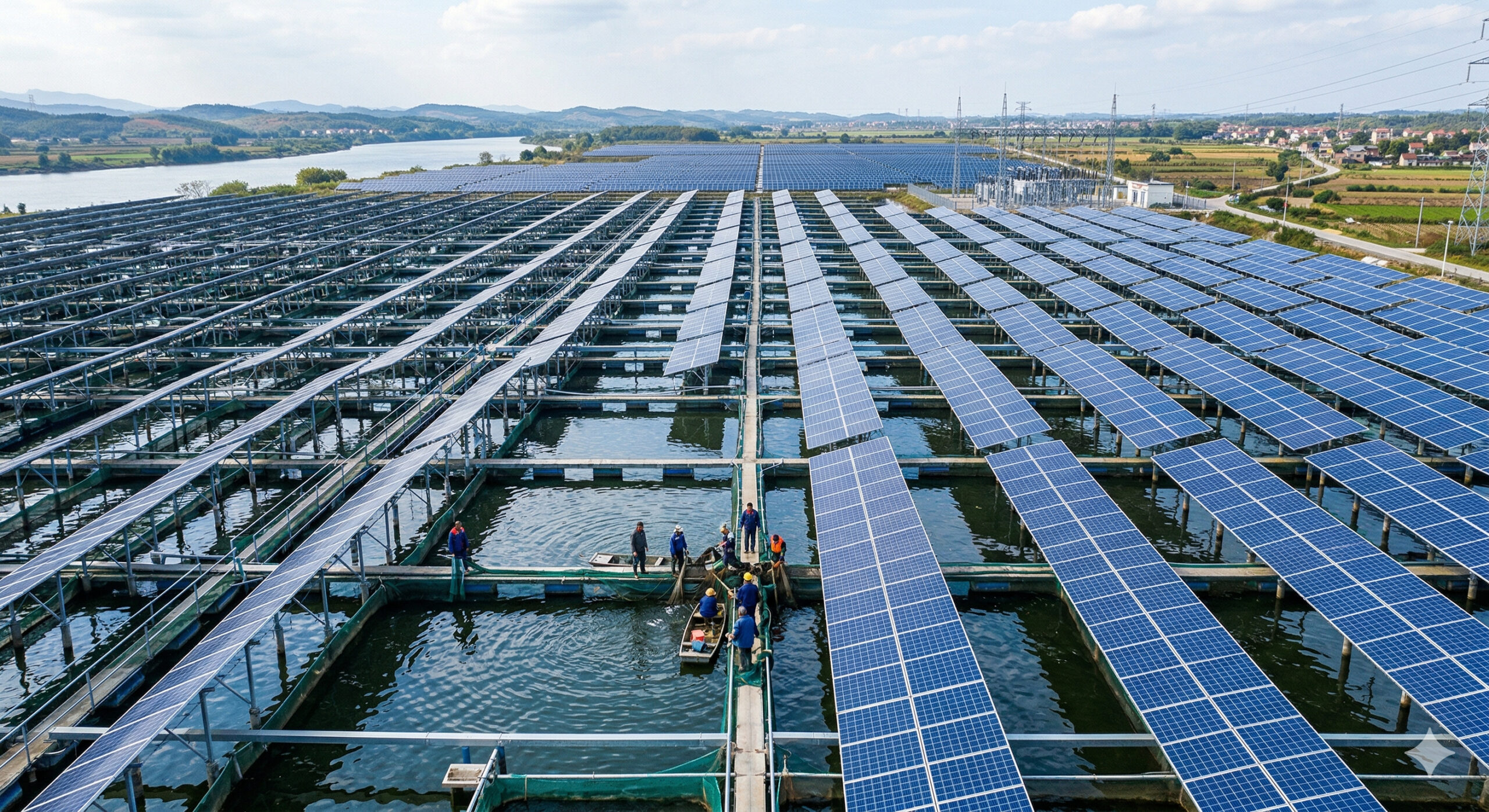
China bets on the Fishery-PV model and transforms fish farms into giant solar plants, covering ponds with panels that generate energy while utilizing the same space for large-scale aquaculture production.
-
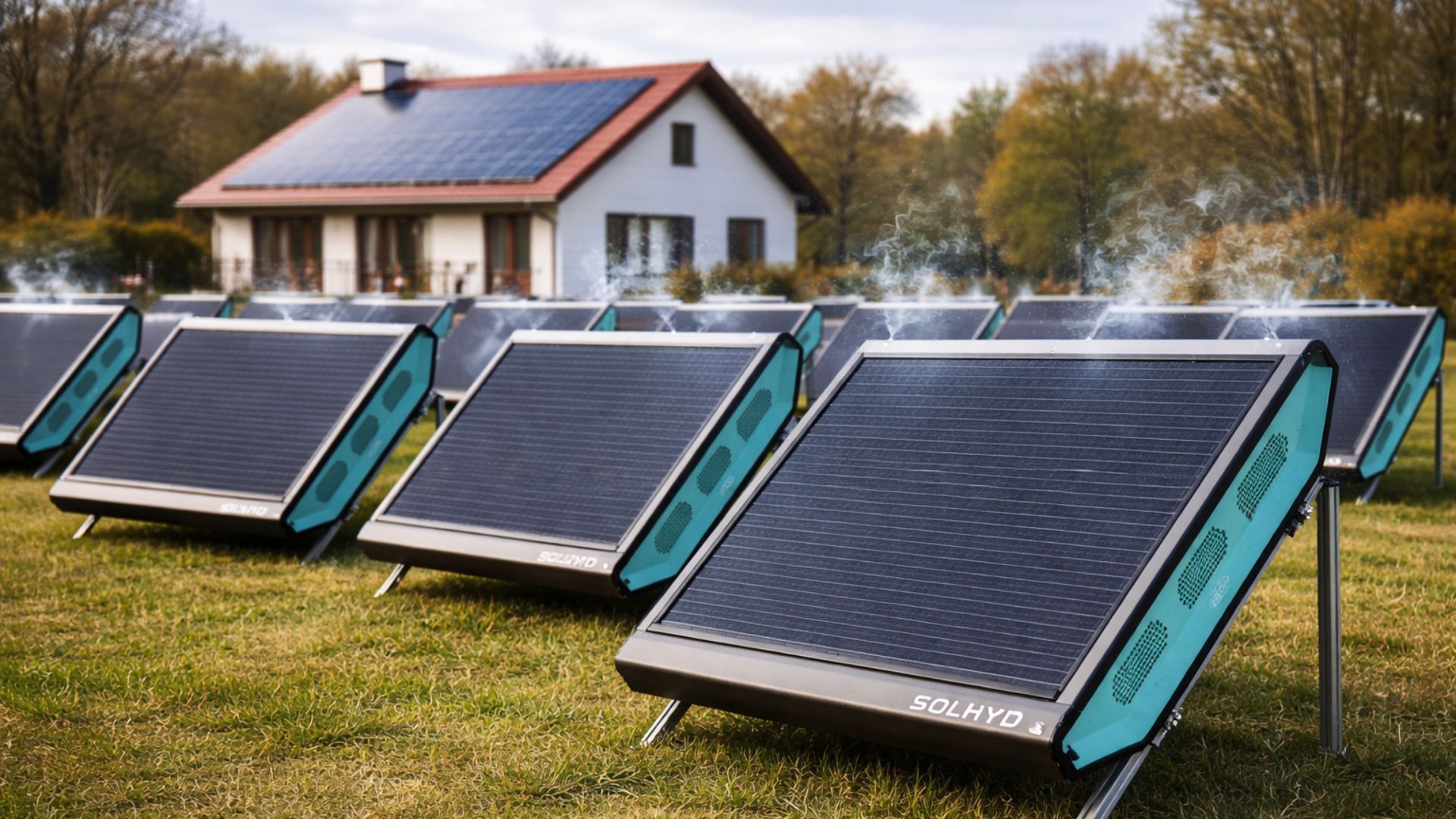
Green hydrogen at home: Belgium launches new technology that makes solar panels produce fuel from the moisture in the air, which could boost the energy transition.
-
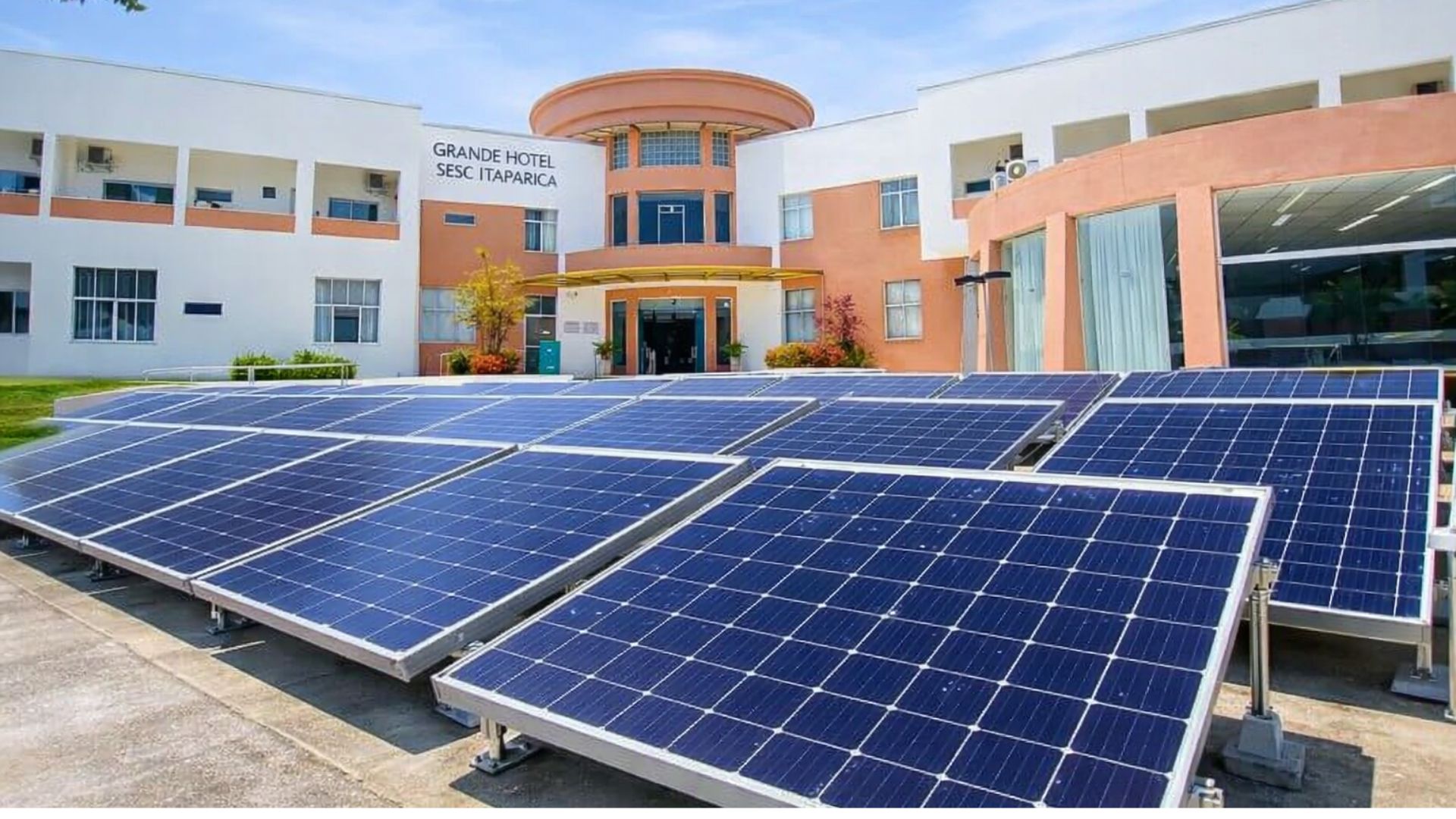
Sesc-BA bets on renewable energy with the support of EDP and drives the energy transition with a direct impact on cost reduction and the sustainability of its operations in Bahia.

Carbon Intensity Fell 3% Compared To The Previous Year, Highlighting A Cleaner, More Efficient, And Less Polluting Matrix.
Clean Energy Takes Center Stage In Brazil
The Growth Of Wind, Solar, And Biomass Energies Was The Engine Of This Transformation.
The Use Of Solar Energy For Electricity Generation Grew 68% Between 2022 And 2023, While Wind Production Increased 17% In The Same Period.
This Expansion Was Favored By A Positive Water Regime, Allowing Greater Generation By Hydroelectric Plants And Reducing The Need To Activate Fossil Thermal Plants, Which Have A Greater Environmental Impact.
The Researcher From The Institute Of Energy And Environment (IEMA), Ingrid Graces, Highlighted That The Combination Of Sun, Wind, And Water Ensured Clean And Stable Generation Throughout The Year.
In Addition To New Renewable Sources, Brazil Maintained Its Significant Use Of Historical Sources, Such As Hydroelectricity And Sugarcane Ethanol, Which Remain Fundamental In The Composition Of The Matrix.
Less Pollution And More Energy Efficiency
In 2023, The Brazilian Energy Sector Emitted 420.1 Million Tons Of Carbon Dioxide Equivalent (CO2e), Resulting From The Consumption Of 290.8 Million Tons Of Oil Equivalent (Mtep).
This Relationship Corresponds To A Carbon Intensity Of 1.4 Tons Of CO2 Per Tep, A Number That Reflects A Continuous Decrease Since Previous Years And Reinforces The Gain In Efficiency.
According To The System Of Estimates Of Emissions And Removals Of Greenhouse Gases (SEEG), This Decrease Indicates That The Country Is On The Right Track To Meet Climate Goals And Reduce Its Carbon Footprint In The Energy Sector.
Industry And Transportation Also Adopt Renewables
The Brazilian Industry Recorded, In 2023, The Highest Historical Consumption Of Renewable Sources, Especially In The Food And Beverage, And Pulp And Paper Sectors.
This Behavior Shows That The Sustainable Use Of Energy Is Not Restricted To Electric Generation, But Also Extends To The Productive Sector.
In Transportation, The Sector That Consumes The Most Fossil Fuels In Brazil, Ethanol And Other Clean Sources Already Represent A Significant Share Of Supply, Helping To Reduce Dependence On Gasoline And Diesel.
According To The Report Future Of Energy, Published By The Climate Observatory In Collaboration With IEMA, Brazil Can Reduce Emissions From Its Energy Sector By Up To 70% By 2050, Provided It Maintains Investment In Clean Sources And Effective Public Policies.
Challenges Of The Just Energy Transition
Despite The Advances, Experts Warn Of Risks And Setbacks That Could Compromise The Just Energy Transition In Brazil.
Felipe Barcellos E Silva, Also From IEMA, Points Out That Political Initiatives Such As The Requirement To Contract Fossil Gas Thermal Plants, Included In Law 14.182/2022, Go Against The Advances Made.
This Article, Known As “Eletrobras Jabuti,” Requires The Contracting Of 8 Gigawatts (GW) In Gas Plants Starting In 2026, Even With The Possibility Of Supply Via Solar Or Wind Energy.
“If This Measure Is Advanced, Part Of The Clean Generation Could Be Replaced By Fossil Sources, Which Results In Environmental, Financial, And Social Damages,” Warns Silva.
Furthermore, It Is Essential To Ensure That Communities Impacted By Energy Projects Are Heard And Benefited, Respecting Rights And Promoting Socio-Environmental Justice.
Paths To A Cleaner And More Equal Future
A Just Energy Transition Must Consider Both Sustainability And Social Inclusion.
This Means, According To Experts, Investing In Quality Public Transportation, Strengthening Energy Efficiency Policies, And Developing Economic Plans For Regions Still Dependent On Fossil Fuels.
An Example Cited By Felipe Silva Is The Case Of Municipalities In Rio Grande Do Sul That Still Have A Strong Presence Of Coal Thermal Plants.
For These Locations, Planning Is Necessary To Ensure Jobs, Income, And Infrastructure Compatible With A Low-Carbon Economy.
Brazilian Leadership Can Inspire The World
The Fact That Brazil Has Surpassed The Use Of Fossils In Its Energy Matrix After More Than Three Decades Reveals That Change Is Possible — And Already Underway.
The Country Has Unique climatic, technological, And Natural Conditions To Become A Global Reference In Renewable Energies.
But For That, It Is Necessary To Ensure That The Next Steps Of This Transformation Are Sustainable, Planned, And Inclusive.
With Support From Civil Society, Public And Private Investments, And Consistent Policies, Brazil Has Everything To Lead The Energy Transition In The 21st Century.
2023 Was A Milestone In The Energy History Of Brazil.
With More Than Half Of Its Matrix Composed Of Renewable Sources And A Decrease In Emissions, The Country Shows That It Is Possible To Grow Sustainably.
The Challenge Now Is To Ensure That This Transformation Is Just, Lasting, And Accessible To All Brazilians.








Seja o primeiro a reagir!