





 English
  Francês
  Alemão
  Italiano
  Japonês
  Norueguês
  Portuguese
  Spanish
  3 min of reading



Brazilian Oil Production Reached 2.9 Million Barrels Per Day in 2021. Despite Delivering Less Than Expected, Brazil Established Itself as One of the Largest Producers in the World
This month, U.S. Secretary of Energy Jennifer Granholm formally requested faster increases in Brazil’s oil production, said the Brazilian Ministry of Energy. The U.S. also reached out to producers in Venezuela and the Middle East. Albuquerque told GLOBO that the country is gradually increasing its production. The Ministry of Mines and Energy (MME) estimates a 70% growth over the next ten years, reaching 5.3 million barrels per day, which will maintain Brazil’s status as an exporter.
With the war in Ukraine, the barrel of oil is reaching US$ 100, and Brazil sees an opportunity to expand its production again, to take advantage of the moment when the U.S. and the European Union decide to reduce their dependence on oil from Russia, which is currently responsible for 12% of the global supply.
For the former president of the Energy Research Company (EPE) and professor of the Energy Planning Program at Coppe/UFRJ, Maurício Tolmasquim, “Brazil has no strategic storage.” According to the expert, only five countries would have this capacity: Saudi Arabia, United Arab Emirates, Kuwait, Iraq, and Russia, with the potential to offer an additional 1 million to 1.8 million barrels daily.
-
Brazilian giant expands borders in the Southeast: Petrobras confirms new oil discovery in ultra-deep waters in the pre-salt of the Campos Basin.

-
Alert in the global energy market: Severe tropical cyclone hits the coast and disrupts gas production at major plants in Australia, threatening global supply.

-
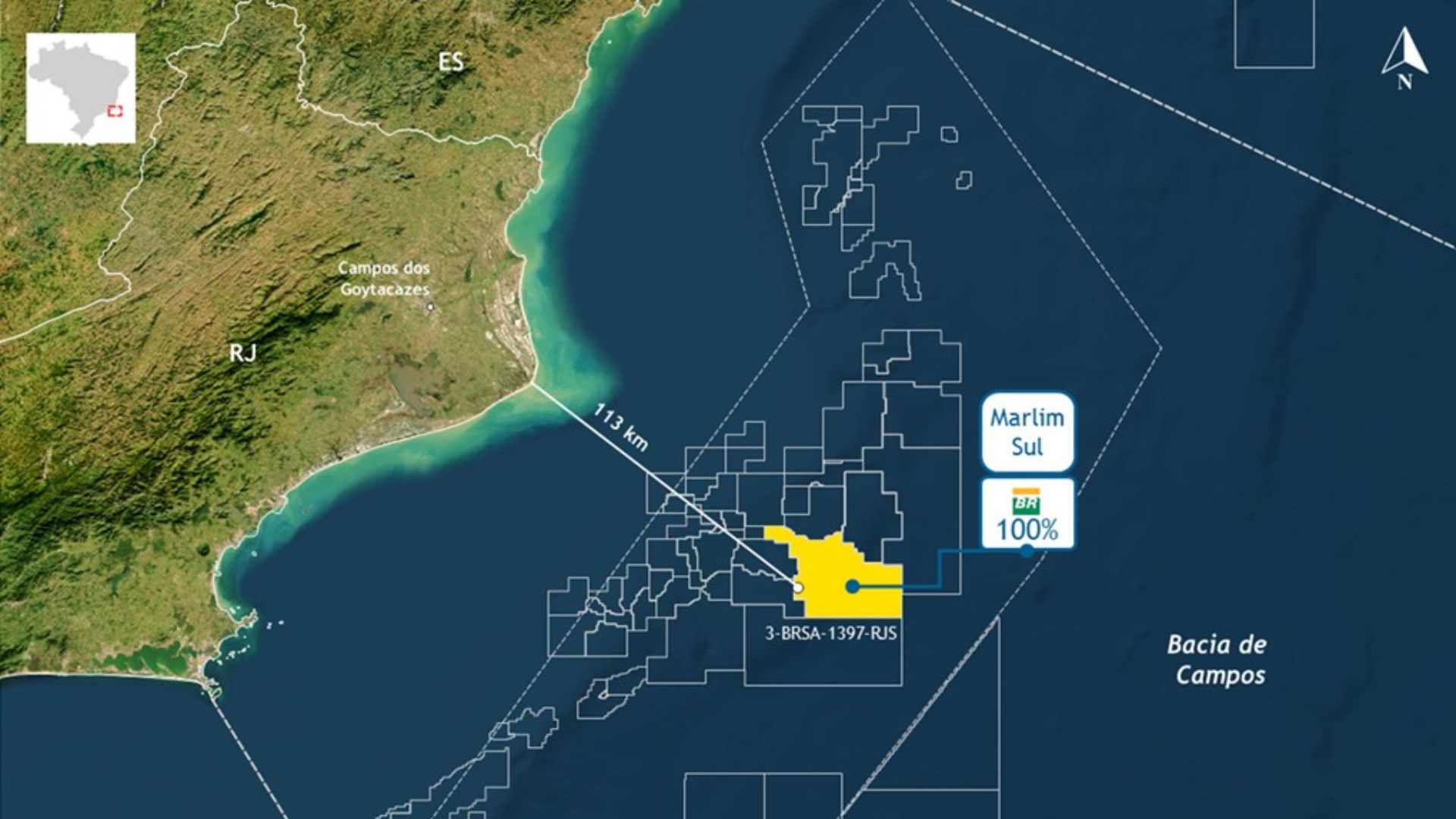
Petrobras finds high-quality oil in the pre-salt at 113 km from RJ and reignites expectations about strategic reserves in the Campos Basin.

-
Ocyan opens registrations for startups focused on innovation in the oil and gas sector and will select projects for Innovation Day with the support of Nexio.

Crisis May Benefit and Expand the Production of Petrobras and Other Companies Involved in Oil Extraction in Brazil
Albuquerque emphasizes that major oil companies have seen a production decline of 9% in the last three years. According to him, “Brazil increased its oil production by 14% and natural gas by 22% during this period.”
“That’s what I told the secretary. We are already on the path to increase production. By 2026, 15 oil platforms are expected to begin production, averaging 200,000 to 250,000 barrels per day in each structure,” he stated.
Igor Lucena, an economist and PhD in International Relations, believes that from a structural perspective, the crisis may benefit Brazil. He notes that in recent years, Petrobras has been focusing its operations on exploration, with plans to sell refineries and exit the distribution segment.
“Now, with the barrel at US$ 100, and it is expected to stay around that price for some time, there is room for Petrobras and other companies involved in oil extraction in Brazil to expand their production,” he stated.
Energy Transition: Brazil Grows in the Production of Green Hydrogen, Solar, and Wind Energy
The government’s official plan from 2015 anticipated that Brazil would finish 2021 producing 4.3 million barrels of oil per day only from already contracted areas. In 2021, with the strong economic crisis, changes in the energy sector’s dynamics, and the reduction in commodity prices compared to the previous decade, Brazil’s oil production was at 2.9 million barrels per day. Despite delivering less than expected, the country established itself as one of the largest producers in the world.
The energy transition is highlighted by experts as an inevitable process. Tolmasquim claims that the crisis will force an acceleration of changes in the sector that will benefit Brazil.
“The transition away from fossil fuels has ceased to be just an environmental issue; it has also become a matter of national security. Brazil has a very abundant base of renewable natural resources and can produce electricity at a very low cost,” said Tolmasquim.
According to Lucena, Brazil is growing in the production of green hydrogen, solar, and wind energy. “At the same time, the European Union is expected to face sanctions on Russian products, mainly gas, coal, iron ore, and oil. This means there is a possibility for Brazil to become an export platform for the European Union for these natural inputs,” he said.






Seja o primeiro a reagir!