





 Portuguese
  English
  Spanish
  5 min of reading
  51 comments


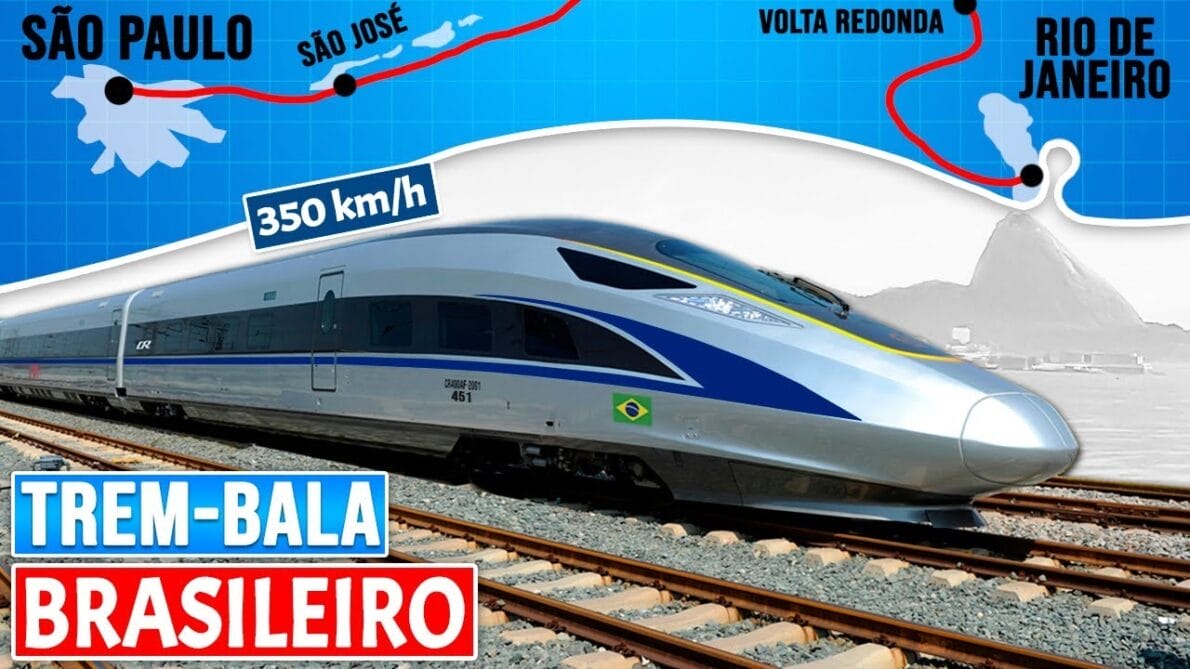


Revolution in Brazilian Transportation: With an Investment of R$ 50 Billion, Brazil’s First High-Speed Train Is on Its Way, Promising to Be the Fastest in Latin America and Redefine Railway Transportation.
In a country known for its vast dimensions and diverse landscapes, Brazil is about to embark on a journey that promises to transform the way we move. With a history of challenges in railway infrastructure, the surprising investment of R$ 50 billion for the construction of Brazil’s first high-speed train emerges as a beacon of innovation and progress. This bold project aims not only to shorten distances between metropolises but also to inaugurate a new era of sustainable urban mobility, energy efficiency, and economic growth.
As Brazil prepares to make a historic leap, we explore the details of this ambitious plan for the construction of the first Brazilian high-speed train. Check out the challenges and potentials of this venture that could redefine the future of transportation in our country.
The Ambitious Plan for the Construction of the 1st Brazilian High-Speed Train


Brazil, a country of continental dimensions, faces a significant challenge in its railway infrastructure. With a railway network inferior to that of countries like Germany and Argentina, the situation becomes even more concerning when it comes to high-speed trains.
-
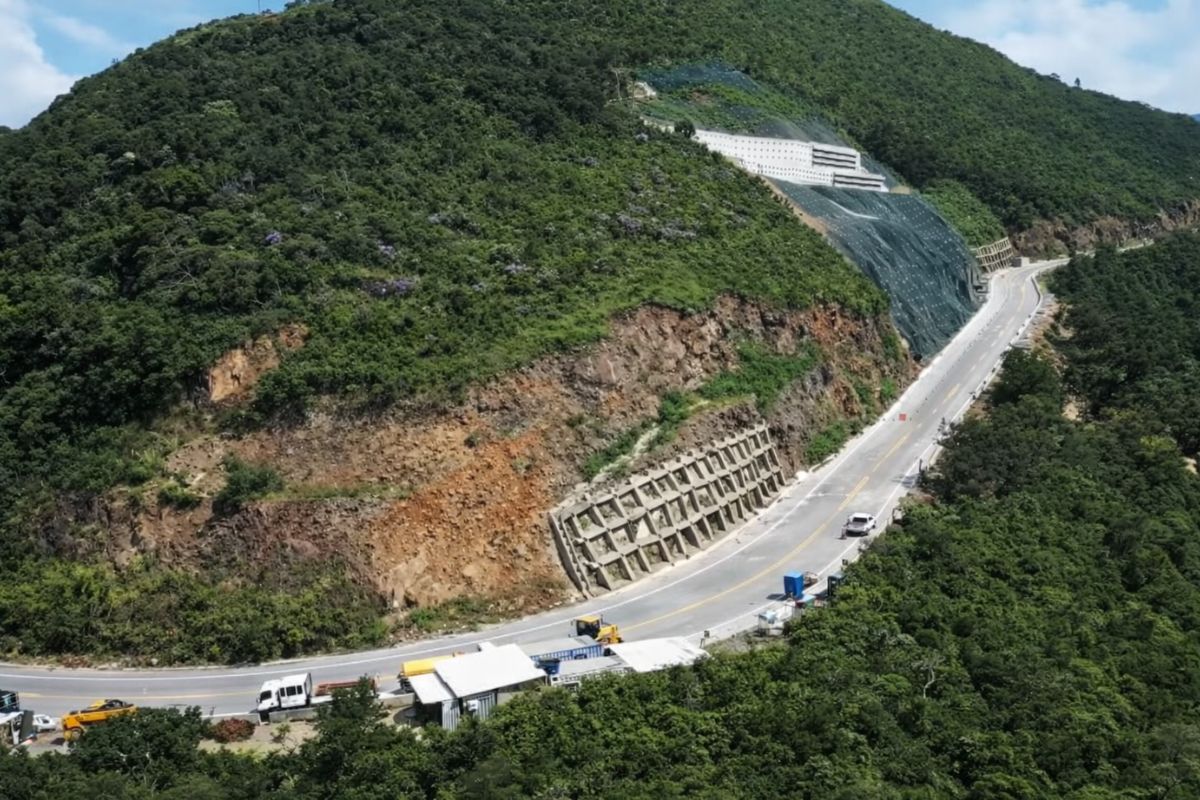
The section of Serra da Rocinha on BR-285 is now open in Timbé do Sul: 50 m tensioned curtains and top-down technique stabilize the slope, with a stairway duct controlling the water.
-
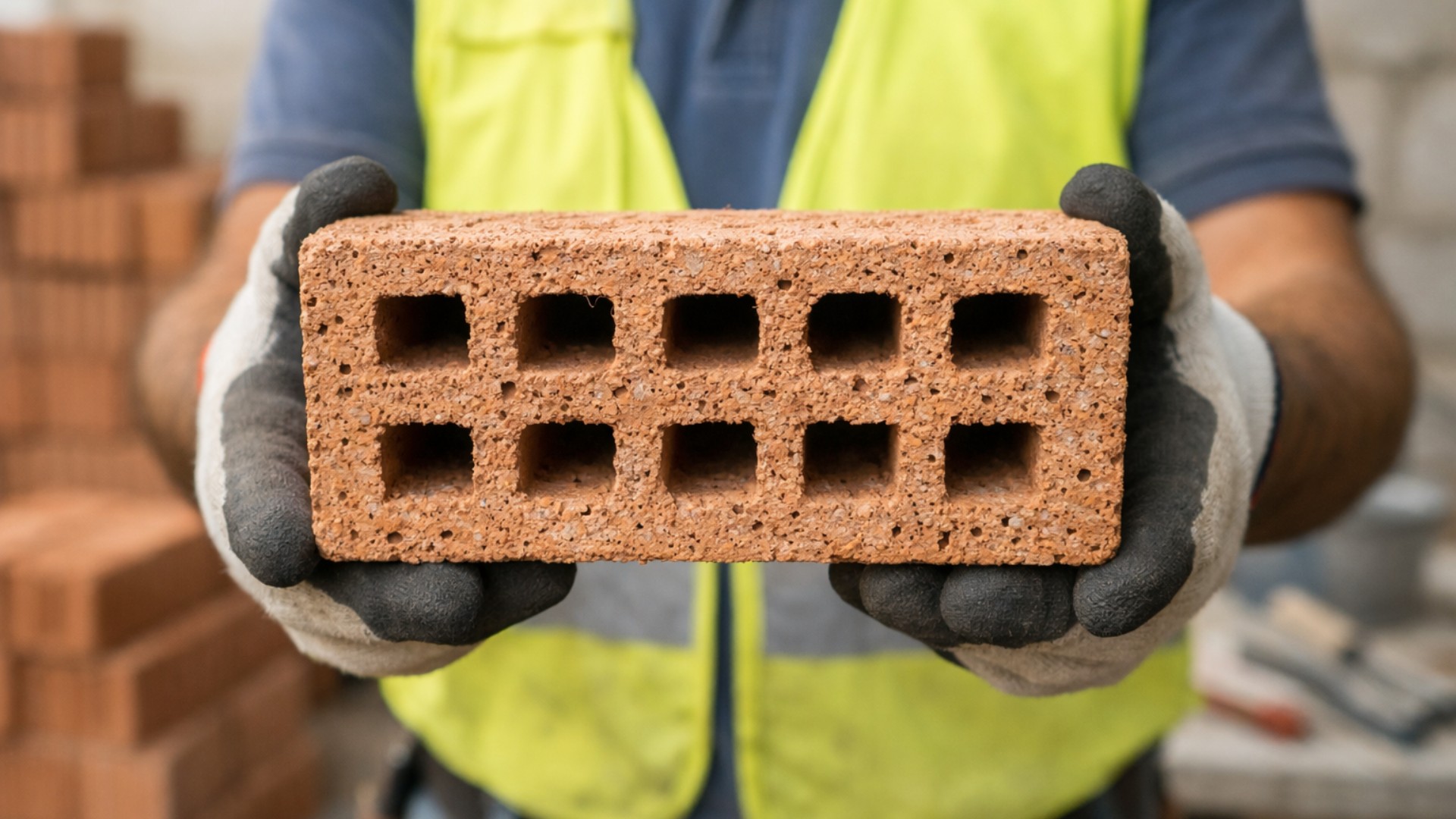
Scientists use sawdust mixed with clay to create a lighter brick, promising efficient thermal insulation and impressing by transforming waste into a solution for construction.
-
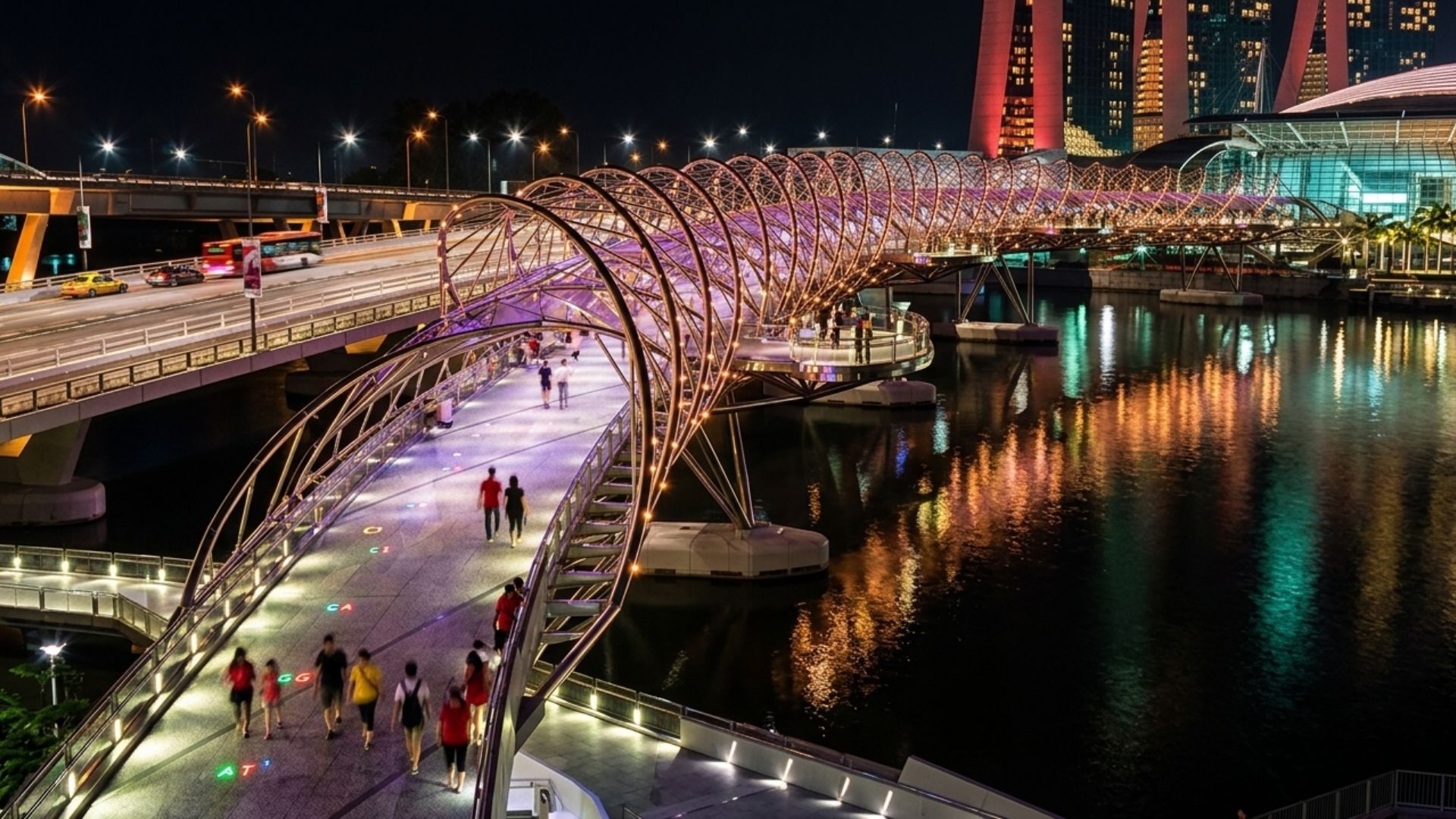
With a DNA shape, this bridge in Singapore draws attention in modern architecture and surprises tourists by transforming a simple crossing into an unforgettable visual experience in the urban heart.
-
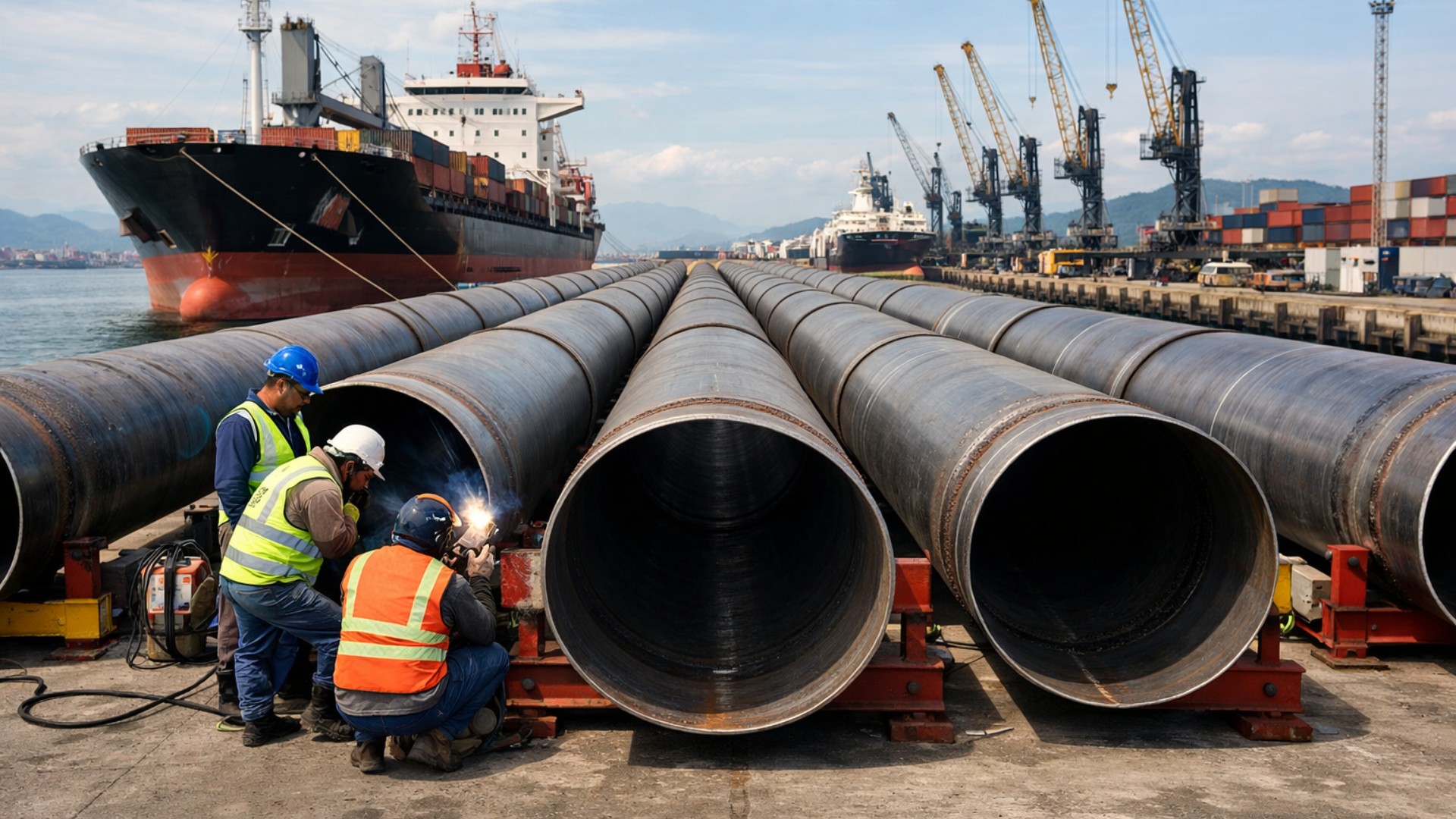
Giant underwater pipeline begins to take shape with a R$ 134.7 million project at the Port of Santos: the 1.7 km structure uses 12-meter and 700 mm pipes to supply water to 450,000 people in Guarujá.

The Current Situation of Railways in Brazil
Historically, Brazil had one of the most modern railway systems in the world. For decades, the country invested in its railway network, building about 600 km of railways annually. However, from the mid-20th century, the public’s preference for buses and planes led to a decline in train usage. This movement resulted in a drastic reduction in investments.
The coffee crisis and the focus on building highways, driven by Juscelino Kubitschek, contributed to the degradation of the railway system. Brazil, which once had over 30,000 km of railways, now uses only about 12,500 km. Despite this setback, there has been a recent recognition of the importance of railway transportation for the economy.
The Return of Interest in Railway Transportation
In recent years, Brazil has begun to reevaluate railway transportation, especially for freight. A freight train can carry the same amount as 220 trucks, saving time and resources. The Brazilian government has made new investments, such as the inauguration of the North-South Railway, which connects various regions of the country.
The Rio-São Paulo High-Speed Train Project
One of the most ambitious projects underway is the Rio-São Paulo High-Speed Train. Inspired by the Japanese Shinkansen, which operates at 300 km/h, the project aims to significantly reduce travel time between Brazil’s two largest metropolises. To be considered a high-speed train, the minimum speed must reach 250 km/h, and expectations are that Brazil will exceed this mark.
The dream of the high-speed train is not new. For over 30 years, the project has been studied, and various attempts at implementation have been made. Several auctions took place in past governments, but the project never materialized. In December 2023, Brazil decided to resume this investment, this time with private funding.
Benefits of the Project
- Increased Urban Mobility
- Reduced Travel Time
- Promotion of Sustainable Transportation
- Strengthening of the Local Economy
- An Example for Future Investments
- Route and Stations of the High-Speed Train
The initial route of the Rio-São Paulo High-Speed Train is expected to include four main stations: São Paulo, São José dos Campos, Volta Redonda, and Rio de Janeiro. With a length of 414 km, the journey that currently takes about 6 hours by car or bus could be reduced to just 1.5 hours.
Future Possibilities for Investment, Challenges, and Concerns
Planning already considers the future evolution of the project. If more investments are made, up to eight stations could be added, increasing the number of passengers and accessibility to the service. The high-speed train is expected to be the fastest in all of Latin America, with an average speed of 300 km/h.
Despite the expectations, the project faces significant challenges. The estimated investment for construction is around R$ 50 billion. This raises concerns about potential delays and the financial viability of the project, especially in a country with a history of unfinished works.
Financing and Execution of the Project
Unlike previous projects, funding for the high-speed train will come from the private sector. This represents an important change in approach, as it reduces reliance on public resources. However, it is vital that there is detailed planning to avoid delays, which are common in large projects in Brazil.
Construction Methods
The construction method for the high-speed train will be the box jacking, widely used in other high-speed projects. This method involves installing heavy concrete sections, forming a robust tunnel and minimizing impact on road traffic. This approach is particularly suitable for Brazil, which has varied terrain.
Impact on Mobility and the Economy
The start of construction for the high-speed train is scheduled for 2027, with operations planned for 2032. The success of this project could position Brazil as an example for South America, showing that investments in high-speed railway transportation are feasible and beneficial.
The implementation of the high-speed train can transform urban mobility in Brazil. With more transportation options, reliance on personal vehicles may decrease, resulting in less congestion and pollution. Furthermore, the local economy will benefit from job creation and increased tourism.
Possible Expansions of This Ambitious Investment
If the project is successful, it could inspire new railway connections in other regions of Brazil. A link between Recife and Salvador, for example, could connect several important capitals, expanding the transportation network and facilitating the movement of people and goods.
The plan for the construction of Brazil’s first high-speed train represents a unique opportunity to revitalize the country’s railway system. With the potential to transform urban mobility and boost the economy, this ambitious project could finally put Brazil on the map of high-speed railways. Expectations are high, and the public eagerly awaits this change. Will Brazil manage to realize this long-awaited project this time? Only time will tell.
I would love to know what you think about the construction of Brazil’s first high-speed train. Share your thoughts with us in the comments section. Don’t forget to leave 5 stars and activate notifications from CPG to keep up with all the news. See you next time!









A china copiou a tecnologia de levitação magnética da UFR na ilha do governador e em breve vai ter seu trem de levitação fabricado em seu país,eles ja tem o protótipo o Brasil deveria fazer uma parceria e implantar aqui no país(maglev cobra)
Um governo que desperdiça tanto dinheiro infelizmente estamos muito atrasados nisso , e seria uma grande oportunidade para o desenvolvimento do país .
Tem uns bolsonaristas recalcados que acham que vai haver roubalheira pelo atual governo.
Imbecis prestem atenção na matéria:
A construção vai ser feita pela iniciativa privada a partir de 2027.