





 Portuguese
  English
  Spanish
  4 min of reading
  0 comments


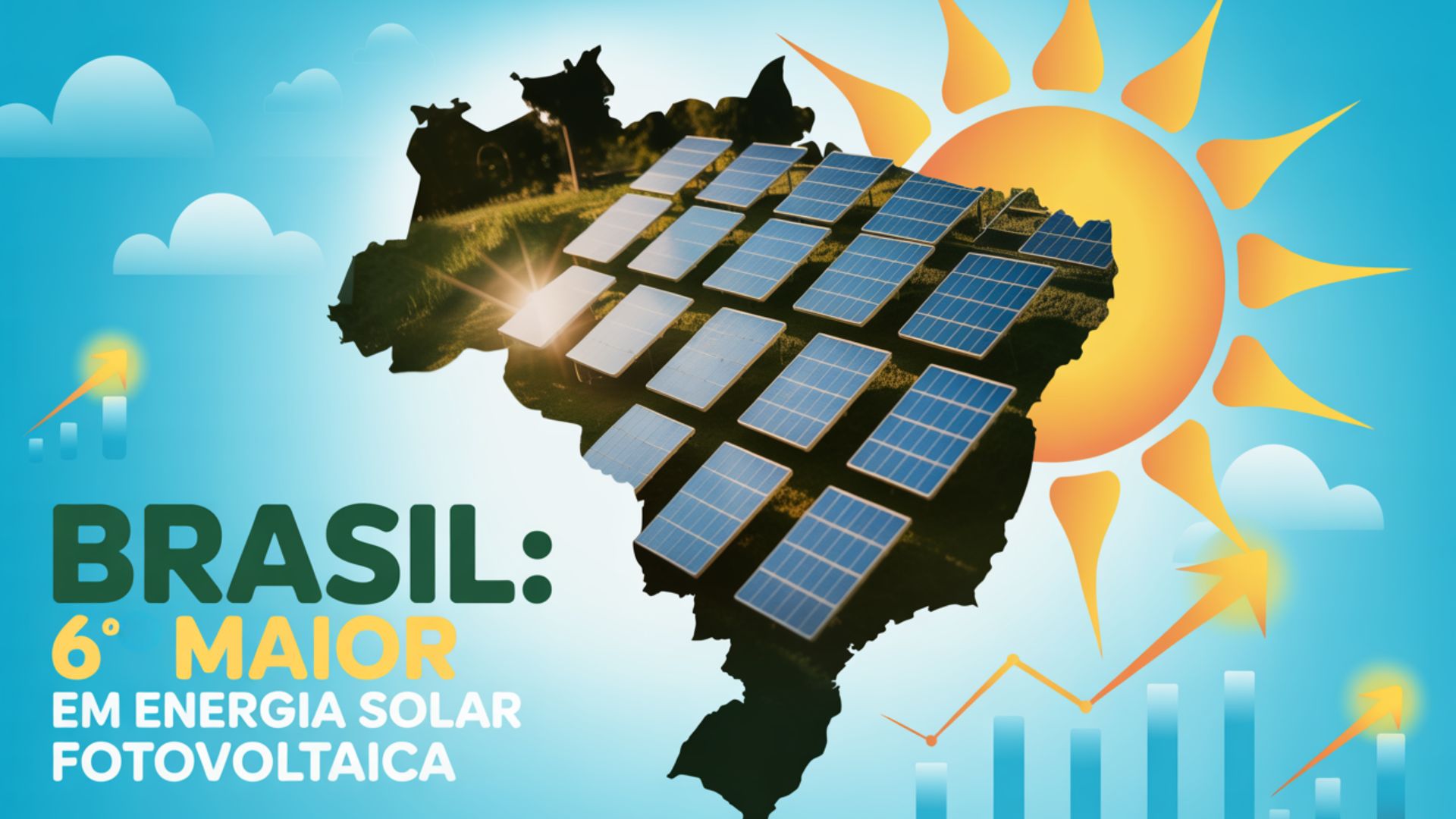
With 39.4 GW, Country Surpasses Japan and Germany in Expansion Rate and Was the 3rd Largest Global Market in 2023, Behind Only China and the United States.
Brazil has reached a new level in the global photovoltaic solar energy scenario, establishing itself as the sixth country with the highest installed capacity in the world. According to the Global Market Outlook For Solar Power 2024–2028 report released by the European association SolarPower Europe, Brazil now totals 39.4 gigawatts (GW) in photovoltaic systems connected to the grid.
The survey indicates that the country occupies a prominent position not only in terms of accumulated power but also in annual installed capacity. In 2023, Brazil added 15.4 GW, becoming the third largest global market of the year, behind only China, with 253 GW, and the United States, with 32.4 GW.
Global Leadership and Room for Growth
In the accumulated capacity ranking, China remains far ahead, with 656 GW. Following are the United States (173.2 GW), Japan (90.4 GW), India (90.1 GW), and Germany (83 GW). Brazil ranks 6th but shows one of the fastest growth rates among the listed countries.
-
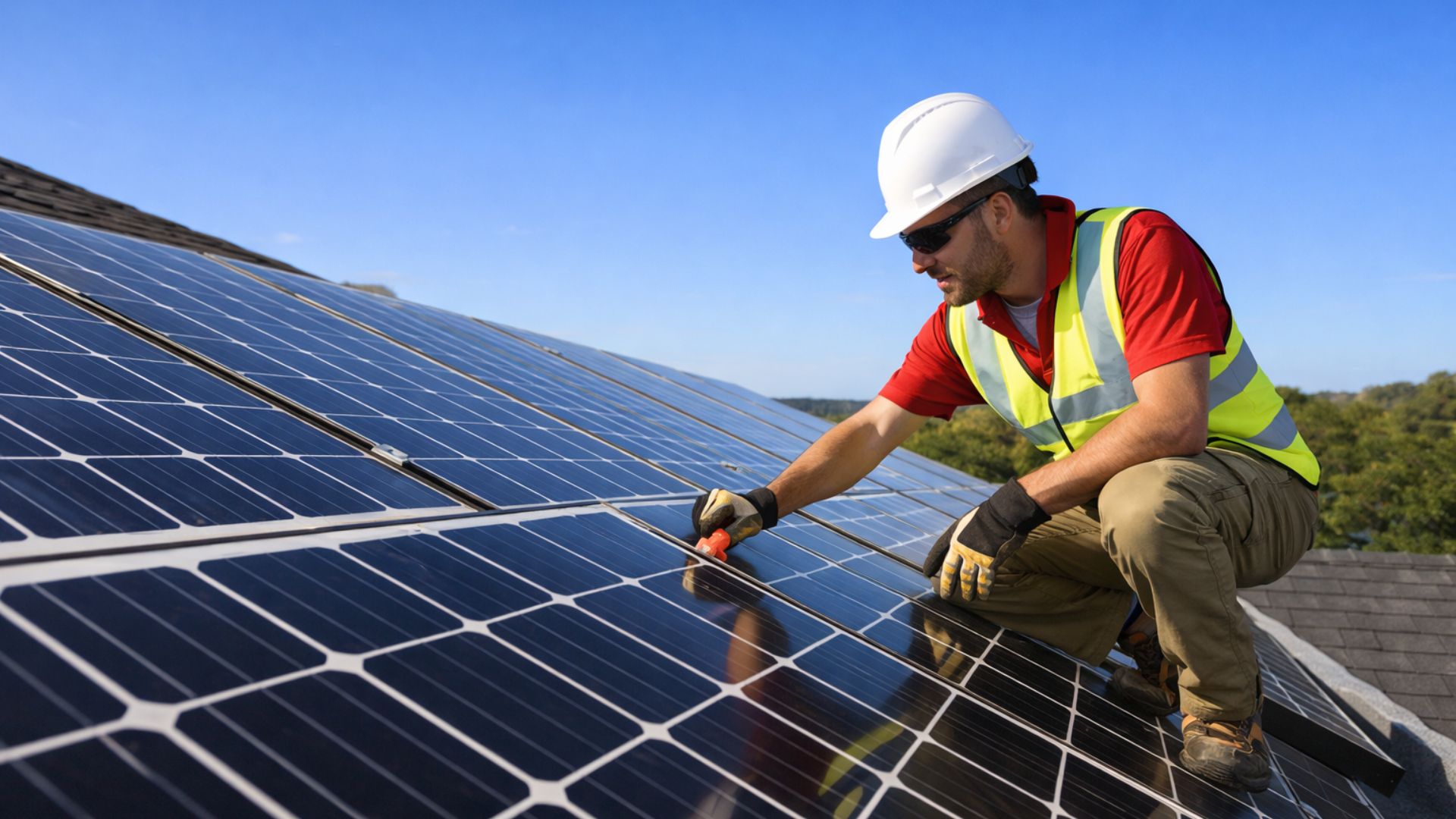
Seagri’s headquarters invests in solar energy with Neoenergia Coelba and promises to cut electricity costs, highlighting a strategic advance in sustainability and energy efficiency within state public administration.
-
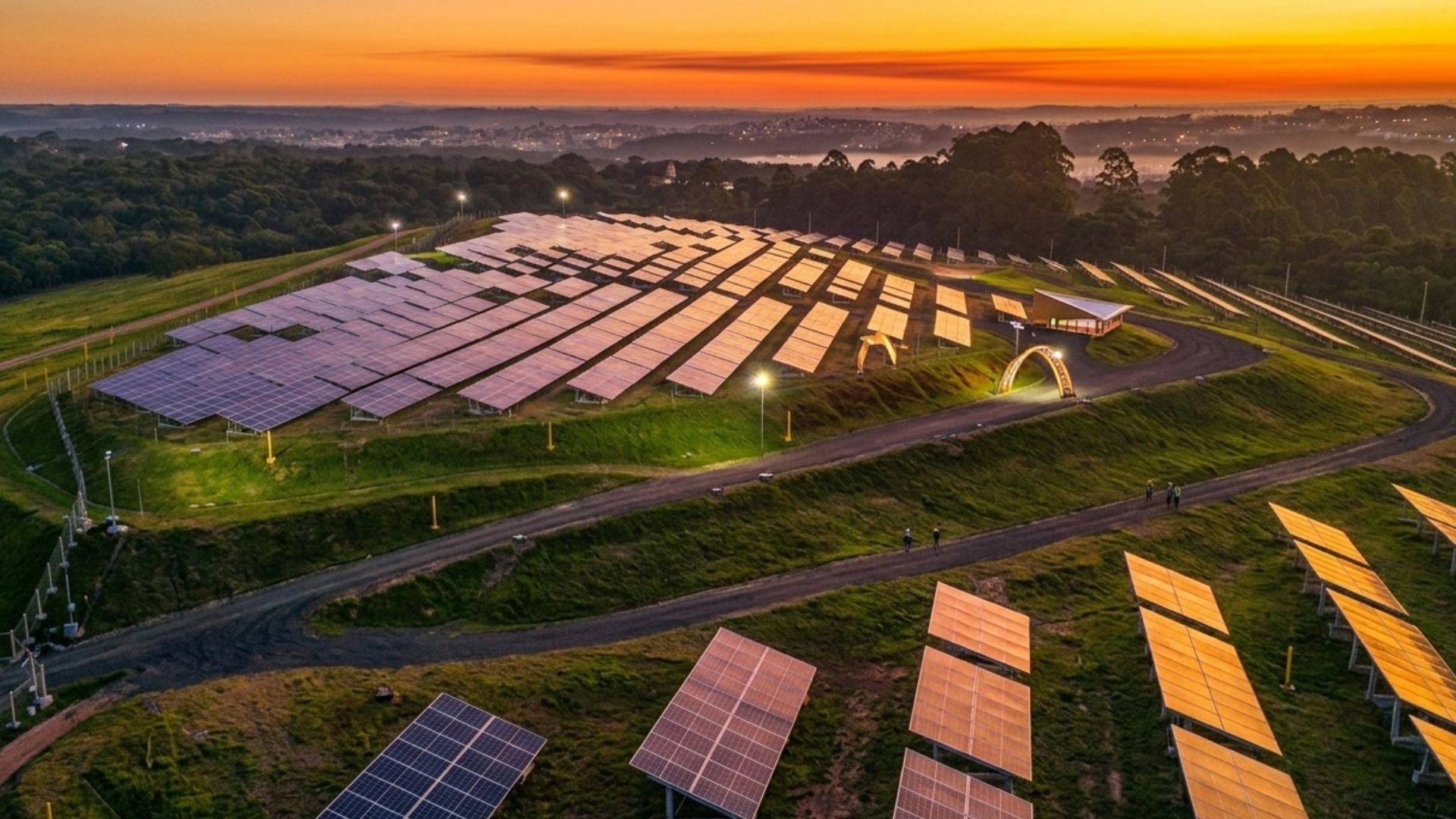
Solar Pyramid draws attention by converting solar energy into million-dollar savings and repositioning the City Hall of Curitiba as an example of innovation, sustainability, and intelligent use of public resources.
-
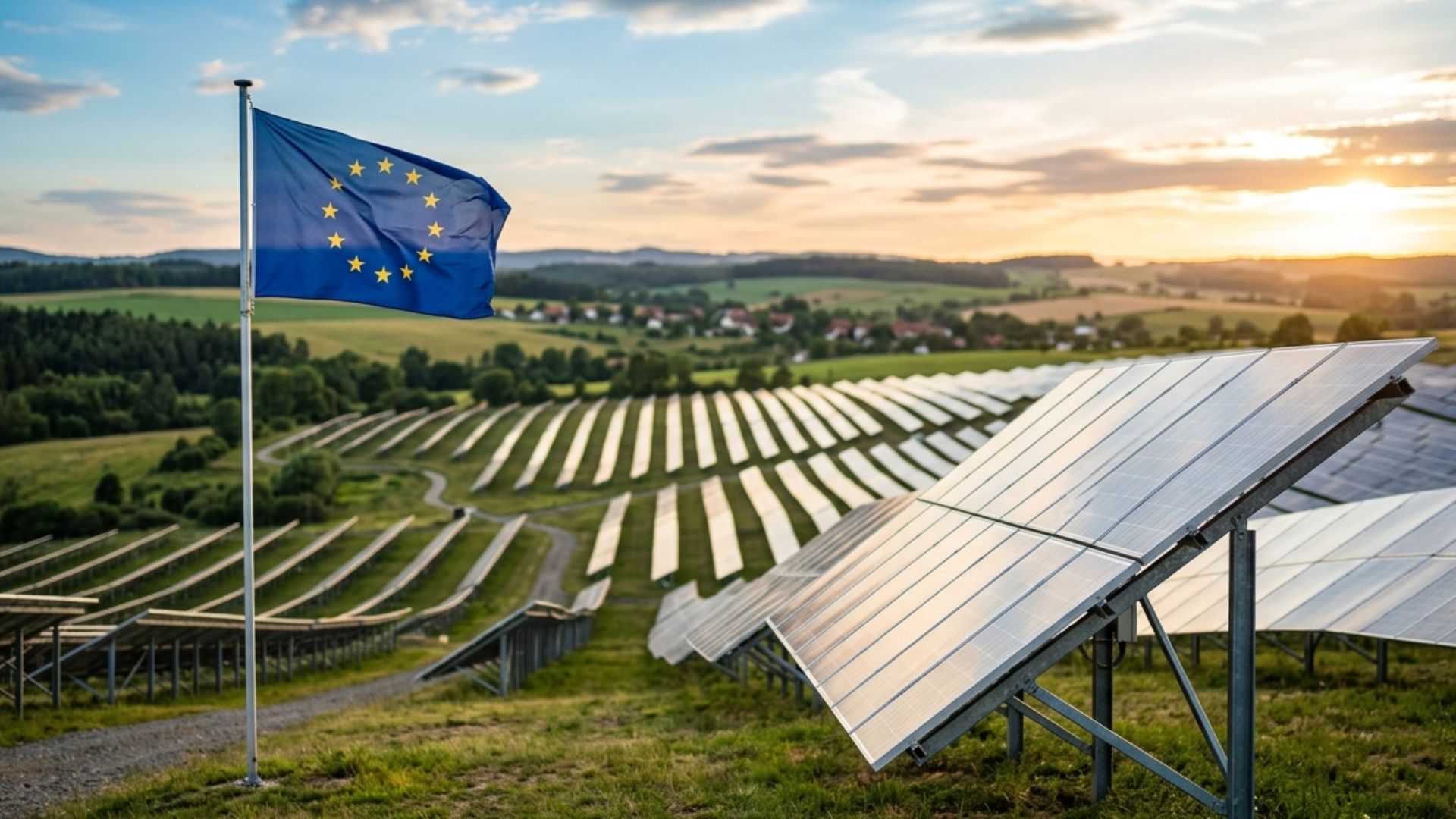
Europe records strong euro economy with solar energy in March and sparks curiosity about which country leads growth that redefines the energy market and reduces costs.
-
Piauí reaches a historic milestone in energy transition: State records nearly 160,000 households powered by solar energy and leads growth in the Northeast.

“Brazil has gone from being irrelevant to a protagonist in ten years. And we still have a lot of room to grow,” said Pedro Drummond, state coordinator of the Brazilian Association of Photovoltaic Solar Energy (Absolar), during participation in the forum “The Region in Focus.”
Internal Expansion: Highlight on São Paulo and Minas Gerais
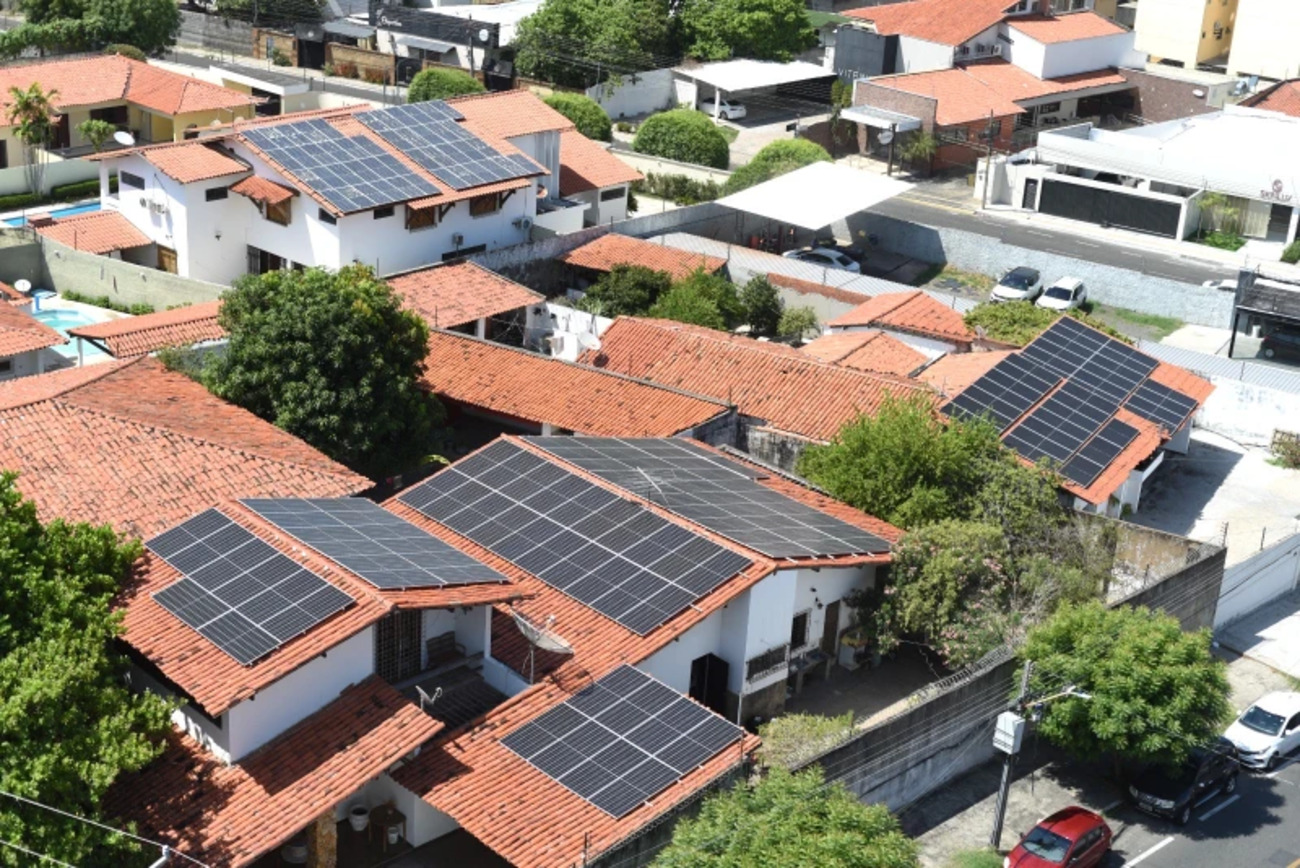
Nationally, the advancement of photovoltaic solar energy is reflected in the distribution of installed systems. The State of São Paulo leads in distributed generation, with 5,372.1 megawatts (MW), equivalent to 14.4% of the installed capacity in the country.
Following are Minas Gerais, with 4,609.5 MW (12.4%), and Paraná, with 3,306.5 MW (8.9%). The three states account for more than a third of the national distributed generation, according to data from the National Electric Energy Agency (Aneel).
The advancement is not restricted to capitals or large metropolitan areas. Medium-sized cities and coastal areas are also witnessing significant growth, as is the case with Santos, in the São Paulo coast.
Baixada Santista: Santos Leads in Distributed Generation
According to Aneel, Santos concentrates 20.5% of the photovoltaic system connections in Baixada Santista, with an installed capacity of 12.9 MW. The city is followed by Guarujá, with 10.8 MW (17.2%), and Bertioga, with 9.6 MW (15.3%).
Together, the three municipalities represent 53% of the installed photovoltaic systems in the region. This figure is notable not only for the concentration but also for the accelerated growth in just a few years.
In 2009, Santos had only one solar power plant. By March 2024, that number surged to 927 connected systems, highlighting the rapid adoption of technology by local businesses and residences.
Potential and Challenges
Despite the progress, Brazil still has ample potential for growth. The availability of solar radiation over much of the national territory favors the expansion of the technology. Furthermore, the cost of solar energy has dropped significantly in the last decade, making investment more accessible for residential, commercial, and industrial consumers.
Distributed generation, in particular, gains traction with rooftop systems, which reduce electricity bills and promote energy autonomy. However, the sector still faces challenges related to regulation, access to financing, and adapting the power grid to integrate increasingly larger volumes of solar energy.
Strategy for Decarbonization and Energy Independence
The expansion of renewable energy, including photovoltaic solar, is essential for Brazil to achieve its climate goals and reduce dependence on non-renewable sources. The integration of storage systems and smart grids is also under discussion, focusing on increasing security and stability of supply.
According to experts, the energy transition involves a path where clean, accessible, and decentralized energy plays a strategic role. In this context, solar energy is highlighted as one of the main tools to decarbonize the Brazilian electric matrix in the coming years.
Outlook for the Coming Years
According to the SolarPower Europe report, the global solar market will continue to expand until 2028, and Brazil is expected to remain among the leaders in annual installed capacity. The expectation is that the country will surpass the 50 GW mark in the coming years, with a focus on large-scale projects and growth of distributed generation in urban and rural areas.
The combination of favorable regulation, suitable climate, pursuit of savings, and financial incentives has the potential to transform Brazil into a global reference in photovoltaic solar energy.







Seja o primeiro a reagir!