





 Portuguese
  English
  Spanish
 4 min of reading
  0 comments


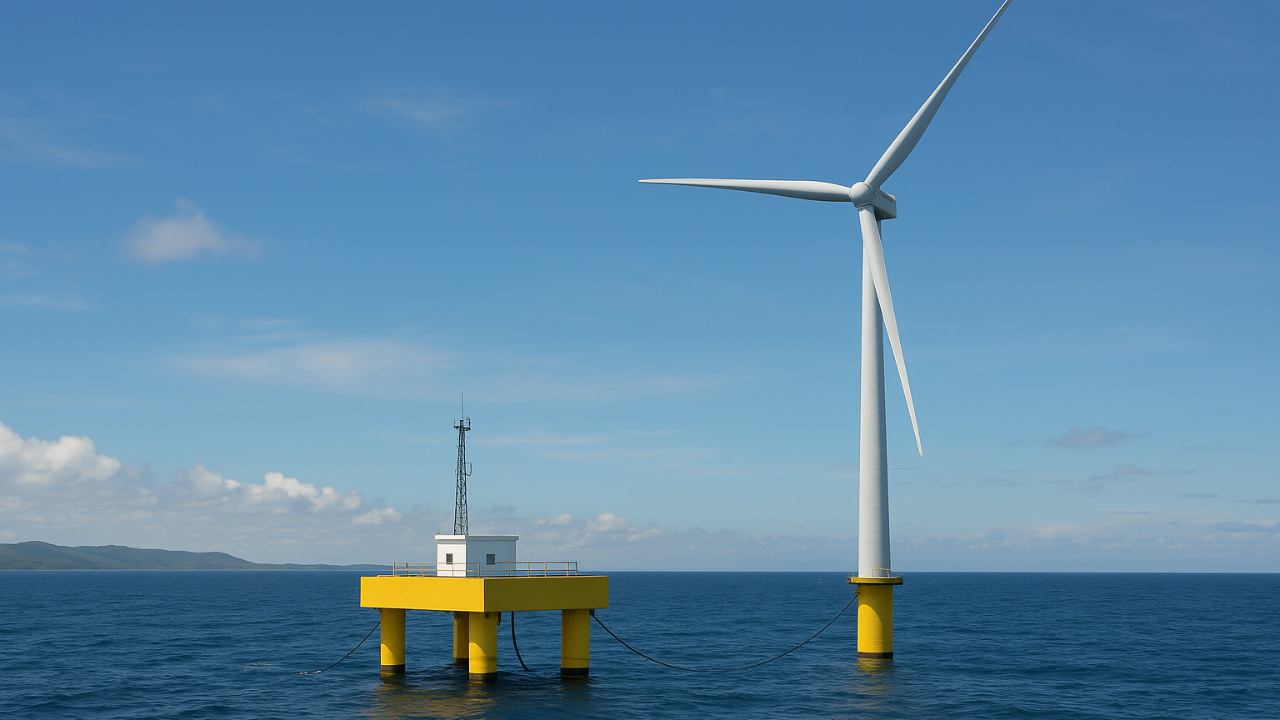
SENAI-RN and DOIS A Engenharia Launched Call for Investors for Brazil’s First Offshore Wind Energy Project, to Be Installed in Areia Branca (RN) and Promising to Revolutionize the Renewable Energy Sector.
During the Brazil Windpower, the largest wind energy event in Latin America, held in São Paulo, SENAI-RN, through the SENAI Institute of Innovation in Renewable Energies (ISI-ER), and the company DOIS A Engenharia e Tecnologia announced the multi-client call for the first offshore wind energy project in Brazil.
The unprecedented project in the country will be installed in the sea of Areia Branca, in Rio Grande do Norte — 330 kilometers from the capital, Natal — and aims to boost technological development and the formation of a national production chain in the offshore wind energy sector.
With preliminary license granted by Ibama, the pilot plant will become a landmark in Brazil’s energy transition, paving the way for investments and innovations adapted to the country’s maritime conditions.
-
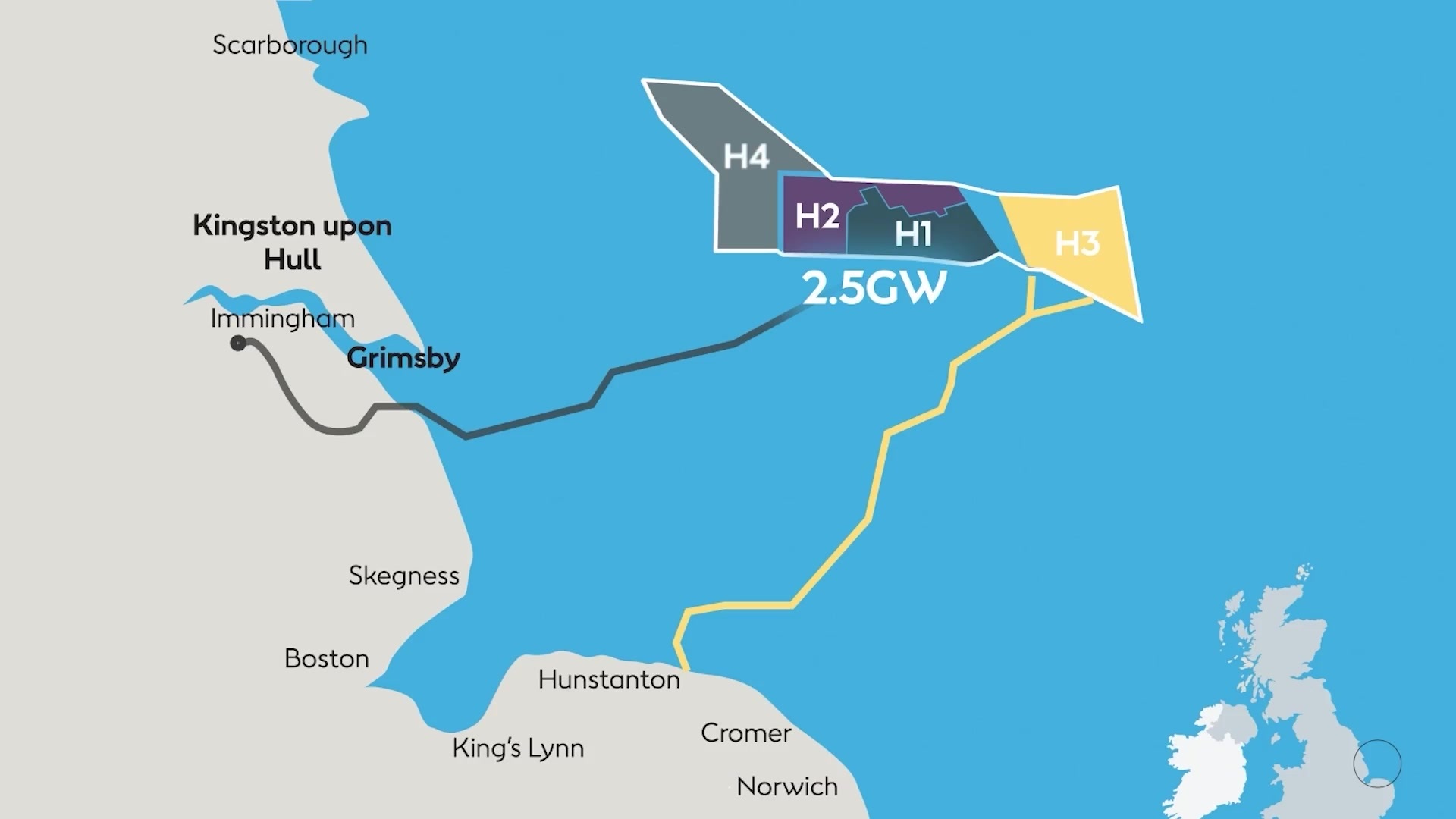
231 turbines of 260 meters at 160 km from the coast, monopiles weighing as much as nine blue whales embedded in the North Sea, and a crane ship taller than the Eiffel Tower: Hornsea 3 will be the largest offshore wind farm on the planet by 2027, and its first components have already arrived in England.
-
International Certification Puts Senai Norte on the Renewable Energy Map and Expands Access to Essential Training for Qualified Wind Power Professionals
-
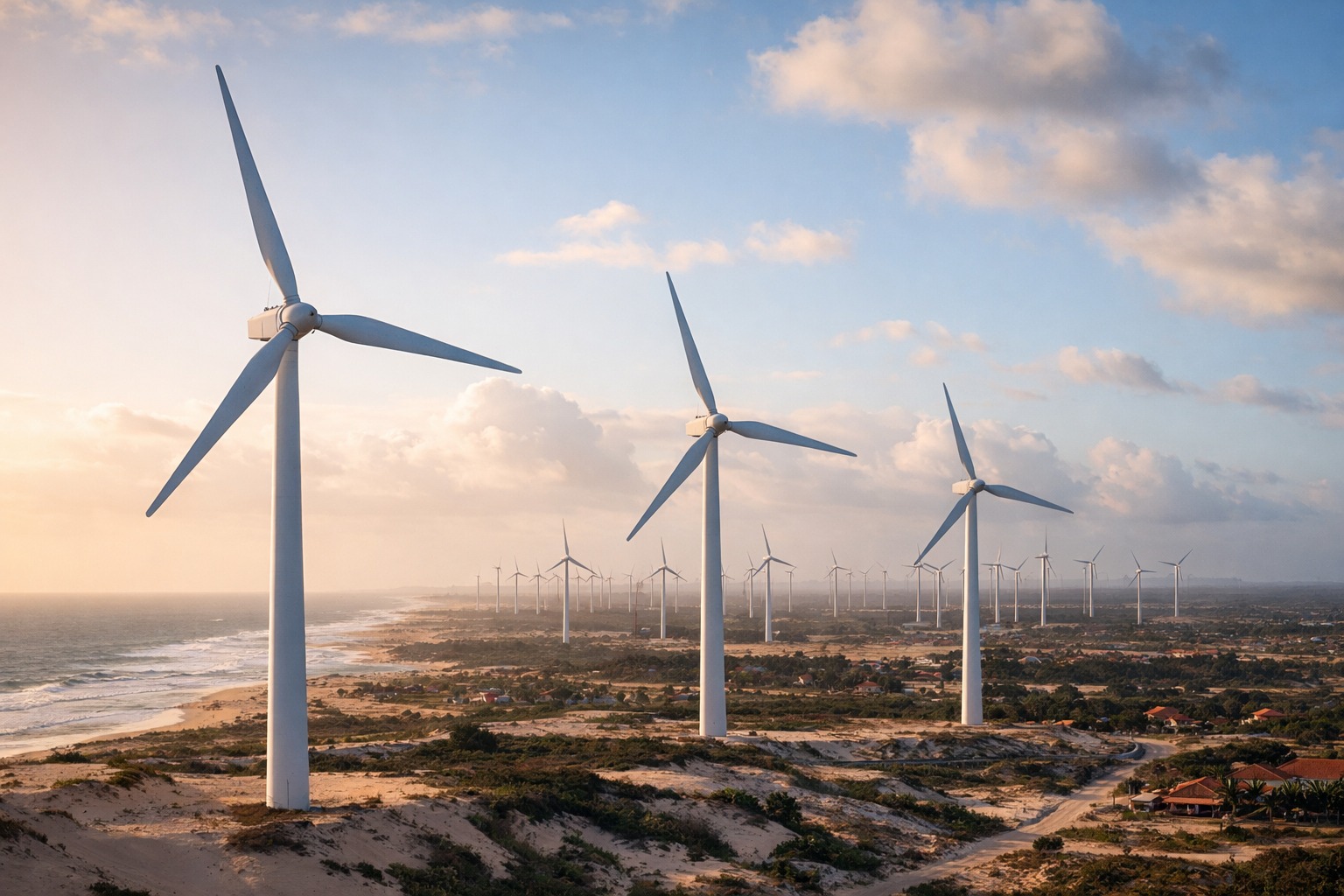
The Winds of the Northeast Are in Foreign Hands: Nearly 70% of the Region’s Wind Farms Are Owned by International Companies, with France, China, and Italy Leading Investments in Wind Energy in Brazil
-
Echoenergia’s Wind Farms Receive Diamond and Platinum Seals and Boost Carbon Credits with Projects that Prevent Large Volumes of Annual Emissions
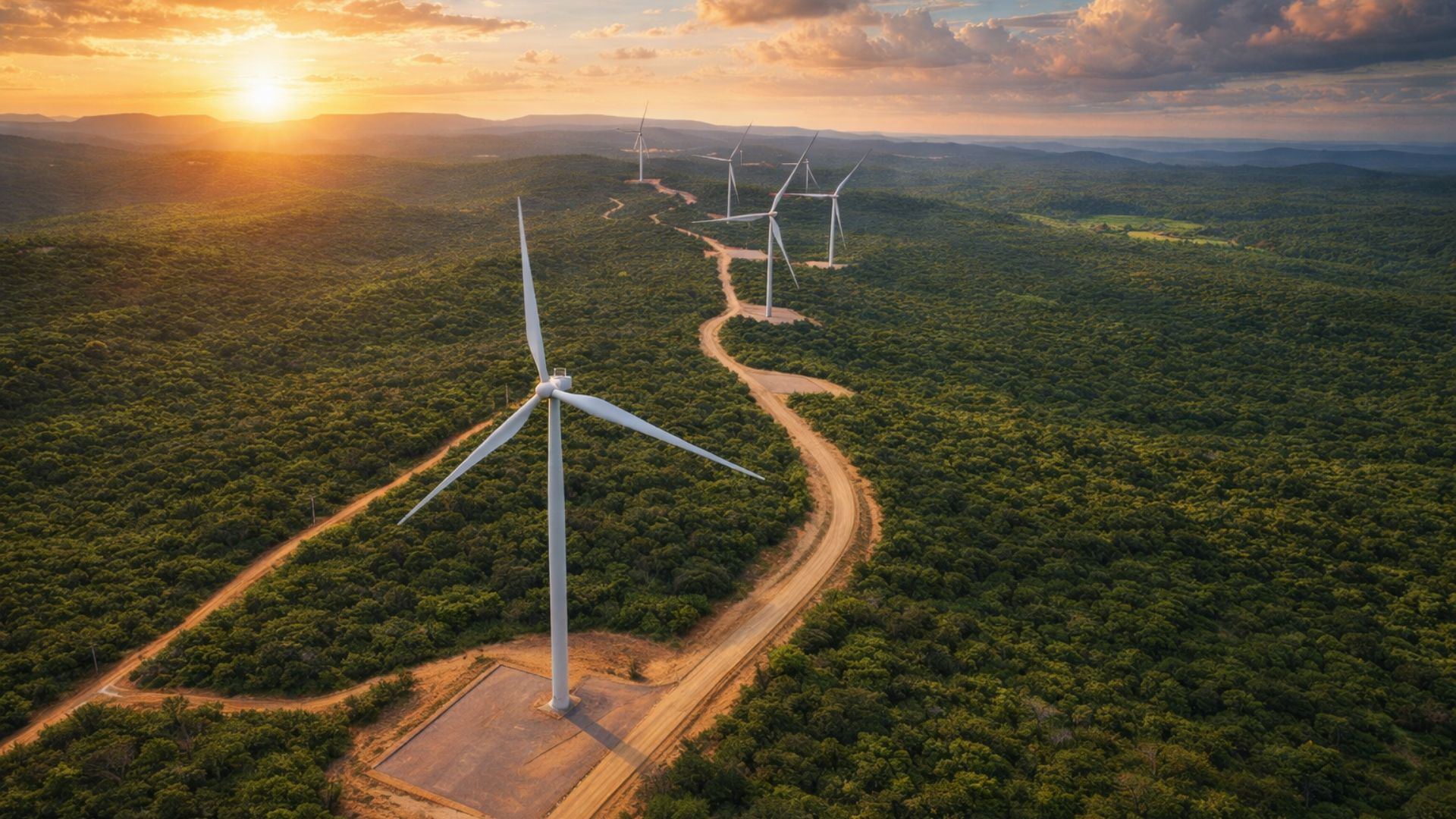
Call Seeks Investors to Enable Brazil’s First Offshore Wind Turbine
The director of SENAI-RN and ISI-ER, Rodrigo Mello, emphasized during the event that the project “has ceased to be just an idea, a dream. We are talking about something concrete that exists. We have the license in hand and are in the final phase of legal analysis of the call to gather partners who will work with us to develop the first turbine for Brazil’s seas.”
The publication of the call represents, according to Mello, the “day zero” for interested companies to analyze the conditions for participation and formally express their interest in joining the project. Contracts should be signed by December of this year, with activities expected to start in April 2026.
The adopted model follows the Joint Industry Project (JIP) format — an industrial cooperation that will bring together SENAI-RN, DOIS A Engenharia, and investing companies. The proposal seeks the joint development of national technologies, especially construction and logistics solutions aimed at installing wind turbines in shallow waters, up to 70 meters deep.
Focus on Innovation and Technological Nationalization
According to Rodrigo Mello, Brazil has one of the best wind qualities in the world, which guarantees a significant competitive advantage in the global scenario. However, the challenge is to transform this potential into its own industrial capacity.
“We need to develop local solutions for the sector’s installation. The context is not just to validate the excellent wind potential conditions we have, but also to create technologies suited to Brazilian reality, with efficient logistics and national content,” the director explained.
In the first phase of the project, about R$ 42 million will be invested in engineering studies, production analyses, and technical validation. The investment will be shared among the partners, who will divide risks and knowledge. This phase is expected to last between 16 and 18 months after the contracts are signed.
The second phase will involve the final engineering, with activities of construction, assembly, commissioning, and testing.
Participation of Companies and Joint Development
Interested companies in joining the Multilateral Cooperative Arrangement can register starting from November 28, through the Platform Innovation for Industry (https://plataforma.editaldeinovacao.com.br).
The announcement of the call was attended by important names in the sector, such as Sérgio Azevedo, CEO of DOIS A Engenharia; Nelson Faria, technical director of the company; and Víctor de Dios Castillo, offshore director of the Spanish company Esteyco — a company that provided the model of technology to be used in Brazil.
Also participating were Antonio Medeiros, P&D coordinator of ISI-ER; Luciano Bezerra, lead researcher of the Wind Energy laboratory; and Mariana Torres, responsible for the environmental and socioeconomic studies of the pilot plant.
The project licensed by Ibama foresees the installation of two wind turbines with a total power of 24.5 megawatts (MW), 4.5 km from the Areia Branca Island Port, the main point for salting produced in the country. The choice of location was strategic: shallow waters, away from fishing areas and coral reefs.
The pilot plant will serve as a test site under real operating conditions, enabling the development and validation of technologies for future expansions of offshore wind energy in Brazil. The expectation is that operations will start within 36 months after the contracts are formalized.
Spanish Technology Adapted to the Brazilian Coast
The installation system will follow a model created by the Spanish company Esteyco, licensed by DOIS A Engenharia. The method allows the towers to be fully assembled on land, transported to sea with tugboats — without the need for large ships, which are expensive and scarce in the global market.
This technique reduces logistic costs and accelerates the installation process.
The goal is to nationalize the technology, developing customized versions of the main components in Brazil. Among them:
- Gravity-base foundations, which rest on the seabed without drilling;
- Pre-cast concrete telescopic towers, which do not require large cranes and can be erected directly on site;
- Auxiliary floating systems, used to stabilize the structures during transport and installation.
This adaptation represents a breakthrough for the country to reduce dependency on foreign vessels and strengthen the national industry.







Seja o primeiro a reagir!