





 Portuguese
  English
  Spanish
 4 min of reading
  0 comments


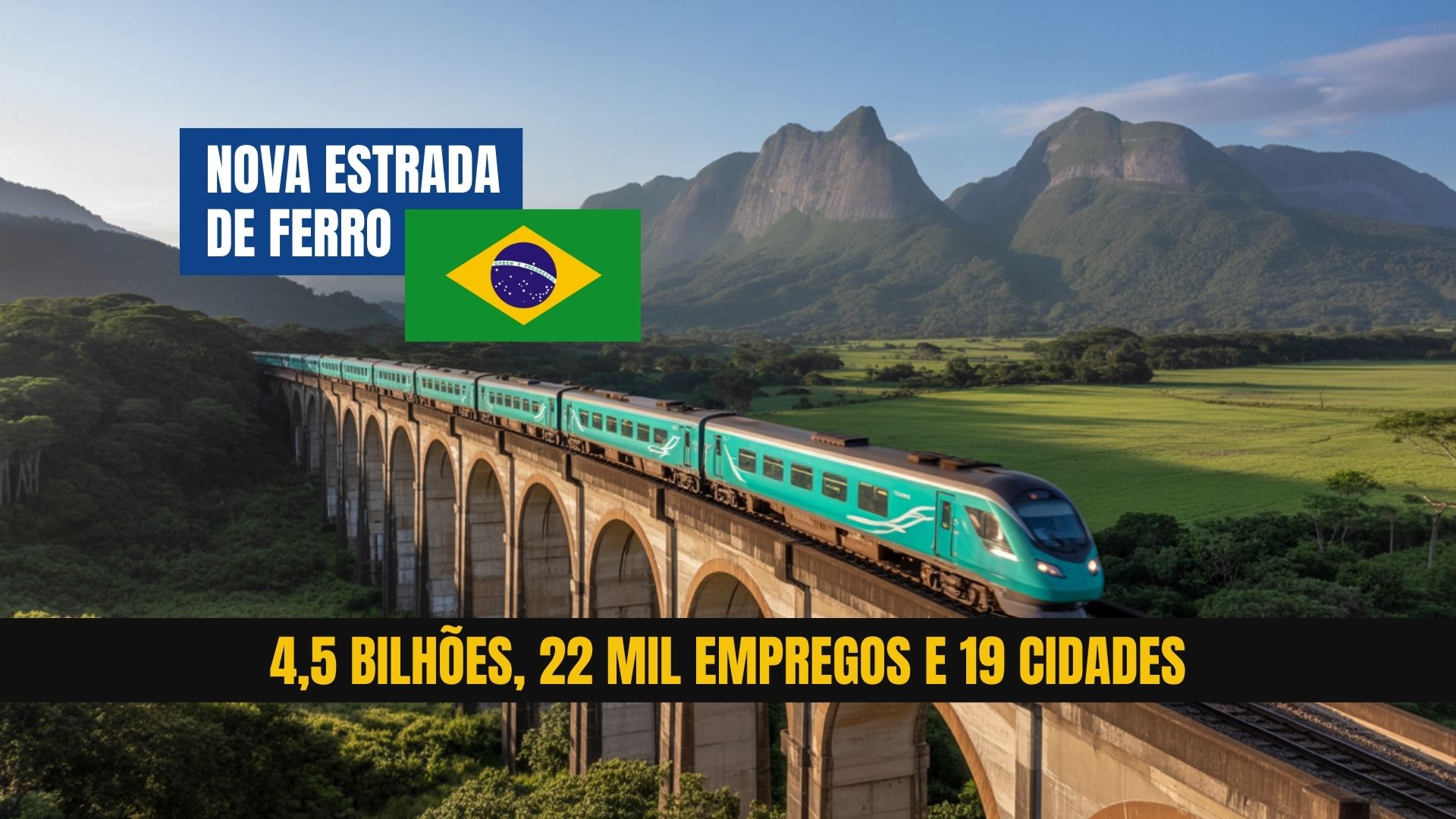
Unprecedented Project Will Connect Porto Alegre to Gramado by High-Speed Train, Linking 19 Cities in Just One Hour, with Billion-Dollar Private Investment and Expectation to Generate Over 22,000 Direct and Indirect Jobs.
The government of Rio Grande do Sul authorized this August the implementation, operation, and private exploitation of a railway for passengers between Porto Alegre and Gramado.
This is an unprecedented state authorization in the country for passenger transport, with an estimated investment of R$ 4.5 billion by SulTrens, a planned travel time of 1 hour, and a concession of 99 years.
The official projection indicates the creation of 22,723 direct and indirect jobs throughout the implementation and operation, with the goal of starting operations within seven years.
-
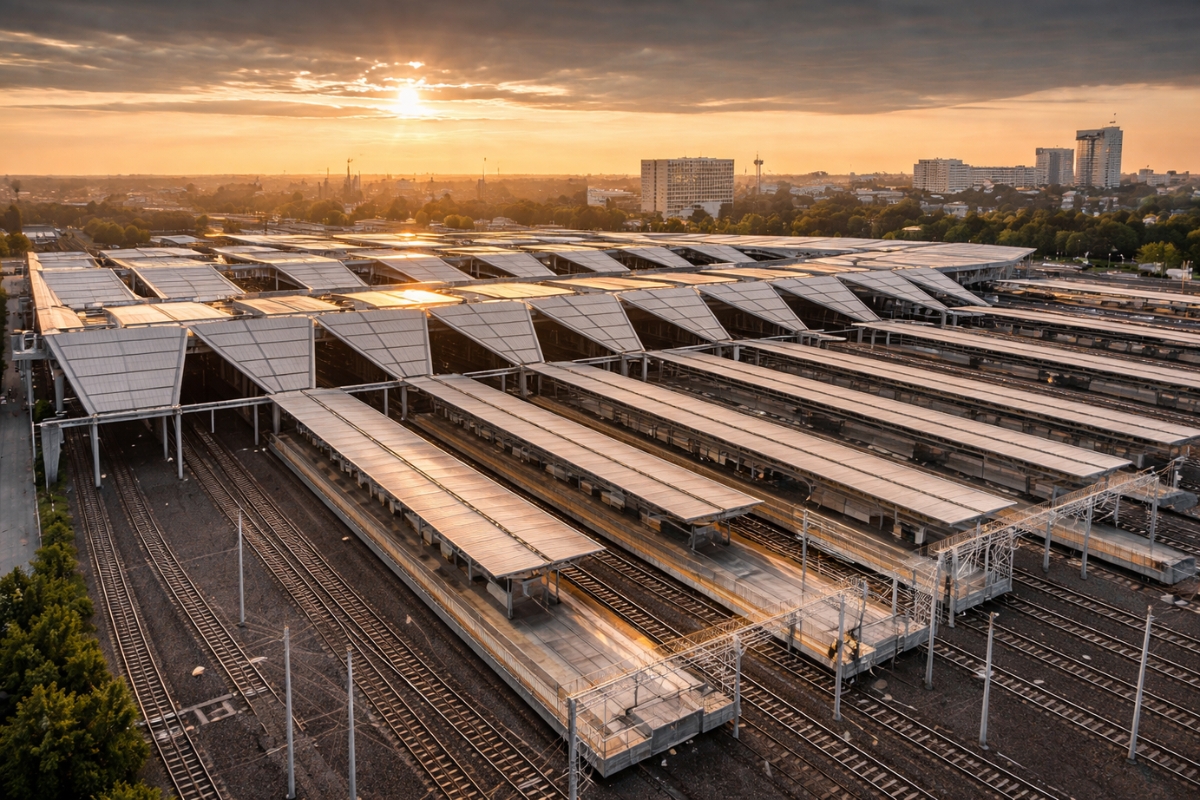
In A European City, The Country’s Largest Railway Junction Was Modernized Without Closing Its Doors, Kept Trains Running During Years Of Construction, Now Serves Up To 60,000 Passengers Per Day, And Installed Solar Panels That Generate About 30% Of Its Energy
-
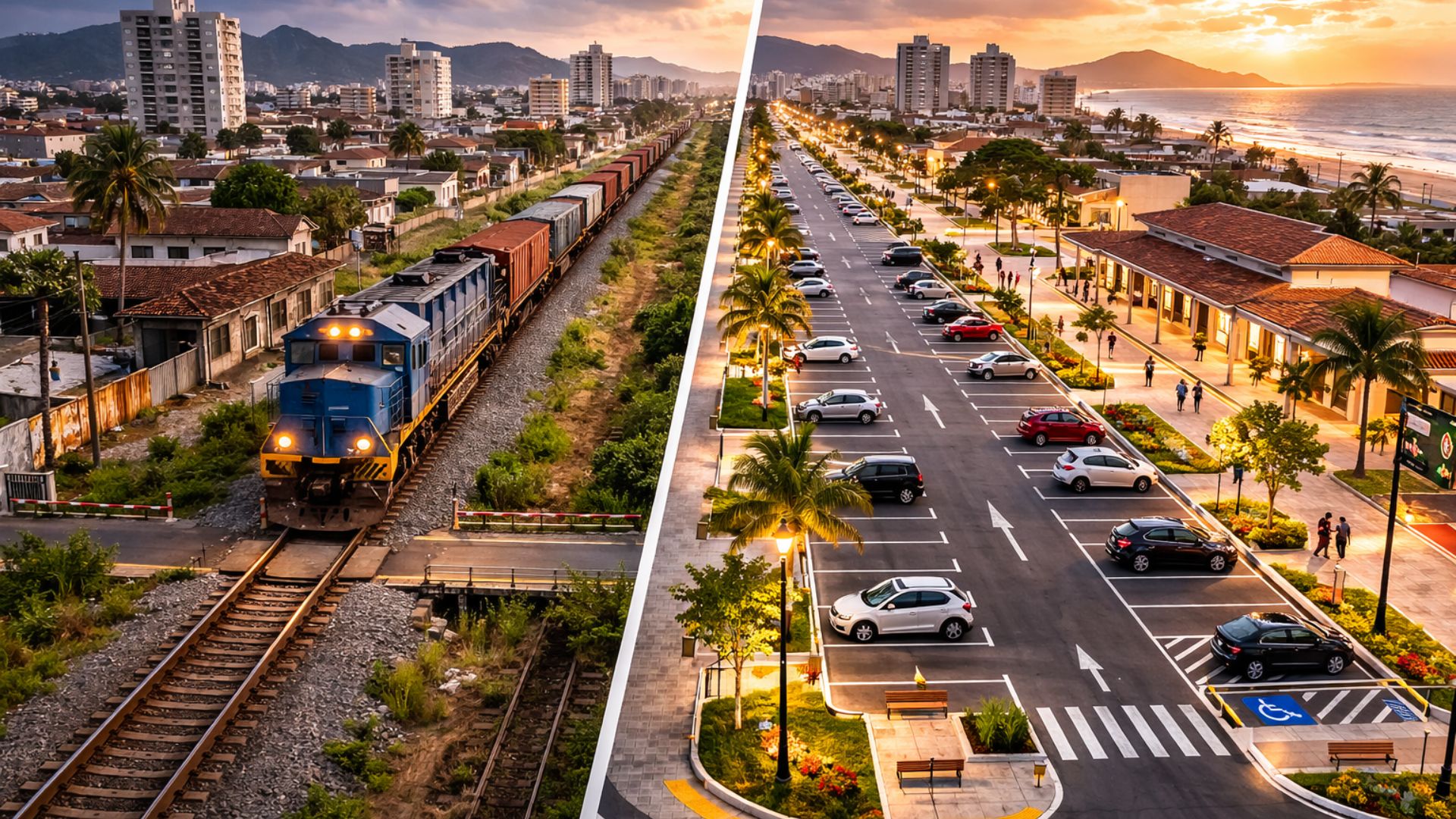
Famous Brazilian Railway May Become a Parking Lot
-
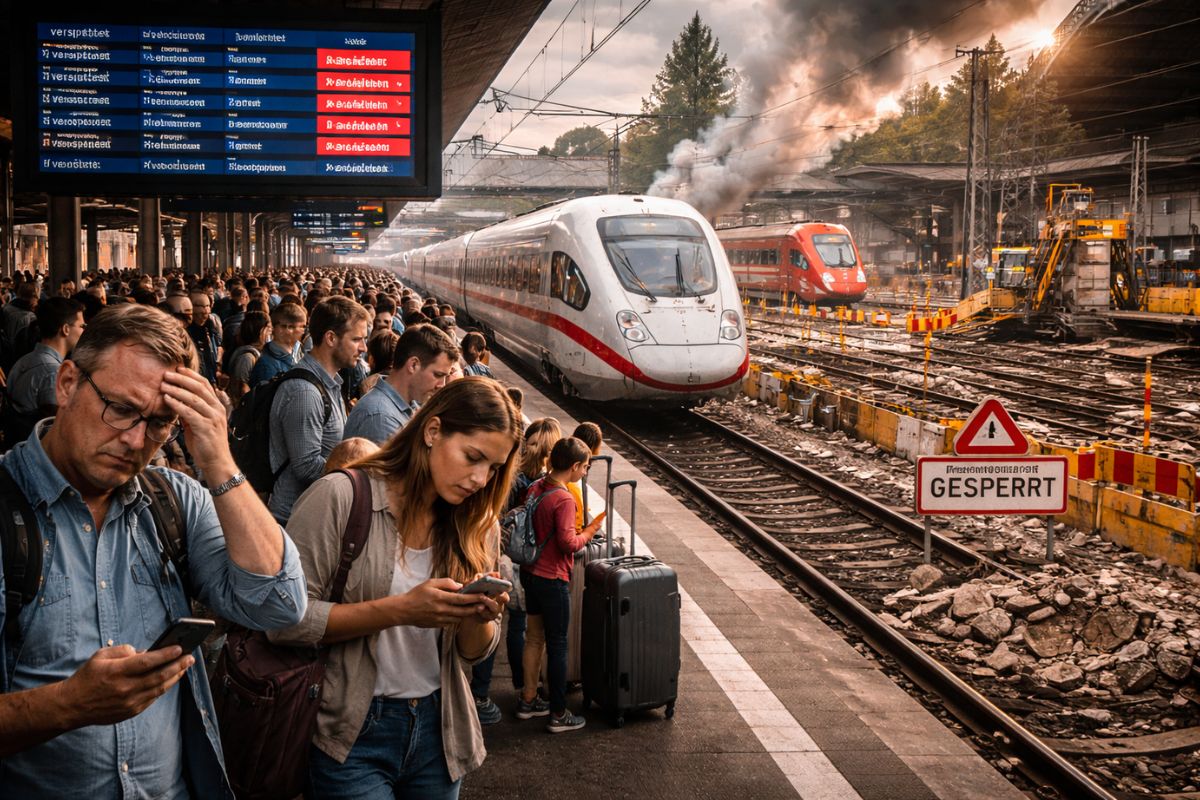
The Country of “Punctual As a Train” Admits It Has Lost Control: High-Speed Trains Delay, Stop, Disappear from the Map and Turn 6-Hour Trips into 10, While Deutsche Bahn Promises Restructuring in 2026 But Faces 19th Century Infrastructure, Staff Shortages and Sections Closed for Months
-
With an Investment of R$ 700 Million in One of the Country’s Main Rail Networks, VLI Reinforces Infrastructure, Receives 8 New Locomotives, and Expands the Corridor Connecting 7 States, Boosting Jobs and the Transportation of Grains, Ore, and Oil Products to the Port of Santos

Details of the Announcement and Railway Route
According to the announcement made at Palácio Piratini, the route will connect the capital to the Serra in a direct line, with two railway tracks, one in each direction.
The project was presented as a new axis of mobility and tourism, bringing together civil interventions and technological solutions to accelerate travel and reduce conflicts with road traffic.
At the ceremony, Governor Eduardo Leite, Secretary of Logistics and Transport Juvir Costella, and representatives from SulTrens participated.
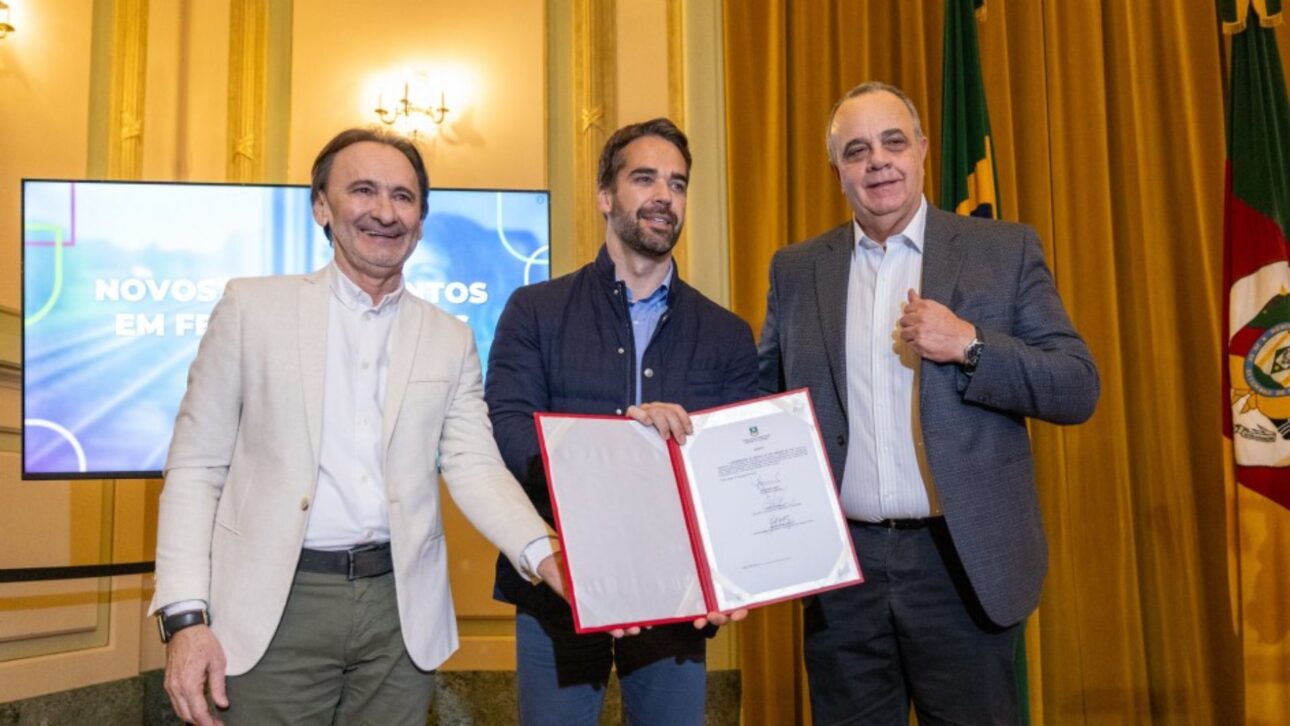
In his speech, Leite stated that the initiative is the result of a more favorable environment for private investment in the state.
“This private investment is made possible because Rio Grande do Sul has turned a corner. Today, we have a state with fiscal stability, public investment capacity, and legal security to attract entrepreneurship,” he said.
He further emphasized the economic nature of the project by mentioning that recent reforms created conditions for large-scale investments in infrastructure.
In addition to saving time between Porto Alegre and Gramado, the project was presented as an alternative to road transport on one of the busiest tourist routes in the country.
According to the government, the railway will be hybrid, with a composition capable of operating on electricity and diesel, which, according to the proposal, will help reduce CO₂ emissions and accidents on the roads.
The expectation is that the modal will increase the collection of ICMS and municipal taxes, with a trickle-down effect on tourism and services along the corridor.
Investment and Oversight of the Project
SulTrens will assume the entirety of the investment and must comply with the execution schedule agreed upon with the state.
The concession establishes a period of 99 years for exploration and imposes monitoring routines.
The Secretariat of Logistics and Transport will be responsible for overseeing the contract and for receiving quarterly reports on the progress of the stages, supported by opinions from the Attorney General’s Office of the State.
According to Secretary Juvir Costella, it is a “robust, modern project with a significant positive impact on the development of Rio Grande do Sul”, with parameters aligned with international best practices.
The route includes crossings, artwork, and tunnels to ensure speed and safety.
There are plans for 27 road-rail crossings, 15 bridges and viaducts — including a structure over the FreeWay (BR-290) — and nine tunnels.
The terminal stations will be located about 700 meters from Salgado Filho Airport in Porto Alegre, and on avenida das Hortênsias between Gramado and Canela, to facilitate integration with air transport and accommodation hubs.
Cities Served and Impact on Tourism
The direct service will reach 19 municipalities, with 22 cities in the area of influence.
The line will connect Porto Alegre, Canoas, Cachoeirinha, Gravataí, Esteio, Sapucaia do Sul, São Leopoldo, Novo Hamburgo, Campo Bom, Dois Irmãos, Sapiranga, Araricá, Parobé, Taquara, Morro Reuter, Nova Hartz, Igrejinha, Picada Café, Santa Maria do Herval, Três Coroas, Gramado, and Canela.
The official expectation is for a redistribution of flows and new tourism and service hubs along the railway.


Responsible for the initiative, SulTrens indicated that the goal is to provide a comfortable and predictable travel experience, with a standard compatible with the demands of tourism in the Serra.
Administrator Renato Ely highlighted that the implementation opens “a new era for transportation” in the region, integrating fast displacement, comfort, and a range of tourist activities that connect to the stations.
The state government maintains that the authorization results from approximately a year of technical and legal analyses, which sought to verify the viability of the enterprise and define governance mechanisms for execution.
Still according to the Executive, the modeling through authorization to the private initiative creates a national reference for other passenger railway projects under state jurisdiction, without direct Treasury funding.
Complementary Roadworks
While advancing the railway agenda, the state also formalized roadworks to improve municipal access.
On the same date, the order to begin was signed for two asphalt accesses: one in Quevedos, via ERS-524, over a distance of 28 kilometers to Toropi, with an investment of R$ 45 million; and another in São José das Missões, with 2.65 kilometers linking to BR-386, at a cost of R$ 10.1 million.
The expected delivery for the two accesses is 2026. According to the government, since 2019, 26 accesses have been completed with internal resources, and other contracts are either underway or in the initial phase.








-

Uma pessoa reagiu a isso.