





 English
  Francês
  Alemão
  Italiano
  Japonês
  Norueguês
  Portuguese
  Spanish
  3 min of reading
  0 comments


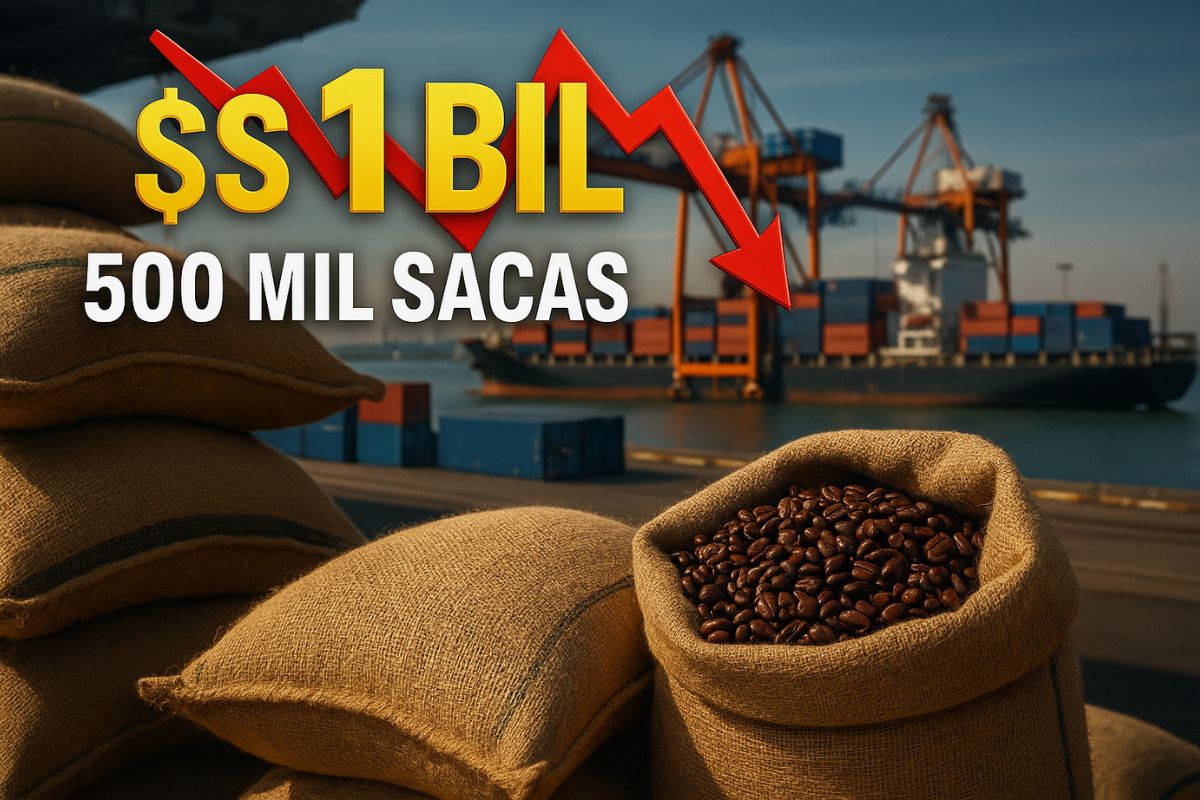
In July 2025, The Lack Of Port Infrastructure Made Brazil Lose R$ 1.084 Billion In Coffee Exports And Accumulate A Logistic Loss Of R$ 83 Million Since 2024.
According to the portal IstoÉ Dinheiro, Brazil fails to export more than 500 thousand bags of coffee in July 2025, accumulating losses of R$ 1.084 billion in foreign exchange revenue. The crisis was caused by bottlenecks in port infrastructure, mainly at the Port of Santos, and recurring delays in ships, which have already summed up logistic losses of R$ 83 million since 2024.
The impact is significant because Brazil is the world’s largest exporter of the commodity. Every delay compromises international contracts and threatens the credibility of Brazilian coffee in the global market.
Where Are The Bottlenecks?
The Council of Coffee Exporters of Brazil (Cecafé) reported that 508,732 bags of 60 kg did not embark in July, equivalent to 1,542 containers. The Port of Santos alone accounts for 80.4% of shipments this year and was the main focus of the crisis.
-
Unemployment rises again to 5.8% at the beginning of 2026, raising alarms about the end of temporary positions and its impact on the Brazilian job market.

-
Document organization can cut invisible costs in small businesses, a simple step that prevents waste, rework, and losses in daily operations.

-
Chinese giant worth nearly R$ 4 billion that manufactures cables for electric cars, solar energy, and robotics wants to open a factory in SC.

-
Many employers do not know, but the law guarantees domestic workers a 25% increase in salary during trips, 50% for overtime, 20% for night shifts, and 17 additional benefits that can lead to labor lawsuits if not paid.
In July, 65% of the ships that docked in Santos experienced delays or route changes, with waits of up to 35 days to load. This logistic issue hampers the flow of exports and generates additional costs for producers and companies.
How Much Has Been Lost?
Across all Brazilian ports, 51% of the ships recorded delays in July, according to the Detention Zero (DTZ) Bulletin, from the startup ElloX Digital in partnership with Cecafé. In just that month, the additional costs for storage, detentions, pre-stacking, and early gate access reached R$ 4.14 million.
Since June 2024, accumulated losses associated with the sector have totaled R$ 83.06 million, in addition to direct revenue losses. Brazil fails to export millions of coffee and accumulates financial impacts that reduce competitiveness in foreign trade.
What Solutions Are Being Discussed?
According to Cecafé’s technical director, Eduardo Heron, the expectation is that the problems will be mitigated with the progress of the Tecon Santos 10 auction, a container terminal at the Port of Santos. In discussions at the TCU and the Chamber, representatives of Cade stated that there is no need to restrict companies’ participation in the bidding.
The auction is expected to take place in 2025, bringing investments that will expand the port’s capacity. The goal is to prevent Brazil from continuing to miss out on billion-dollar coffee exports due to lack of infrastructure.
Impact On The Global Market
The delays in coffee exports do not only affect producers. Brazil fails to export at a time of high international demand, creating space for competitors like Vietnam and Colombia to increase their market share. This could reduce Brazil’s prominence in a sector where it is a historical leader.
The crisis shows how logistical bottlenecks can undermine the performance of entire supply chains, even when production is abundant and competitive.
The fact that Brazil fails to export more than 500 thousand bags of coffee in a single month highlights that port infrastructure is currently one of the main challenges for agribusiness. Without investments, the country risks losing ground in the global market and seeing its leadership threatened.
Do you believe Brazil is prepared to solve its logistical bottlenecks? Or will the lack of investment continue to make the country miss out on billions in strategic product exports? Leave your opinion in the comments — we want to hear from those who closely follow this reality.









-

2 pessoas reagiram a isso.