





 Portuguese
  English
  Spanish
  3 min of reading
  4 comments


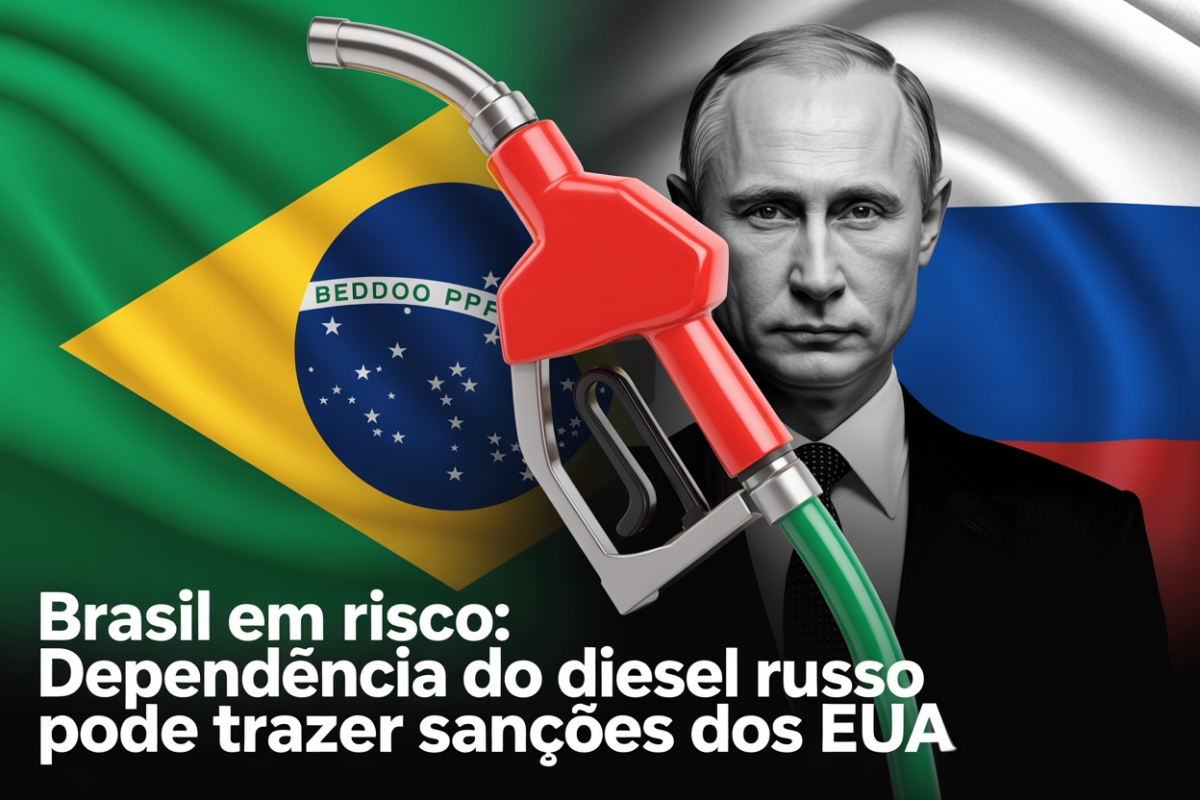


Brazil Depends on 60% of Russian Diesel, but Faces Unprecedented Pressure: Trump Threatens Sanctions on Those Who Continue Buying and Putin Announces Export Cuts, Leaving the Country in the Midst of Growing Energy and Diplomatic Risk
In recent years, Brazil has become one of the leading maritime buyers of Russian diesel, alongside Turkey. According to data from LSEG, Russian diesel exports to Brazil totaled about 7.4 million tons in 2024 — a 15% increase compared to the previous year.
This growing dependence did not occur by chance: Russian diesel reaches the Brazilian market at very competitive prices, putting pressure on imports from other suppliers.
However, this comfortable scenario faces new threats. On one hand, U.S. President Donald Trump recently renewed his sanctions rhetoric, announcing that he is willing to impose penalties on countries that continue buying Russian oil, but he conditions these measures on the simultaneous adherence of NATO allies.
-
Petrobras implements a severe adjustment and confirms a 55% increase in the price of aviation kerosene with a proposal for installment payments for the companies.

-
The rise in oil prices could ensure an extra revenue of R$ 100 billion for the Federal Government, indicates a recent economic study.

-
Naturgy begins an investment of R$ 1.6 million to expand the gas network in Niterói and benefit thousands of new residences and businesses.
-
A major turn in the Justice system suspends tax increases and directly impacts oil and gas companies in Brazil by affecting costs, contracts, and financial planning, leaving uncertain what could happen to the sector if these costs had increased.


On the other hand, Russia announced a partial restriction on diesel exports until the end of 2025, in response to attacks on refineries and the need to preserve internal supply.
Tensions and Threats: Trump, Secondary Sanctions, and Russian Hope
In mid-September 2025, Trump stated that he is “ready” to impose additional sanctions on Russia — but only if all NATO nations stop buying Russian fuels.
This strategy acts as a kind of “diplomatic trap”: by requiring collective action, he avoids taking unilateral steps against vulnerable countries that maintain trade ties.
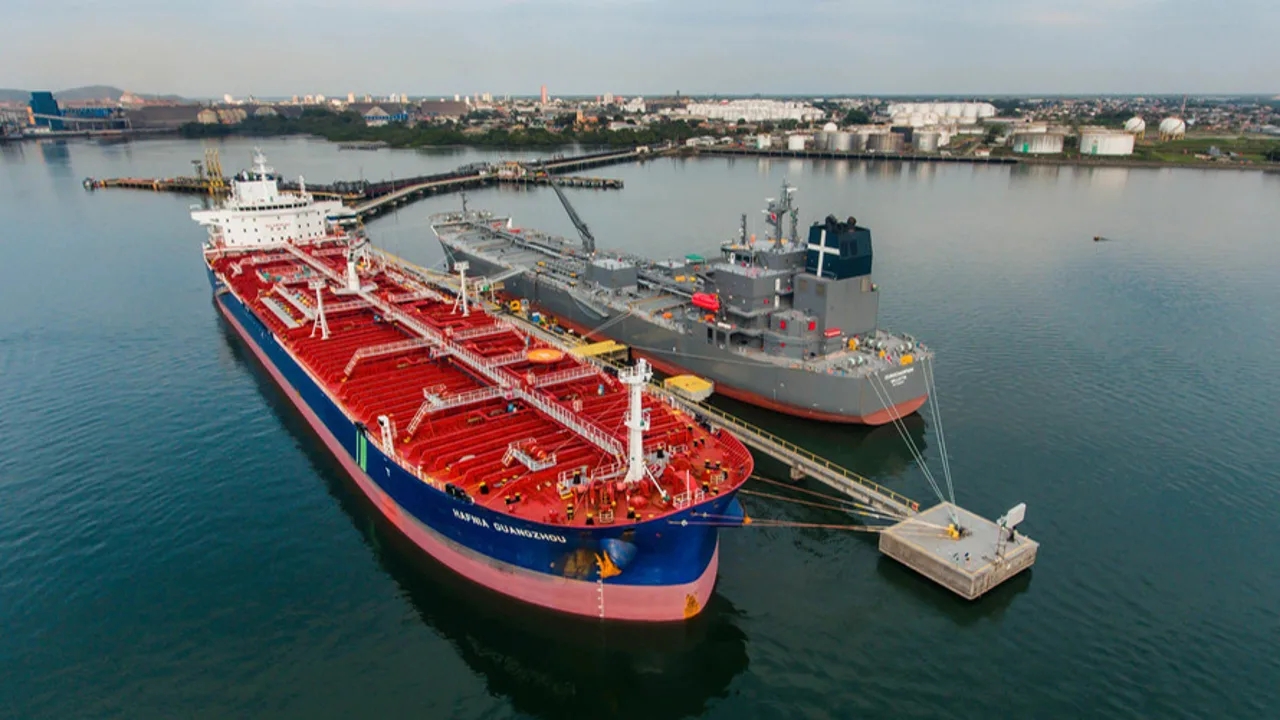
At the same time, Moscow decided to impose a partial restriction on diesel exports (affecting resellers, but not direct producers), also extending the ban on gasoline exports.
The official justification is the pressure on the domestic market and the need to maintain strategic stocks due to damage sustained by refineries (resulting from Ukrainian attacks). However, market operators already observe that the measure may have a limited impact on the flow of Russian diesel, as much of the volumes are shipped directly by producers via pipelines.
Expected Impacts in Brazil: Prices, Supply, and Strategic Risks
For Brazil, this confluence of external pressures and Russian adjustments creates serious uncertainties. First, the risk that new American (or secondary) sanctions may hit Brazilian companies, ports, or insurers involved in chains that import Russian diesel.
This scenario could make operations more burdensome, complicate marine insurance, and alter investment decisions in the energy sector.
Second, with Russian exports partially curtailed, the price of this diesel will incorporate higher risk premiums — which could make alternative sources, such as the Gulf of Mexico (U.S.) and the Middle East, more competitive.
However, these routes have logistical limitations regarding ship availability, delivery times, and already signed contracts.
Moreover, Brazilian companies, trading companies, and Petrobras will have to adapt to the new “origin mix” scenario of their matrix, possibly re-evaluating long-term contracts and hedging strategies.
The domestic market may feel adjustments, mainly in end consumer prices and the cost of road and agricultural transport, also affecting the harvest flow.
What Will Be the Outcome?
If Trump’s threats turn into effective sanctions, Brazil will face a difficult choice: maintain supply with political risk or renegotiate with less risky suppliers — possibly at higher prices.
From the Russian perspective, export restrictions may increase its bargaining power in energy negotiations, forcing buyers to accept less favorable prices.
Ultimately, Brazil is in a vulnerable position: its strategic dependence on Russian diesel and geopolitical exposure puts the country at risk of suffering consequences not only economic but also diplomatic if this game between Washington and Moscow escalates.








Lula triplicou a compra de diesel russo, na intenção de financiar a Rússia. Nos colocou em situação vulnerável, poderia ter investido em produção no Brasil,gerado emprego e renda aos brasileiros.
Primeiro vá estudar GEOPOLÍTICA antes de fazer observações empíricas e sem DADOS E FATOS, pois, comprar diesel da Rússia é uma boa opção devido ao preço bem mais baixo e nada tem a ver com ideologia… e montar refinarias e pólos petroquímicos… não se faz rapidamente. Mas estaríamos bem melhor se o MARGINAL Temer não tivesse entregue, a preço de **** o petróleo do Pré Sal e o aloprado ****, alucinado, despreparado, incompetente, mal educado, ignorante, ****, irresponsável, ****, empestiador, homofóbico, fanático religioso, ****, poluidor, incendiário, **** contumaz, desocupado e preguiçoso Bolsonaro… não tivesse PRIVATIZADO a Refinaria Landulpho Alves na Bahia.
Que absurdo este seu comentário , que despreparo !
“Entendo seu ponto, mas precisamos trazer fatos à mesa. As refinarias que poderiam nos dar independência no refino – a Abreu e Lima, em Pernambuco, e o Comperj, no Rio – foram iniciadas nos governos Lula e Dilma. Essas obras se tornaram alvo dos maiores escândalos de corrupção revelados pela Lava Jato, com desvios bilionários e contratos superfaturados.
Só a Abreu e Lima já consumiu mais de R$ 90 bilhões, entregando menos de 50% da capacidade planejada. O Comperj, previsto para 2014, até hoje não entrou em operação plena.
Ou seja, se hoje o Brasil depende de importar diesel, parte dessa vulnerabilidade vem da má gestão e da corrupção nessas refinarias, que deveriam nos garantir autossuficiência. Essa é uma análise objetiva, baseada em fatos, não em ideologia.”
Petrobras só é usada pra sustento da elite politica brasileira nada mais, quando os recursos secarem e não ter como sustenta-lós ninguém mais vai querer ser politico