





 Portuguese
  English
  Spanish
  4 min of reading
  1 comment


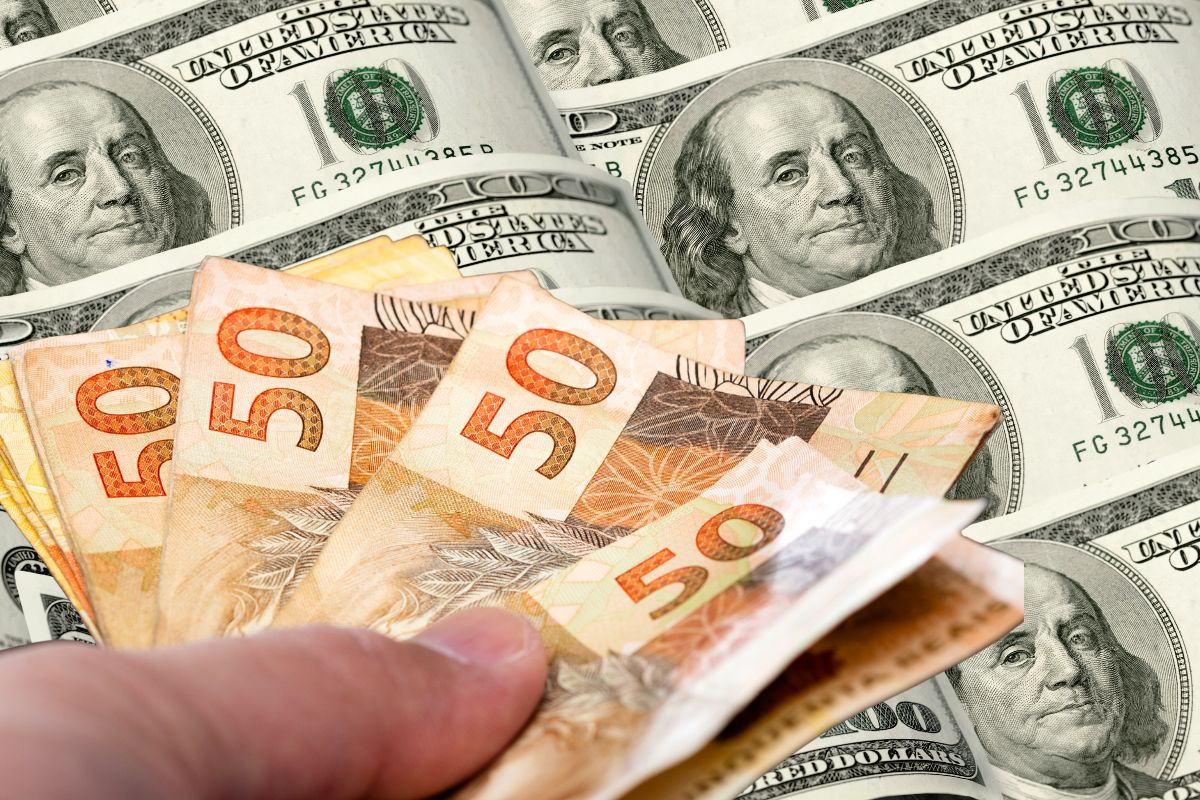


In A Maneuver To Reduce Dependence On The Dollar, Brazil Deepens Ties With Chinese Financial Technology, Creating Opportunities And Serious Geopolitical Risks.
According To Analyses By Institutes Such As The Brazilian Center For International Relations (CEBRI), Brazil Has Intensified Its Partnerships With China In The Financial Technology Sector, With A Special Focus On The Smart Cards From China. This Strategy, Driven By The Government Of President Luiz Inácio Lula Da Silva, Aims To Create Alternatives To The American Dollar-Dominated Financial System, Aligning The Country With The BRICS Bloc. For Brazil, This Represents A Search For Greater Economic Sovereignty, But It Also Raises A Warning About The Risks Of Technological Dependence On Beijing And Possible Retaliations From The United States.
The Movement Gained Strength Amid A Scenario Of Global Trade Tensions. The Adoption Of Technologies Such As The Smart Cards From China, Which Integrate Chips For Digital Payments And Blockchain, Allows Direct Transactions Between The BRICS Countries, Without The Need To Go Through American Intermediaries Like The SWIFT System. However, This Approach Is Seen With Suspicion By Washington And Generates An Intense Debate About The Directions Of Brazilian Foreign Policy.
The Rivalry Between The US And China As A Background
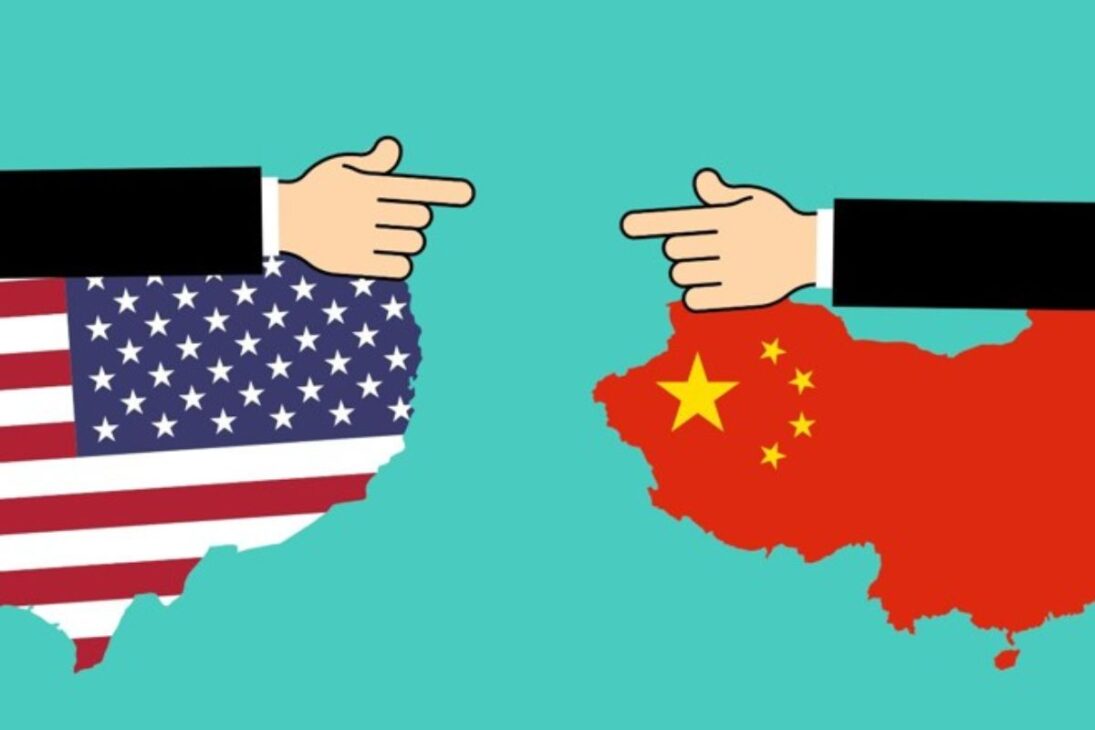
The Brazilian Decision To Approach Chinese Financial Technology Is Directly Linked To The Growing Rivalry Between The United States And China. Since 2020, The US Has Pressured Brazil To Limit The Presence Of Chinese Companies In Critical Sectors, Such As 5G, On The Grounds Of National Security Risks. In October 2020, Then Secretary Of State Mike Pompeo Even Offered A $1 Billion Investment Package As An Alternative To Huawei Technology.
-
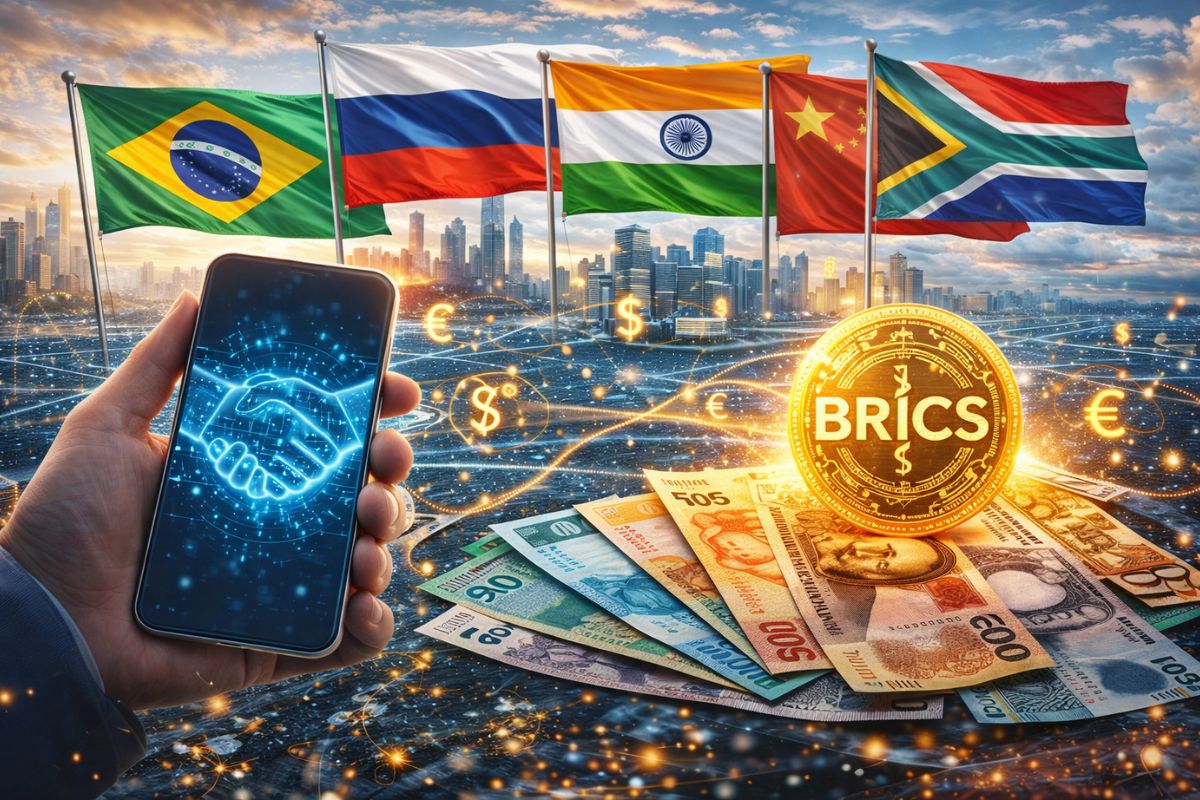
BRICS is building its own payment system that could be operational by 2030, and experts say it could increase trade between the countries by up to 10% per year and add 3% to the GDP of each member of the bloc.
-
Government suspends over 3 million traffic fines in Brazil and drivers breathe a sigh of relief.

-
Iran has just approved toll charges for ships in the Strait of Hormuz and has completely prohibited the passage of vessels from the United States and Israel in the world’s most important maritime route for the global energy market.

-
Government cancels R$ 25 million “celebration” for Brasília’s anniversary and allocates funds to health.


However, The Lula Government Chose To Deepen Ties With Beijing. In October 2024, During A BRICS Summit In Russia, The Brazilian President Openly Advocated For The Creation Of Alternative Payment Methods To The Dollar. The Consolidation Of This Strategy Occurred In July 2025, With The Start Of Commercial Operations Between Brazil And China Without The Use Of The American Currency, A Move That, According To Estimates From CNN Brazil, Could Generate Savings Of Billions In Transaction Costs.
Who Are The Giants Behind The Smart Cards From China?
Several Chinese And Brazilian Companies Are At The Forefront Of This New Financial Architecture.
UnionPay: Is The Chinese Card System And The Largest Issuer In The World, With Over 10 Billion Units. In Brazil, Partnerships With Local Fintechs, Such As Left Fintech, Allow Integration With PIX And The Execution Of Direct Payments.
Bank Of China (BOC) And ICBC: Chinese Banking Giants That Have Expanded Their Operations In Brazil. In 2024, BOC Invested Over R$ 800 Million In Its Subsidiaries In The Country To Facilitate Transactions In The Chinese Currency, The Renminbi.
BRICS Pay: Launched In 2024, Is A Platform That Uses Blockchain To Enable Secure Transactions Between The Countries Of The Bloc, Avoiding The Western Financial System And Possible Sanctions.
On The Brazilian Side, The Central Bank Of Brazil (BCB) Has Been A Key Player, Leading The Integration Of These New Technologies With The Successful PIX System.
The Numbers Of The Partnership And The Benefits For Digital Payments
The Partnership With China Is Supported By Robust Numbers. Bilateral Trade Between The Two Countries Reached Almost US$ 200 Billion In 2024. The Adoption Of Direct Payment Systems Promises To Reduce The Costs Of These Transactions By Up To 30%.
For Consumers And Brazilian Companies, The Integration Of The Smart Cards From China With PIX Can Bring Benefits Such As The Ability To Make Installments On International Purchases Without Dollar Conversion Fees. Additionally, According To Data From The Bank For International Settlements (BIS) From 2025, The Use Of Fintechs Like The Smart Cards Can Increase Financial Inclusion By Up To 40% For Populations Lacking Access To Banks.
| Indicator | Current Situation | Impact Of The Partnership |
| Brazil-China Trade (2024) | Almost US$ 200 Billion | Reduction In Transaction Costs |
| Chinese Investment (Data Centers) | Over US$ 14 Billion (Lat. Am.) | Boost For Fintechs |
| Financial Inclusion (BRICS) | Underbanked Populations | 40% Increase In Access |
The Risks Of The Alliance: Surveillance, Isolation, And The US Reaction
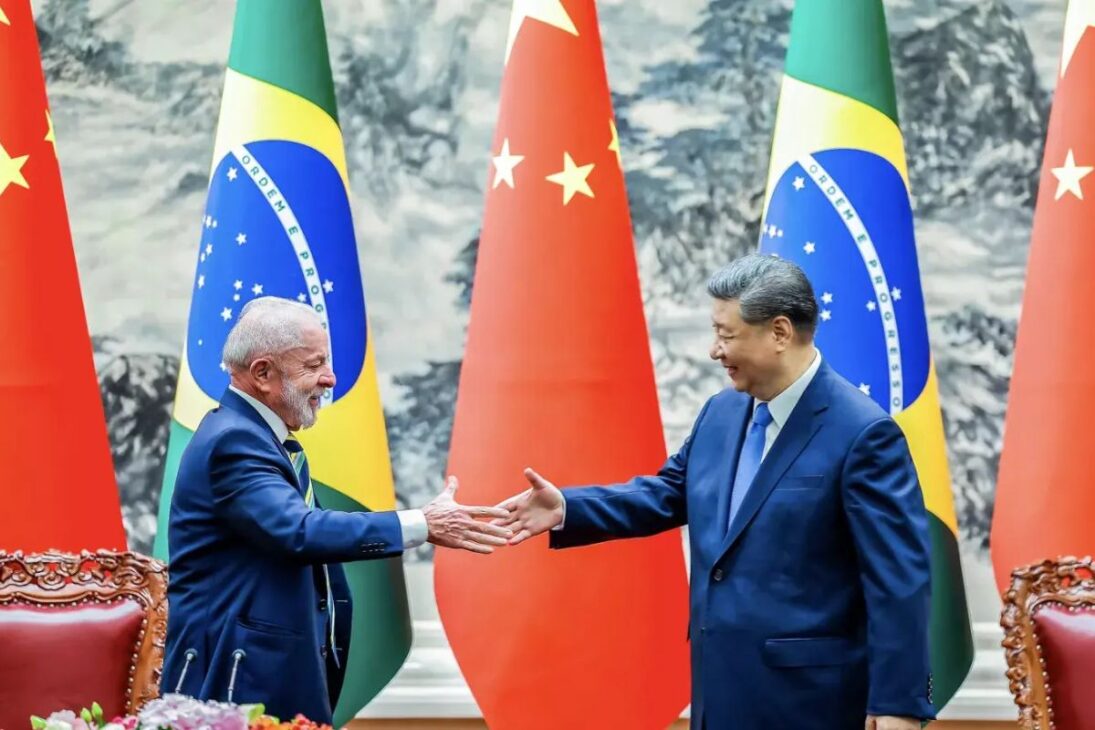
Despite The Economic Advantages, The Growing Dependency On China Generates Serious Risks. The Main One Is The Issue Of Digital Sovereignty. Centralized Financial Systems Like China’s Allow A Level Of Data Surveillance That Raises Concerns About Privacy And Control.
Geopolitically, The Approach To Beijing Places Brazil In A Delicate Position. American Politicians, Such As Secretary Of State Marco Rubio, Harshly Criticized The Agreement In January 2025, Claiming It Creates A “Duplicated Economic System” To Bypass Sanctions. The Strongest Reaction Came From President Donald Trump, Who In April 2025 Imposed 50% Tariffs On Brazilian Products In Direct Retaliation To Brazil’s Partnerships With China.
For Brazil, The Challenge Is To Balance The Benefits Of Greater Financial Autonomy With The Risks Of Aligning With One Side Of The Global Dispute. The Bet On The Smart Cards From China May Modernize The Payment System, But It Requires A Thorough Debate About The Long-Term Consequences For The Country’s Sovereignty And Strategic Alliances.
Do You Believe This Partnership With China Is Beneficial For Brazil? Leave Your Opinion In The Comments.









Será um desastre para a nação Brasileira, ficaremos nas mãos dos Chineses!
É só ver o final da matéria e você vai entender que esse risco vai destruir de vez nosso país, pois os riscos não compensam.
Pois as sanções dos EUA só aumentariam e quase 100 % de tudo que é industrializados no Brasil tem alguma tecnologia americana e isso fará com que falte Td e passaremos necessidades de td!!!
Esperamos que o **** DO LULA sente e resolva com os EUA de maneira honesta, mas sabemos que ele não fará isso