





 Portuguese
  English
  Spanish
  4 min of reading
  0 comments


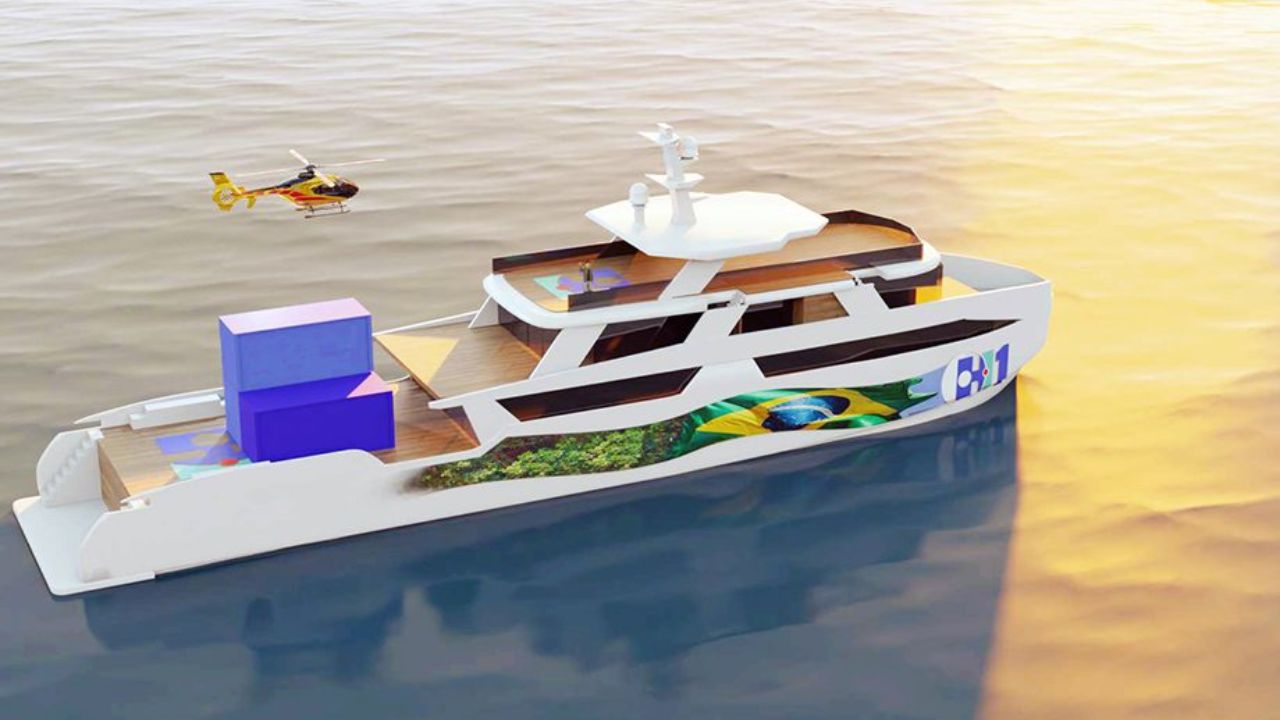
JAQ Initiative, with Itaipu Parquetec and Nautical Group, Promises to Transform Navigation with Green Hydrogen Propulsion, Placing the Country at the Forefront of a Cleaner and Quieter Era at Sea with Demonstration at COP30.
Brazil is about to take a leap towards the future of navigation! A pioneering technology for boats powered by green hydrogen is fully under development in the country. The JAQ project, a collaboration between Nautical Group and Itaipu Parquetec, not only places Brazil at the forefront of this innovation but will also present its revolutionary model to the world during COP30. Get ready for a new era at sea, cleaner and quieter.
The discussion about the future of hydrogen in navigation was a central theme in an interview conducted by Marcio Dottori on Nautical Studio. In it, Professor Irineu Colombo, Superintendent Director of Itaipu Parquetec, and Daniel Cantane, Manager of the Green Hydrogen Center Itaipu Parquetec, shared their insights. “Everyone is behind the technological development of hydrogen. In terms of boats, together with NÁUTICA, we are pioneers,” revealed Colombo.
Innovation and Expertise in Clean Energy
To understand the relevance of the assessment, it is crucial to know Itaipu Parquetec. The institution is the technological arm of Itaipu Binational. This, in turn, is the third largest hydroelectric power plant in the world, located on the border between Brazil and Paraguay. Being binational, it is governed by both governments. The plant produces clean and renewable energy from the Paraná River. “It is the largest producer of clean energy in the world,” stated Professor Colombo.
-
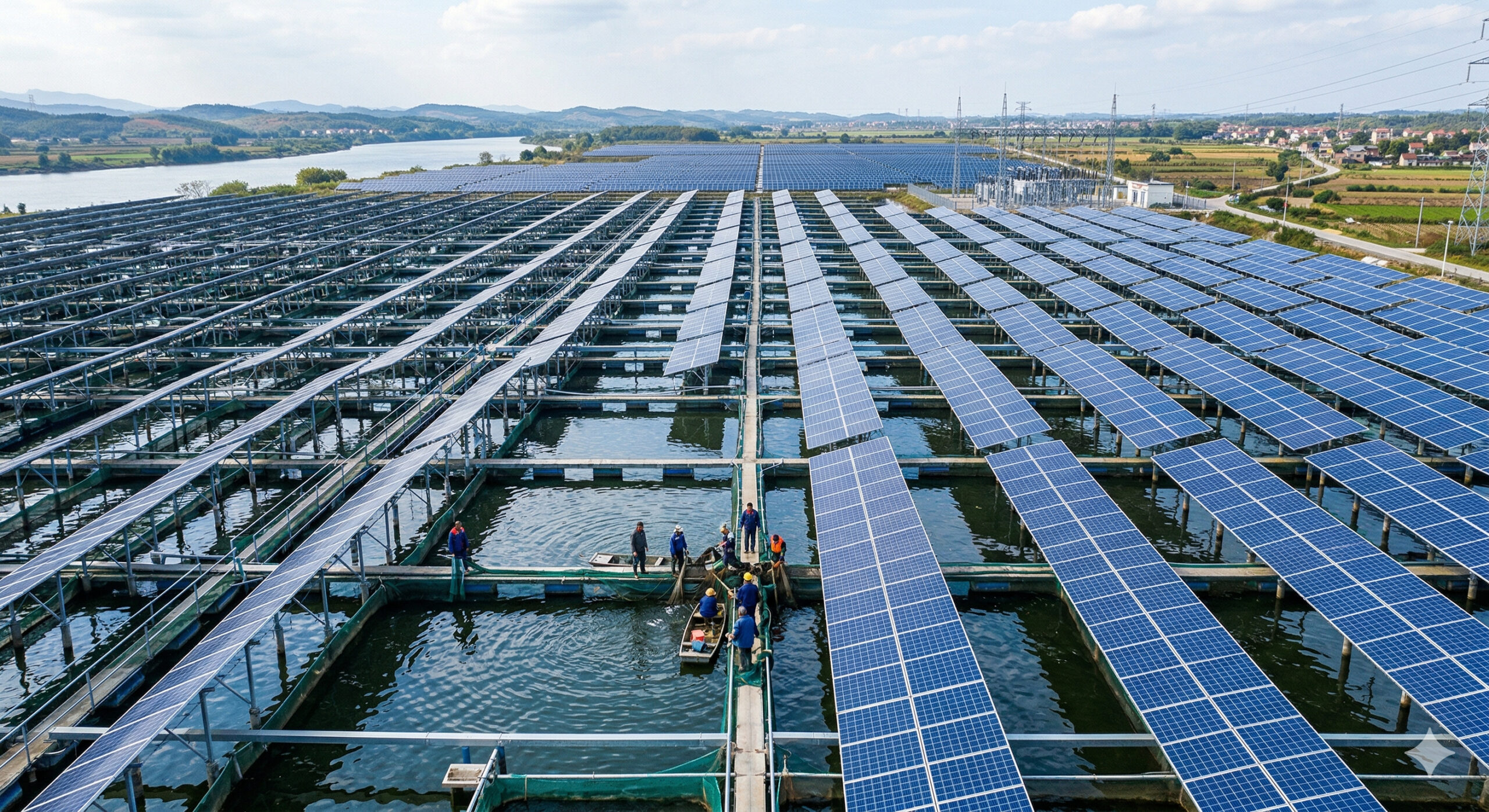
China bets on the Fishery-PV model and transforms fish farms into giant solar plants, covering ponds with panels that generate energy while utilizing the same space for large-scale aquaculture production.
-
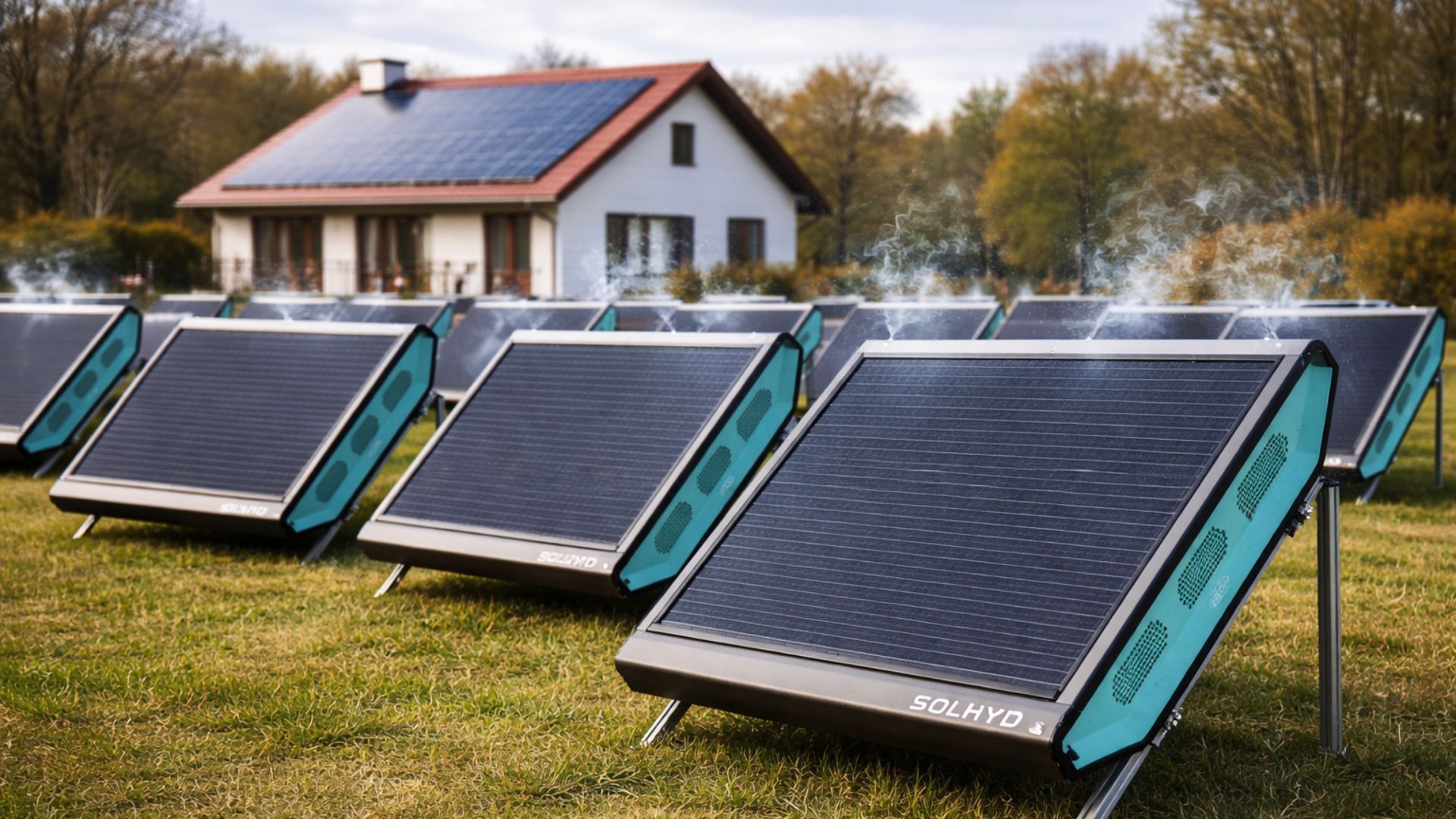
Green hydrogen at home: Belgium launches new technology that makes solar panels produce fuel from the moisture in the air, which could boost the energy transition.
-
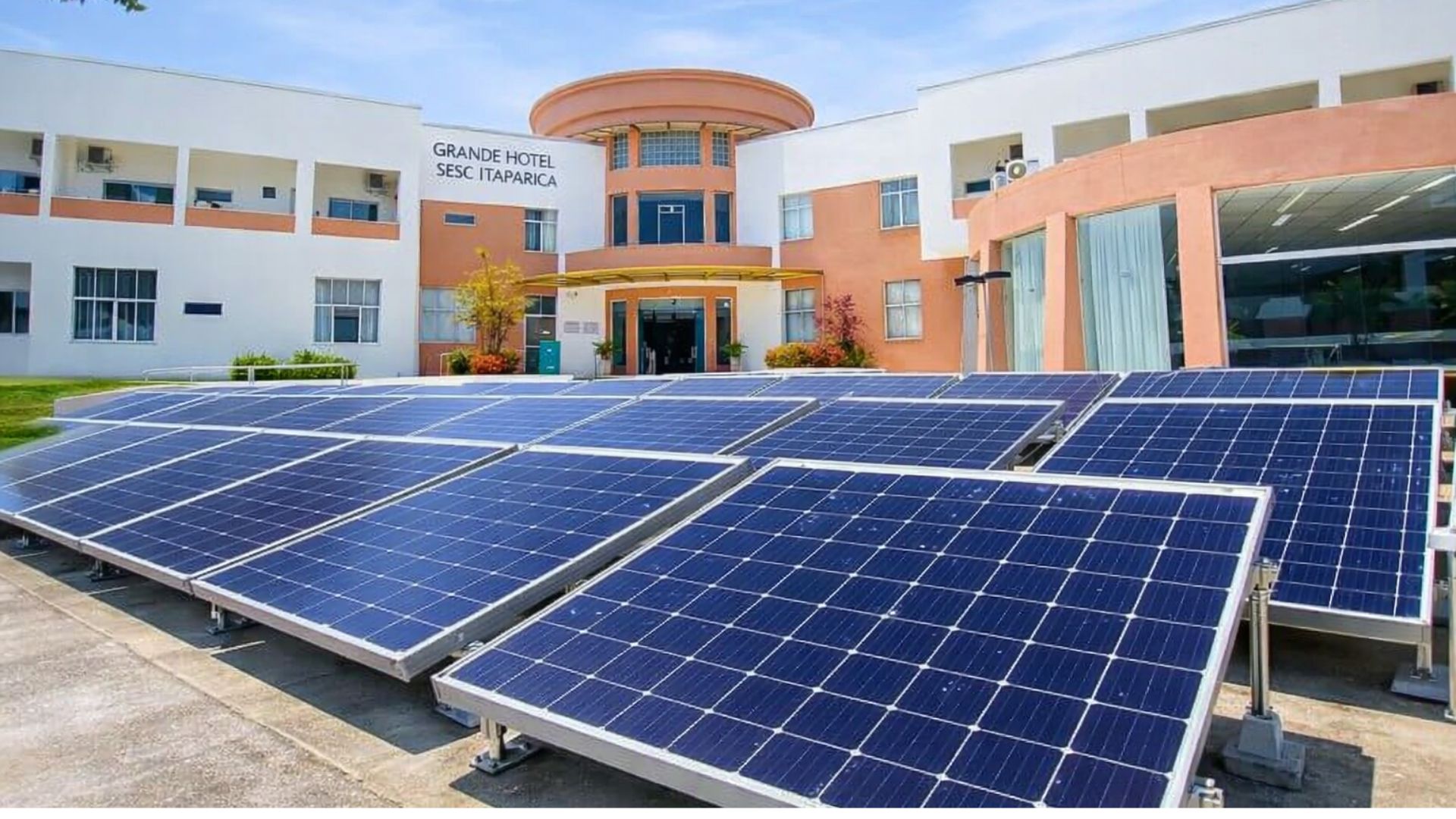
Sesc-BA bets on renewable energy with the support of EDP and drives the energy transition with a direct impact on cost reduction and the sustainability of its operations in Bahia.
-
Technology giant breaks global sustainability records: How Amazon’s leadership in renewable energy procurement transformed the global energy market in the past year.


Itaipu Parquetec was established in 2003. Its goal is to foster new technologies and present solutions. It serves both Itaipu Binational and other companies, such as JAQ Green Hydrogen, a division of Nautical Group. Colombo describes Parquetec as an innovation environment. It integrates universities, researchers, and innovation centers, such as the Green Hydrogen Center Itaipu Parquetec, managed by Daniel Cantane. “We develop solutions, create new companies, and present various projects,” explains Colombo.
A Versatile Energy Vector for Vessels
Daniel Cantane explains that hydrogen is a versatile energy vector. It can be used directly as fuel. It also serves as an input for the production of other items in the chemical industry. “It can produce everything from other types of fuel to the production of plastic, fertilizer, steel, and other elements,” details Cantane.
In the context of boats, hydrogen offers multiple possibilities. It can power generators for the vessel’s hospitality and navigation systems. Moreover, it can be used directly in the vessel’s propellers. Colombo adds, predicting that in about four years, boats will navigate without the noise of combustion engines. This will be possible due to electric propulsion powered by fuel cells. In this system, hydrogen is processed in the cell, which separates the electrons and generates energy for the electric motor. The only byproduct released is water vapor. “This is our dream. We will carry out several technological tests and there will be costs—we are looking for partners who want to embark with us on this journey of innovation,” emphasizes the professor.
Brazilian Pioneering with Green Hydrogen at COP30
The JAQ Project is the embodiment of this advancement. The first green hydrogen powered vessel of the project will be presented at COP30. As Colombo details, it will feature a hybrid system. This system will combine diesel oil with the injection of hydrogen.
With this technology, the environmental impact will be drastically reduced. “We estimate emissions of only 3% to 7%, compared to the 100% generated by the exclusive use of diesel,” points out Colombo. The waste generated by the system is just water. This contributes to the preservation of coral reefs and offers significant environmental gains. The JAQ Project is led by Itaipu Parquetec, a reference in sustainable fuel production in Brazil, and coordinated by Colombo. It involves the partnership of JAQ Green Hydrogen, a division of Nautical Group. It encompasses two vessels: Explorer H1 and Explorer H2. The project is also supported by GWM, a Chinese company that provides its technology for the development of green hydrogen.
Impacts and Potential of Hydrogen
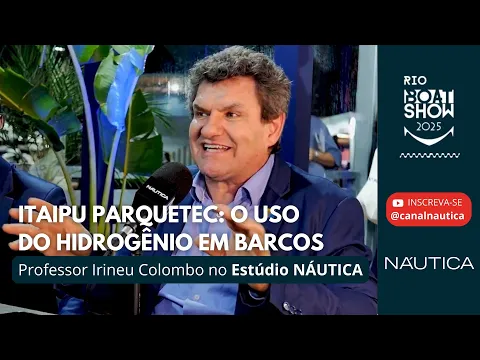

For Cantane, technological experiments like the JAQ Project result in new possibilities, both direct and indirect. “You can use part of this know-how from the onboard technologies to explore oil platforms, for example, like offshore wind energy,” he emphasizes. “Certainly, the results of this project will bring new possibilities, not just on the vessel, but beyond that,” he adds.
Colombo envisions alternative uses for hydrogen in the chemical and automotive industries, from cars to trucks. “Our goal is to draw the attention of governments and companies to the potential of this project. We want to attract investments that make this initiative viable and profitable,” points out the professor.
With information: Nautical.






Seja o primeiro a reagir!