





 Portuguese
  English
  Spanish
  4 min of reading
  0 comments


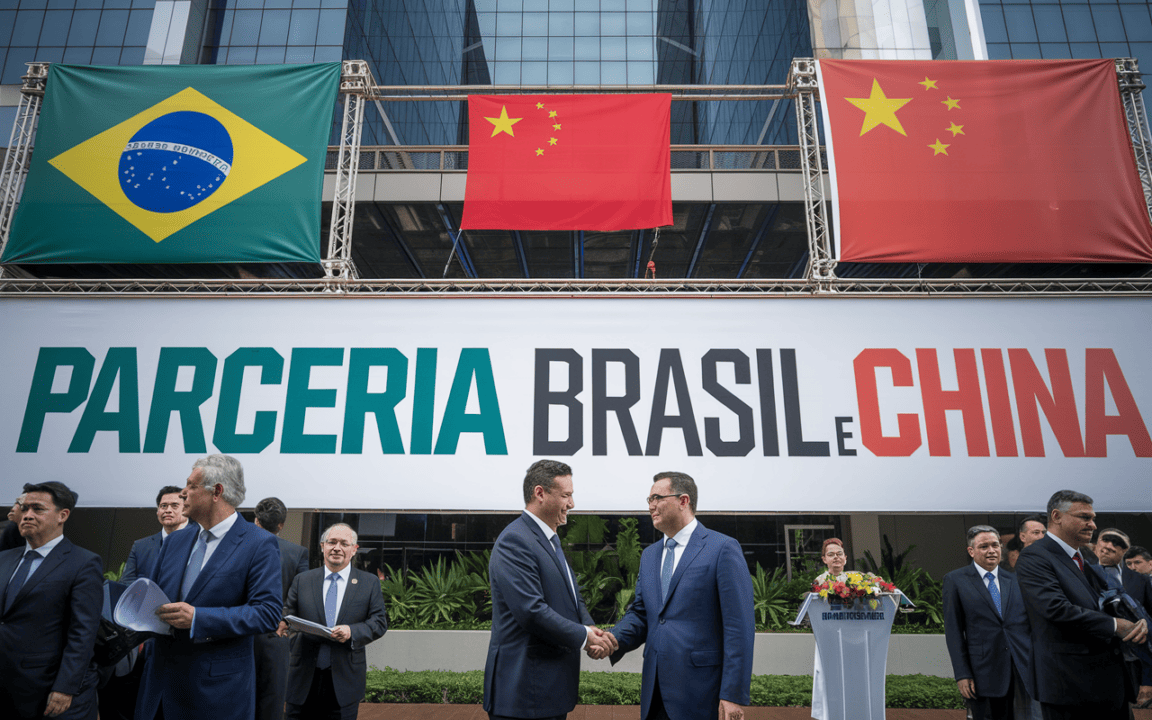
Partnership Between Brazil and China Promises Digital Hospital, Electric Cars, Clean Energy, and Strategic Infrastructure Focused on Public Health, Sustainable Development, and Energy Transition in the New PAC.
The partnership between Brazil and China has been strengthened with the signing of new strategic agreements aimed at health, energy transition, and logistical infrastructure, highlighting the construction of the first digital hospital in Brazil, the advancement in the use of electric cars, and the execution of the Bioceanic Corridor, a strategic project included in the New PAC. These actions are part of a broad bilateral agenda aimed at intensifying cooperation between the two countries, stimulating investments in key sectors of the Brazilian economy, and promoting digital and sustainable transformation in various areas.
The agreements were established during meetings held this week with representatives from the Brazilian and Chinese governments, as part of the preparation for President Luiz Inácio Lula da Silva’s upcoming official visit to China, scheduled for May.
Digital Hospital Will Be a Reference in Technological Innovation in Public Health
One of the main results of this strategic alignment is the construction of the first reference digital hospital in Brazil, expected to be built in São Paulo, with a capacity for over 800 beds. The project was discussed between the Minister of Health, Alexandre Padilha, and the Chinese ambassador to Brazil, Zhu Qingqiao.
-
Havan buys historic football land in Blumenau for a million-dollar amount protected by a confidentiality clause and is already planning to change even the layout of streets to build a megastore in half-timbered style costing 80 million reais.

-
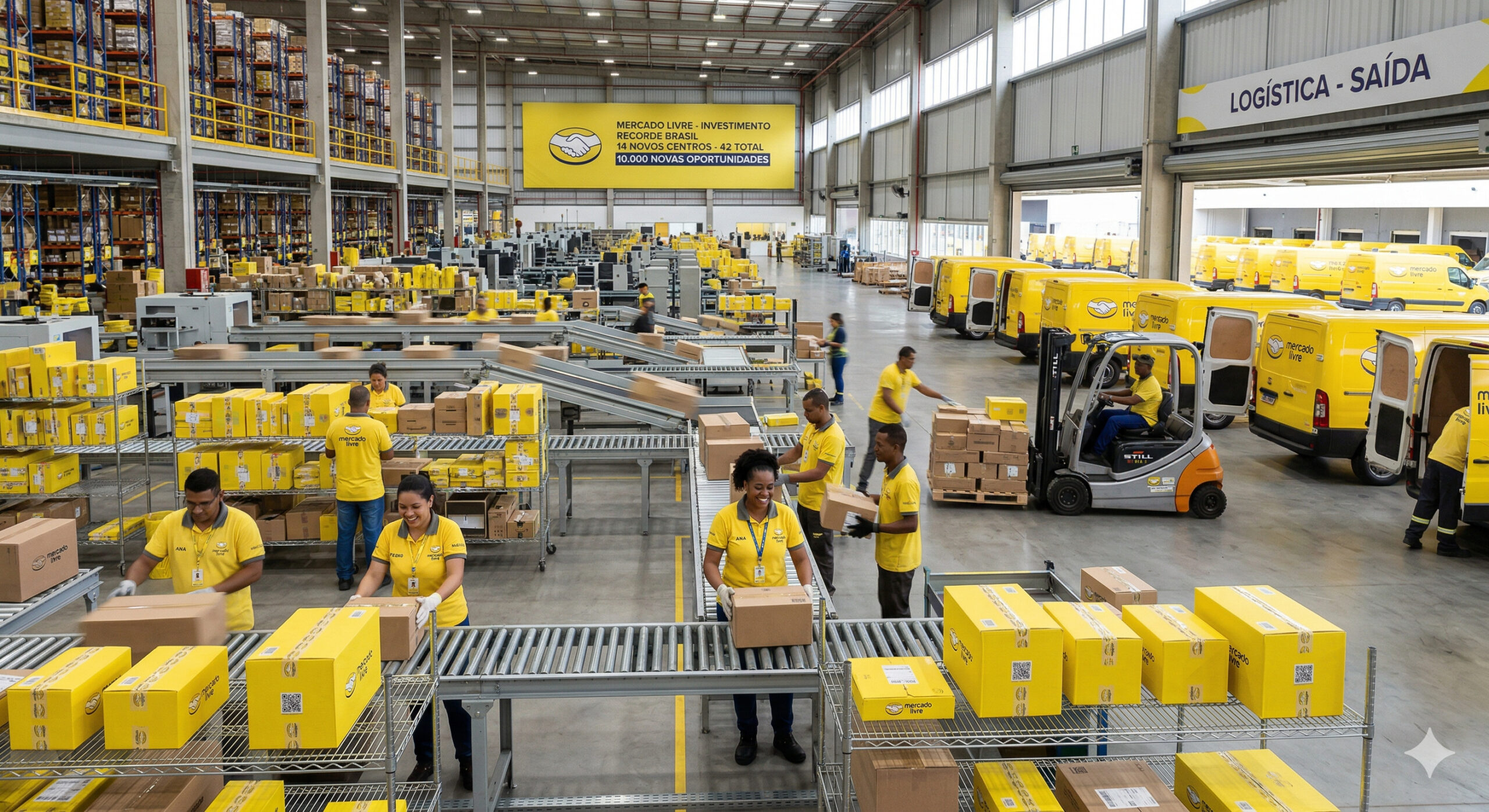
Mercado Livre “opens the vault” and announces a record investment of R$ 57 billion in Brazil in 2026, a value 50% higher than the previous year, with an expansion plan that includes 14 new logistics centers, totaling 42 units in the country and hiring an additional 10,000 employees.
-
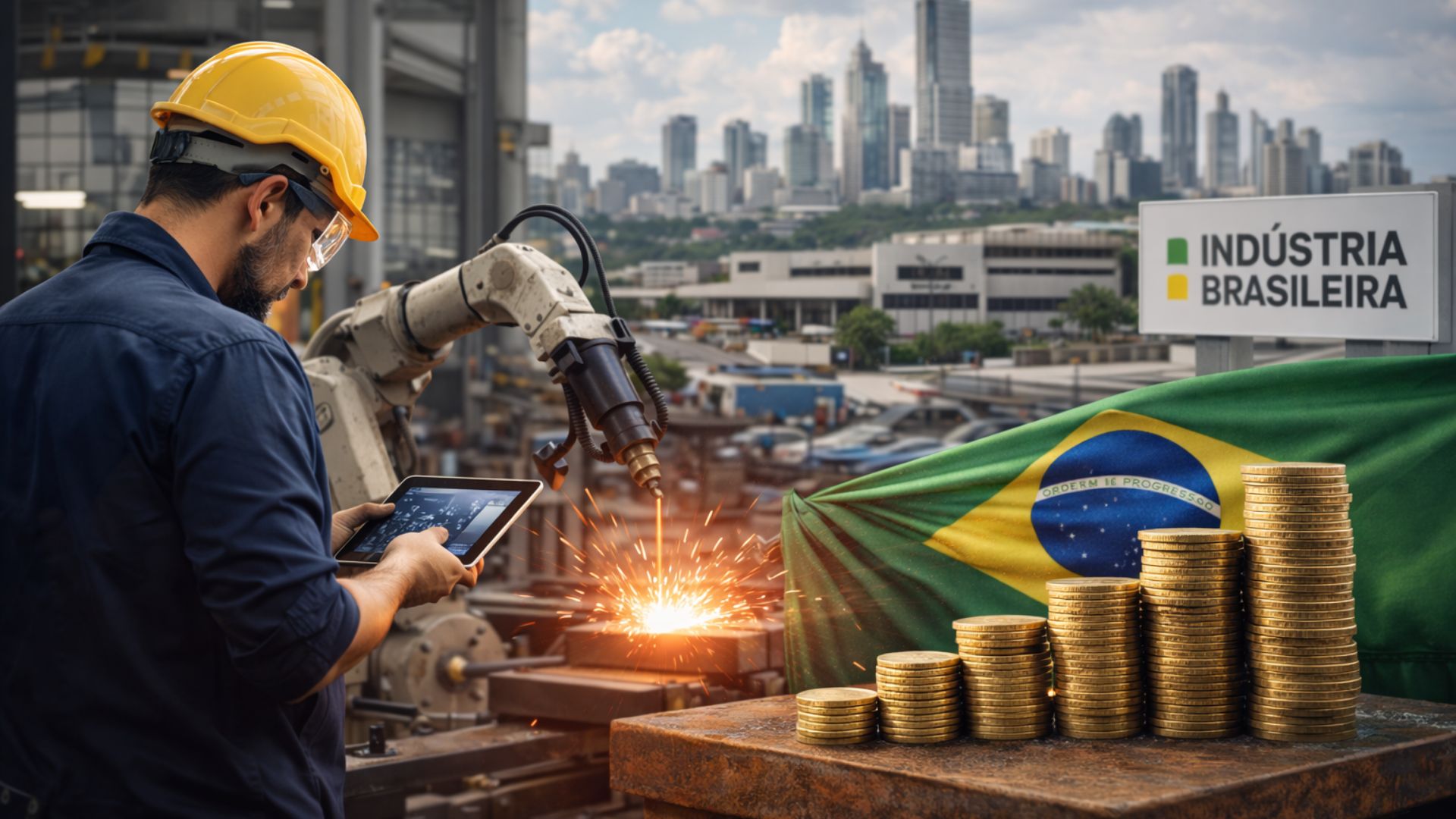
How investment in technology can revolutionize the national economy and enhance industrial gains, according to a study that highlights the direct impact on productivity, innovation, and wealth retention within Brazil.
-
The largest food company on the planet, JBS, has just opened a 4,000 square meter laboratory in Florianópolis to develop customized proteins that modulate muscle mass gain, immune response, and metabolic performance.


The hospital will be entirely based on digital solutions and artificial intelligence, aiming to improve hospital management and enhance the quality of care for the population. This initiative is part of the effort to modernize the Unified Health System (SUS) through advanced technologies, with financing under negotiation with the New Development Bank (NDB), known as the BRICS bank.
According to Minister Padilha, “the strengthening of the Brazil-China partnership is essential for the SUS, promoting not only innovation in the health sector but also building a fairer and more sustainable future for the next generations.”
The proposal also includes cooperation in biomedical research, production of inputs and vaccines, reinforcing the country’s preparedness for future health emergencies and increasing national production capacity.
Partnership in Clean Energy Includes Electric Cars and Batteries
In the energy sector, the Minister of Mines and Energy, Alexandre Silveira, began an official mission to China on Sunday (20) to deepen cooperation in electric mobility, batteries, and data centers, focusing on Brazil’s energy transition.
The first commitment took place at the headquarters of BYD, in Shenzhen, one of the largest companies in the world in the field of electric cars and clean energy. New investments were discussed in two main areas:
- Expansion of the electric vehicle fleet in Brazil, with local production growth;
- Development of energy storage solutions, especially batteries for the National Interconnected System (SIN).
According to Silveira, Brazil has unique conditions to take on a global leadership role in energy transition.
“Our electric matrix is predominantly clean and we have a growing technological potential. We are committed to turning this potential into concrete opportunities for all Brazilians,” he declared.
The cooperation also includes technology transfer, workforce training, and expansion of infrastructure for electric vehicle charging, which should boost the national sustainable mobility market.
Bioceanic Corridor Advances as a Strategic Route Between Brazil, China, and Asia
Another highlight of the negotiations was the Bioceanic Corridor, an infrastructure mega project that aims to integrate Brazil with Pacific coastal countries overland, creating a new route for the flow of Brazilian products to Asian markets.


During the week, members of the Chinese government visited New PAC projects and participated in technical meetings with federal government representatives to closely understand the structure of the Midwest Integration Railway (Fico), in Goiás, and the interconnection plan with the Northern-Southern Railway.
The Bioceanic Corridor is part of the South American Integration Routes project, which aims to link the Atlantic Ocean to the Pacific Ocean, crossing the continent and connecting agricultural commodity producing centers in Brazil’s Midwest to the railway networks and ports in the North and Northeast regions.
In addition to facilitating the transportation of grains, meats, and minerals, the project will also be essential for the reduction of logistical costs and decrease in carbon emissions in cargo transportation. China’s participation in Brazilian railway and logistical projects is considered strategic for strengthening national infrastructure and diversifying export channels.
Technological and Digital Cooperation
In addition to health, energy, and infrastructure, the agreements between Brazil and China include the expansion of digital technologies, focusing on connectivity and modernization of public services. According to the government, there is interest in developing data centers and cloud solutions with support from Chinese companies, integrating government services with more agile and intelligent platforms.
The idea is that these initiatives will contribute to digital inclusion, public innovation, and efficiency in public policy management, especially in health, security, and education.
Expectations are that the agreements signed this week with China will advance rapidly in the coming months and materialize as structuring investments for Brazil by 2030. The announced package will be presented in a broader manner during President Lula’s official visit to China, when memoranda of understanding and new commercial partnerships are also expected to be signed.
The strategic rapprochement between Brazil and China occurs at a time when both countries seek to expand their influence on the international stage, reinforcing the role of BRICS as a global economic heavyweight bloc, and betting on a model of development that is more sustainable, digital, and inclusive.








Seja o primeiro a reagir!