





 Portuguese
  English
  Spanish
  3 min of reading
  0 comments


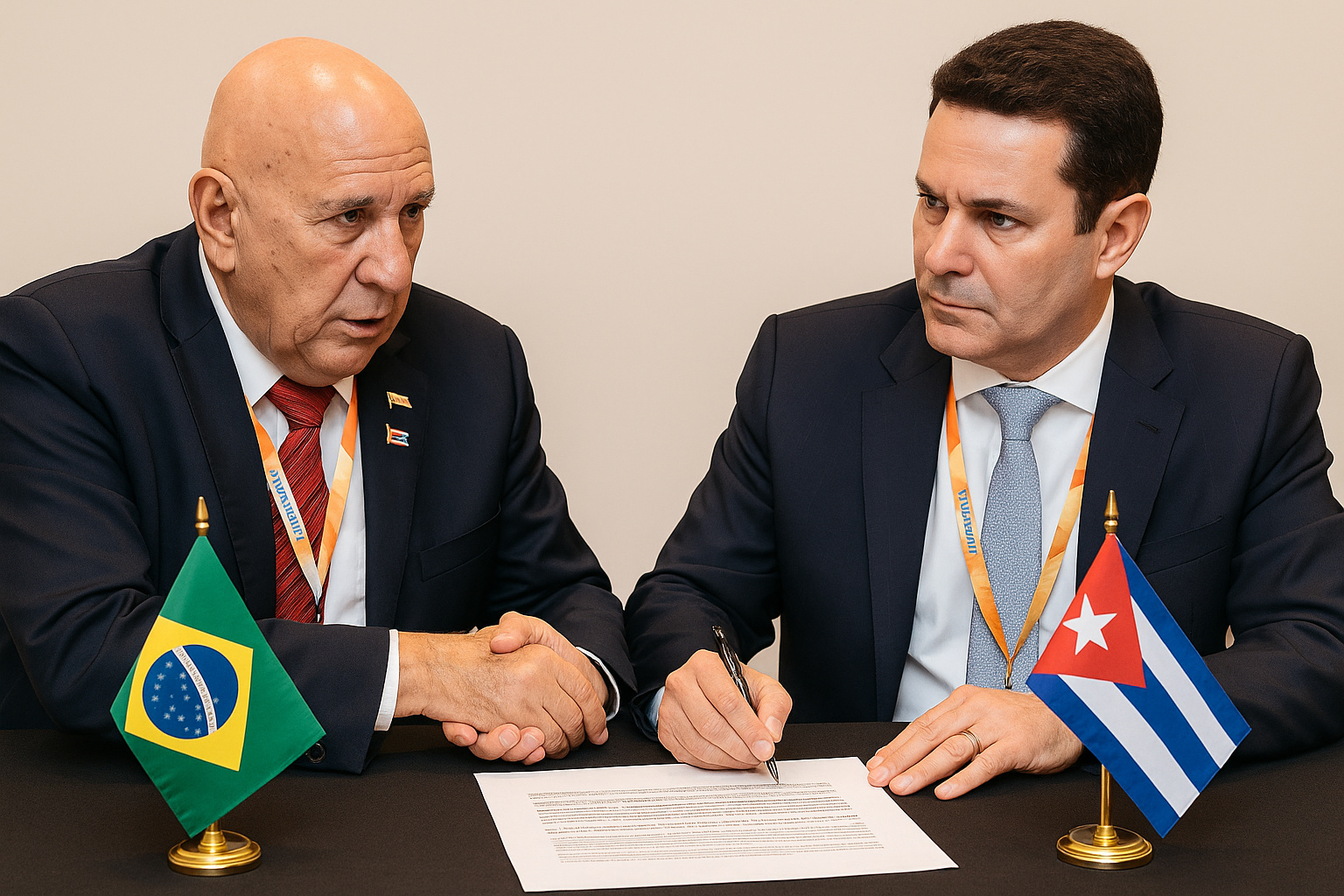
Brazil and Cuba Sign Agreement for Technical Assistance Exchange in Housing and Urban Development During Minurvi in Barbados.
Brazil and Cuba Sign Agreement to Expand Technical Assistance in Social Housing
Brazil and Cuba signed an agreement to strengthen social housing policies and sustainable urban development.
The Minister of Cities, Jader Filho, and Raúl Gregorich, president of the National Institute of Territorial Planning and Urbanism of Cuba, signed the memorandum during Minurvi, held from December 3 to 5 in Barbados.
According to the Brazilian government, the agreement expands technical cooperation between the countries in territorial planning, social housing, climate change adaptation, and the improvement of informal settlements. The initiative arises because Brazil and Cuba face similar urban challenges, and therefore, knowledge exchange has become essential.
-
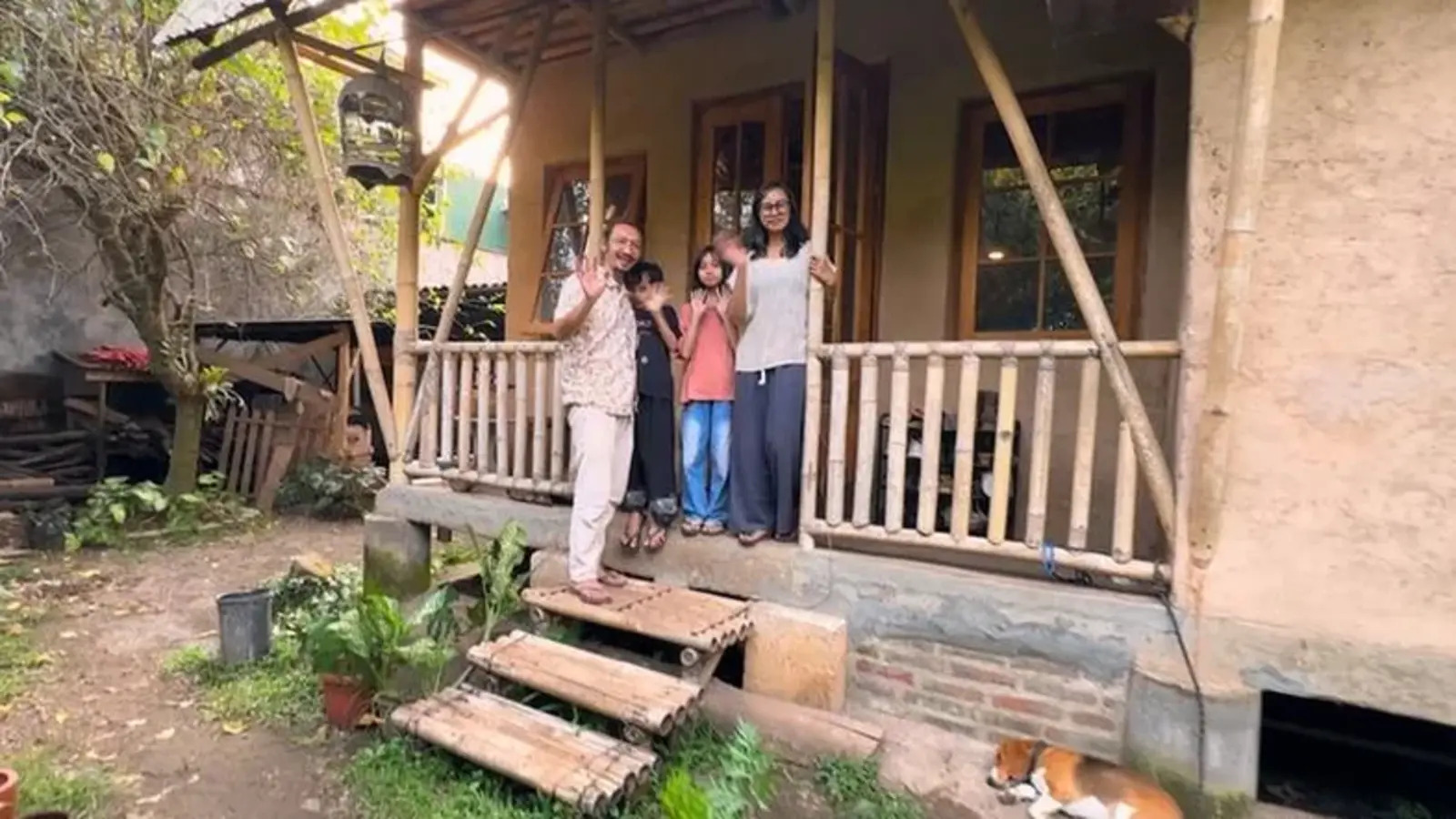
With earth, bamboo, straw, and lime mortar, a specialist builds a house for just over $460 and draws attention for its cost being much lower than traditional construction.
-
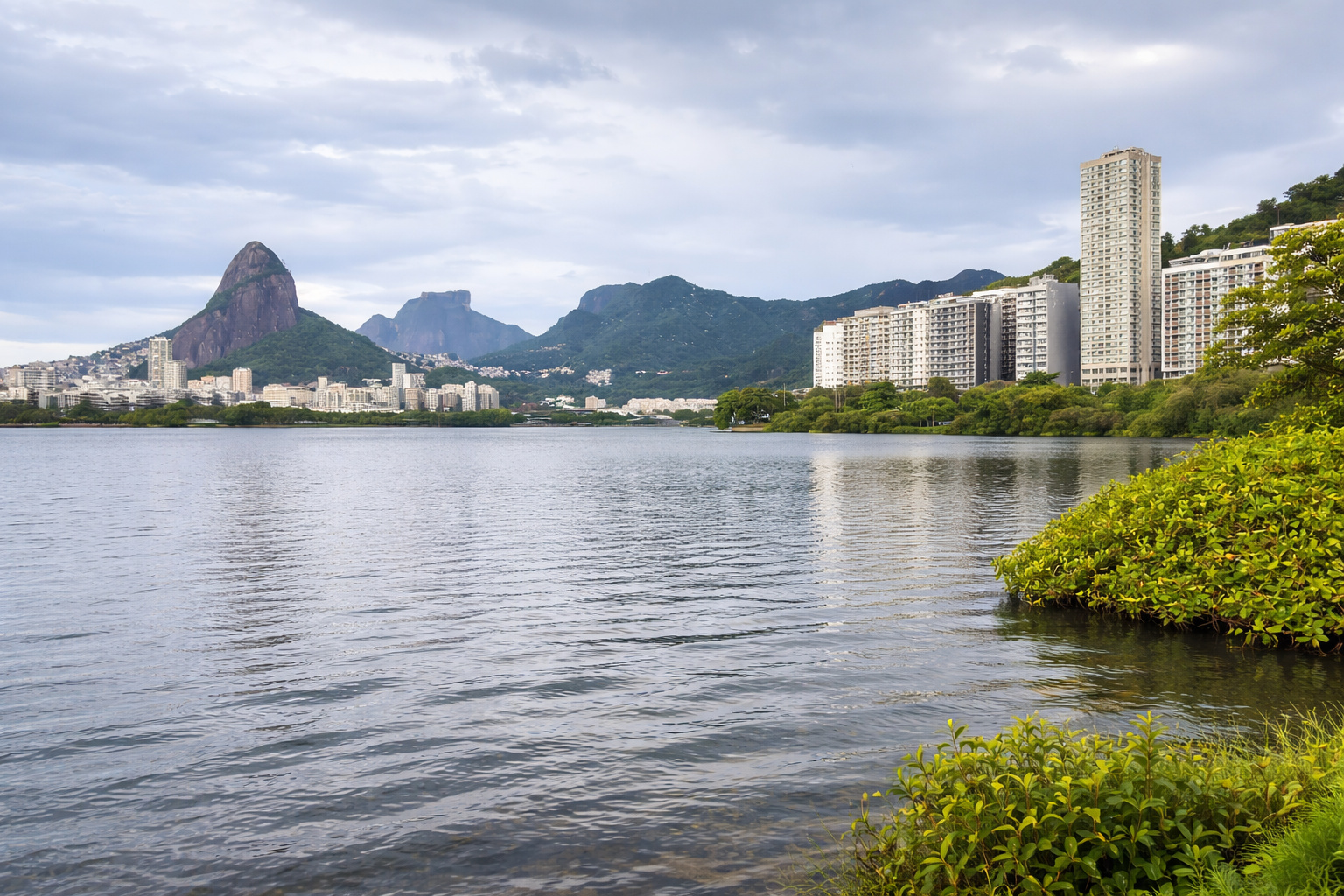
Rodrigo de Freitas Lagoon advances in environmental recovery with sanitation, elimination of irregular sewage, and the resumption of water sports in Rio de Janeiro.
-
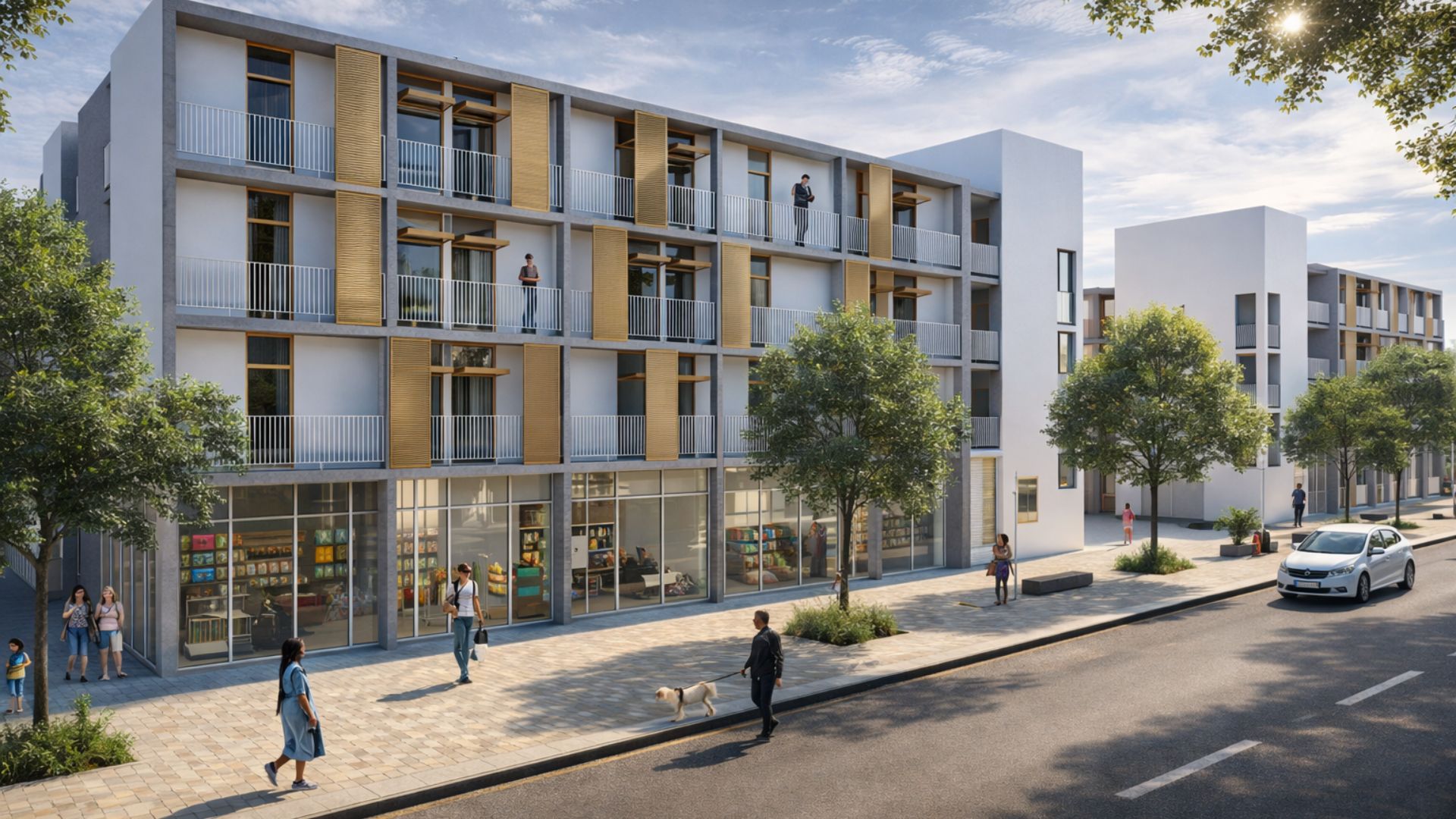
Sustainable housing gains strength with a nationally awarded project in Campo Grande, highlighting innovative solutions that combine sustainability, urban integration, and efficiency in the use of natural resources.
-
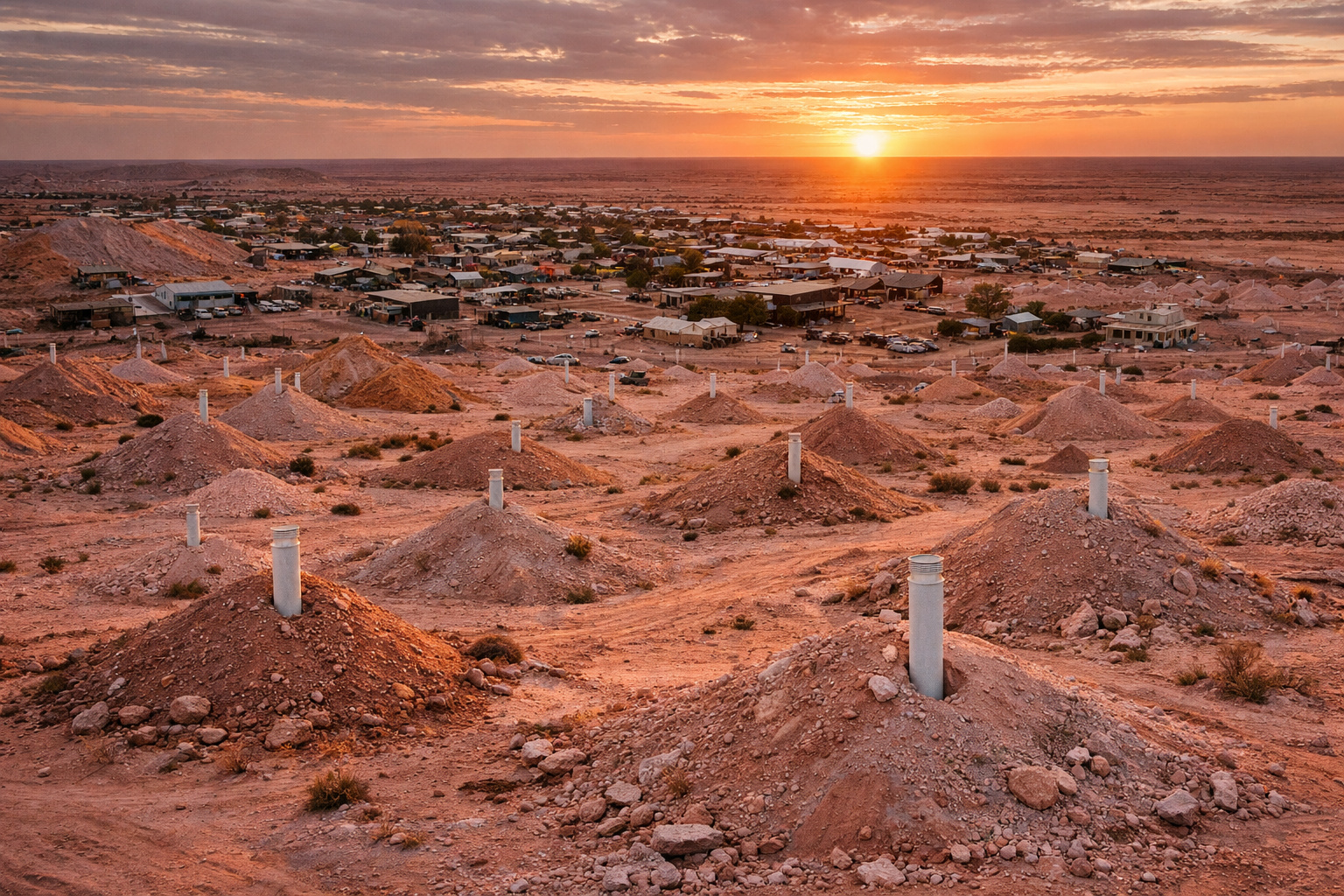
City Where Residents Live Underground to Escape 52°C May Be a Picture of the Future on an Increasingly Hot Planet

Jader Filho highlighted that the memorandum strengthens regional integration. “The agreement allows Brazil and Cuba to help each other in housing, mobility, and urban development, improving the conditions of cities in both countries,” he stated.
Agreement Provides for Technical Exchange and Joint Actions Between Brazil and Cuba
According to the document, Brazil and Cuba will carry out technical exchanges, training courses, and joint events in territorial and urban planning and registration. In addition, the actions will occur without the transfer of financial resources, which reinforces the technical and collaborative nature of the partnership.
Raúl Gregorich stressed that the cooperation will contribute to advances in both countries. “We will have the ability to think together and cooperate mutually for the development of Cuba and Brazil,” he emphasized. Thus, the agreement consolidates the intention of both governments to enhance regional integration.
Minurvi Gathers Latin American Countries to Discuss Urban Development
Brazil signed the agreement during the Minurvi Assembly, held from December 3 to 5 in Barbados. The event brought together authorities from various countries, who discussed sustainable solutions for urbanization, housing, and international financing. Thus, the meeting became a central space to align regional strategies.
During the event, Brazil, represented by Minister Jader Filho, advocated actions to address informal settlements, reinforced the importance of urban resilience, and proposed measures for climate change adaptation.
In addition, the country emphasized the need to expand financing for housing programs, consolidating its commitment to sustainable urban development.
Brazil Presents Results of the Periferia Viva Program
At the event, Jader Filho presented to Latin American countries the progress of the Periferia Viva Program – Favela Urbanization.
He highlighted that the project focuses investments on infrastructure, housing, sanitation, drainage, landslide containment, mobility, environmental recovery, culture, recreation, land regularization, and social work. In addition, the minister reinforced that the actions are integrated to enhance their impact on communities.
The minister also informed that the Brazilian government mobilized about 1 billion dollars in recent years to improve vulnerable urban areas. According to him, the creation of the National Secretariat for Peripheries ensured a permanent and specialized look at the most fragile territories.
“These are integrated actions that transform communities and expand life opportunities,” he stated.
In conclusion, the program selected 48 municipalities from 21 states to receive works and interventions, which demonstrates the national scope of the initiative.
Cooperation Strengthens Regional Commitment to More Sustainable Cities
The agreement between Brazil and Cuba brings the countries closer and strengthens joint strategies to tackle common urban challenges such as housing shortages, irregular settlements, and climate impacts.
Thus, the partnership is likely to accelerate more efficient and integrated public policies in Latin America.









Seja o primeiro a reagir!