





 Portuguese
  English
  Spanish
  5 min of reading
  0 comments



Although It Seems Contradictory, The Exchange of Oil Between Brazil and The United States Follows A Technical And Strategic Logic That Moves Billions Of Dollars
In 2024, Brazil and the United States intensified their bilateral oil trade, consolidating the commodity as one of the main exchange products between the two largest economies in the Americas. Interestingly, both export and import crude oil from each other — which, at first glance, seems unreasonable. However, this practice makes sense from a technical, logistical, and commercial perspective, as explained by experts and official data.
According to information from the American Chamber of Commerce (Amcham), crude oil was the most exported item by Brazil to the United States in 2024. Conversely, the same product also ranked sixth among the most imported items by Brazil from the American economy. This apparently redundant exchange of oil is explained by differences in oil quality, refining capacity, and the needs for derivatives of each country.
Why Do Brazil And The U.S. Exchange The Same Product? Understand How Bilateral Oil Trade Works
The explanation for this complex commercial relationship lies in the composition of oil. The product extracted in different parts of the world has specific characteristics, such as density (light, medium, or heavy) and sulfur content (sweet or sour). These variations directly influence the derivatives that can be produced, such as gasoline, diesel, kerosene, naphtha, and fuel oils.
-
USA and China compete for Brazil over resources that could be worth trillions — rare earths put the country at the center of a global dispute

-
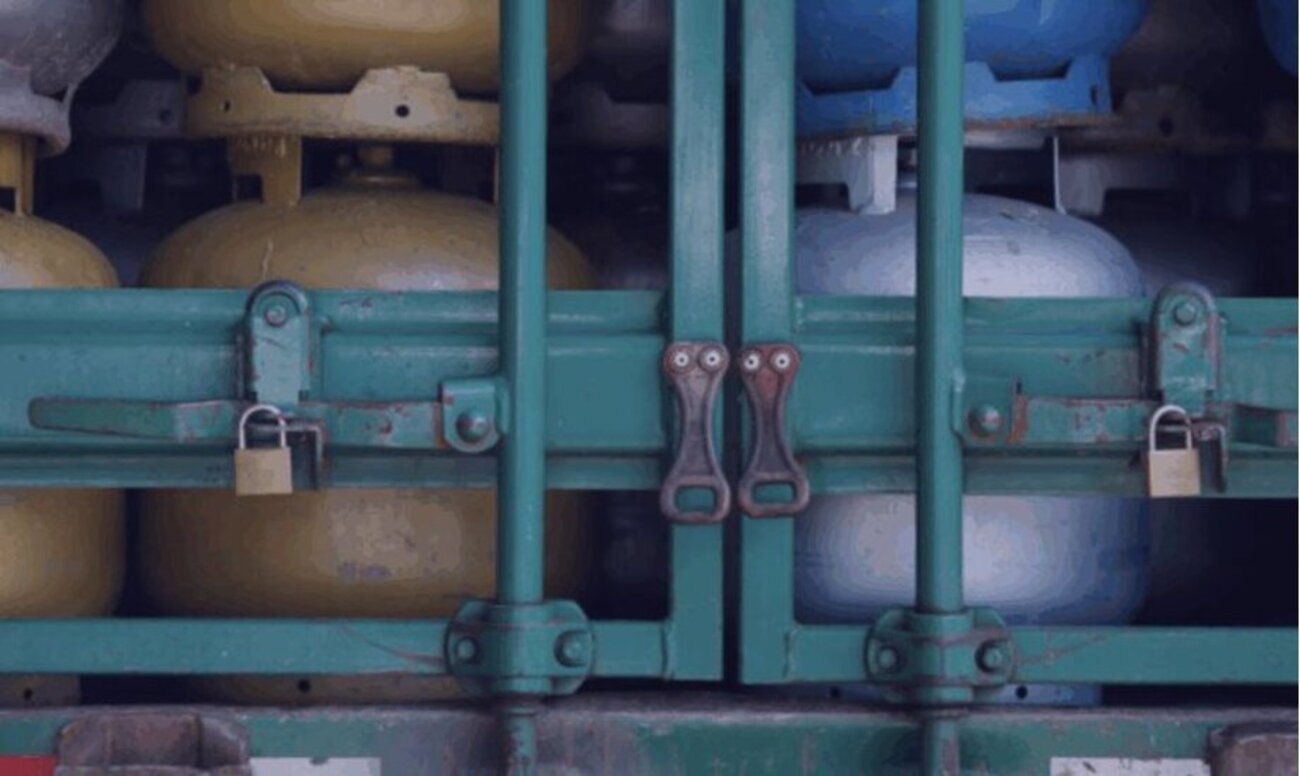
Petrobras evaluates suspension of sales to distributors and considers canceling the cooking gas auction following guidelines from the Federal Government.
-
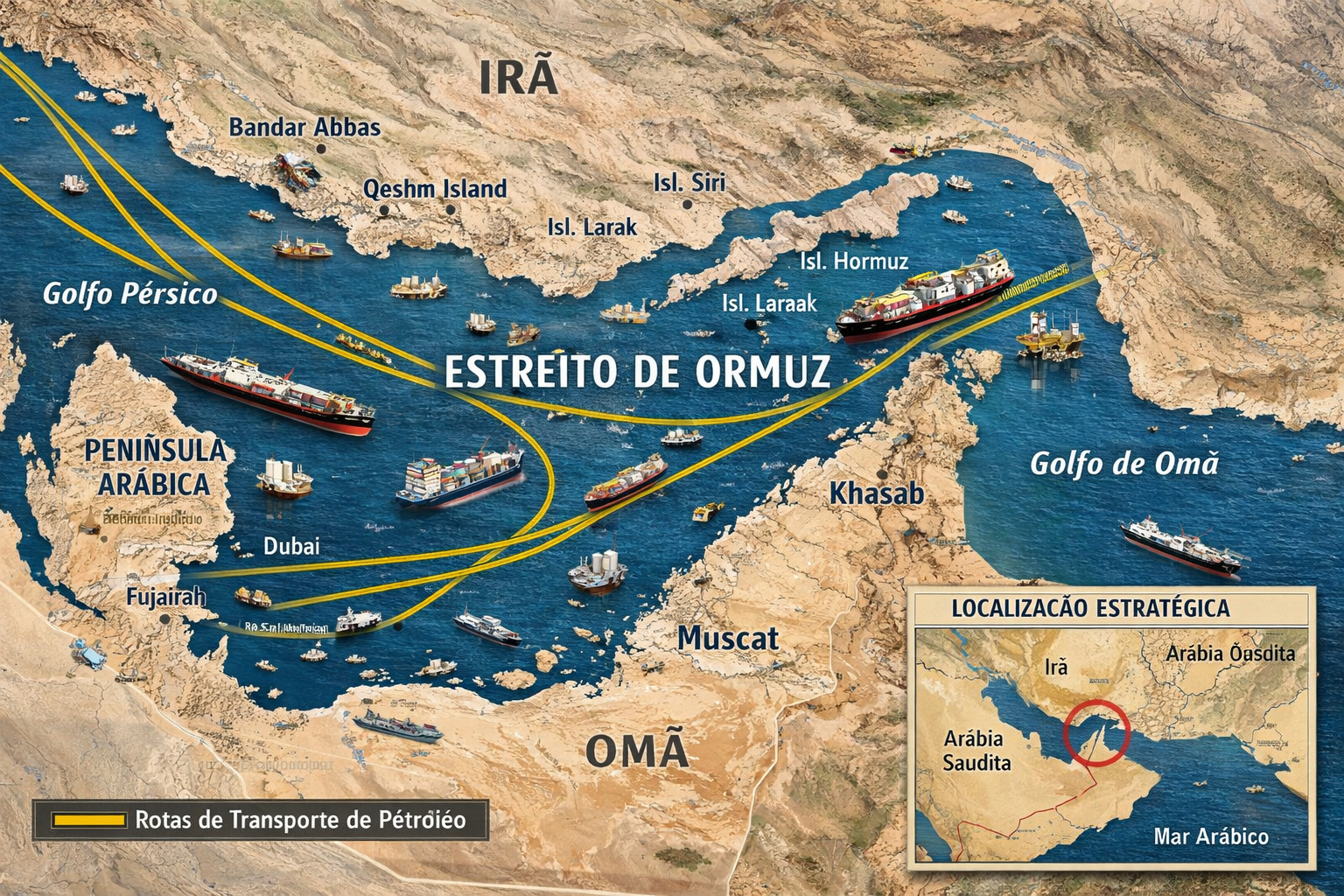
Global summit with over 40 countries pressures Iran for a blockade in the Strait of Hormuz and warns of direct impact on oil, food, and the global economy.
-
Lula reveals a masterstroke by Petrobras to undo a deal made by Bolsonaro, which involves the return of an important refinery that currently produces less than half of what was expected and makes Brazil dependent on international diesel.


Brazil, for example, primarily exports pre-salt oil, considered to have high quality, as it is light and has low sulfur content. According to Mahatma Ramos dos Santos, technical director of the Institute for Strategic Studies of Oil, Natural Gas, and Biofuels (Ineep), this type of crude oil has high added value, requires fewer refining stages, and has a lower carbon footprint, making it quite attractive in the international market.
On the other hand, the United States, especially the Gulf region, also produces high-quality oils, but with compositions different from those of Brazilian pre-salt. According to Petrobras, there are times when national refineries require a type of oil that complements the local production profile. This is when the country imports American oil, which is generally lighter or has specific characteristics that favor the production of certain fuels.
Refining Capacity Determines What To Buy
The choice of what to export or import depends not only on oil quality but also on the refinery structure. As explained by Roberto Ardenghy, president of the Brazilian Institute of Oil and Gas (IBP), each refinery has its own technical design, which determines which types of oil can be processed most efficiently and which derivatives are prioritized.
“The Brazilian refining park works with a blend that balances economic viability and supply planning. The technical configuration of each unit directly influences the decision to import certain types of oil to compose this blend,” states Ardenghy.
This flexibility allows the country to adapt its supply matrix according to domestic demand. Brazil, for example, consumes more diesel and aviation kerosene, which requires adjustments in the blend of oil processed in the refineries.
Numbers Of Bilateral Oil Trade In 2024
According to official data, Brazil exported US$ 7.5 billion in crude oil and fuel oils to the United States in 2024, representing a growth of 23.1% and 41.6%, respectively, compared to the previous year. In the opposite direction, the U.S. sold US$ 6.4 billion in similar products to Brazil, but with declines of 18% and 9.2% compared to 2023.
These numbers show that, despite the exchange involving the same type of product, what is being traded are oils with different purposes, integrating distinct supply strategies. While Brazil exports increasing volumes of pre-salt oil, the United States sells oils with characteristics that fit better into certain Brazilian refineries.
Brazil Exports More Than Half Of The Oil It Produces
For the first time in history, Brazil exported more than half of its oil production in 2024. In total, 52% of the oil extracted in the country was destined for the foreign market, solidifying the country as one of the main global suppliers of crude oil.
According to João Victor Marques Cardoso, a researcher at FGV Energia, Brazil has come to be seen as a strategic alternative to European supply, especially after the sanctions imposed on Russia due to the war in Ukraine. Besides China, the United States is currently one of the largest buyers of Brazilian oil.
Brazil’s new position on the global stage has also altered Petrobras’ operational dynamics. The state-owned company’s participation in exports decreased from 43% in 2021 to 38% in 2024. Specifically in trade with the U.S., the drop was even greater: from 42% to 17%.
Despite this, Petrobras remains a key player in the international market. The company states that it is surplus in oil and sells only the excess of domestic demand. Each exported load is negotiated individually, according to market conditions.
Derivatives And Added Value On The Trade Agenda
Another relevant point is the presence of fuel oils derived from oil on Brazil’s import agenda. In 2024, the country bought more than double, in value, of this item from the U.S. compared to its exports. This shows that Brazil still depends on the import of certain derivatives, even as a net exporter of crude oil.
For Mahatma Santos of Ineep, this dependence indicates a growth potential for the national refining sector. He argues that Brazil should invest more in producing higher added value derivatives, which would strengthen the trade balance and create qualified jobs in the industry.
“The national refining park can be a strategic tool for Brazil to advance in the international trade of processed fuels, and not just as an exporter of raw crude material,” explains Santos.
A Strategic Relationship In Times Of Global Uncertainty
The relationship between Brazil and the U.S. in oil trade is also influenced by the geopolitical context. With increasing American sanctions against countries such as Russia, Venezuela, and Iran, Brazil emerges as a reliable and politically stable partner to ensure oil supply to the United States.
According to Cardoso, the future of this trade flow depends on the capacity to replenish oil reserves in both countries. This is because forecasts indicate that the peak production of Brazil and the U.S. is expected to occur by 2030. Maintaining exportable surpluses will depend on new discoveries, investments, and technological advances.
It’s Not Just Oil — It’s Strategy
The exchange of oil between Brazil and the United States is much more than a simple buying and selling of crude oil. It is an industrial and geopolitical strategy, shaped by variables such as oil quality, refining capacity, demand for derivatives, and global conditions.
This bilateral oil trade moves billions of dollars and demonstrates how two major producers can maintain complementary relationships, mutually benefiting from the diversity of their natural resources and the configuration of their production chains.









-

Uma pessoa reagiu a isso.