





 Portuguese
  English
  Spanish
  2 min of reading


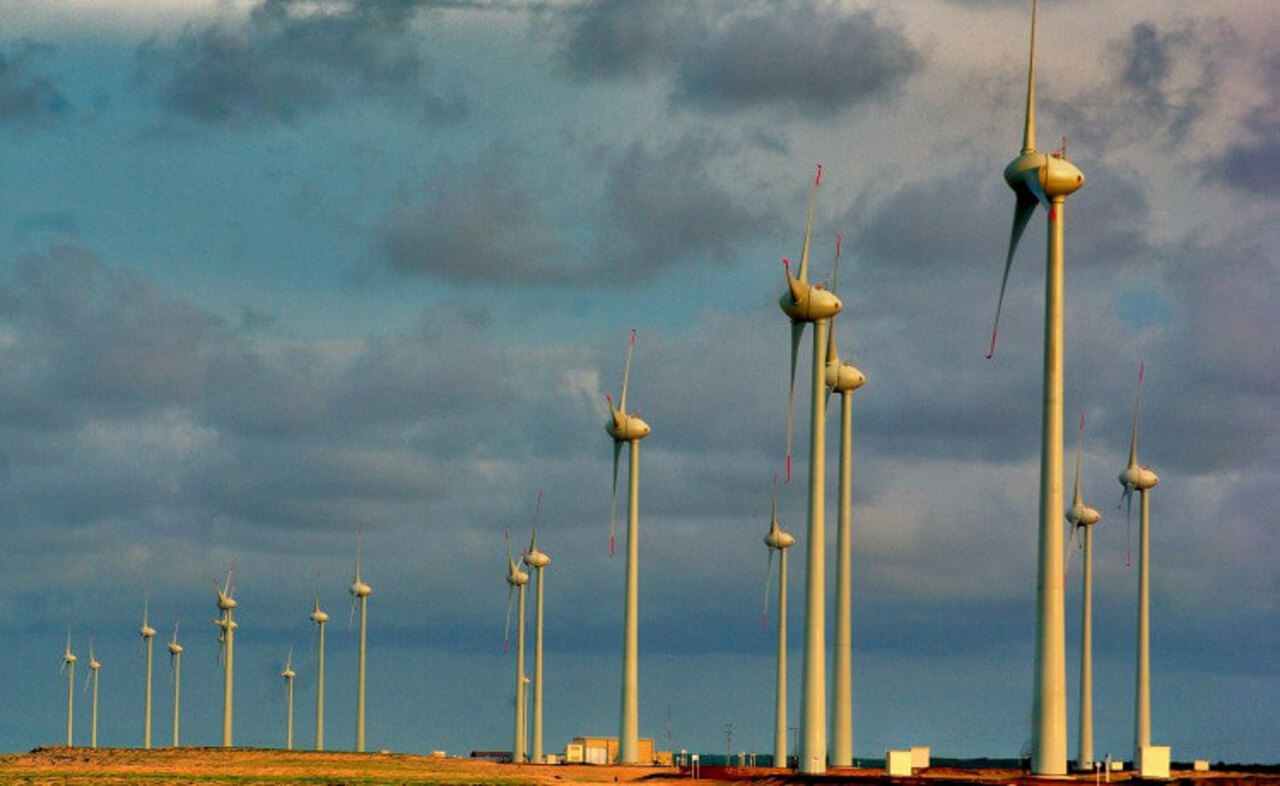
The Growth Of Wind Energy In Latin America And North America Has Demonstrated Consistent Investments In Distributed Generation And Efforts To Reduce CO2
On Monday (15), data was released by the international electric sector association GWEC Market Intelligence indicating that, in Latin America and North America, wind energy grew by 62% in 2020 compared to 2019, thus, the capacity of distributed generation increased by 22 gigawatts (GW), reaching 168 GW.
Read Also
The country that leads in wind energy distributed generation is the United States, with about 17 GW more between 2019 and last year, representing an 85% increase in wind energy production.
Wind Energy In Latin America
With an increase of 2.3 GW in distributed generation, Brazil is in first place when we look only at Latin America. Other countries also set records in renewable energy distributed generation, such as Argentina (1GW) and Chile (684 MW).
-
Renewable energy advances over protected areas in Brazil, and a survey by the Energy Transition Observatory reveals silent impacts that challenge environmental conservation and pressure sensitive traditional territories.

-
Rio Grande do Sul accelerates energy transition: State invests in renewable technologies and consolidates decarbonization strategies and pathways to attract billions in new industrial investments.

-
With 160,000 m² of collectors, an area larger than 20 football fields, Silkeborg, in Denmark, hosts a solar thermal plant that heats 19,500 homes and could become the largest solar heating plant in the world.

-
A study reveals the expansion of renewable energy procurement in Brazil and shows how companies are taking advantage of opportunities to reduce expenses, ensure energy efficiency, and strengthen strategic environmental commitments.


Wind energy is already the second largest source of Brazil’s energy matrix. The installed capacity in the country reached 16 GW in the first half of 2020 according to the Brazilian Wind Energy Association (ABEEólica). There are 637 wind farms and 7,738 wind turbines.
Advantages Of Distributed Generation In Latin America
The fact that it is a renewable source and has low impact at its installation and operation sites means that wind energy brings various socioeconomic and environmental benefits.
As wind farms do not emit CO2, in 2019 alone, the emissions of 22.85 million tons of carbon dioxide were avoided.
The amount is equivalent to the annual emissions of about 21.7 million automobiles, according to ABEEólica. In addition to these factors, the wind source generates income and improves the lives of landowners with paid leases, which are taxed, for the placement of more than 7,000 towers in operation.









Seja o primeiro a reagir!