





 Portuguese
  English
  Spanish
  5 min of reading
  41 comments





With The Growing Arrival Of Chinese Electric Cars In Brazil, Anfavea Reveals A Concern: More Than 80,000 Units Are Stuck In Stock Without Finding Buyers. The Brazilian Market, Which Is Still In Its Infancy In The Adoption Of Electrified Cars, Could Become The “Graveyard” Of China’s Electric Cars.
The electric car market in Brazil is facing an unexpected challenge that has raised great concern among industry experts. The Anfavea (National Association of Motor Vehicle Manufacturers) recently revealed that approximately 80,000 Chinese electric and hybrid vehicles are currently stranded in the country, awaiting market absorption. The news raises questions about the viability and future of Chinese electrified cars in Brazil and points to the country as a potential new “graveyard” for China’s electric cars, a situation that could have significant impacts on the national automotive market.
Chinese Electric Cars Stranded In Brazil: How Did This Happen?
According to the president of Anfavea, Márcio Leite, the strategy of massive imports of Chinese electric and hybrid cars was an attempt by manufacturers to get ahead of the new import rates that will come into effect in the coming years.
With the government’s decision to resume the import tax on electrified vehicles from January 2024, many manufacturers felt the need to bring a large number of electric cars to Brazil before the tariff increase.
-
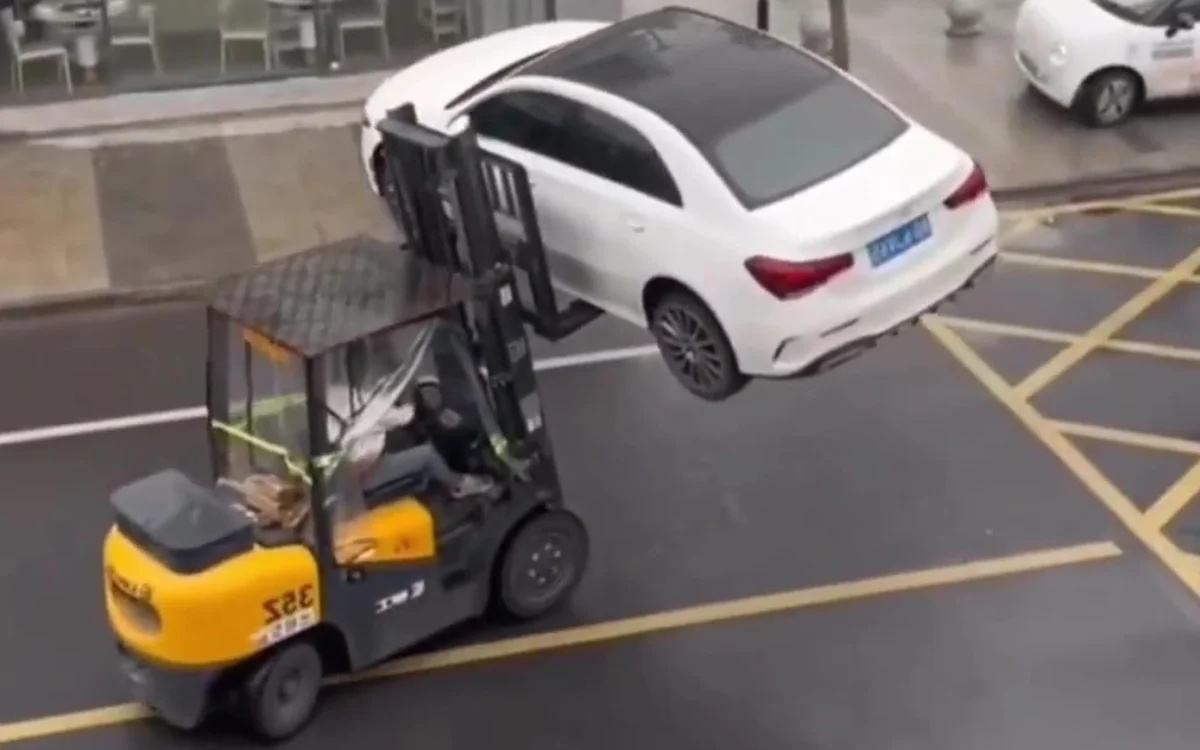
An irregular parking case gains attention after a Mercedes Classe A was removed in such a strange way that it even raised doubts about damage to the car.
-
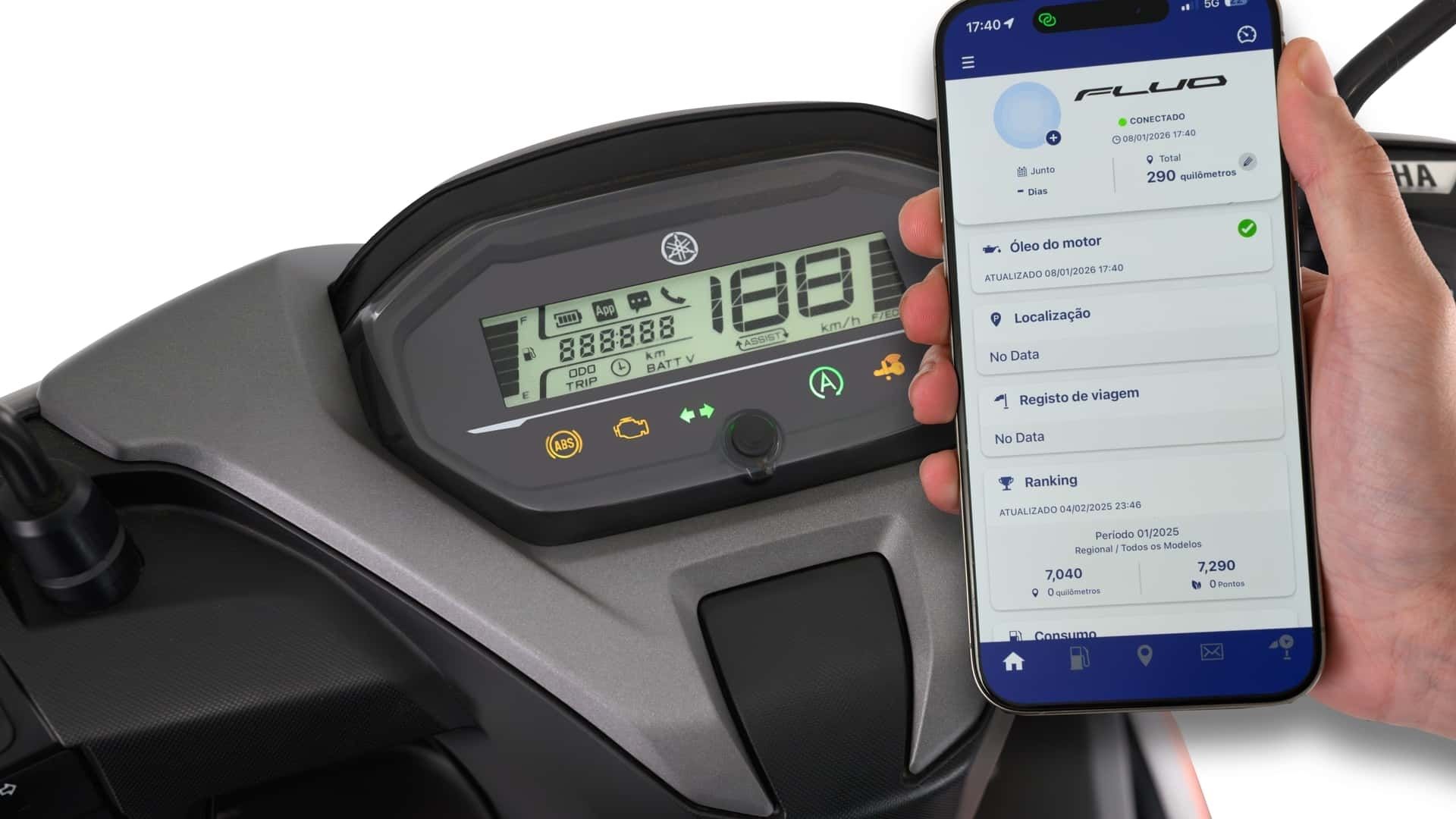
Costing R$ 16,000, the new Yamaha features a 125 cc hybrid engine with electric assistance, delivers 8.3 hp, includes ABS, optimized fuel consumption, Y-Connect connectivity, 25 liters of storage space, and a surprising 4-year warranty in the urban segment.
-
OMODA & JAECOO grows in Europe in 2026 with an integrated strategy of sales, innovation, local production, and technological advancement in the United Kingdom, Italy, and Spain.
-
OMODA & JAECOO expands after-sales service in Brazil with competitive maintenance, a 7-year warranty, and high availability of parts for technological SUVs.

However, this strategy ended up creating a large stock of stranded electric cars in Brazil. According to Anfavea, the 80,000 Chinese cars that are already in the country represent a volume that the Brazilian market simply cannot absorb at the moment.
“The market does not absorb the amount of vehicles with these new technologies,” stated Márcio Leite, highlighting the difficulty of maintaining these vehicles in stock, especially in a year-end scenario, which typically requires a significant reduction in inventory.
Impacts Of The Stock Of Stranded Chinese Cars In Brazil, Similar To The 100,000 In The Chinese Car Graveyard
The excess of electric and hybrid cars in Brazil could have serious consequences for the internal market, both for new and used vehicles. This imbalance could even delay the arrival of new models of electrified Chinese cars in the country.
Anfavea also warns that this situation could generate impacts on prices, as the pressure to liquidate the accumulated stock could result in discounts, which directly affects the margin of manufacturers and dealers.
In addition, Anfavea is concerned about the possible slowdown in the pace of electrified vehicle imports, as the entry of new models may be limited by the excess stock already present.
To contain the advance of this situation, the association has advocated for a more accelerated increase in the import rate for electric vehicles to reach 35% ahead of schedule. This move could help to halt the entry of more vehicles while the market adjusts to the current stock.
What Does The Government Say About The Scenario Of Stranded Electric Cars In Brazil?
The federal government has already begun implementing a plan for import rates aimed at controlling the flow of imported electric and hybrid vehicles. For 100% electric cars, the import tax has started at 10% and is set to reach 35% by July 2026. Hybrid vehicles will have differentiated rates according to their specifics.
This measure is part of a strategy to encourage local production of electrified vehicles. Chinese manufacturers such as BYD and GWM (Great Wall Motors) have already announced that they will begin their production operations in Brazil, which should help balance the market and reduce dependence on imports. However, until that happens, Brazil may continue accumulating stranded electric cars, exacerbating the situation.
Brazil As A ‘Graveyard’ Of Electric Cars: A Possible Future?
With the large volume of stranded electric and hybrid cars in Brazil, the country risks becoming the new “graveyard” for Chinese electric cars. Although this term is alarming, it reflects a reality in which electrified vehicles, which should represent a sustainable and innovative solution, end up being underutilized and not absorbed by the consumer market.
The president of Anfavea, Márcio Leite, believes that the dominance of electric cars in Brazil will not be as pronounced as in other regions, such as Europe. He explains that although Brazil is making progress in infrastructure to support the expansion of electric vehicles, the country still has a strong dependence on biofuels, an alternative considered more sustainable in the Brazilian context.
“Brazil must look at what it does well,” said Leite, emphasizing the importance of biofuels in the decarbonization of the national fleet.
Tax Reform And The Future Of The Automotive Industry In Brazil
In addition to concerns about the stock of stranded electric cars in Brazil, Anfavea is keeping an eye on the changes brought about by tax reform.
The government’s proposal to reform the tax system promises to benefit the automotive industry by reducing the tax burden on exports. According to Márcio Leite, this reform will bring more competitiveness to exports of vehicles produced in Brazil, making them more attractive to the international market.
However, the association is still fighting to exclude cars from the selective tax, a new taxation that could drive Brazilian consumers away from newer and more technologically advanced vehicles. For Anfavea, this measure goes against efforts to renew the fleet and decarbonize the sector, both considered essential for the future of the automotive industry in the country.
Stranded Electric Cars In Brazil And The Challenges For The Future
The current scenario of the automotive sector in Brazil reveals a complex set of challenges, especially regarding the large stock of electrified Chinese cars stranded in the country. With about 80,000 vehicles awaiting buyers, Brazil risks becoming a true “graveyard” for electric cars, an unexpected destination for a technology that should represent the future of sustainable mobility.
While the government and Anfavea work on solutions to control the flow of imports and encourage local production, the Brazilian automotive market continues to search for a balance that allows the absorption of these vehicles without compromising the financial health of manufacturers and dealers.
The future of electric cars in Brazil will depend not only on infrastructure and public policies but also on the market’s ability to adapt to this new technological reality.









Nunca me iludi com carro elétrico. O combustível do futuro é o hidrogênio.
Jornalistazinho NÃO SABE DINADA SOBRE O QUE ESCREVEU!… PURO BULLSHIT!
Reportagem blah blah blah!…. O estoque é uma estratégia e responsabilidade de quem Importou!
Não existe Fabricante NACIONAL!… o que eles não gostam é de CONCORRÊNCIA!