





 English
  Francês
  Alemão
  Italiano
  Japonês
  Norueguês
  Portuguese
  Spanish
  2 min of reading



Brazil Is Currently In A Position That The World Aims To Reach In Two Or Three Decades!
Brazil is a powerhouse in low-carbon energy, and the pre-salt oil is among the most decarbonized in the world, being produced with 40% fewer emissions per barrel than the global average. This was stated by Petrobras President José Mauro Coelho at the opening of the Congress “Global Carbon Market, Decarbonization, and Green Investments,” which brings together leading business and environmental figures from around the world, from May 18 to 20, at the Museum of the Environment in the Botanical Garden, Rio de Janeiro.
In terms of low-carbon advancements, Coelho highlighted that Brazil is at a significant advantage compared to other countries, notably with 48% of renewables in the national energy matrix: “Brazil is currently in a position that the world aims to reach in two or three decades.” Furthermore, he emphasized that Petrobras’ total operational emissions have already decreased by 21% since 2015, achieving significant progress on this path. “We are firmly moving towards our commitment to a 25% reduction by 2030. This projection is anchored in a significant efficiency gain, based on a set of pioneering decarbonization technologies.”
Largest Global Carbon Capture and Storage Program
Among these technologies, the president highlighted the Carbon Capture, Utilization, and Storage Program conducted by Petrobras, which has been recognized as the largest in operation and volume of CO2 reinjected in the world. “And at refineries, we envision achieving a 30% reduction in carbon intensity by 2030, with the implementation of dozens of modernization projects under the World-Class Refining Program, Reftop,” he highlighted.
-
Brazilian giant expands borders in the Southeast: Petrobras confirms new oil discovery in ultra-deep waters in the pre-salt of the Campos Basin.

-
Alert in the global energy market: Severe tropical cyclone hits the coast and disrupts gas production at major plants in Australia, threatening global supply.

-
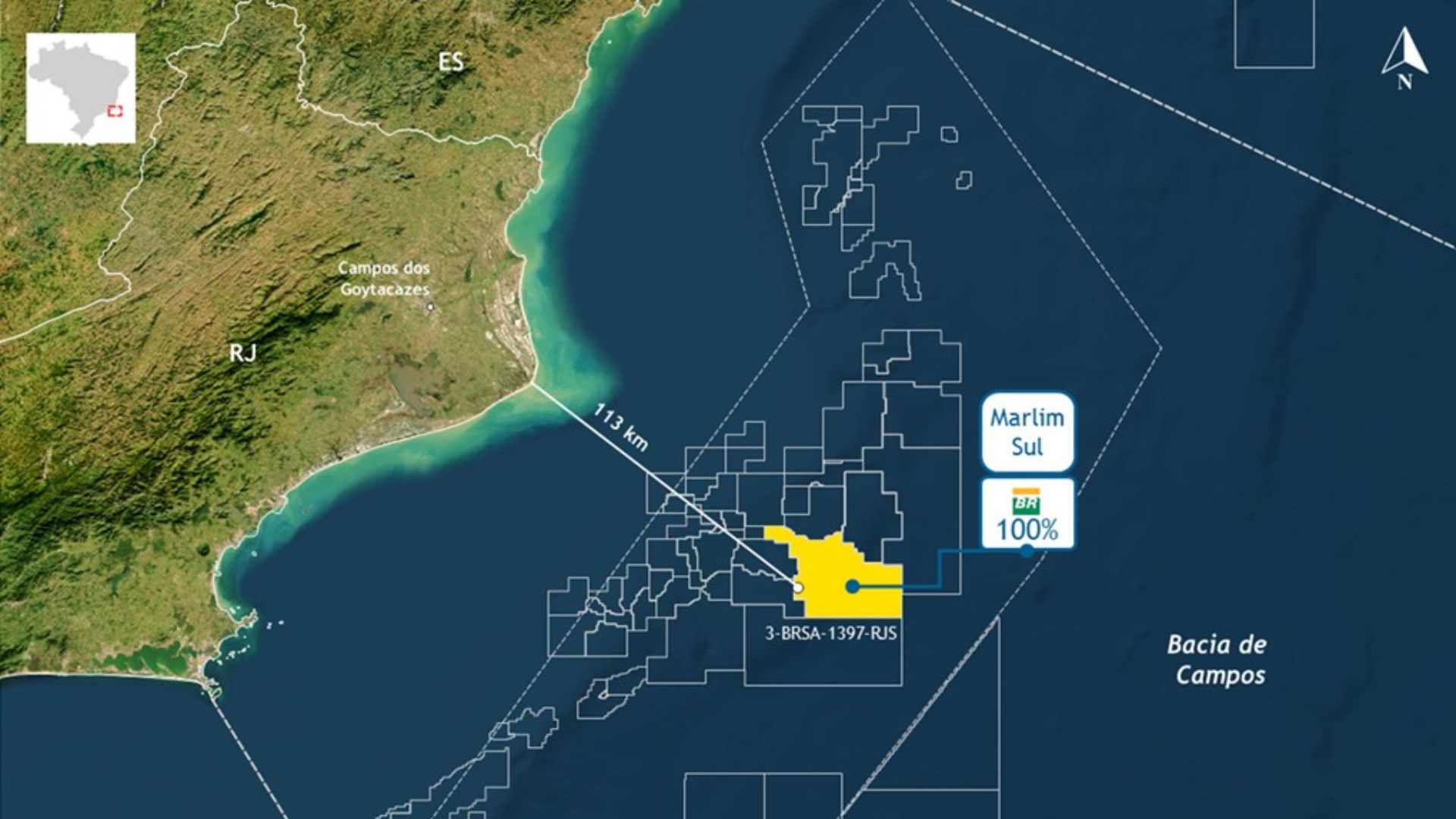
Petrobras finds high-quality oil in the pre-salt at 113 km from RJ and reignites expectations about strategic reserves in the Campos Basin.

-
Ocyan opens registrations for startups focused on innovation in the oil and gas sector and will select projects for Innovation Day with the support of Nexio.


Petrobras is also moving towards the production of advanced biofuels, which is already planned in the company’s Strategic Plan. “It will be a new generation of fuels, more modern, sustainable, and of high quality, such as renewable-diesel and Aviation Biojet Fuel, leveraging the conversion and integration capacity of our refineries,” he added.
Regarding future investments, Coelho emphasized that Petrobras’ Strategic Plan (2022-2026) earmarks US$ 2.8 billion in resources for decarbonization. The plan also includes the Neutral Carbon Program aimed at accelerating technological solutions for emission reductions.









Seja o primeiro a reagir!