





 English
  Francês
  Alemão
  Italiano
  Japonês
  Norueguês
  Portuguese
  Spanish
  3 min of reading
  0 comments


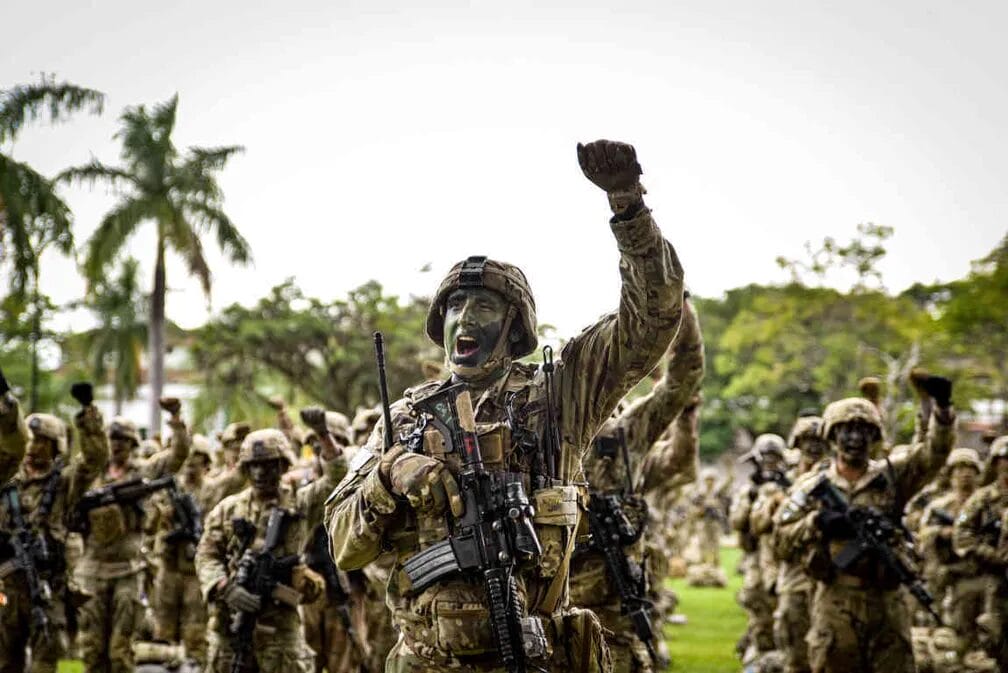
Brazil Is On High Alert. Attention Turns To The Border With Venezuela, Where The Political And Economic Tension Of The Neighboring Country Could Trigger A Series Of Events That Would Directly Affect Brazilian Territory.
The Brazilian Army has intensified monitoring at the border with Venezuela in Roraima since the eve of the election in the neighboring country.
The military’s assessment at this time is that the scenario is one of “normalcy considering the Venezuelan political context.” However, they remain vigilant for any changes that may occur with the release of the electoral results.
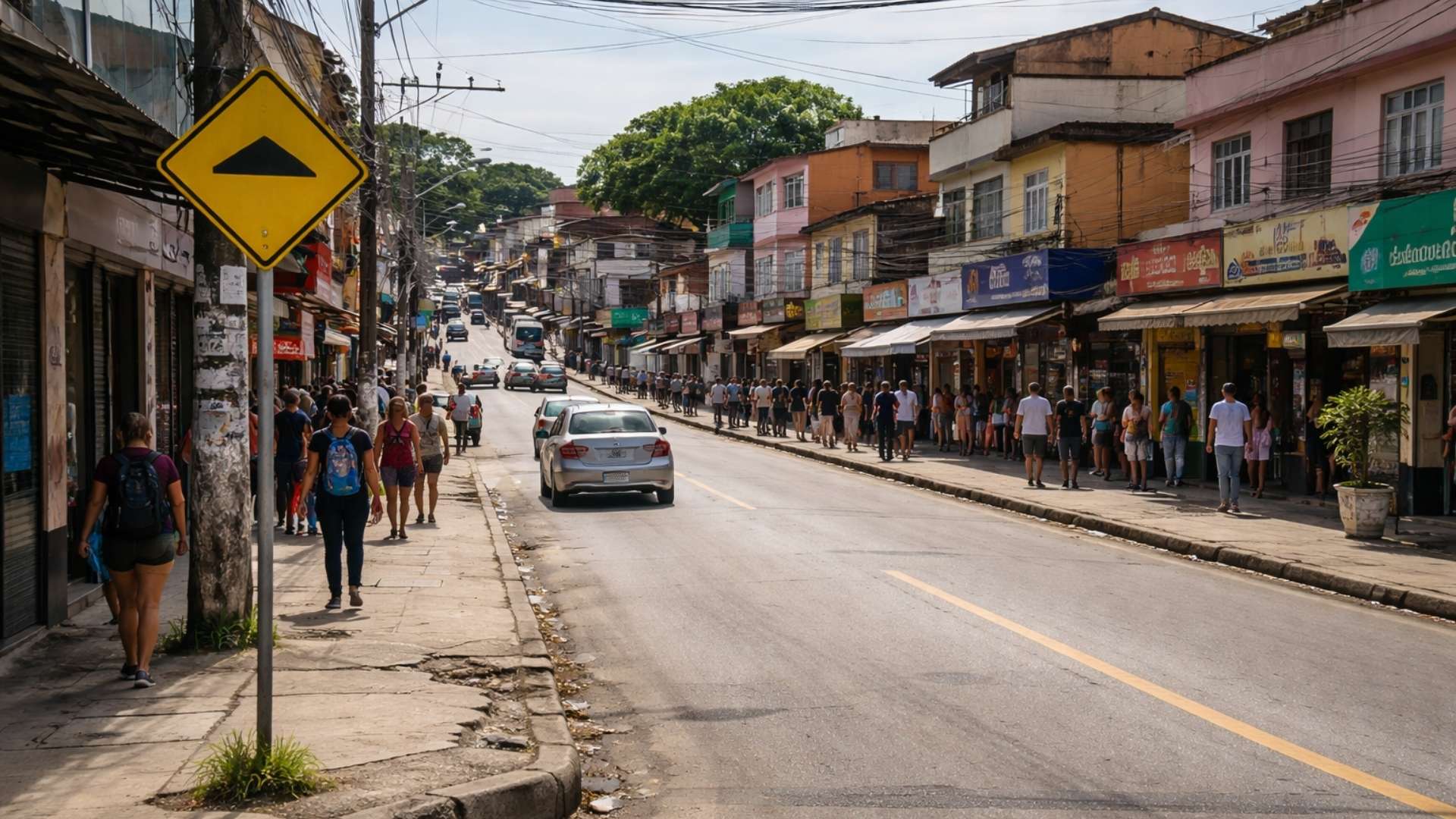
According to CNN Brasil, the troops are prepared to act in the face of any increase in tension. This military readiness is essential, as one possibility is that depending on the outcome of the electoral process, there could be a significant change in the migratory flow in Pacaraima, the main entry point for Venezuelans into Brazil. Currently, 300 to 500 people enter Roraima daily.
-
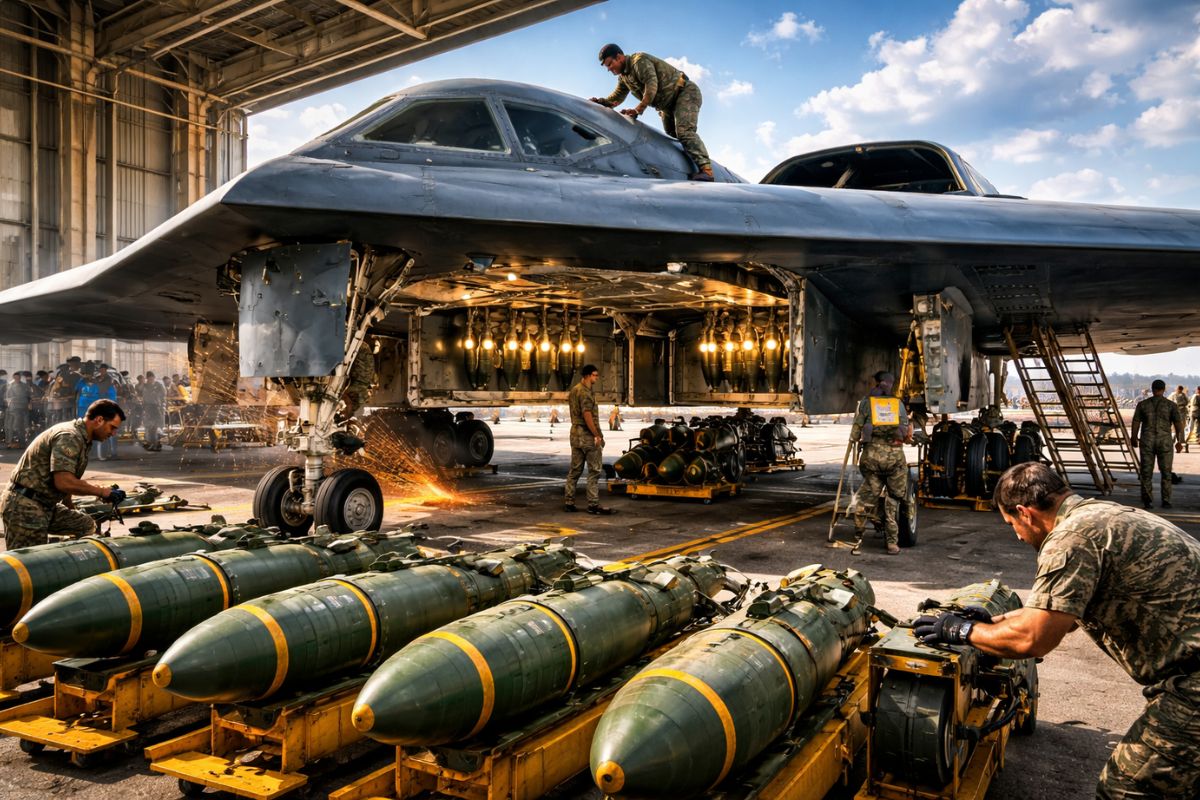
Valued at over $2 billion, the B-2 Spirit bomber requires meticulous inspection, bombs calibrated in a controlled environment, and extreme preparation to disappear from radar and launch attacks with lethal precision.
-
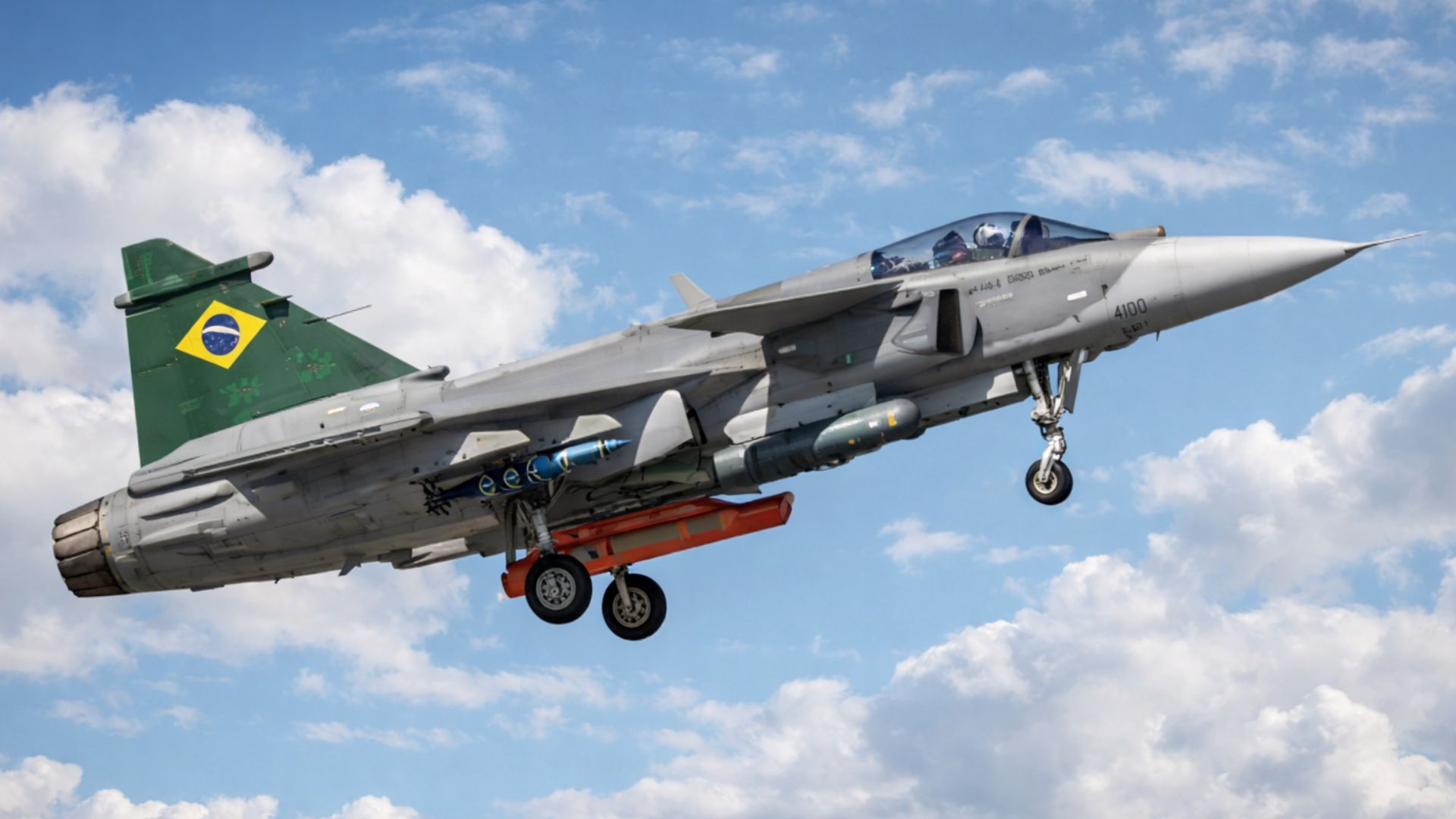
Brazil presents the first national F-39 Gripen fighter and redefines air defense with technological advancement, job creation, and strengthening of the defense industry on the global stage.
-
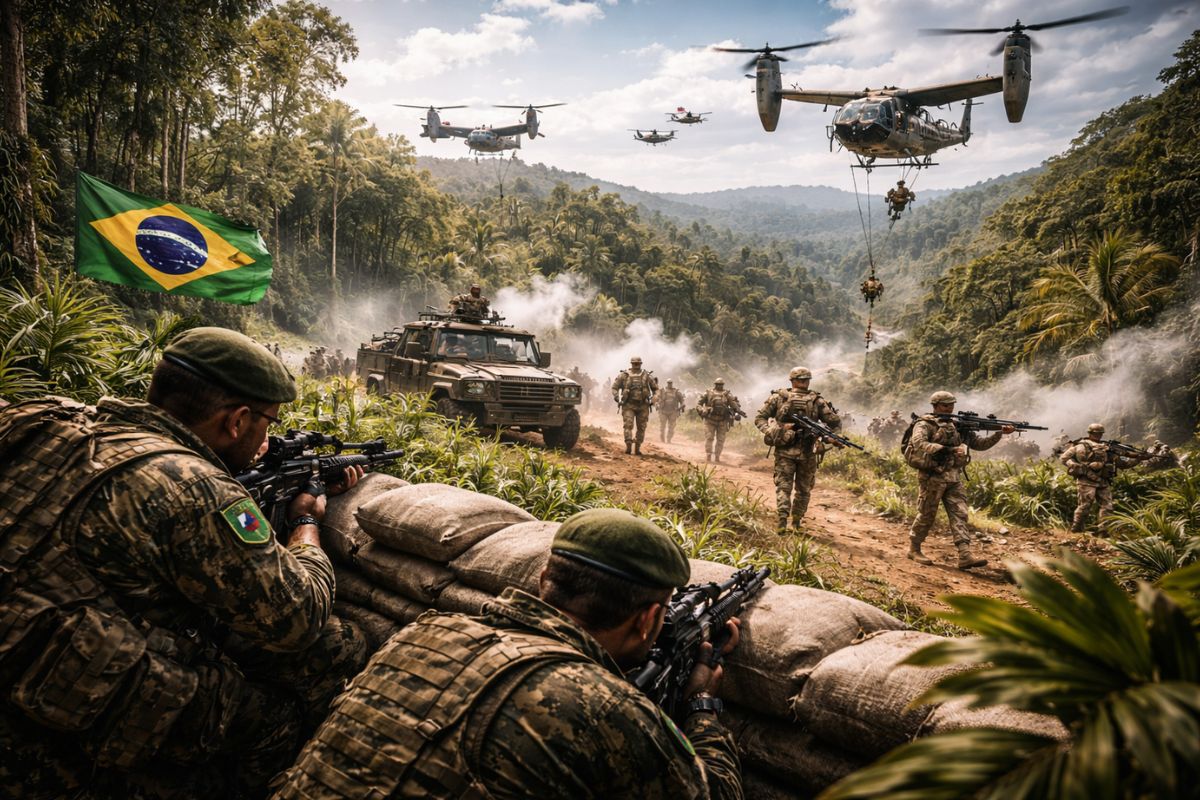
If the USA were to go to war with Brazil, Washington’s greatest fear would not be the attack itself, but facing a vast territory, prolonged resistance, and a costly, chaotic, and unpredictable occupation.
-
In 2013, Nicaragua sold the concession for a canal to rival Panama to a Chinese billionaire who lost 85% of his fortune, disappeared, and was declared bankrupt. Now the project resurfaces with a new route, a new Chinese partner, and a cost of $64.5 billion.
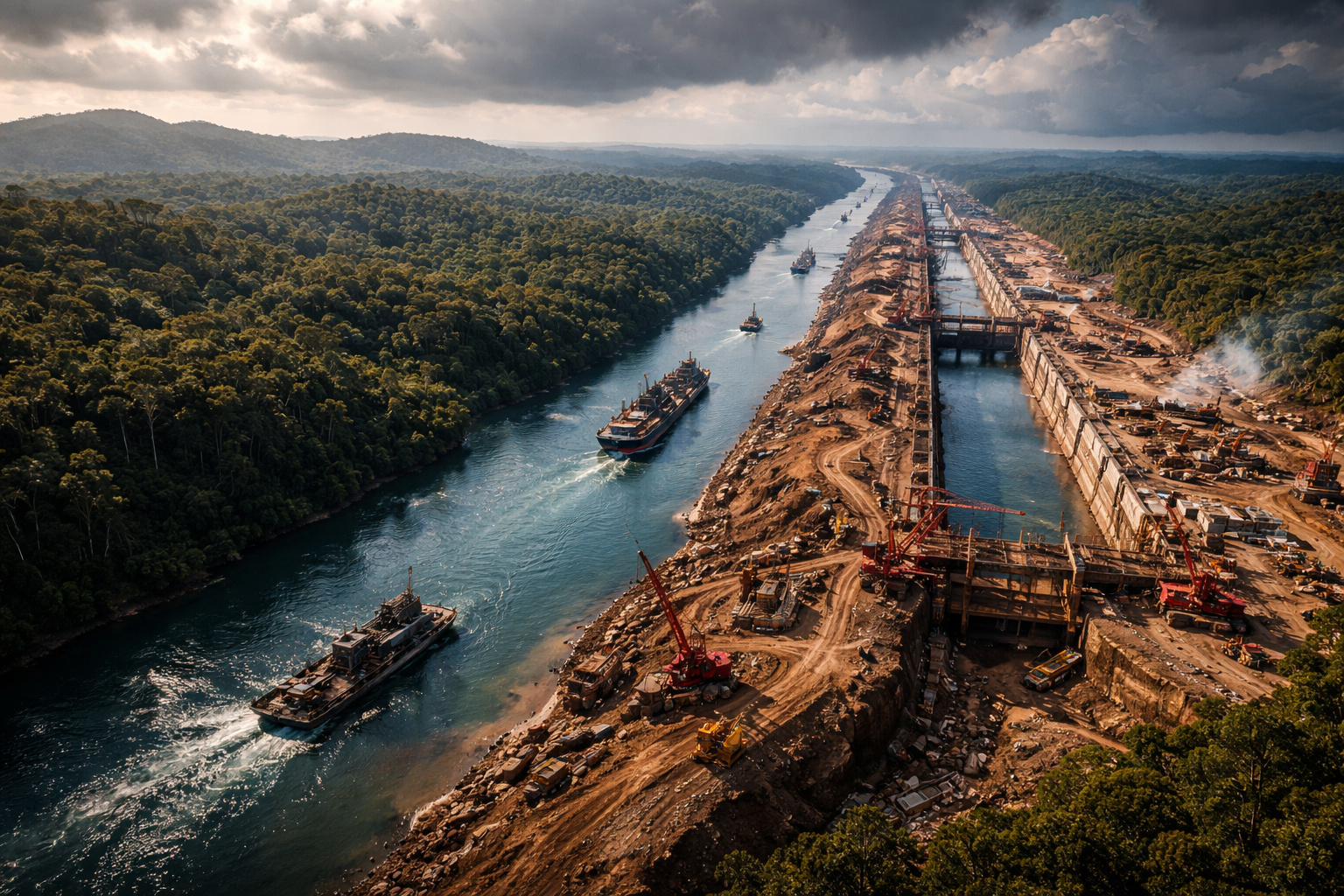

Forecast Of Change In The Migratory Flow Of People Coming From Venezuela
The Venezuelan opposition has stated that they will leave the country if Nicolás Maduro is re-elected for a third six-year term. This declaration further raises expectations of possible turmoil in the region.
At the end of last year, in response to growing tensions between Venezuela and Guyana over the disputed Essequibo territory, rich in oil and gas reserves, the Brazilian Army increased its contingent at the border.
With the crisis between Venezuela and Guyana, the Army has reinforced its personnel in the border region. There was a 10% increase in troops in the Northern Military Command and in the Amazon Military Command, rising from 27,000 to 30,000 military personnel.
The Special Border Platoon in Pacaraima, Roraima, has also been reinforced, increasing from 70 men to 130 men. Additionally, 28 armored vehicles and more than a hundred vehicles, along with equipment and weapons, have been sent to the region.
Military Reinforcement In The Region
The deployment of the Brazilian Army demonstrates the seriousness with which the country is dealing with the potential migratory and political crisis at its border.
This preparation aims to ensure safety and order in the face of any eventuality that may arise from the political developments in Venezuela.
The readiness of the troops and the increase in the contingent in the region are preventive measures that highlight the importance of stability at Brazil’s northern border.
Could this tension at the border escalate into a larger conflict, or will the preventive measures of the Brazilian Army be sufficient to maintain peace and security in the region?






Seja o primeiro a reagir!