





 English
  Francês
  Alemão
  Italiano
  Japonês
  Norueguês
  Portuguese
  Spanish
  4 min of reading


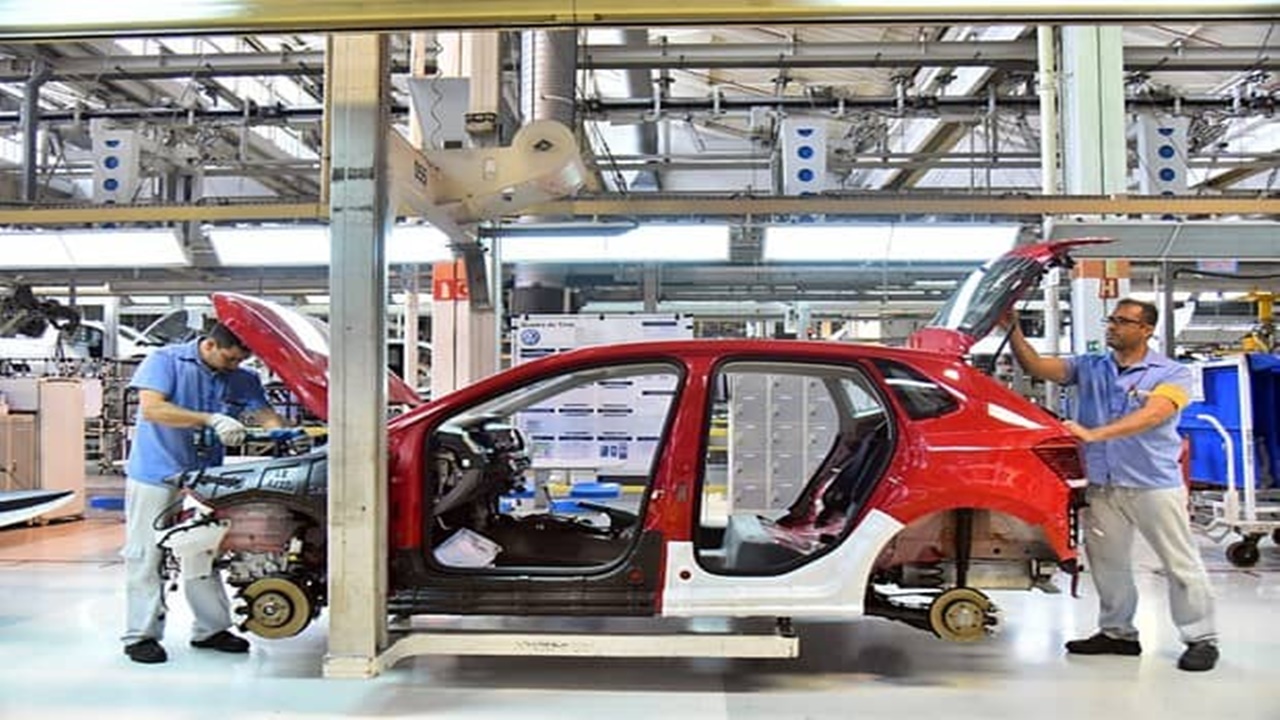
Not Everything Is Lost, Brazil! The Largest Global Ethanol Producer and the Third in Corn Production Will Lead the Industry for the Transition to Electric Cars
Why, after so many years of global discussion about the need for developing non-polluting vehicles, has Brazil, rich in resources and technical potential, not taken the opportunity to become self-sufficient on this issue, joining the wave of nations that pretended to totally ignore this necessity while silently developing their electric car projects that today dominate the global market?
Read Also
- Portugal Calls for Brazilian Labor for 400 Job Vacancies to Work at the French Multinational Natixis; There Is No Age Limit
- Ethanol and Gasoline Prices Register Lowest Increase in the Southeast Region and Provide Relief to App Drivers, Taxi Drivers, and Workers
- The Brazilian Oil Giant Chooses SBM Offshore for 26-Year Charter of Brazil’s Largest FPSO Platform to Be Installed at the World’s Largest Deepwater Oil Field
- The Largest Fuel Station Network in Brazilian Agribusiness Will Install a Unit in Paraná; The Complex Includes a Mega Project to Meet the Needs of Truck Drivers and Travelers
- Multinational Offers 300 Home Office Positions for Candidates Without Experience from Anywhere in Brazil; Students in Technical Courses, Technologists, Undergraduate or Graduate Programs Can Apply
An Electric Car Motor Is Significantly Simpler than a Combustion Engine
The motor of an electric car is significantly simpler than the motor of a combustion engine, speaking exclusively of the number of components needed and materials used – it costs a fraction of the price of combustion engines to build, but it is required to be much more powerful and efficient than the combustion engines mentioned.
The batteries also have the same specifications. These motors also require very precise control of rotation and charge utilization. Engineers have already solved these issues today. This is the basic requirement. Electronic and digital enhancements (such as autonomous driving, etc.) are merely add-ons to elevate the price.
-
‘Interlocking brick’ made of earth arrives in the construction industry with cost reductions of up to 40% on the project.

-
Espírito Santo will receive the largest engineering project in its history with the duplication of BR 262, which will have 50 viaducts, 28 bridges, and 2-kilometer tunnels cutting through the most challenging mountainous region of the entire state.

-
A project of nearly 9 million reais already has the first kilometer paved in Santa Catarina and promises to completely transform the access between Jaraguá do Sul and Rio dos Cedros in an area where tourism is growing at a rapid pace.

-
A couple builds a system to bring water from the spring to their land, climbs a hill with materials on their backs, and creates a simple, cheap, and sustainable solution to ensure their own water supply.


Brazil Misses the Opportunity to Develop Its Own Electric Car
Brazil, which is rich in the necessary material resources and has qualified technicians and engineers, has not taken the current opportunity to create its entirely national electric car, starting with models compatible with the purchasing power of its people and the peoples of Latin American countries (without autonomous driving and other dispensable features), avoiding the payment of royalties and patents, which significantly raise the prices of industrialized products.
In the long time that has passed since the first discussions until now, the problems of batteries, recharging, etc., would already have been resolved with capital and national incentives if there had been interest and vision from Brazilian investors. Now consumers will have to pay exorbitantly and submit to imported products.
by – Ederval Mendonça
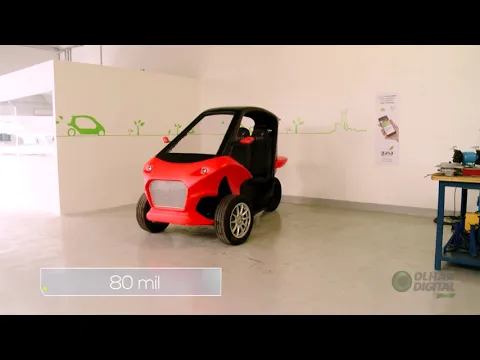
Check Out the Video Below from 2019 About National Startups’ Interest in Electric Vehicle Production

The Powerful Brazilian Market in Ethanol Production Becomes a Wild Card for the Industry in a Turning Point Toward Vehicle Electrification
Every day, the powerful Brazilian market in ethanol production has gained more space in the Brazilian territory. In the 2019/2020 harvest, the National Supply Company (Conab) recorded the largest ethanol production in history, totaling 35.6 billion liters from sugarcane and corn.
This increase of 7.5% compared to the previous year shows how ethanol has gained ground in the country and allows it to position itself in light of this significant ethanol movement, aiming for astronomical profits.
The Indian government’s announcement that the country will invest in replacing fossil fuels with ethanol (which costs between R$ 4.20 and R$ 4.35 per liter there), as its automotive energy base, has caused a real stir in the sector here in Brazil.
Brazil can transfer its expertise in using ethanol to India, which is currently the fifth largest vehicle producer in the world (3.4 million units, including passenger cars and light commercial vehicles, in 2020) and one of the fastest-growing markets in the world (over 28%, just in the first quarter of this year).
Although the plan announced by the Indians has the sole objective of preparing the sector for electrification, reducing the dependence on fossil fuels as electric cars gradually capture larger market shares, Brazilian ethanol has become a light at the end of the tunnel for the industry at this turning point toward vehicle electrification.








Seja o primeiro a reagir!