





 English
  Francês
  Alemão
  Italiano
  Japonês
  Norueguês
  Portuguese
  Spanish
  4 min of reading


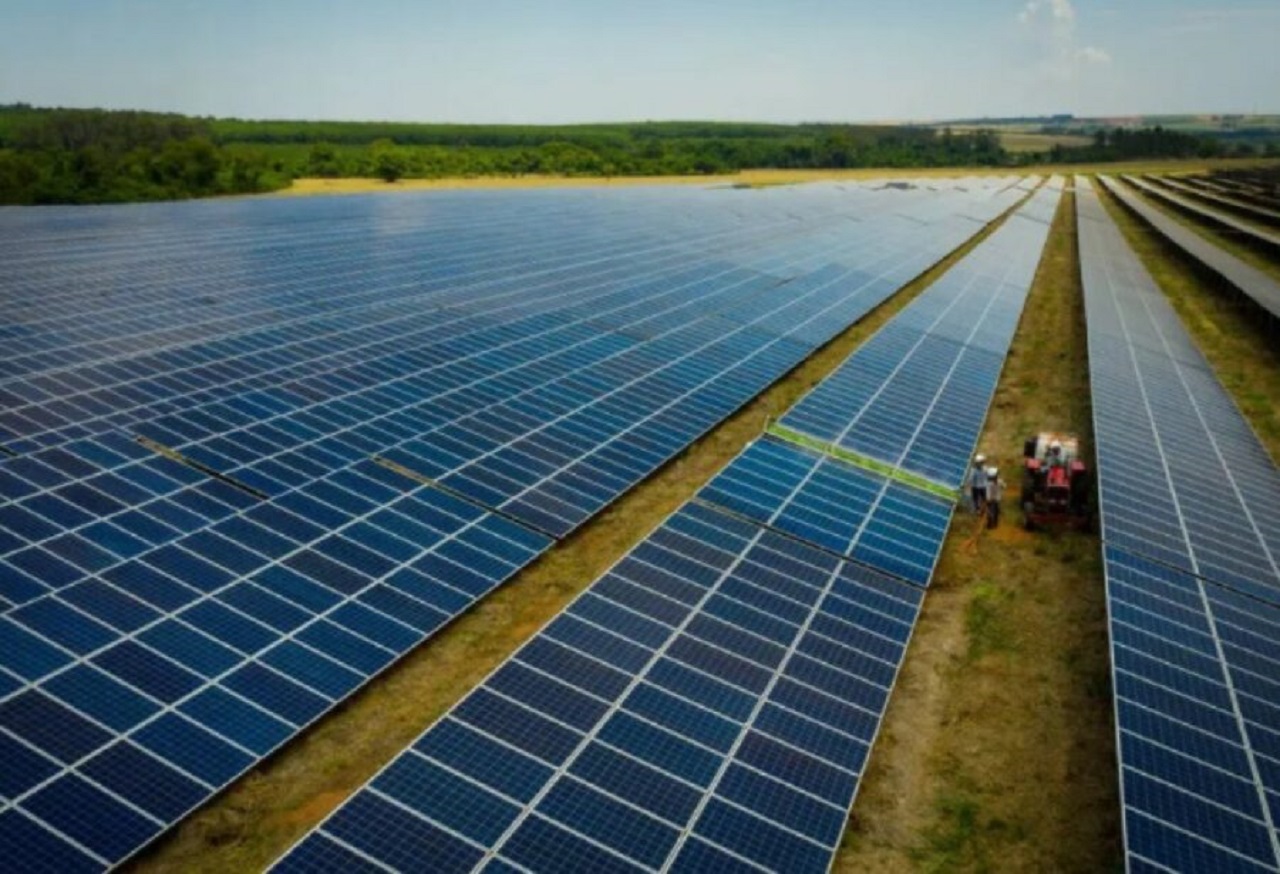
Combining Data from Evolua Energia’s CEO with the Renewable Energy Auction Planned by ANEEL for June, the Estimate is That Private Investments Will Reach R$ 11.1 Billion in Solar Energy
The installations for generating photovoltaic solar energy recorded significant progress in recent years with the increase in incentives and the number of companies betting on the sector. Because of this, last year, the country managed to enter the group of the 15 nations with the highest installed solar energy capacity in the world, being the only one in Latin America in the world ranking. Today, there are more than 13 GW installed, which is equivalent to over 70% of the power of the Itaipu hydroelectric plant, the second largest in the world and leader in energy generation in Latin America.
Read Also
Currently, solar energy is one of the most promising industries in Brazil. In 2020, the sector experienced a growth of 70%, while last year the leap was 64%, according to data from Absolar (Brazilian Association of Photovoltaic Solar Energy). According to the organization, since 2012, this energy source has brought over R$ 66.3 billion in new investments to Brazil and generated more than 390,000 jobs. Thus, it avoided the emission of 17.5 million tons of CO2 in electricity generation.
The Arrival of New Investments in the Brazilian Renewable Energy Market Attracts New Consumers
This year, expectations are that investments in the area will expand even further. This is very beneficial because it can ensure greater energy security for the country in the coming years. Projections from Absolar indicate that, just in 2022, the photovoltaic solar source should generate over 357,000 new jobs in Brazil, as new private investments in the sector could exceed R$ 50.8 billion, encompassing both distributed generation and centralized generation segments. Globally, the trend is that photovoltaics will become the main energy source within 20 years, according to studies and analyses from IRENA (International Renewable Energy Agency).
-
Rio Grande do Sul accelerates energy transition: State invests in renewable technologies and consolidates decarbonization strategies and pathways to attract billions in new industrial investments.

-
With 160,000 m² of collectors, an area larger than 20 football fields, Silkeborg, in Denmark, hosts a solar thermal plant that heats 19,500 homes and could become the largest solar heating plant in the world.

-
A study reveals the expansion of renewable energy procurement in Brazil and shows how companies are taking advantage of opportunities to reduce expenses, ensure energy efficiency, and strengthen strategic environmental commitments.

-
Roraima bets on the sun to escape high tariffs: Amid the energy crisis and price hikes, solar energy is growing in Roraima and transforming consumption in the North region.
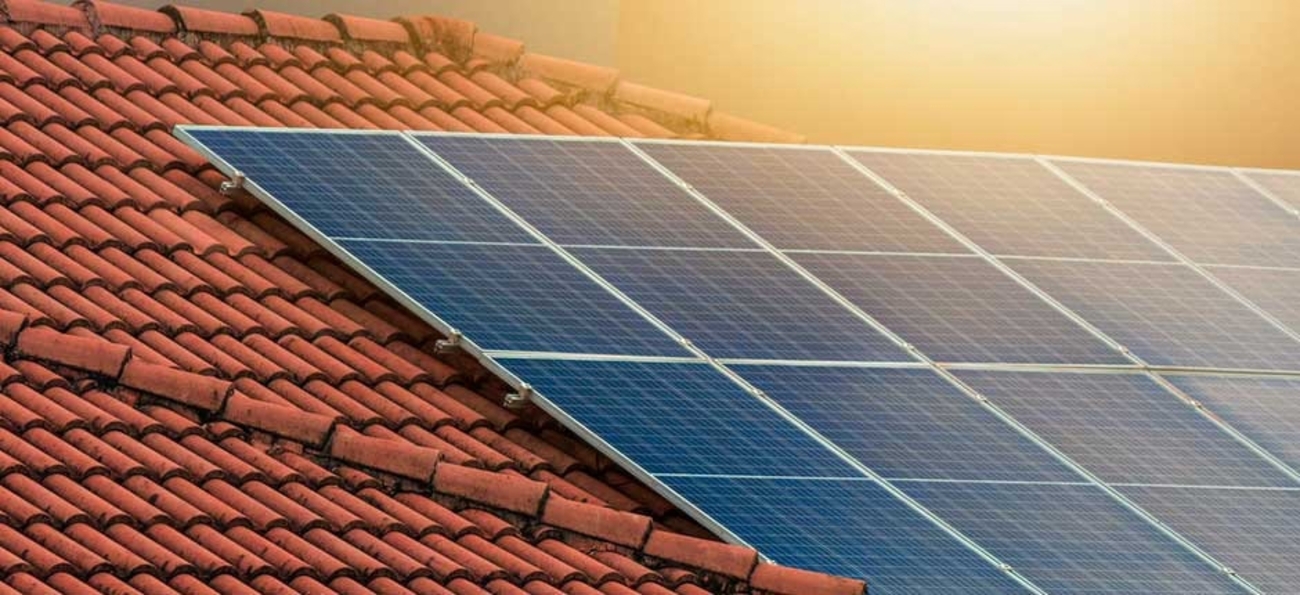

Returning to the national scenario, due to the continuation of the water crisis throughout the first half of the year, the energy sector will remain pressured due to additional costs related to the use of more expensive energy sources, especially in thermal plants. In addition, there is an expectation of an increase in energy tariffs due to the acceleration of inflation in recent months. Another issue that will impact the segment is the start of payments for the Covid-19 bill, which energy distributors incurred during 2020, in the most intense period of the pandemic.
All these points should contribute to greater investments by companies in photovoltaic sources, which were further propelled by the approval of the new legal framework through PL 5.829/19 and by commitments made by countries, governments, and companies to reduce carbon, driven mainly by NetZero 2050.
Innovation: Subscription Solar Energy is Expected to Become Popular in the Coming Years
In terms of innovation, it is also expected that subscription energy will intensify throughout 2022, especially in Minas Gerais, the leading state for photovoltaic sources in the country, with 17.5% of installed power. Overall, Brazil’s conditions for generating solar energy are extremely favorable. It is estimated that even the worst areas of the country are far superior to the best areas in European countries.
Certainly, this year will be very important for solar energy in Brazil, considering the current electrical scenario, favorable legislation, and the increasing attention from the population and businesses on ESG issues. Today, it is evident that the intensification of renewable energy use is not only a socio-environmental awareness action but also a way to create new job and business opportunities.
NOTE: The published content was written by Tarcísio Neves, CEO of Evolua Energia, one of the leading companies in energy transformation in Brazil, specializing in shared distributed generation. The content was received by Marcela Borges from PR Specialist.







Seja o primeiro a reagir!