





 English
  Francês
  Alemão
  Italiano
  Japonês
  Norueguês
  Portuguese
  Spanish
  4 min of reading
  0 comments


Construction Generates More Than 20% Of Global GHG Emissions, But Sustainability Is Growing In The Sector
Brazil Is Among The Top 10 Countries In Green Building Certification
In the latest edition of the Global Status Report on Buildings and Construction, published by the UN Environment Programme (UNEP) in March 2024, the construction sector was identified as responsible for about 21% of global greenhouse gas emissions. In 2022, buildings accounted for 34% of global energy demand and 37% of CO2 emissions related to energy and processes, making it a critical sector for achieving our global climate goals.
-
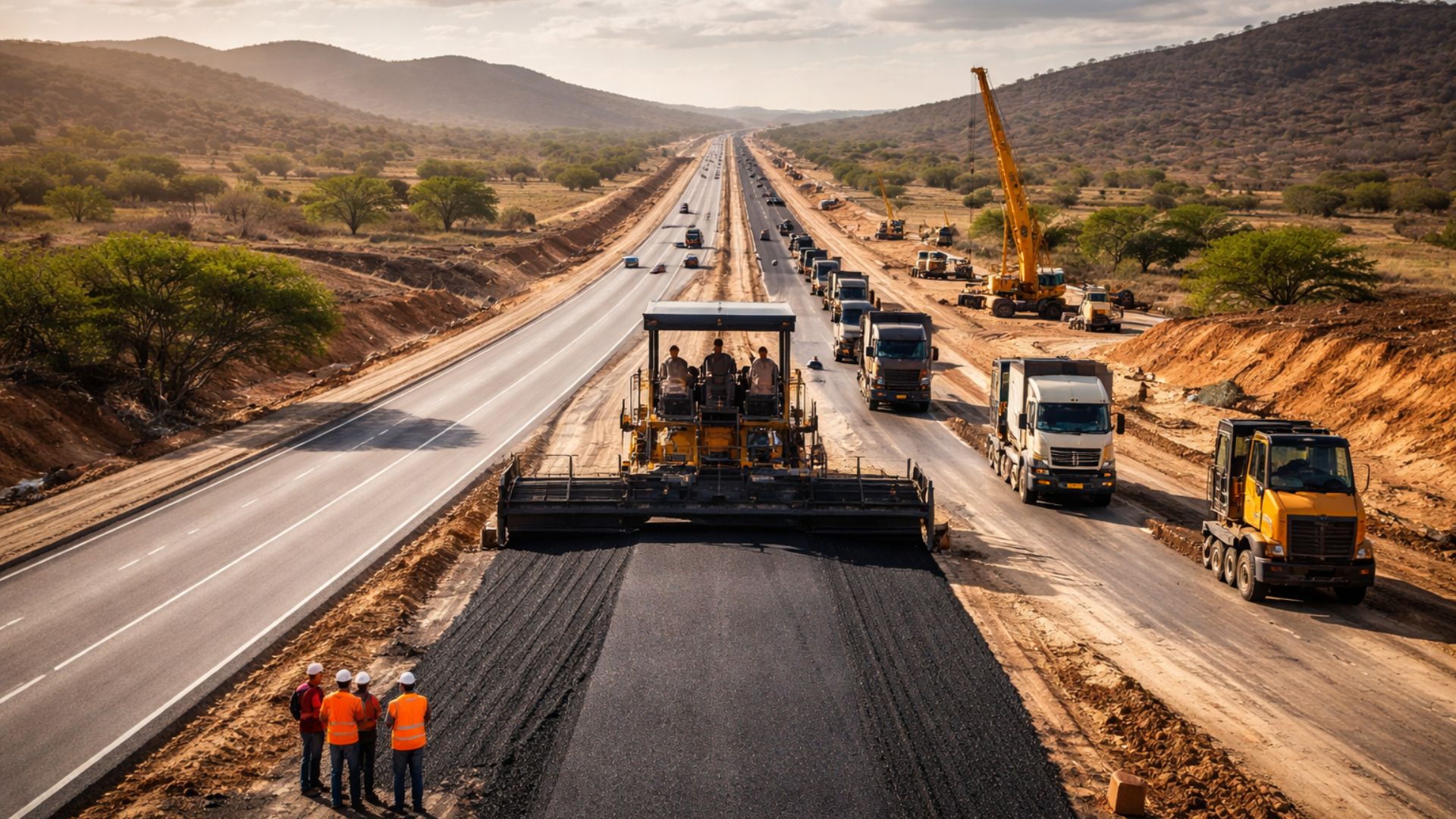
Government unlocks R$ 554 million for a highway that has been requested for decades and accelerates the duplication of BR.
-
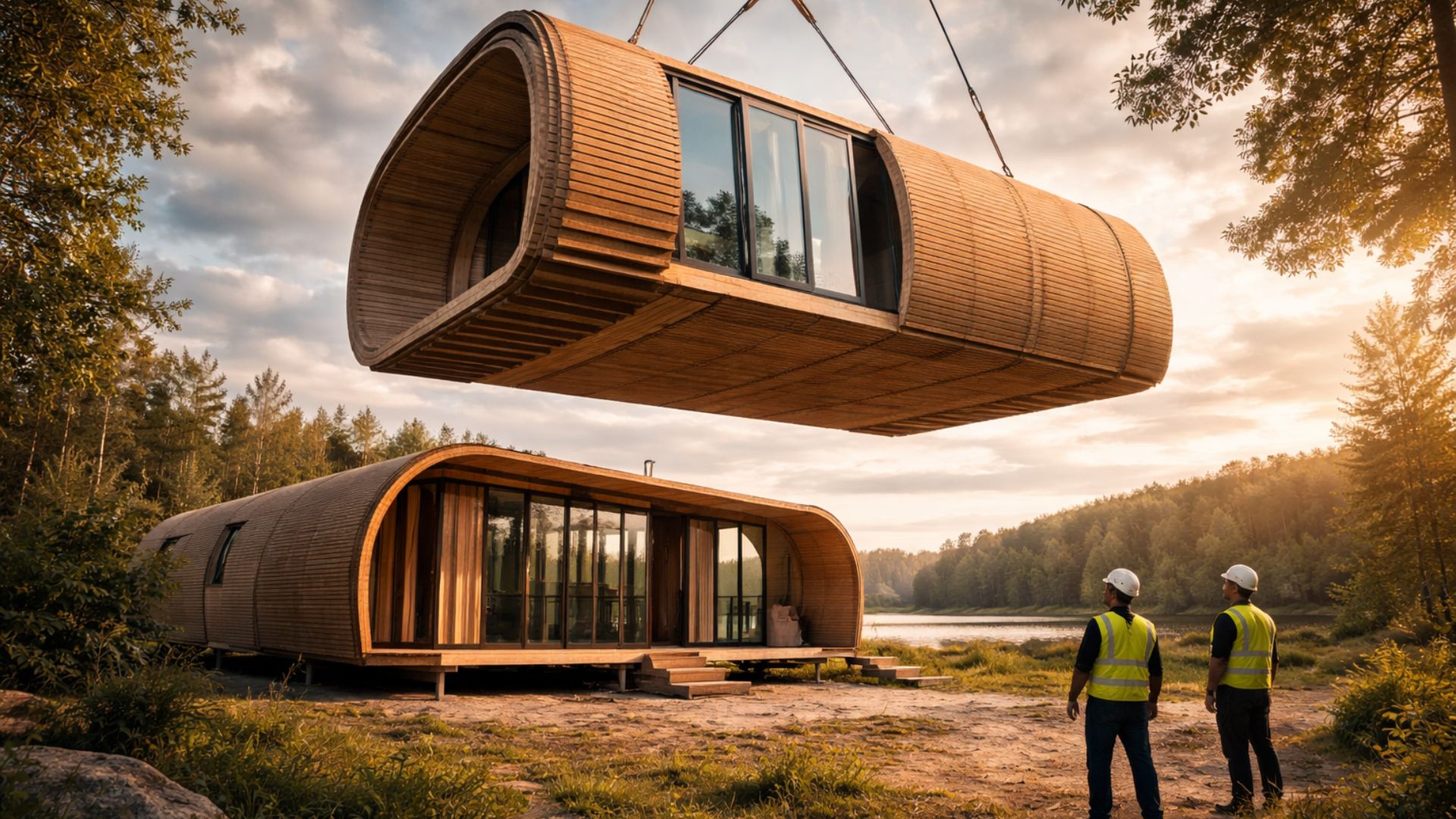
Without bricks, without cement, and without endless construction: the cardboard house that is assembled in modules and can be moved.
-
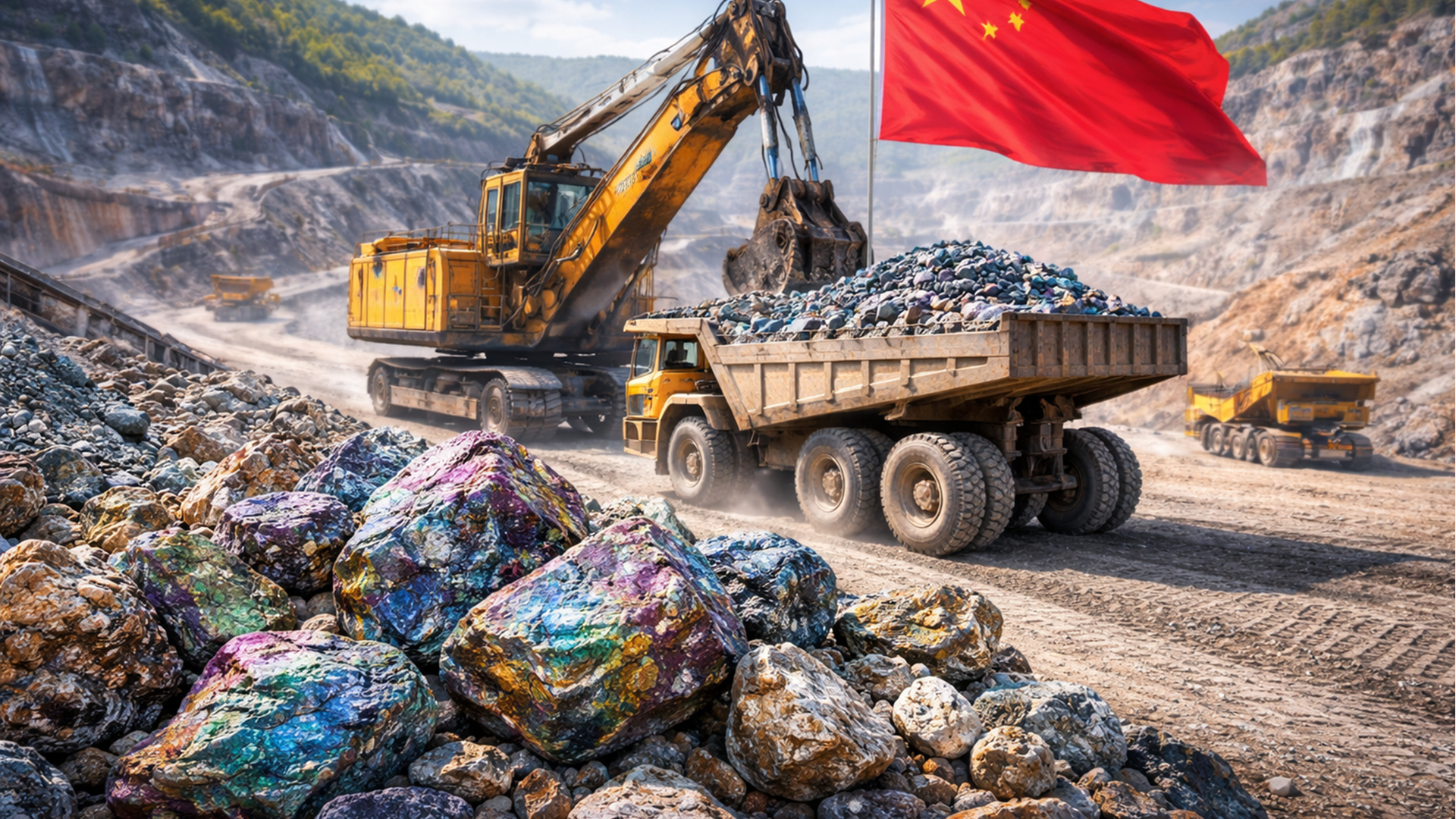
Billions of barrels on the equatorial margin could lead Amapá to double its oil production in Brazil — the state aims to enter the route of companies in the Campos Basin, attract investments, and boost jobs and businesses in the oil and gas sector.
-
Without bricks, without cement, and without endless construction: the cardboard house that is assembled in modules and can be moved.

Specifically in Brazil, according to Setec, the Secretariat for Professional and Technological Education of the Brazilian Government, greenhouse gas (GHG) emissions from the construction and building sector correspond to 6% of national emissions, totaling about 139 million tons of CO2 annually.
Therefore, sustainability in the construction sector is a growing trend to contribute to the mitigation of climate change worldwide. UNEP’s study highlights some of the international efforts for the sector, such as the Buildings Breakthrough, launched at COP28, aimed at nearly zeroing out GHG emissions and making buildings resilient, establishing a new standard by 2030.
In the Brazilian region, the green construction niche is expanding, with a 40% increase in green residential buildings in 2023. Offices, retail, warehouses, and industrial manufacturing are also among the main types of buildings with green building certifications in the country. By early 2024, Brazil had already certified 20 sustainable buildings. Through sustainable design, construction, and operations, green buildings reduce carbon emissions, energy consumption, and waste production, conserve water, prioritize safer materials, and reduce our exposure to toxins.
LEED Certification and Its Impact In Brazil
LEED (Leadership in Energy and Environmental Design) is the world’s most widely used sustainable building certification system, created by the U.S. Green Building Council (USGBC), the leading authority on green building, and administered by GBCI. This certification tool promotes a holistic approach to the building, from project design to final construction and maintenance, considering issues such as site selection, water and energy efficiency, material selection, indoor environmental quality, innovative strategies, and regional priority issues.
Brazil has consistently ranked among the top 10 countries with LEED certification and, in 2023, placed fifth in terms of LEED certifications per square meter. LEED has been adopted by some of Brazil’s leading companies and is used to support corporate sustainability goals. Examples include the Madero group (with over 100 certified stores); the Oscar Freire Office, Birmann 11 & 12 and Tower Bridge Corporate buildings in São Paulo; the Senac Serra Educational Center in Espírito Santo; and the Green Towers in Brasília.
The country has also adopted policies that optimize the efficiency of buildings and areas such as neighborhoods and cities. LEED is a tool that encourages and qualifies a building as eligible, for example, for the property tax discount proposed by the Green Property Tax environmental policy project.
According to Sandrino Beltrane, Head of Business Development at GBCI: “We Closed 2023 With A Historic Record Of More Than 230 New LEED Projects Registered Across Various Types Of Buildings And Market Segments. The Economic, Environmental, And Social Benefits Related To The Certification Process, Along With Market Maturity, Help To Explain This Growth.
ESG Has Become A Strategic Pillar Within Organizations Committed To Clear Sustainability Goals. This Movement Has Driven The Green Certification Market, Offering Transparency, Benchmarking, And Independent Third-Party Assessment.
A New Chapter In This Journey Is Being Written With The Launch Of The New LEED v5, Bringing Significant Changes So That All Projects Are Allocated To Meet Global And Organizational Goals Within The Themes Of Decarbonization, Quality Of Life, And Conservation.”
LEED v5 And Decarbonization In The Construction Sector
A Major Focus On Sustainable Issues Currently Is Decarbonization, Including In The Building And Construction Sector. According To UNEP’s Report, To Achieve Net Zero Carbon Emissions Goals For New Buildings By 2030 And Existing Buildings By 2050, Stronger Policies Are Needed To Improve Energy Efficiency And Address Carbon Emissions From Building Materials And Construction.
In April 2024, USGBC Launched Drafts Of LEED v5, The Latest Version Of The LEED Certification System. The New System Addresses Significant Sources Of Carbon Emissions In Buildings, Such As Operational And Embedded Carbon. LEED v5 Aims To Lead The Deep Decarbonization Of The Built Environment And Drive Market Transformation To Achieve The Goals Of The Paris Agreement. Decarbonization Is Also One Of The Three Impact Areas On Which LEED v5 Focuses:
- Decarbonization: LEED v5 Helps To Rapidly Reduce Carbon Emissions In Projects, Focusing On Lowering Emissions During Operation, Embodiment, And Material Transportation. It Focuses On Improving Energy Efficiency, Using Energy-Saving Design, Integrating Effectively With The Grid, And Reducing The Maximum Energy Demand. With Clear Requirements, It Also Educates Teams About Emissions To Create A Positive Impact.
- Quality Of Life: LEED v5 Focuses On Enhancing The Health And Well-Being Of People, Prioritizing Resilience, Equity, Inclusion, And Community Health, Both For Those Working Or Living In The Buildings And For The Surrounding Communities. LEED v5 Project Teams Assess Climate Resilience, Social Impact, And Occupant Needs To Integrate Impactful Approaches More Effectively.
- Conservation And Ecological Restoration: LEED v5 Looks At How Natural Systems Connect With Human-Built Environments, Seeking To Reduce Negative Impacts On Nature And Promote Recovery And Preservation Of Biological Diversity. It Brings Strategies To Protect Natural Habitats, Green Spaces, Reduce Light Pollution, And Avoid Bird Collisions.





Seja o primeiro a reagir!