





 Portuguese
  English
  Spanish
  4 min of reading
  2 comments


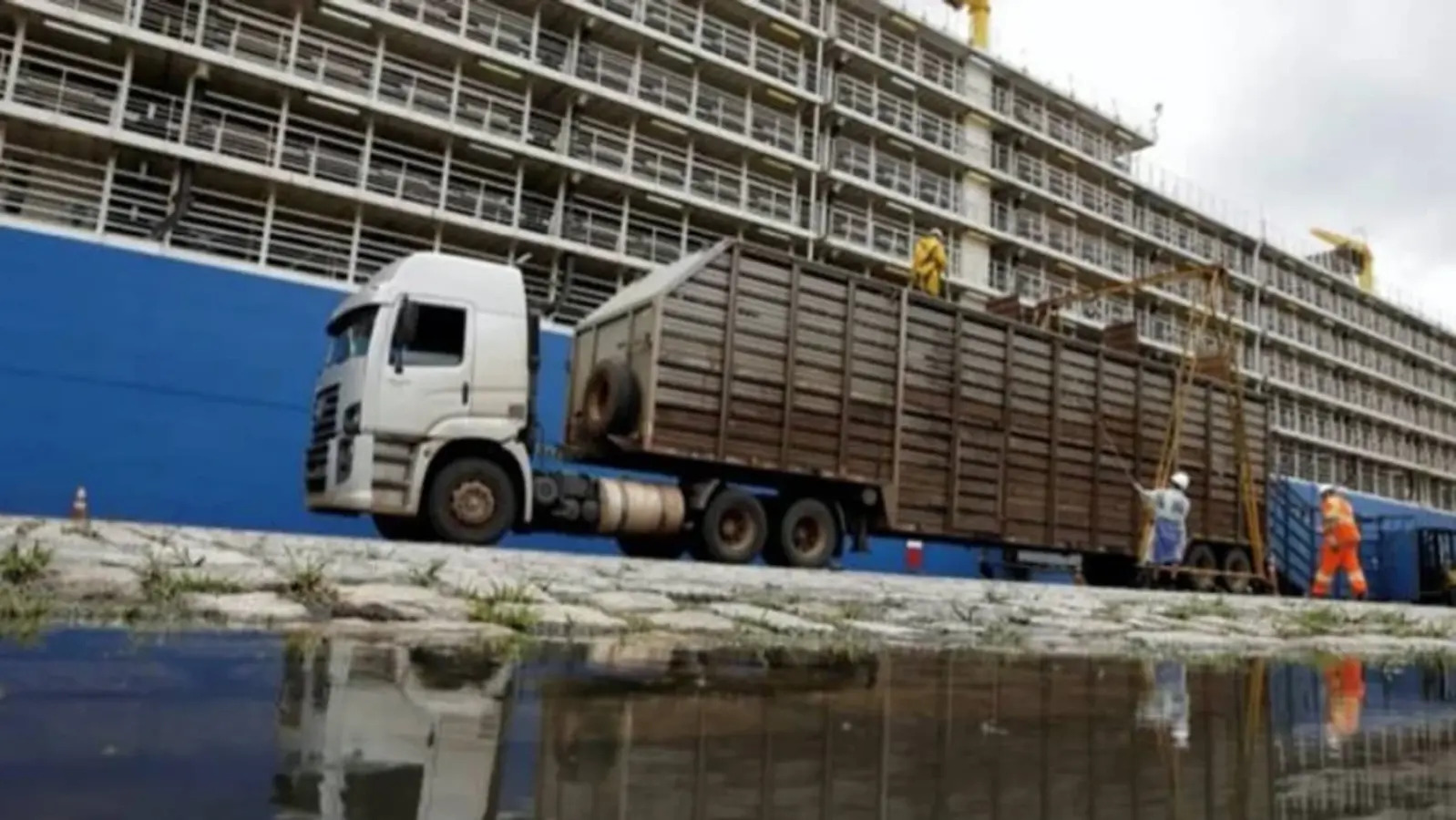


PL 2,627 of 2025 Predicts Transition in Five Years, May Generate Billions in Added Value, Create Up to 8,000 Jobs, and Increase Tax Revenue
Brazil moves about R$ 2 billion a year with the export of live cattle. This market, however, may undergo profound changes if Congress approves Bill 2,627 of 2025.
The proposal anticipates the gradual substitution of live animal exports by processed beef within national territory, over a period of five years.
The economic impact, according to studies, may represent additional gains of up to R$ 1.9 billion.
-
The largest food company on the planet, JBS, has just opened a 4,000 square meter laboratory in Florianópolis to develop customized proteins that modulate muscle mass gain, immune response, and metabolic performance.

-
After nearly 30 bids and competition among industry giants, a Spanish company purchases one of the largest airports in Brazil for almost R$ 3 billion and takes over the management of Galeão in a concession that will last until 2039.

-
The Federal Revenue Service now automatically cross-references everything you declare with data from banks, credit cards, brokerage firms, and insurance companies, and any discrepancy between your income and your expenses triggers an alert in seconds.

-
Amid global tensions, Brazil blocks the United States’ proposal at the WTO and paves the way for a trade crisis and possible retaliations.

Proposal Under Debate
The bill was introduced by Congresswoman Duda Salabert (PDT-MG) and has the support of organizations related to animal welfare.
Among them is the NGO Mercy For Animals (MFA), which argues that the substitution corrects historical distortions and brings Brazil closer to international standards.
George Sturaro, the MFA’s Director of Government Relations and Public Policies, will present a technical note to Congress this Tuesday (August 19, 2025).
The document demonstrates the economic and social benefits of the proposal and will be discussed in a public hearing.
Study Points to Gains
The technical note is based on the study “Analysis of the Socioeconomic Impacts of the Prohibition of Live Cattle Exports in Brazil,” prepared by economist and doctor of Environmental Sciences Maíra Luiza Spanholi.
According to the analysis, the gains go far beyond the issue of animal welfare. The substitution of live cattle exports for refrigerated beef may generate additional added value between R$ 1.46 billion and R$ 1.91 billion.
The creation of formal jobs could range from 5,500 to 7,200 new positions. Tax revenue could increase by up to R$ 610 million.
“When we process the meat internally, we stop exporting just raw material and start selling a more valued product,” said Spanholi.
Unhealthy Leap
Brazil exported nearly 1 million live cattle in 2024, a number much higher than the average of 400,000 recorded until 2023. Maritime transport of animals, however, is subject to severe criticism.
The conditions are unhealthy and many animals die during the ocean crossing, which can be long, as the main destinations are in the Middle East.
This leap is explained by changes in the global market. Until 2019, Australia was the leader in this sector. With the imposition of stricter animal welfare and maritime safety rules, the country restricted old ships.
Today, only 25 of the 125 global vessels meet Australian requirements. Freight costs have risen and importers have begun to turn to Brazil.
“Australia closed its doors to unsafe vessels. Brazil ended up occupying this space due to the lack of equivalent requirements,” Sturaro said.
Regional Benefits
The study also indicates that the substitution of shipments could bring significant regional impacts. States such as Mato Grosso, Goiás, São Paulo, and Mato Grosso do Sul would be the main beneficiaries.
Rondônia and Pará, currently large exporters of live cattle, could receive investments in slaughterhouses and logistical modernization.
In the internal consumption scenario, job creation could exceed 8,000 vacancies. Additionally, states and municipalities would have extra tax revenue.
Spanholi recalled that India underwent a similar process. In 2018, the country banned the maritime transport of live animals.
In four years, it managed to double its refrigerated meat exports to the Middle East, rising from US$ 760 million to US$ 1.5 billion.
Buyer Markets
Sturaro stated that the international demand for Brazilian beef already exists. “What we are envisioning is that these countries will begin to exclusively purchase refrigerated meat, no longer live cattle. That is the idea,” he said.
For him, the hearing this Tuesday will be decisive to sensitize parliamentarians and society. “This project could mark the end of a cruel activity and open space for a fairer, more sustainable, and competitive model for Brazil,” he added.
Resistance in Congress
The process, however, faces obstacles. Since 2018, seven bills have been introduced to limit or prohibit the export of live animals.
Three have been shelved. Currently, four are under analysis in Congress – three in the Chamber and one in the Senate.
The biggest hurdle is profit. The export of live cattle guarantees a margin 20% to 25% higher than that obtained from selling animals in the domestic market.
This differential mobilizes the agricultural caucus to resist any attempts at change.
Transition Proposal
The text by Salabert aims precisely to balance interests. The project provides for the prohibition of live animal exports in five years, with annual reduction quotas until the deadline.
It also establishes minimum welfare standards during the transition period. Among them, time limits for vessel use, mandatory veterinary monitoring on board, and continuous oversight by the Ministry of Agriculture and Livestock.
For supporters, it is a necessary step. Critics, however, point to the risk of immediate loss of competitiveness. Therefore, the debate is likely to divide Congress.
The future of the sector will depend on the ability to balance economy, politics, and animal welfare.
With information from Poder 360.







Como a Petrobras que exporta petróleo e importa derivados, gás natural e nitrogenados assim é a prática subdesenvolvida do extrativismo primitivo crescente no Bostil
Não pode exportar animais vivos. Só quem não sabe como é que pode dizer que é “humano “