





 Portuguese
  English
  Spanish
  3 min of reading
  0 comments



Brazilian Energy Innovation Merges Biofuel and Technology to Reduce Emissions and Diversify the Electric Matrix
Brazil has just made history by inaugurating the world’s first thermoelectric plant completely powered by ethanol. Located in Juiz de Fora (MG), the unit, which previously operated on natural gas, was adapted to use the biofuel derived from sugarcane. The initiative involved Petrobras and General Electric, marking a new chapter in sustainable electricity generation in the country. According to Interesting Engineering and Exame, this Brazilian innovation could serve as a model for other nations seeking clean and efficient energy production solutions.
The Juiz de Fora plant, previously a conventional thermal generation unit, underwent a technological reconfiguration that enabled it to operate on ethanol. According to Exame, this is the first plant in the world to operate entirely on this type of biofuel. The project was made possible through the partnership between Petrobras and General Electric, which was responsible for adapting the turbines to accept the new fuel. The plant has an installed capacity of 87 MW and is ready to operate with flexibility, alternating between natural gas and ethanol according to the needs of the national electric system.
Ethanol as a Clean and Strategic Solution for Brazil
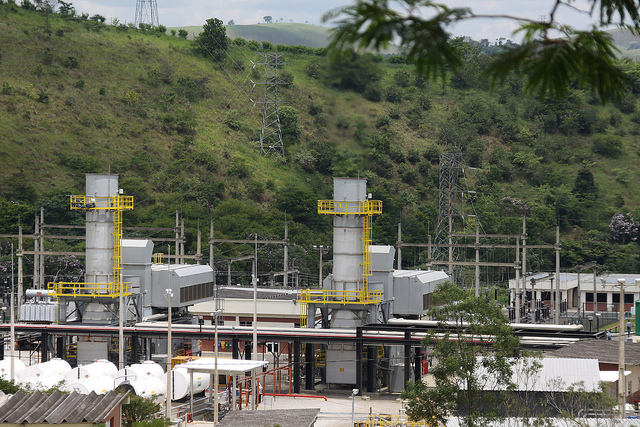
Using ethanol as a source of electrical energy represents a significant environmental advance. As a renewable biofuel, ethanol emits less greenhouse gases than fossil fuels such as coal or diesel. According to Interesting Engineering, Brazilian ethanol, made from sugarcane, has one of the lowest carbon footprints in the world. This reinforces Brazil’s role as a global leader in sustainable energy and biofuel production. The use of ethanol in thermoelectric plants contributes to the country’s energy security, reducing dependence on external sources.
-
Petrobras reaffirms its commitment to the market and ensures that it will carry out the energy transition safely to maintain national sovereignty.
-
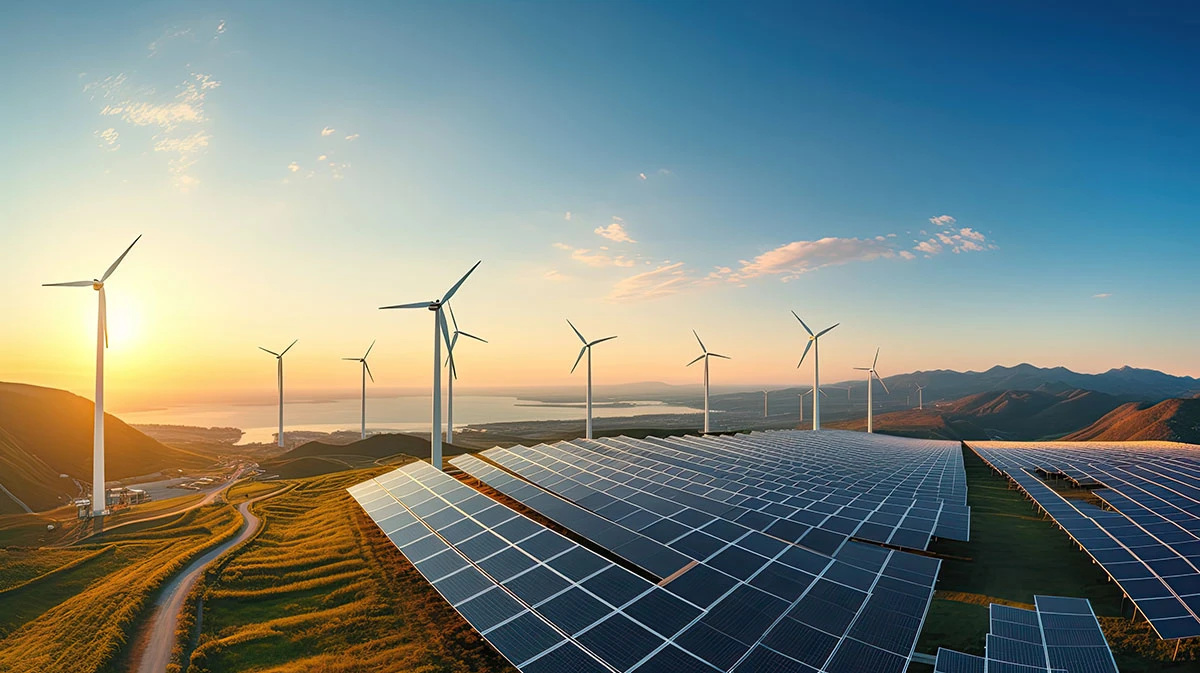
Researchers discover a possible hydrogen deposit of up to 46 million tons beneath an ancient coal basin, and the volume could exceed half of the entire global production.

-
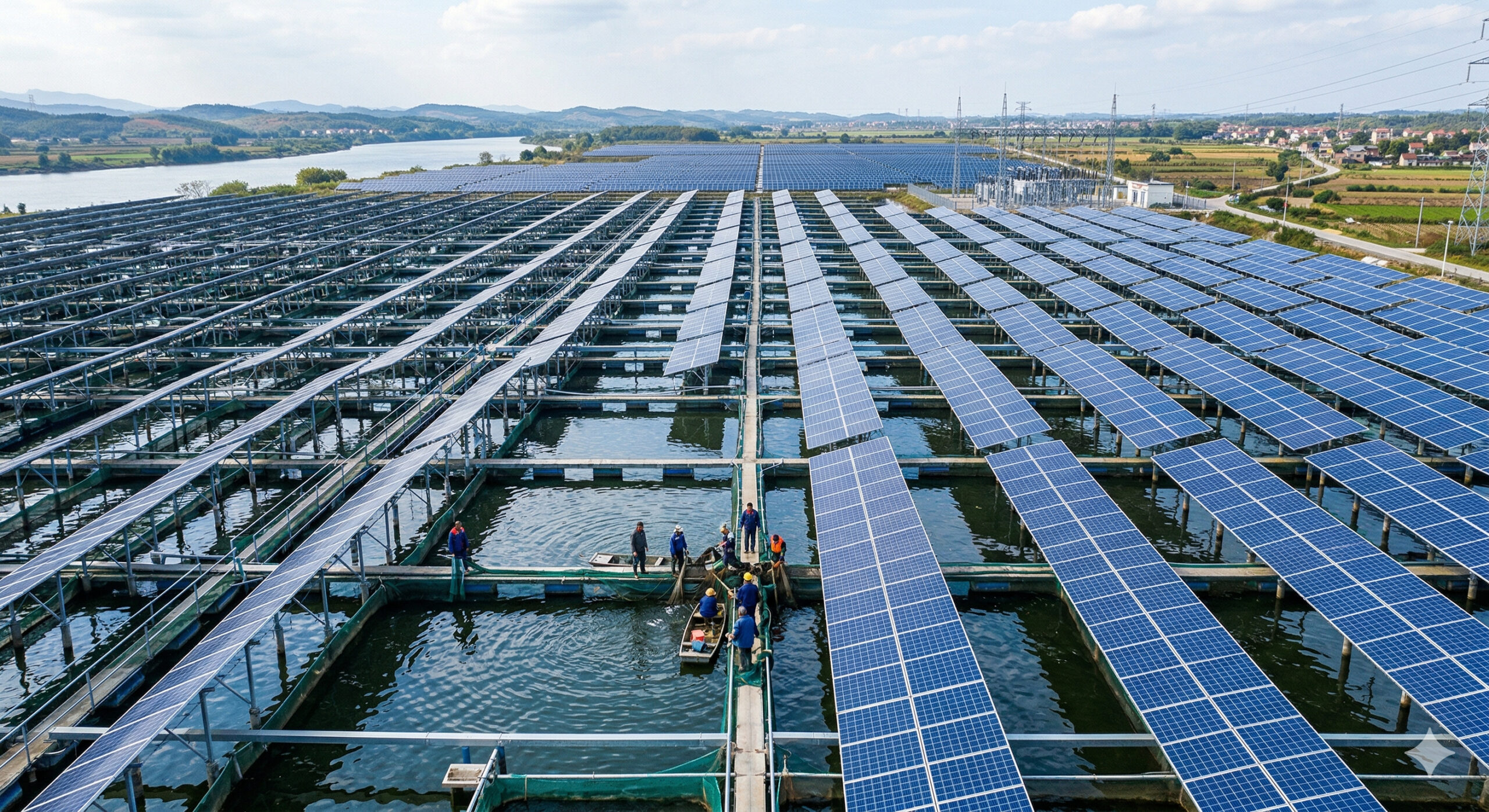
China bets on the Fishery-PV model and transforms fish farms into giant solar plants, covering ponds with panels that generate energy while utilizing the same space for large-scale aquaculture production.
-
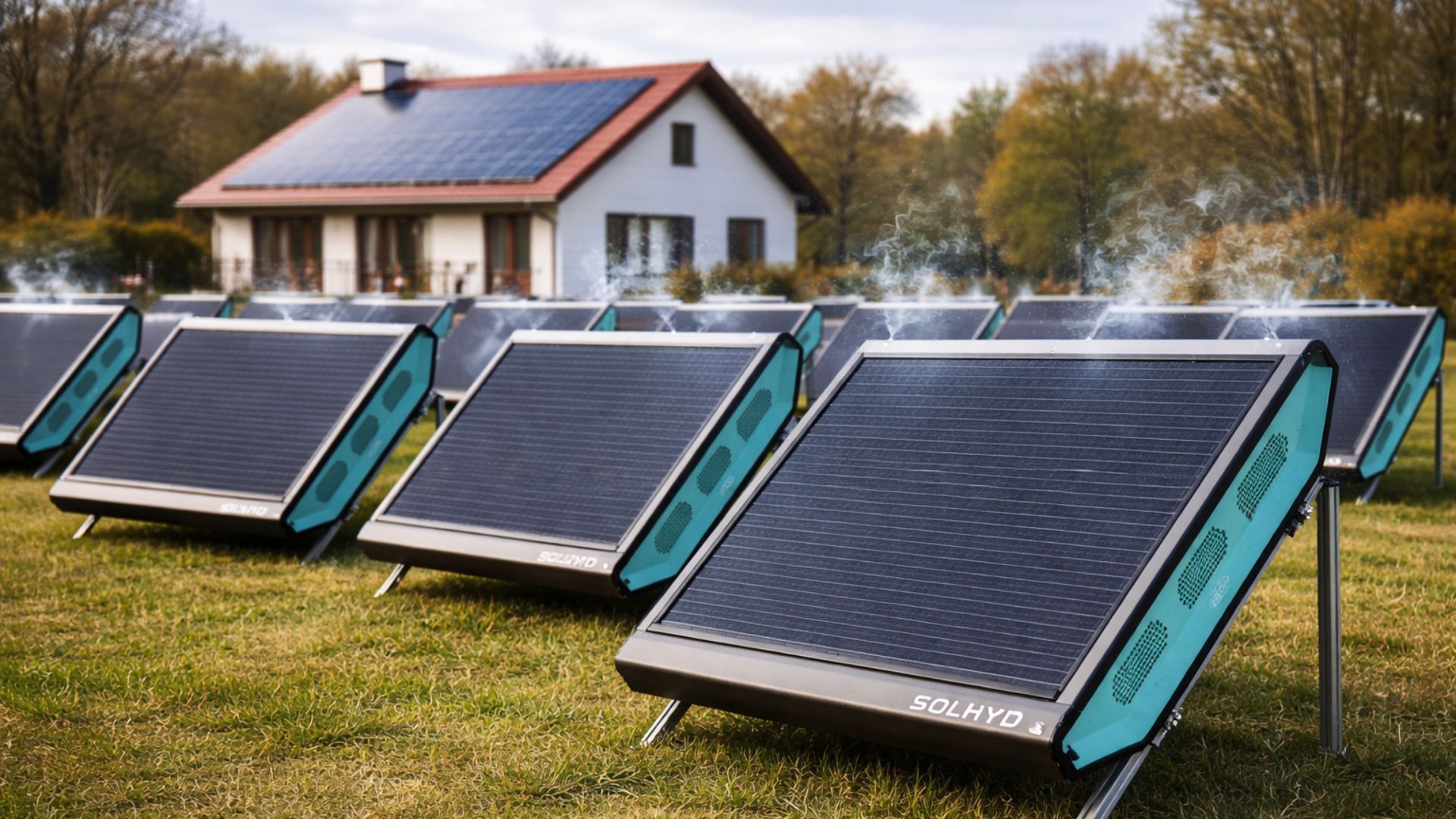
Green hydrogen at home: Belgium launches new technology that makes solar panels produce fuel from the moisture in the air, which could boost the energy transition.

Potential for Technology Replication in Other Regions
With its technical feasibility proven in Juiz de Fora, experts point out that other plants in Brazil could be adapted to operate on ethanol. The country has a consolidated infrastructure for the production and distribution of this biofuel, facilitating the model’s expansion. According to the Ministry of Mines and Energy, the success of the plant may inspire similar projects in regions with abundant sugarcane availability, such as the Midwest and Southeast. The initiative can even be exported to tropical and subtropical countries that have climates and agriculture favorable to ethanol production.
Project Strengthens Brazil’s Role in Renewable Energy
The inauguration of the Juiz de Fora plant reinforces Brazil’s image as a green energy powerhouse. The country is already a global reference in renewable sources, with a focus on hydropower, wind, solar, and biofuels. Now, with the use of ethanol in electricity generation, Brazil expands its range of sustainable solutions. During the inauguration ceremony, President Lula highlighted that the plant symbolizes Brazil’s capability to innovate and lead by example in times of climate crisis. Petrobras also emphasized that the project opens a new front of action for the company in the clean energy sector.
Ethanol and Energy Transition: A New Route for the Future
The use of ethanol in thermoelectric plants shows that biofuel can play a role beyond transportation. It is consolidating as a key component in the global energy transition. With projects like that of Juiz de Fora, Brazil demonstrates that it is possible to unite technology, sustainability, and economic viability. The investment in renewable sources like ethanol not only reduces environmental impacts but also generates jobs, develops agricultural regions, and positions the country as an example to be followed in the intelligent use of its natural resources.






-

-

4 pessoas reagiram a isso.