





 Portuguese
  English
  Spanish
  3 min of reading
  0 comments


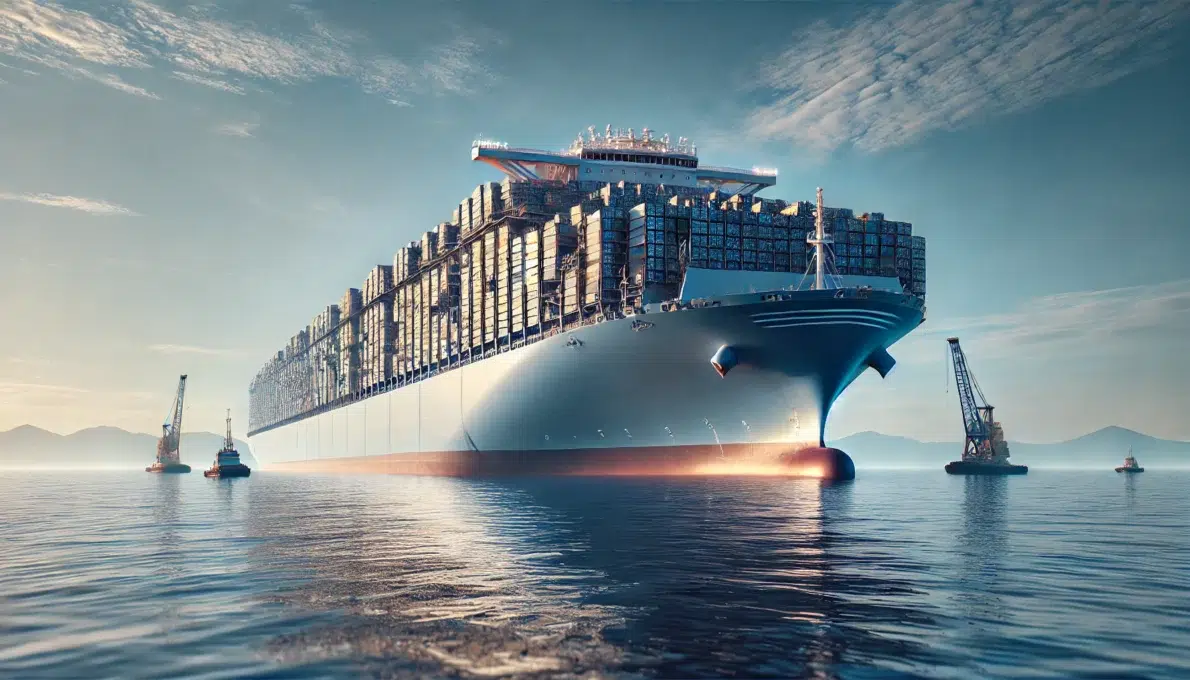
Meet The Largest Ship In The World Built In Brazil And Named After The Galeão Airport, Second Largest Airport In The Country. Ship Had Capacity To Carry 4 Thousand People
The Antônio Carlos Jobim International Airport, commonly known as Galeão Airport, is one of the most important in Rio de Janeiro. What many people don’t know is that this name dates back to the largest ship in the world built in Brazil in the 17th century. This ship, an imposing vessel called “Galeão,” was a landmark in Brazilian naval history and left a lasting legacy that is reflected in the airport’s name. Discover more about this fascinating historical connection that few know about in the Brazilian shipbuilding industry.
Largest Ship In The World Built In Brazil Had Capacity To Carry 4 Thousand People
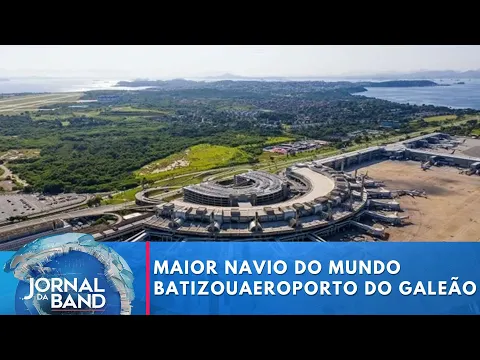

As the second largest airport in Brazil in international traffic, Galeão Airport, situated on Governador Island, is popularly referred to by the name of a class of warships that were very bold during the 16th and 17th centuries. These ships featured four masts and a rounded stern that, together, gave these vessels speed and agility in maneuvers.
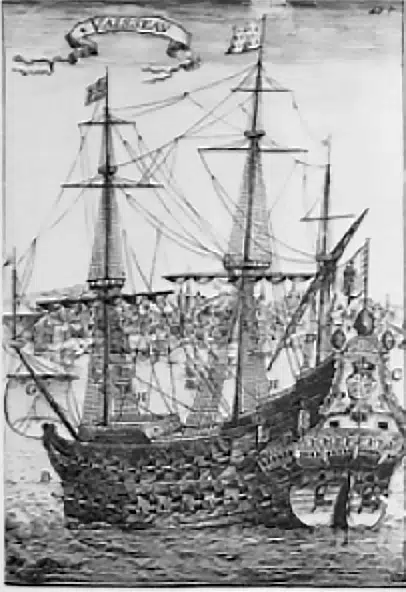
Around 1600, with the Portuguese already established on Brazilian soil, Portugal, still an empire, was suffering from losing its colonies to Spain. In an effort to try to reverse the situation, the Portuguese crown decided to make a massive order to its main colony: Brazil.
-
Historic bankruptcy of Centauro shocks the market, and the century-old company puts more than 500,000 products, machines, and complete infrastructure up for online auction.

-
New shoe factory in Ceará is expected to create 400 jobs and strengthen the local economy.
-
No one imagined it, but a mixture of sawdust with a mineral that fights fires surprises scientists with a result that changes the course of fire-resistant construction.

-
From empty land to a high-end house, wooden construction uses a lightweight system, metal structure for the foundation, ventilated ceramic cladding, and special windows to create an efficient and comfortable living space throughout the year.

The site where Galeão Airport is now located, on the island that belonged to the governor of Rio de Janeiro, was chosen for the construction of a galleon, the largest ship in the world built in Brazil, that would assist Portugal in its military objectives.
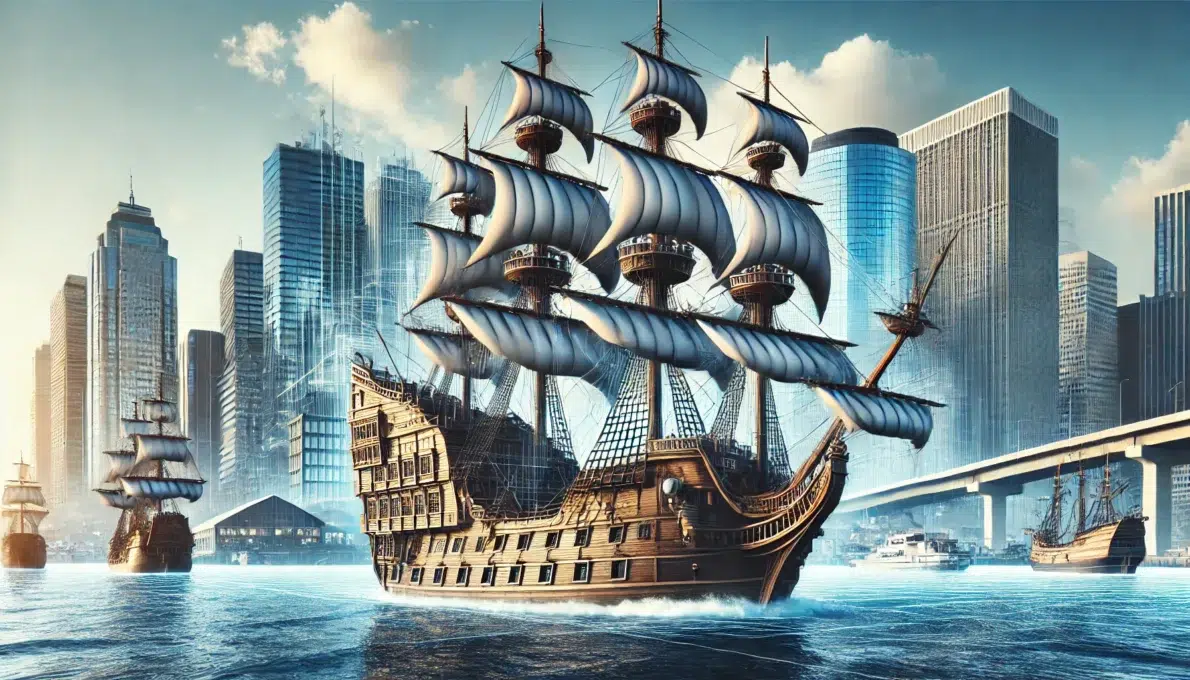
From the workforce, the largest ship in the world built in Brazil was manufactured over four years under the command of nautical technicians from Lisbon. Named “Eternal Father,” the vessel had a structure of 56 meters with 180 hatches, 144 cannons, and a crew of 4,000 men.
Ship Garnered Attention Wherever It Went
Launched in 1664, the ship that gave its name to Galeão Airport participated in discovering the new route between the East and Europe, through the Arctic. While the exact date is unknown, it is known that the largest ship in the world built in Brazil sank years later, after it had been outpaced by steamships.
According to reports, it was such a large ship that speculations about it began to circulate across Europe even before it left Rio de Janeiro. In March 1665, the Portuguese newspaper Mercúrio Portuguez from Lisbon referred to the construction, in Brazil, of the most famous war ship that the seas had ever seen, sparking the curiosity of the local community.
Part of the equipment had been carefully produced by colonial artisans in Rio de Janeiro. This included the carved woods and a stunning golden chapel, which impressed two Italian Capuchin priests who later visited it at the dock in Lisbon.
What Is The Largest Warship In The World Today?
Besides this ship that gave rise to the name of Galeão Airport, the USS Gerald R. Ford is currently the largest warship in the world. The ship, which belongs to the United States Navy, is 333 meters long and 41 meters wide and has the capacity to accommodate up to 4,500 people, in addition to 90 airplanes and helicopters.
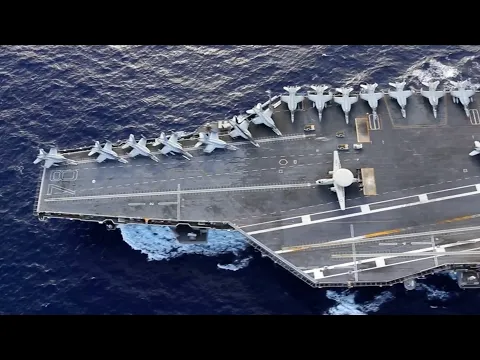
Recently, the ship was placed under NATO command to participate in maneuvers in the seas of Norway. In total, the Gerald R. Ford Strike Group consists of its flagship and namesake, the aircraft carrier USS Gerald R. Ford (CVN 78), a grouping of air squadrons called Carrier Air Wing Eight (CVW 8), the Destroyer Squadron Two (DESRON 2), among others.







Seja o primeiro a reagir!