





 English
  Francês
  Alemão
  Italiano
  Japonês
  Norueguês
  Portuguese
  Spanish
  4 min of reading


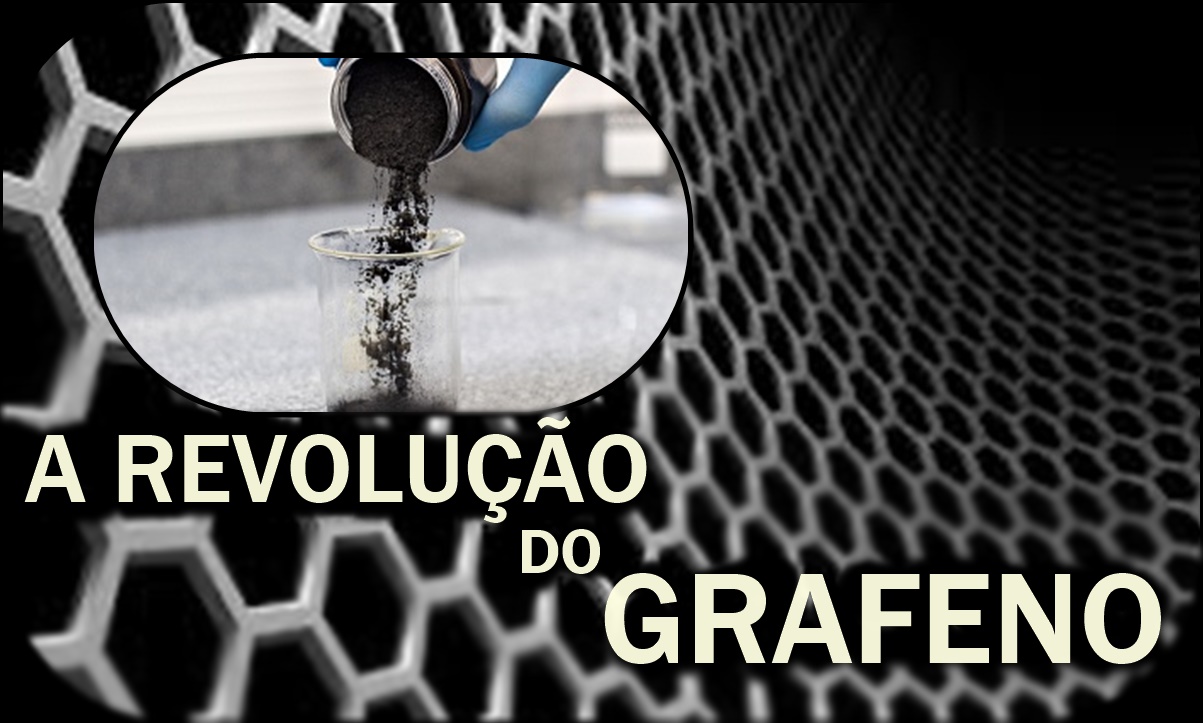
Brazil Has 1/3 of Graphite Reserves and Approximately 97% of Niobium, Which Combined with Graphene Will Revolutionize the Fate of Humanity
The inauguration of the first and largest graphene production factory on an industrial scale in South America, which took place on July 9, was attended by the President of the Republic, Jair Bolsonaro, the Chief Minister of the Civil House, Luiz Eduardo Ramos, and the Minister of Science, Technology and Innovations, Marcos Pontes. The facility will have the capacity to produce up to five thousand kilograms of high-quality graphene per year.
Also Read
- The Largest Steel Plant in Latin America and the World Leader in Niobium Invest in a Singaporean Company; Global Giants Bet on Graphene, the Material of the Future!
- Troller Factory of Ford Group in Ceará May Be Reinstated in Pecém for Production of SUVs, Electric Cars, and Graphene, Which Will Reduce the Weight of Wind Turbine Blades, Desalinate Seawater, and Revolutionize Ceará’s Industries
- Graphene, the Powerful Flexible Material 200 Times Stronger than Steel and Thinner than a Hair, Is Abundant in Brazil and Will Make the Country a Leader in the Global Technological Revolution
- Niobium and Graphene: Brazil and Japan Sign Cooperation Agreement to Explore the Production and Use of the Minerals
- Mining Company Is the First Startup in the World to Develop Advanced Niobium Materials and Innovative Solutions for Health, Beauty, and Agribusiness Sectors
- Niobium, the “Wild Card” for the Industry of the Future, with Lighter Cars, Lower Consumption in Combustion Engines, and Ultra-Fast Charging for Electric Vehicles. All of This Is Possible with the Presence of This Metal, Which Is So Abundant in Brazil
In his speech, President Jair Bolsonaro emphasized Brazil’s potential: “We have a blessed homeland. Looking back at the periodic table, we have all of it here in Brazil. Including the rare elements. We have about 1/3 of graphite reserves in various states. We have approximately 97% of Niobium, which combined with graphene will truly revolutionize the fate of humanity,” he said.
Check the Video Below


Potential That Is Already a Reality in the Market
The rector of UCS, Evaldo Antonio Kuiava, highlights the possibility of sharing with society the potential of graphene and showing that, beyond research, its production is a reality. He emphasizes that the innovation ecosystem at the University enhances education and impacts the market through the connections established with companies. “We have a viable product for the industry, capable of generating income for society with Brazilian technology,” he states, regarding the work developed at the business unit, which is the first in Serra Gaúcha accredited by the Brazilian Company for Research and Industrial Innovation (Embrapii), a social organization overseen by the Ministry of Science, Technology and Innovations (MCTI) that promotes innovation in the Brazilian industry.
-
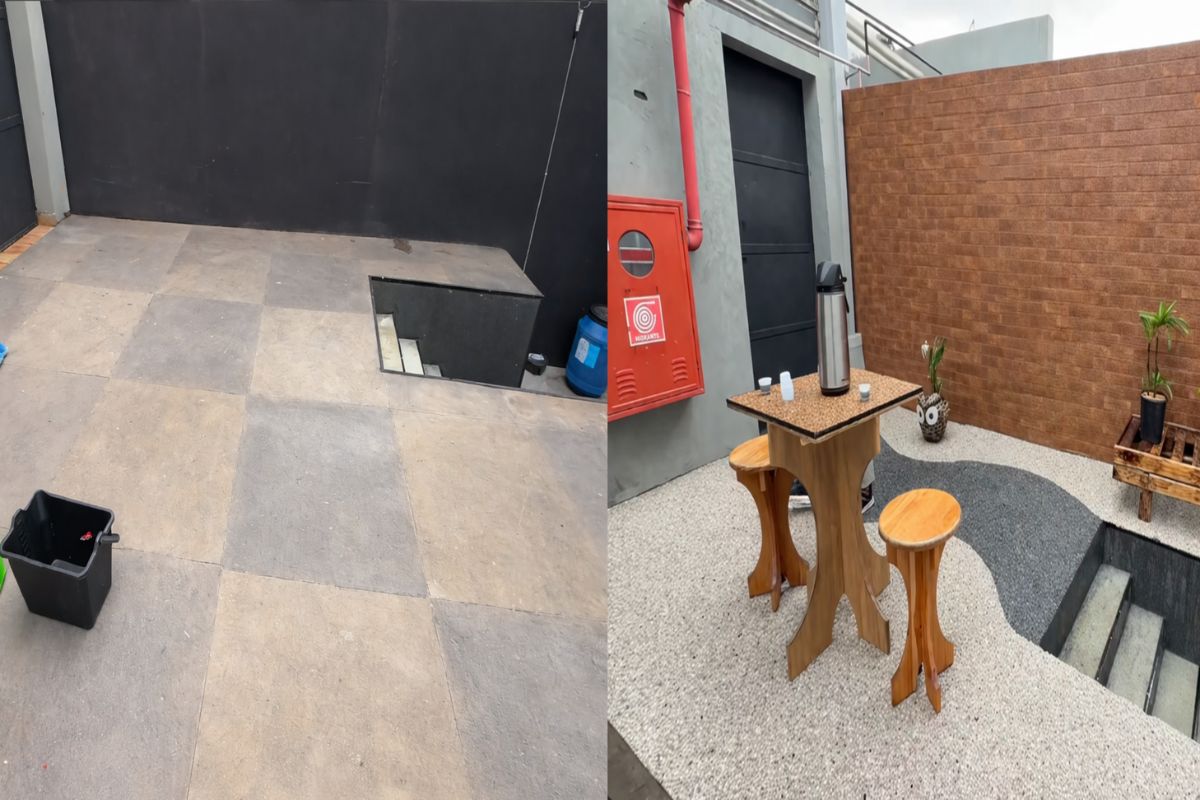
In just three hours, a natural stone floor transforms the entrance of the house with an organic effect, immediate drainage, and a sophisticated non-slip finish that doesn’t puddle water, dries quickly, and impresses with the final result.
-
‘Interlocking brick’ made of earth arrives in the construction industry with cost reductions of up to 40% on the project.
-
Espírito Santo will receive the largest engineering project in its history with the duplication of BR 262, which will have 50 viaducts, 28 bridges, and 2-kilometer tunnels cutting through the most challenging mountainous region of the entire state.

-
A project of nearly 9 million reais already has the first kilometer paved in Santa Catarina and promises to completely transform the access between Jaraguá do Sul and Rio dos Cedros in an area where tourism is growing at a rapid pace.


The delivery converges the efforts of the Federal Government to foster public policies in the sector and support initiatives in graphene as new productive arrangements, the implementation and incorporation of graphene in productive chains, research and scientific knowledge, in addition to launching calls and public notices with economic subsidies for companies, universities, and entities.
About Graphene
Graphene is a material recognized worldwide for its incredible physical properties, such as high mechanical strength, lightness, malleability, and high thermal and electrical conductivity. Brazil is the third largest global supplier of graphite mineral and has the second largest global reserve of this material, which is the primary raw material for graphene. It is estimated that this market will generate more than 3 billion dollars in 5 years.
Products that use this raw material include bulletproof vests, anti-corrosive, self-cleaning and antibacterial paints, fabrics, helmets for motorcyclists, rebar for construction, batteries, among others.
The Civil House monitors policies for advanced materials to promote the harmonization and regulation of this topic with the various sectoral actions conducted by other ministries.
INOVAGRAFENO-MCTI Program
The MCTI – Ministry of Science, Technology and Innovations established the Graphene Innovation Program, the InovaGrafeno-MCTI, through the Portaria No. 4.964, published on July 12 in the Official Gazette of the Union. The document was signed on July 9 at the inauguration event for the largest graphene factory in Latin America. The capacity is to produce up to five thousand kilograms of high quality per year.
The InovaGrafeno-MCTI is one of the strategic and structuring programs of the Brazilian Nanotechnology Initiative (IBN) and will function as a national vector for the development of graphene and the next generation of 2D carbon-based materials.
According to the decree, the program’s objective is to create, integrate, and strengthen governmental actions on the topic of graphene and 2D carbon-based materials, promoting innovation in the Brazilian industry to ensure technological autonomy in high-tech sectors.
The InovaGrafeno-MCTI also establishes as purposes the generation of wealth, jobs, and national development; mobilizing, articulating, and encouraging public and private national actors to work together in the development of processes, products, instrumentation, standardization, certification, and innovations in the area; ensuring universal access to advanced scientific and technological infrastructure to stimulate the scientific community; promoting and stimulating the attraction, formation, training, mobility, and retention of human capital capable of acting in technological development, entrepreneurship, and innovation, involving graphene and 2D carbon-based materials.





Seja o primeiro a reagir!