





 Portuguese
  English
  Spanish
  4 min of reading
  0 comments


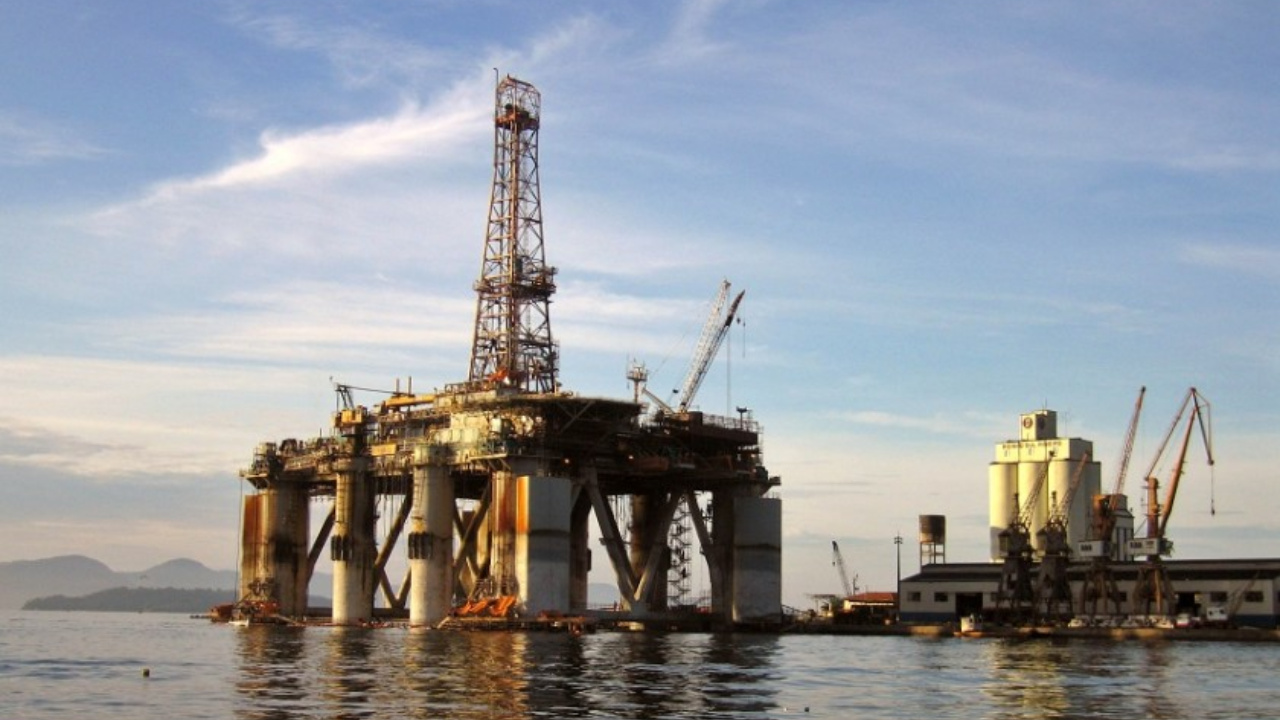
Countries Lead The Expansion Of Oil Outside OPEC, With New Projects In Deep Water And Unconventional Reserves That Strengthen South America’s Role In The Global Energy Scenario.
The oil from South America is gaining prominence on the world stage. According to an analysis by Rystad Energy, Brazil, Guyana, and Argentina, through the Vaca Muerta basin, are leading a new phase of growth in production outside OPEC+, with highly competitive extraction costs and increasing strategic relevance.
According to the report, the three countries are expected to be responsible for nearly 60% of the new global conventional oil production capacity by 2030, consolidating the region as one of the main global supply sources. The increase in South American supply occurs at a delicate balance between economic growth and the stability of international prices.
Rystad also points out that oil from Brazil and Guyana’s deep waters, as well as Argentinian shale, will be essential to ensure global supply and compensate for the slowdown in production in other hubs, such as the United States.
-
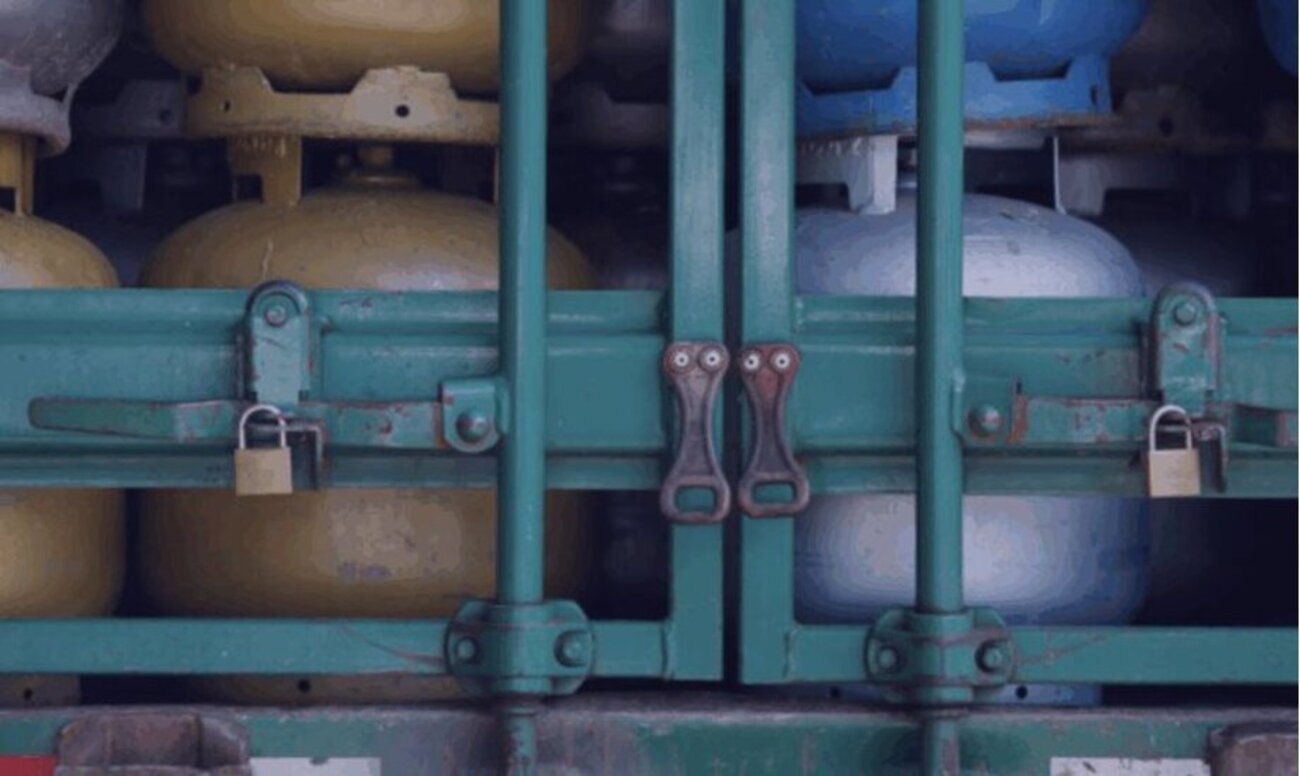
Petrobras evaluates suspension of sales to distributors and considers canceling the cooking gas auction following guidelines from the Federal Government.
-
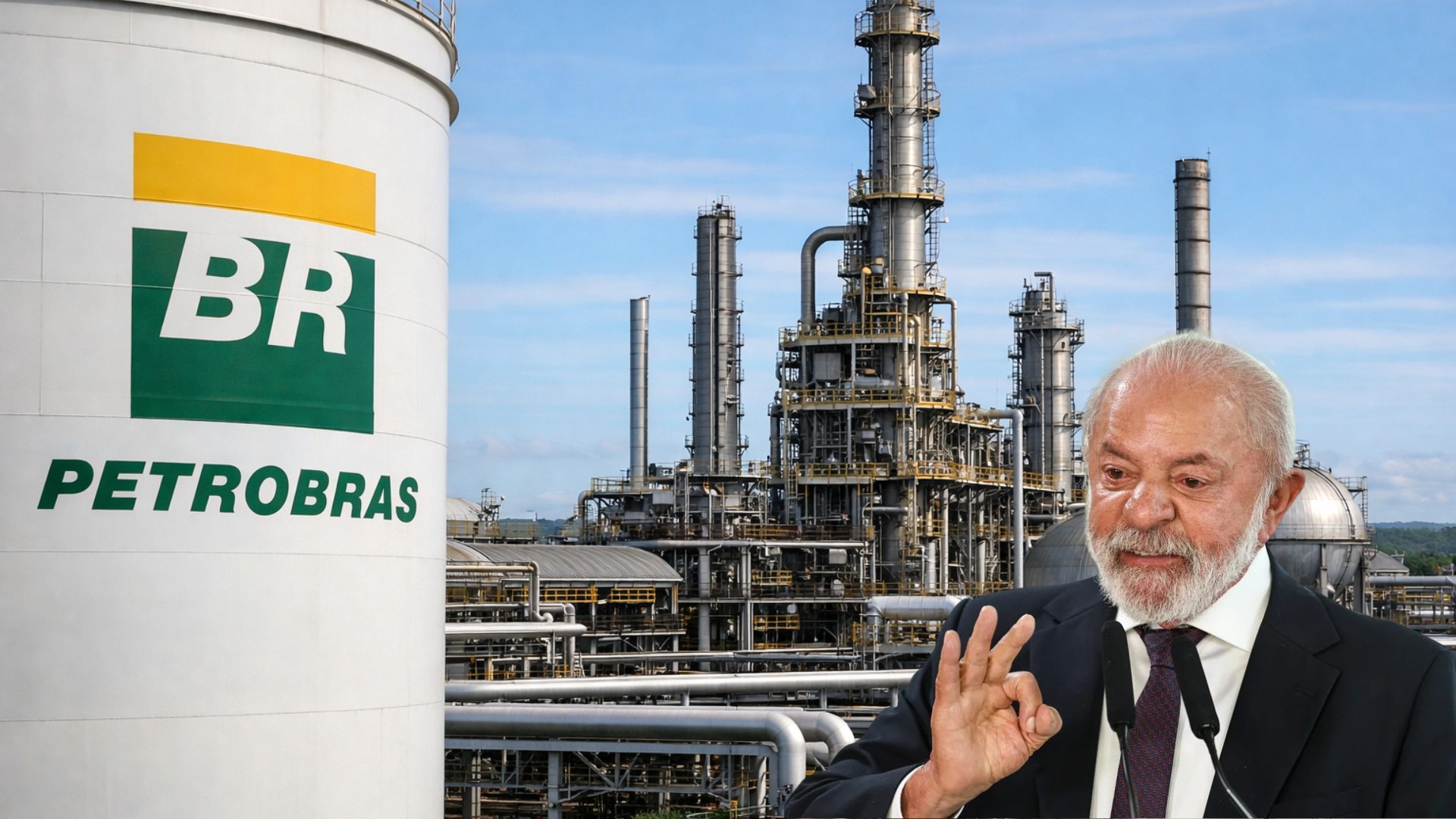
Lula reveals a masterstroke by Petrobras to undo a deal made by Bolsonaro, which involves the return of an important refinery that currently produces less than half of what was expected and makes Brazil dependent on international diesel.
-
A study confirms that the natural gas sector will reduce greenhouse gas emissions in Brazil by 0.5% and accelerate the energy transition by 2026.

-
Petrobras implements a severe adjustment and confirms a 55% increase in the price of aviation kerosene with a proposal for installment payments for the companies.


Global Demand For Oil Remains Strong Until 2040
Even with the advancement of alternative energy sources, global demand for oil remains solid. Rystad projects that global liquid consumption will peak in the 2030s, reaching around 107 million barrels per day (bpd), and stay above 100 million bpd until 2040.
Only after this period is consumption expected to begin gradually decreasing, falling to 75 million bpd by 2050. During this interval, South American countries will play a central role in global supply, sustaining production with new offshore projects and low-cost unconventional reserves.
Producers outside OPEC+ are expected to add 5.9 million barrels per day to global capacity by 2030, with 560 thousand bpd coming from South America and 480 thousand bpd from North America.
Brazil Advances With Pre-Salt And Strengthens Its Position Among Major Exporters
Brazil stands as one of the major emerging powers in offshore oil, particularly noted for its pre-salt fields in ultra-deep waters, which have high productivity rates and low extraction costs.
Large investments are underway, with new Floating Production, Storage and Offloading Units (FPSOs) being delivered in 2025, which will increase national capacity.
The country’s oil production, led by Petrobras, has been one of the pillars of the Brazilian economy. In recent years, Brazil has set successive records, driven by the development of new platforms and continuous exploration of deep-water fields.
Despite challenges related to infrastructure and regulation, the sector remains dynamic, with Brazilian oil occupying a prominent position in exports and attracting long-term foreign capital.
Guyana Rapidly Grows And Becomes New Global Oil Hub
Guyana is experiencing unprecedented growth in its oil industry. In October 2025, the country surpassed 770 thousand barrels per day, propelled by the consortium led by ExxonMobil in the Stabroek Block.
The recent start of operations for the Yellowtail project, the fourth FPSO unit installed in the region, significantly elevated production capacity. According to projections, when the Uaru and Whiptail projects come online in 2026 and 2027, respectively, production could reach 1.3 million barrels per day.
As a result, Guyana is expected to establish itself as one of the largest per capita oil producers on the planet, surpassing traditional OPEC countries. The rapid growth is also attracting infrastructure investments and strengthening the local economy, which has become directly dependent on crude oil exports.
Argentina Invests In Vaca Muerta And Expands Production Focusing On Shale
In Argentina, the strength of oil comes from the Vaca Muerta formation, one of the largest unconventional oil reserves in the world, with 16.2 billion recoverable barrels. In 2025, production rose 26% compared to the previous year, reaching 447 thousand barrels per day, which represents more than half of national production.
This advancement was driven by massive investments in technology, infrastructure, and productivity, which reduced extraction costs and increased operational efficiency.
International companies, such as Equinor and Shell, have resumed investing in the region, strengthening partnerships with the state-owned YPF. The acquisition of stakes in strategic blocks, such as Bandurria Sur and Bajo del Toro, demonstrates the market’s confidence in the growth potential of Vaca Muerta.
Despite the optimism, the consulting firm Rystad warns of logistical and transportation challenges, which are already beginning to affect production expansion. Still, Argentina has been diversifying its energy matrix with natural gas, whose production grew 16% in the first quarter of 2025, reaching 2.1 billion cubic feet per day.
This evolution paves the way for the country to consolidate a LNG (liquefied natural gas) export strategy, strengthening its position as a regional supplier and strategic partner for global energy trade.
Rystad Energy Highlights Need For New Investments In The Oil Sector
According to Radhika Bansal, Vice President of Exploration and Production Research at Rystad Energy, the current wells are expected to deliver less than half of their capacity by 2030, highlighting the urgency for ongoing investments in new productive areas.
Bansal emphasizes that the discovered but undeveloped assets will play an essential role in maintaining global supply, balancing the market in light of the natural aging of mature fields.
She also warned that “surface risks can cause delays in project timelines,” stressing that South America’s track record in deep water gives the region a significant competitive advantage over other producers.
With attractive prices, increasing productivity, and geographic diversification, South American oil is consolidating as one of the most important sources of balance for the global market. Countries like Brazil, Guyana, and Argentina reinforce the region’s role as a central pillar of the future of the oil industry, combining innovation, efficiency, and economic prominence.







Seja o primeiro a reagir!