





 English
  Francês
  Alemão
  Italiano
  Japonês
  Norueguês
  Portuguese
  Spanish
  5 min of reading
  0 comments



Brazil, Guiana and Argentina Consolidate the New Oil Frontier in 2026 with Record Production and Large Investments, Surpassing Venezuela and Boosting the Regional Market.
The advancement of oil production in Brazil, Guiana, and Argentina is reshaping the energy map of Latin America. Driven by highly productive offshore projects and the growth of shale in Vaca Muerta, the three countries are consolidating a new oil frontier in the region. Projections indicate that this axis will lead the growth of South American supply in 2026, surpassing the expansion pace of Venezuela, even with the gradual recovery of the Caribbean nation.
According to an article published by Bloomberg Línea on February 18, data from consultancies like Rystad Energy and analyses from financial institutions like JPMorgan indicate that Brazil, Guiana, and Argentina will account for most of the regional increase in production in the coming years. The combination of competitive assets, billion-dollar investments, and regulatory stability places the three countries at the center of global market strategic decisions.
Brazil Expands Production in Pre-Salt and Leads the New Oil Frontier
Brazil has solidified its position as the largest oil producer in Latin America. In the past year,national production reached 3.770 million barrels per day, an increase of 12.3% compared to 2024. The performance is largely driven by pre-salt fields located in deep Atlantic waters.
-
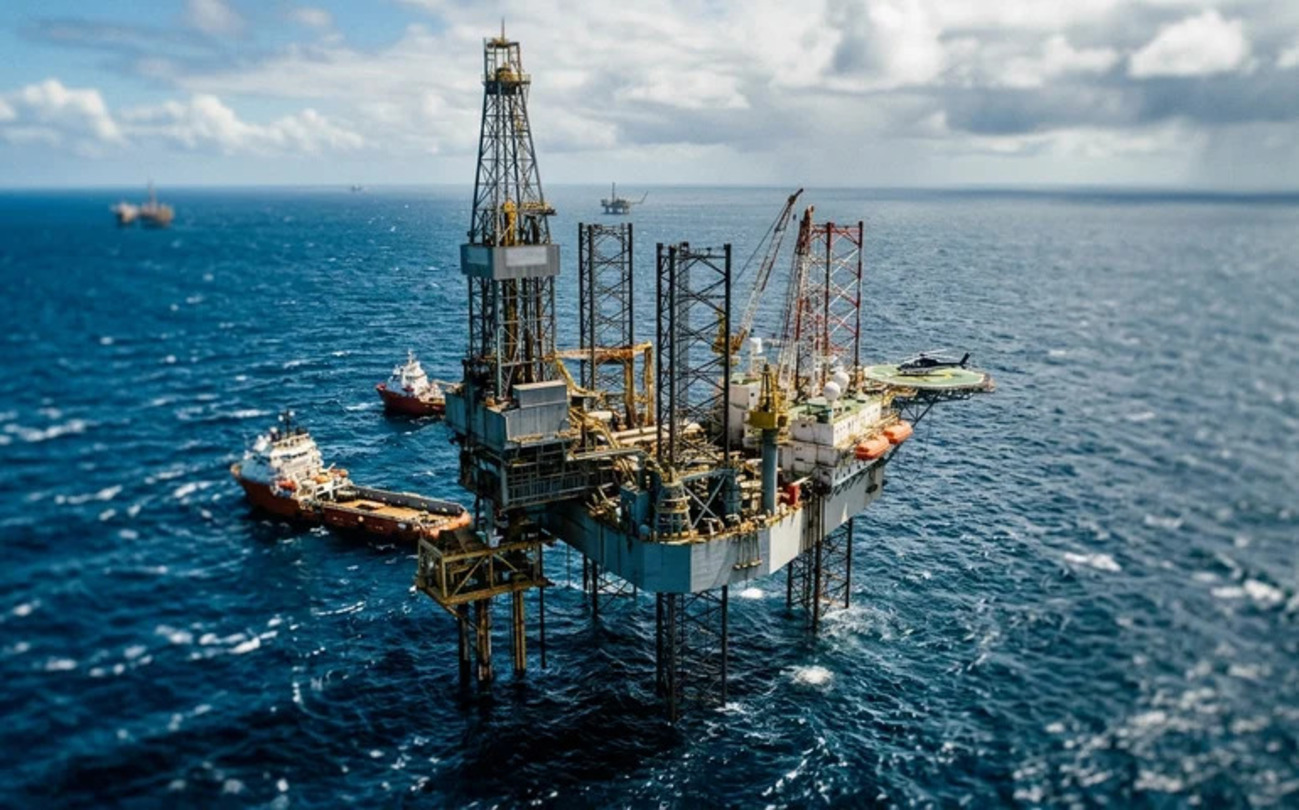
Brazilian giant expands borders in the Southeast: Petrobras confirms new oil discovery in ultra-deep waters in the pre-salt of the Campos Basin.
-
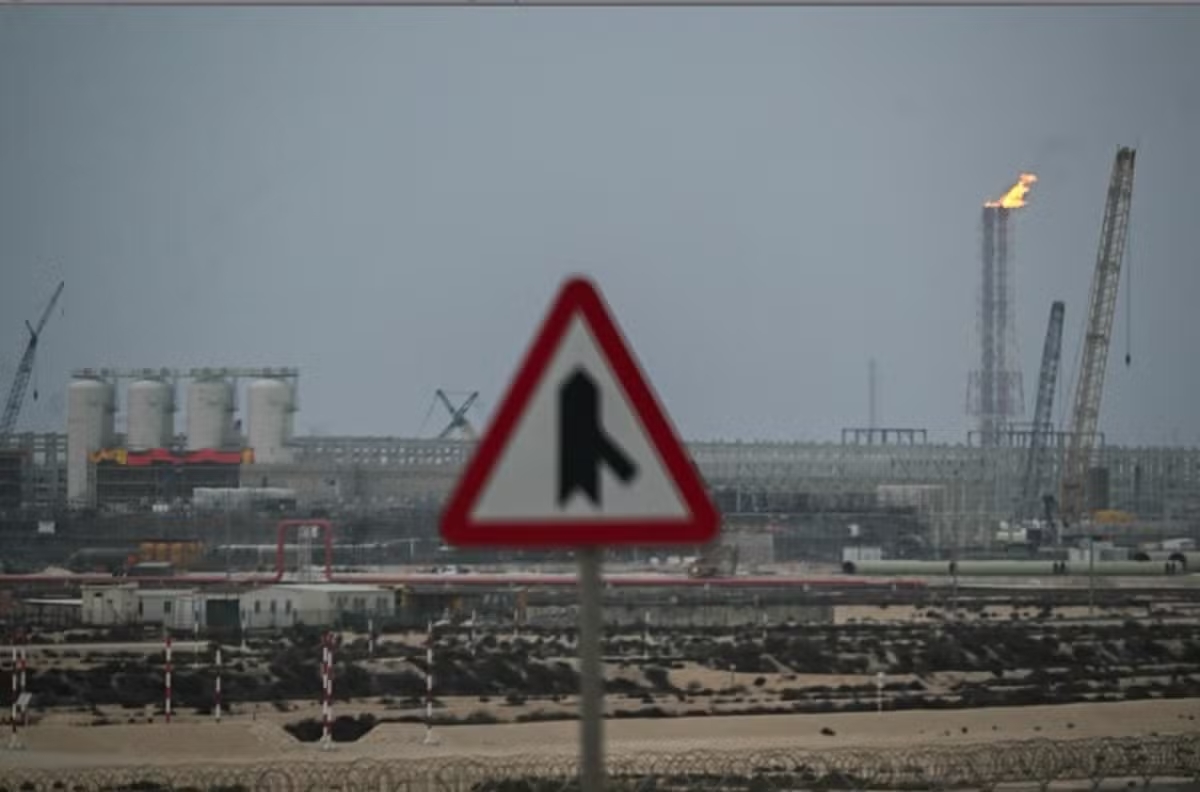
Alert in the global energy market: Severe tropical cyclone hits the coast and disrupts gas production at major plants in Australia, threatening global supply.
-
Petrobras finds high-quality oil in the pre-salt at 113 km from RJ and reignites expectations about strategic reserves in the Campos Basin.

-
Ocyan opens registrations for startups focused on innovation in the oil and gas sector and will select projects for Innovation Day with the support of Nexio.


The pre-salt accounted for 79.63% of the country’s equivalent oil production, demonstrating the strategic relevance of these assets. High productivity and competitive costs make Brazil one of the main global suppliers outside of Opec+.
The entry of new floating production, storage, and offloading systems (FPSOs) reinforces this movement. JPMorgan estimates that Brazil, Guiana, and Argentina could add between 750,000 and 1 million barrels per day to global supply in 2026, with a strong Brazilian contribution.
Experts point out that Brazil has a structural advantage over other regional producers due to the quality of its assets and regulatory maturity. This combination strengthens the country as a key player in the new oil frontier.


Guiana Transforms Offshore Discoveries into Accelerated Growth
Guiana is at the forefront of one of the fastest expansion stories in the global oil industry. In November 2025, the country achieved production of 900,000 barrels per day, resulting from successive discoveries in offshore blocks considered among the most productive in the world.
Projections indicate that Guiana could exceed 1 million barrels per day by 2027. The rapid pace is supported by new deep-water projects and agile development schedules.
According to a recent report from Rystad Energy, Brazil, Guiana, and Argentina are expected to lead South American growth with more than 700,000 additional barrels in 2026. During the same period, the projected expansion for Venezuela is approximately 300,000 barrels per day.
Political stability and legal security have been decisive factors in attracting international capital. This favorable environment consolidates Guiana as a central piece of the new oil frontier in South America.

Argentina Breaks Records with Vaca Muerta and Strengthens Regional Axis
Argentina has placed the hydrocarbon sector at the center of its economic strategy. The development of unconventional fields, especially Vaca Muerta, has become decisive for the country’s productive expansion.
In December 2025, Vaca Muerta reached 589,000 daily barrels, an increase of 31% compared to 2024. This volume accounted for about 68% of Argentina’s total production. In the same month, Argentina achieved a record production of 878,800 barrels per day, surpassing the maximum recorded in October of the same year and the previous historical record dating back to May 1998.
Technological advancements in hydraulic fracturing and investments in logistical infrastructure were decisive for this performance. The expansion of Vaca Muerta strengthens Argentina’s role within the new oil frontier formed with Brazil and Guiana.
Industry analysts highlight that Argentine assets have high growth potential, making the country one of the main shale hubs outside North America.
Brazil, Guiana and Argentina Are Expected to Surpass Venezuela by 2030 in the Oil Market
Projections indicate that Brazil, Guiana, and Argentina will surpass Venezuela in productive growth at least until 2030. Rystad Energy forecasts that total production in Latin America will exceed 8.8 million barrels per day this year, led by Brazil.
Venezuela, on the other hand, recorded an average of 1.081 million barrels per day in the past year, the highest level in seven years. After recent political changes, sales of Venezuelan oil have already surpassed US$ 1 billion, with a target of reaching US$ 5 billion in the coming months.
Estimates from Oxford Economics indicate that Venezuelan production could reach 1.5 million barrels per day in the next two years. Rapid improvements in the country’s outlook could add up to 200,000 additional barrels per day. Chevron has committed to increasing production by 125,000 barrels daily in two years.
Despite these prospects, experts point out that Venezuela’s full recovery faces significant challenges. Modernizing infrastructure, skilled labor formation, and the need for large-scale investments are critical factors.
After more than a decade without proper maintenance, Venezuelan infrastructure requires significant input to regain productivity. Analysts consider that returning to levels close to 3 million barrels per day could take about a decade.
In this context, the simultaneous advancement of Brazil, Guiana, and Argentina reinforces the consolidation of the new regional oil frontier.
Global Investments Reinforce the New South American Oil Frontier
The coordinated growth of Brazil, Guiana, and Argentina has attracted the attention of global investors. According to JPMorgan, the three countries will contribute significant volumes to the growth of supply outside Opec+ in 2026.
The entry of new FPSOs in Brazil and Guiana, combined with the ongoing expansion of Vaca Muerta in Argentina, supports projections of an increase between 750,000 and 1 million barrels per day. This volume has significant weight in the balance of the international market.
The new South American oil frontier emerges at a time of geopolitical uncertainties and price volatility. Regulatory predictability and the quality of assets make Brazil, Guiana, and Argentina preferred destinations for capital.
Meanwhile, Venezuela is advancing in reforms that eliminate the obligation for majority state participation in hydrocarbon companies, allowing for greater private presence in exploration, production, and transportation. Still, the volume of necessary investments remains high.
Reconfiguration of the Energy Map and Impacts Until 2030
The current scenario indicates a structural reconfiguration of the South American energy sector. Brazil, Guiana, and Argentina concentrate the assets with the highest future production capacity, according to industry experts.
Colombia, for example, produced 746,000 barrels per day in the past year, a decline of 3.4% compared to the previous period, according to the National Hydrocarbons Agency. Estimates point to production close to 750,000 barrels per day in the coming years, without significant growth.
This contrast highlights the prominence of the Brazil–Guiana–Argentina axis in the new oil frontier. The combination of highly productive offshore and competitive shale creates an energy hub capable of influencing global investment decisions.
The trend is that, by 2030, regional growth will continue to be concentrated in these three countries while Venezuela seeks to consolidate its recovery. For investors, governments, and companies in the sector, understanding this dynamic is crucial to anticipating opportunities and risks in the international energy market.







Seja o primeiro a reagir!