





 Portuguese
  English
  Spanish
  4 min of reading
  0 comments


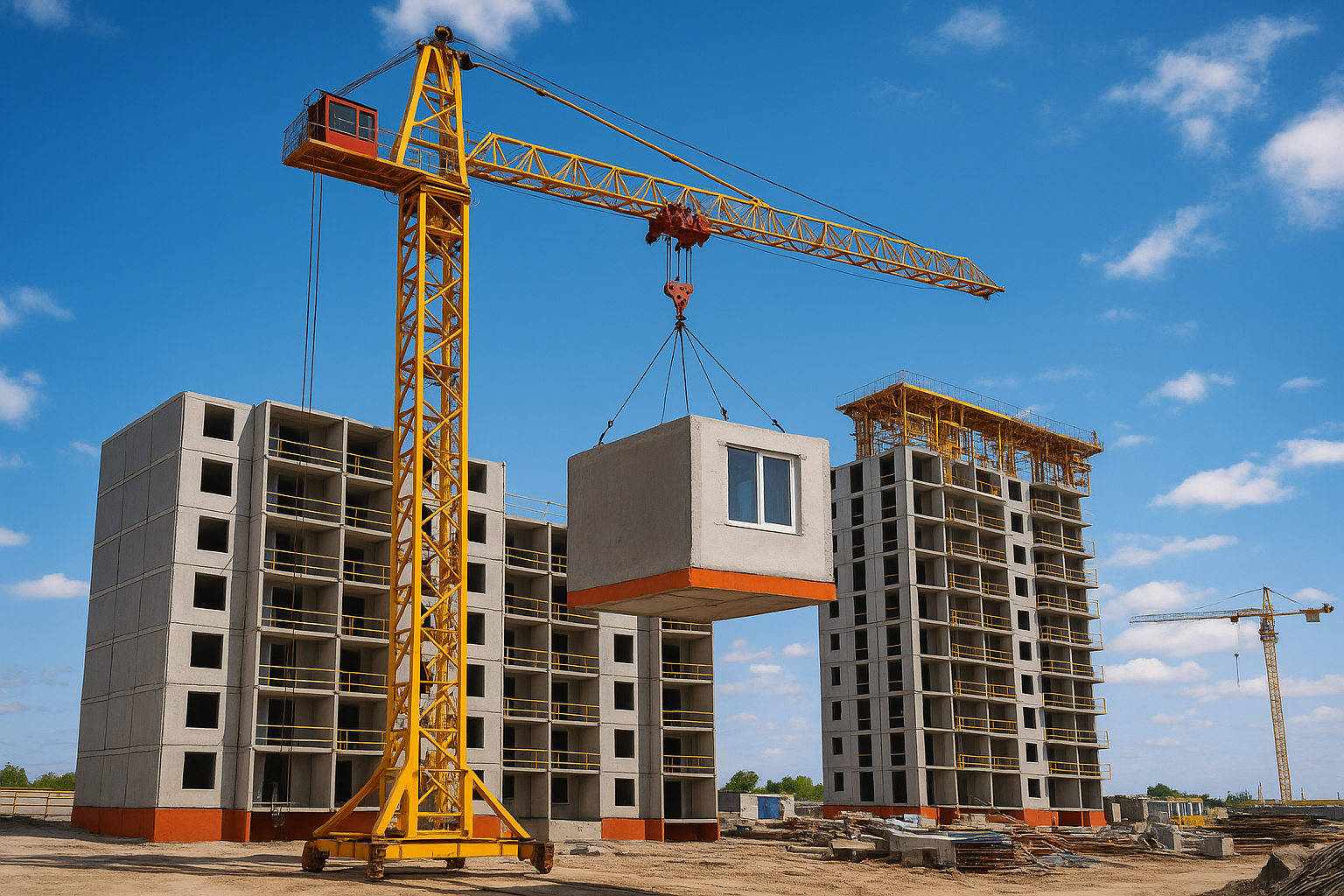

Ceará Launches Pioneering Project That Industrializes Stages of Civil Construction, Cuts Costs, and Addresses Environmental and Labor Challenges in the Sector
On Tuesday, June 24, 2025, Fortaleza was the stage for the official announcement of the first Brazilian hub entirely focused on industrialized civil construction.
The initiative is led by the Institute of Technologies for Industrialization of Buildings (ITIE). It transforms the way houses and buildings will be constructed in the country.
The project is based on the concept of pre-fabrication in warehouses. Thus, it eliminates stages of traditional construction sites and brings the ready modules to the job site.
-
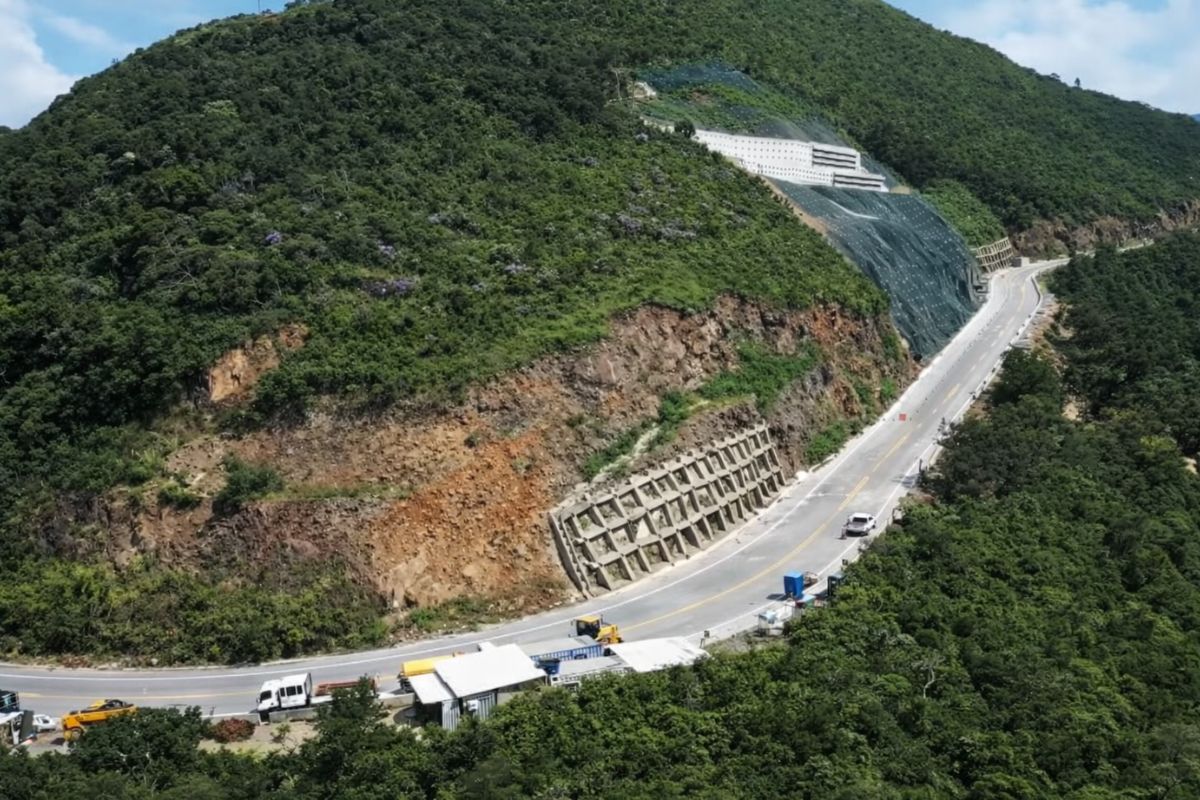
The section of Serra da Rocinha on BR-285 is now open in Timbé do Sul: 50 m tensioned curtains and top-down technique stabilize the slope, with a stairway duct controlling the water.
-
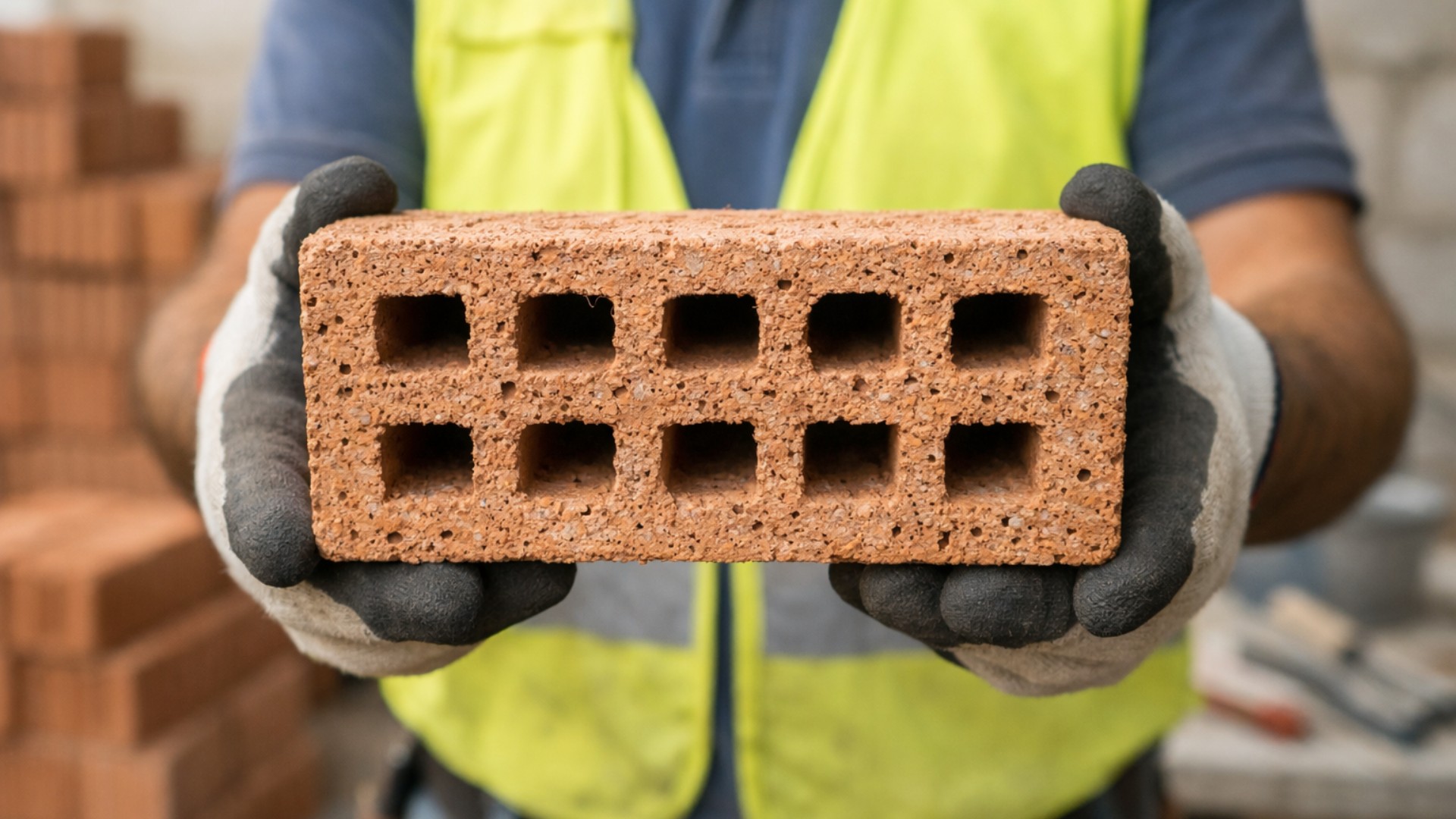
Scientists use sawdust mixed with clay to create a lighter brick, promising efficient thermal insulation and impressing by transforming waste into a solution for construction.
-
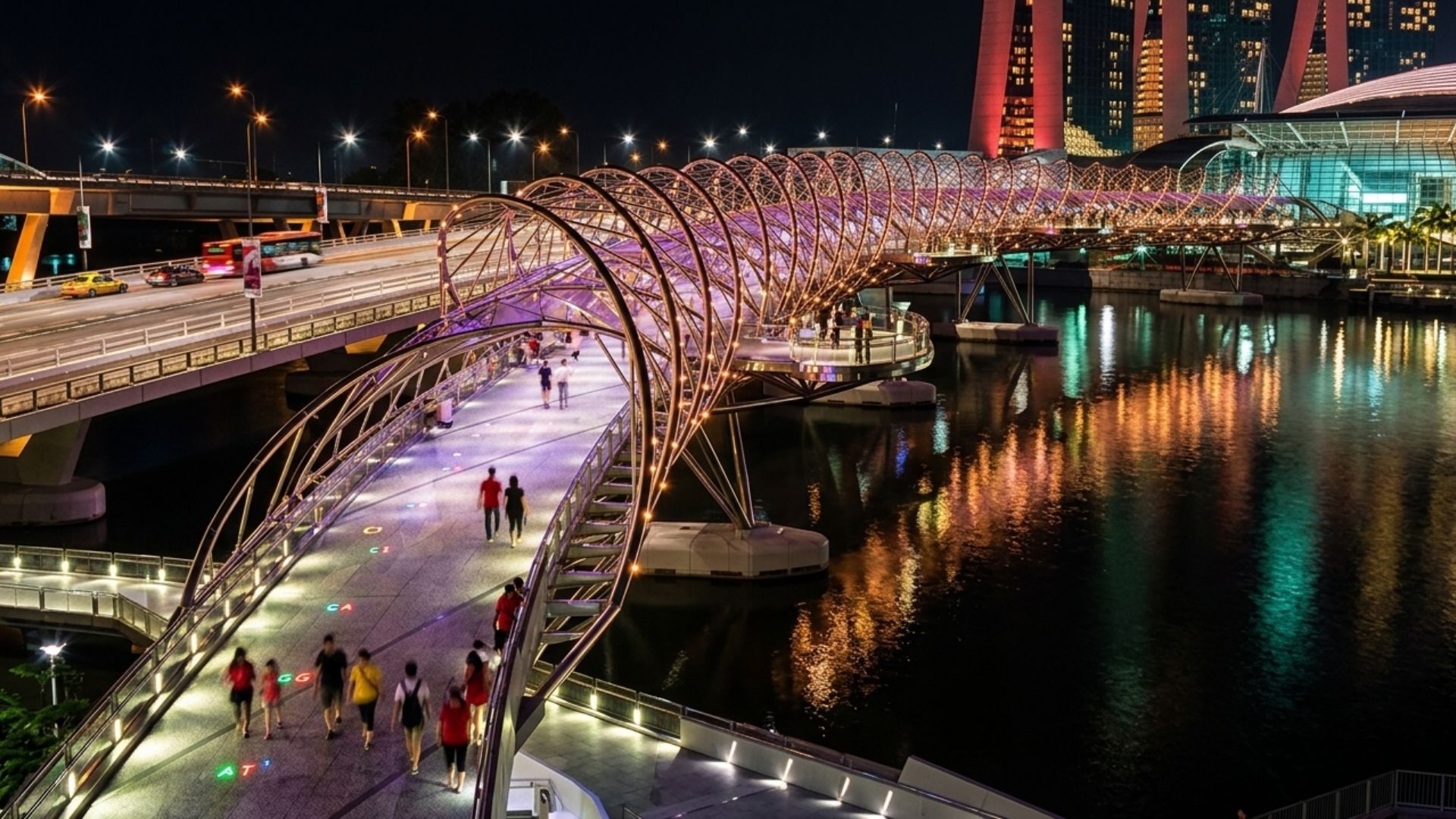
With a DNA shape, this bridge in Singapore draws attention in modern architecture and surprises tourists by transforming a simple crossing into an unforgettable visual experience in the urban heart.
-
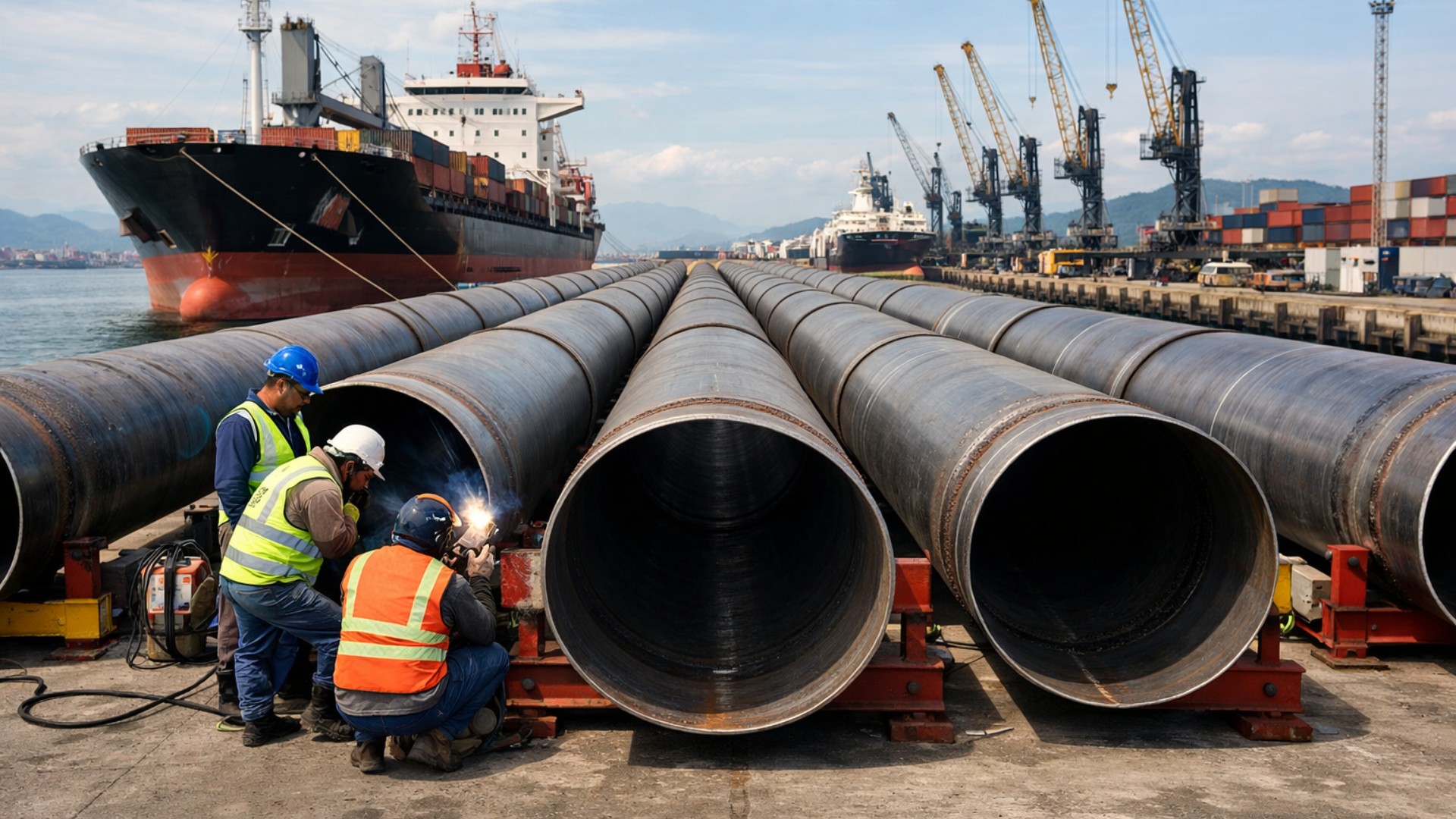
Giant underwater pipeline begins to take shape with a R$ 134.7 million project at the Port of Santos: the 1.7 km structure uses 12-meter and 700 mm pipes to supply water to 450,000 people in Guarujá.

According to ITIE, the adopted model promises to expedite construction and address the labor shortage crisis.
Although the projected values have not been disclosed, nor the detailed schedule, the proposal positions Ceará as a national reference in the civil construction sector.
Various sustainable technological solutions will also be part of the process. There will be an emphasis on significantly reducing solid waste during the execution of the projects.

New Model Proposes Eightfold Productivity Increase and 90% Reduction in Waste
According to Emanuel Capistrano, president of the Construction Cooperative of Ceará (Coopercon-CE), the initial phase will feature two already confirmed companies.
These companies will be responsible for manufacturing hydraulic and electrical kits. The Federation of Industries of the State of Ceará (FIEC) will provide the area where they will set up the structures.
In this first phase, there will be no rental fee for the space used. This facilitates the development of the hub and encourages adherence to the project.
One of the companies starting the work will be the construction company J. Simões, which is still developing the product that will be integrated into the industrialized hub.
The expected gains are significant: there will be a reduction of up to 20% in total costs and a productivity increase of up to eight times in construction projects.
Additionally, the new system is expected to reduce waste generated in the traditional construction process by up to 90%. This goal represents a milestone for the sector.
Project Will Be Divided into Phases and Will Include the Assembly of Complete Buildings
The hub will operate in three distinct phases. Each phase increases the complexity of production and strengthens the industrialization model applied to the sector.
The team will produce electrical and hydraulic kits in the first phase. This phase tests the model’s viability and organizes the logistics of the production processes.
In the second phase, the company will expand production.
It will start including the manufacturing of pre-assembled bathrooms and facades, with gains in time and quality.
Finally, the third phase will focus on the construction of complete buildings. The industry will produce these properties and transport them for final assembly.
This approach promises to transform the sector’s dynamics. It promotes a more efficient, safe, and organized logic compared to traditional construction sites.
The initiative also creates space for new professional profiles. More specialized technicians in the assembly and operation of industrial systems will gain prominence in this productive model.
Industrialization of Construction Can Mitigate Shortage of Skilled Workers
The project directly addresses the main challenges in civil construction in Brazil.
Among them are the labor shortage, low productivity, and the high volume of waste that still characterize the traditional sector.
As highlighted by Freitas, the conventional model heavily relies on the physical presence of workers on site. This limits efficiency and the capacity for innovation.
New generations show less interest in this type of occupation. This change in profile necessitates an urgent reorganization of the production chain structure.
Freitas believes that the transition is inevitable. Incorporating manufacturing and assembly into the concept of building expands the possibilities of action for the sector.
This directly contributes to attracting more technological profiles. It also helps to reduce the impact of the absence of professionals in the near future.
Transferring productive stages to controlled warehouses allows for better schedule management. It also ensures standardized quality even with fewer workers directly involved in the projects.
Civil Construction Is Responsible for 21% of Global Greenhouse Gas Emissions
Another decisive factor for the hub is the environmental impact of civil construction. Therefore, the sector urgently needs to reduce its effects on the environment.
According to the Solid Waste Panorama in Brazil 2024 by Abrema, the country generated 44.46 million tons of construction and demolition waste.
This number, therefore, refers to the total construction and demolition waste generated in 2023. Thus, it represents one of the largest sources of waste in the country.
In addition to the amount generated, the sector is also responsible for about 21% of global greenhouse gas emissions, according to data from 2024.
According to the United Nations Environment Programme (UNEP), this situation highlights the urgency of more sustainable solutions for the sector.
In Brazil, waste management follows Resolution Conama No. 307/2002. This regulation, therefore, complements the National Solid Waste Policy (PNRS).
The new approach adopted by the Ceará hub is in line with these guidelines. Thus, it provides viable alternatives for compliance with current legislation.
Moreover, the initiative positions Brazil as an example of sustainable innovation in civil construction. Finally, the model can be replicated in other regions of the country.









Your blog is like a beacon of light in the vast expanse of the internet. Your thoughtful analysis and insightful commentary never fail to leave a lasting impression. Thank you for all that you do.